Coyotes and Predators in North Carolina
It's no secret that the presence of predators, especially coyotes, can be a real headache for North Carolina hunters and landowners alike. Whether you're worried about fawn survival, the health of your small game populations, or even the safety of your livestock and pets, the challenges are very real and often frustrating. This comprehensive guide is here to shed light on the dynamics of coyotes and other key predators across our beautiful state, helping you understand their impact and explore effective management strategies to protect your interests.
The Arrival and Spread of Coyotes in North Carolina
The idea of coyotes being a natural part of North Carolina's wildlife might seem foreign to some, especially those of us who remember a time before their widespread presence. But these adaptable canids have certainly made themselves at home, expanding their range across the entire state in what has been a relatively swift biological takeover. Understanding how and why they got here is the first step in understanding their current role.
Historical Context and Initial Sightings
For generations, North Carolina's top predators were primarily black bears, bobcats, and various avian raptors. The Eastern coyote, a hybrid descendant of Western coyotes and Eastern wolves, began its steady march eastward decades ago. Unlike the red wolf, which was historically native to the Southeast, coyotes were not originally found in North Carolina. Their arrival wasn't a sudden event but a gradual infiltration, primarily from the west and north. Early sightings in the western mountains and Piedmont regions often surprised residents, as coyotes typically shy away from humans. However, their incredible adaptability meant they quickly learned to navigate human-modified landscapes, from dense suburban areas to vast agricultural fields. By the early 2000s, confirmed reports had spread to almost every county, marking their official establishment as a permanent fixture in our state's ecology.
Factors Contributing to Coyote Expansion
Several factors contributed to the coyote's incredibly successful expansion into North Carolina. One major driver was the fragmentation of forests and the increase in agricultural lands, which created ideal habitat with abundant prey and fewer large natural predators to compete with. As deer populations boomed in the mid to late 20th century, coyotes found a readily available food source, particularly fawns, which further fueled their reproductive success. Furthermore, the extirpation of gray wolves and the severe reduction of red wolves in the East left a vacant ecological niche that coyotes readily filled. They are opportunistic breeders, capable of producing large litters, and they possess an uncanny ability to learn and adapt to new environments and food sources. This resilience allowed them to thrive in everything from mountain wilderness to the edges of bustling cities like Raleigh and Charlotte, quickly filling virtually every available habitat niche across North Carolina. The interstate highway system, while seemingly a barrier, also inadvertently aided their dispersal, as younger, dispersing coyotes utilized corridors of undeveloped land along rights-of-way.
Understanding Coyote Behavior and Ecology
To effectively manage or even coexist with coyotes, it's crucial to move beyond simple observations and delve into their complex behavior and ecological roles. These aren't just random wanderers; they have intricate social structures and highly refined hunting strategies.
Social Structure and Pack Dynamics
Coyotes are often perceived as lone operators, but that's not always the case. While individual coyotes, especially younger ones, do travel and hunt alone, they frequently form packs. A typical pack in North Carolina consists of a breeding pair, their pups from the current year, and sometimes a few offspring from previous years who haven't yet dispersed. These packs are highly territorial, and the dominant pair is usually the only one that breeds, suppressing reproduction in subordinate members. The size of their territory depends heavily on food availability and population density, ranging from a few square miles in resource-rich areas to much larger tracts in sparser environments. Pack members communicate through a variety of vocalizations – howls, yips, barks, and growls – which serve to establish territory, locate other pack members, and warn off intruders. Understanding the presence and dynamics of these packs is vital for hunters, as a single coyote might be an opportunistic solo hunter, but a pack can exert significant pressure on local game.
Diet and Hunting Strategies
Coyotes are famously opportunistic omnivores, meaning they'll eat just about anything they can get their paws on. Their diet shifts with the seasons and the availability of food sources. In North Carolina, a large portion of their diet consists of small mammals like rabbits, voles, and mice. They're also not above scavenging on carrion, including roadkill or deer left by hunters. Berries, fruits, and insects also make up a significant part of their diet, particularly in leaner times. When it comes to hunting strategies, coyotes are incredibly intelligent. They often hunt alone for small prey, stalking and pouncing with precision. However, when targeting larger prey like deer, they frequently work together as a pack. This collaborative effort allows them to corner, exhaust, and take down animals much larger than themselves. Fawns are particularly vulnerable, especially during the spring birthing season. Deer, especially in areas with high coyote densities, learn to be wary, often altering their movements and bedding habits to avoid encounters. Their adaptability in securing food is a key reason for their success in diverse North Carolina landscapes.
Reproductive Cycles and Denning Habits
Coyote reproduction is a critical aspect of their population dynamics. In North Carolina, breeding typically occurs in late winter, usually January or February. After a gestation period of about 60-63 days, pups are born in spring, usually in April or May. Litter sizes can vary dramatically, but a typical litter ranges from 4 to 8 pups, though larger litters are possible, especially in areas with abundant food and lower coyote densities. This high reproductive rate allows populations to rebound quickly even after significant hunting or trapping pressure.
Dens are usually established in secluded spots, such as abandoned burrows, rock crevices, hollow logs, or thick brush. Sometimes, they'll even dig their own dens. The female will raise the pups, often with the male's assistance in bringing food. Pups remain in the den for several weeks, gradually venturing out as they grow. By late summer, they're often hunting alongside their parents, learning the ropes. By fall, many will disperse to find their own territories, leading to increased movement and potential conflicts. Knowing these cycles is helpful for hunters who want to target coyotes during specific times of the year, perhaps to reduce pressure on fawns during the critical spring period or to understand dispersal patterns in the fall.
Impact of Coyotes on North Carolina's Ecosystems and Game Species
The arrival of coyotes has undeniably shifted the ecological balance in North Carolina. While nature always finds a way to adapt, these shifts have tangible consequences for hunters, wildlife managers, and even property owners.
Deer Fawn Predation and Population Dynamics
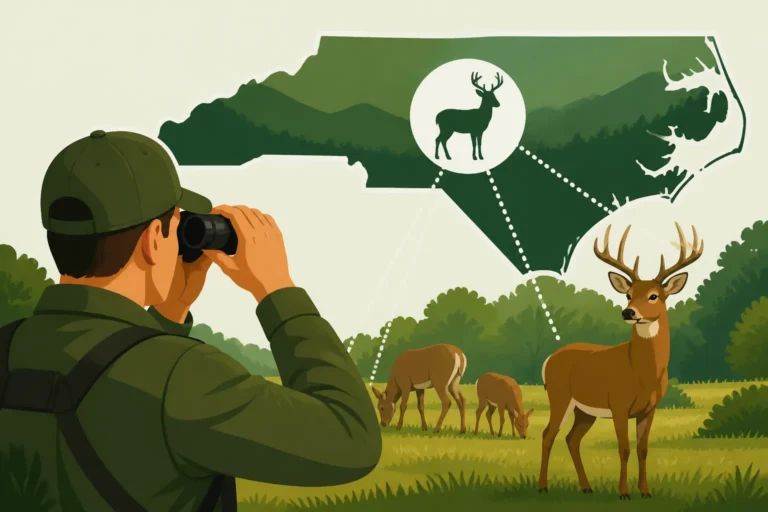
One of the most significant concerns for deer hunters in North Carolina is the impact of coyotes on fawn survival. Research, both statewide and in other southeastern states, consistently shows that coyotes are a primary predator of white-tailed deer fawns. During the critical fawning season, typically late spring and early summer in North Carolina, newborn fawns are highly vulnerable. They lack the speed and agility to escape predators and rely heavily on camouflage and stillness for defense. Coyotes, with their keen senses and cooperative hunting tactics, are highly efficient at finding these hidden fawns. While adult deer are generally too large and fast for coyotes to consistently take down, the loss of a significant portion of the fawn crop can lead to declining deer numbers in localized areas or slow population growth. This is a particular concern in areas where deer populations are already stressed or in recovery. Hunters who regularly monitor their local deer herd via trail cameras or firsthand observation might notice a trend of fewer fawns making it to maturity, a phenomenon often attributed to heightened predator pressure. Understanding the specific impacts on local deer herds requires a nuanced approach, looking at factors like habitat quality, doe health, and other stressors alongside coyote presence. If you're keen to understand the health of your local deer herd, resources like "North Carolina Deer Fawn Survival Rates" can provide valuable context.
Pressure on Small Game and Upland Birds
It's not just deer that feel the pinch from a robust coyote population. Small game, such as rabbits and squirrels, as well as ground-nesting upland birds like wild turkeys and quail, are also part of the coyote's varied diet. Coyote predation can contribute to localized declines in these populations, especially when combined with habitat loss or other environmental pressures. For instance, turkey poults and quail chicks are particularly vulnerable to coyotes, as are their nests. While coyotes aren't the sole reason for declines in species like bobwhite quail, they add another layer of challenge for conservation efforts aiming to restore these native populations. Hunters pursuing Squirrel and Small Game Hunting in North Carolina or Spring Turkey Hunting in North Carolina might find that areas with high coyote activity seem less productive, requiring them to adapt their strategies or focus their efforts elsewhere. The generalist nature of coyotes means they will exploit whatever prey is most abundant and easiest to catch, and in many North Carolina habitats, this includes a wide array of small game species.
Interactions with Livestock and Domestic Animals
Beyond the wild, coyotes can also pose problems for North Carolina's agricultural communities and pet owners. Farmers, especially those raising sheep, goats, or poultry, often face the difficult reality of livestock depredation by coyotes. These incidents can cause significant economic losses and emotional distress. It's a tough situation because while coyotes are just following their instincts, a farmer's livelihood is on the line. Similarly, pet owners, particularly those in rural or semi-rural areas, need to be vigilant. Small dogs and cats can become targets for opportunistic coyotes, especially if left unattended outdoors, particularly at night. Reports of North Carolina Coyote Attacks on Livestock highlight the very real challenges faced by many in our state. Protecting domestic animals often involves proactive measures like secure fencing, keeping pets indoors at night, and sometimes, the use of deterrents or guard animals. The problem is complex, requiring both wildlife management and responsible pet ownership to mitigate these conflicts.
Other Key Predators in North Carolina
While coyotes grab a lot of the headlines these days, North Carolina is home to a diverse array of other predators that play their own crucial roles in the ecosystem. Understanding these species helps paint a complete picture of predator-prey dynamics.
The Resurgence of Bobcats
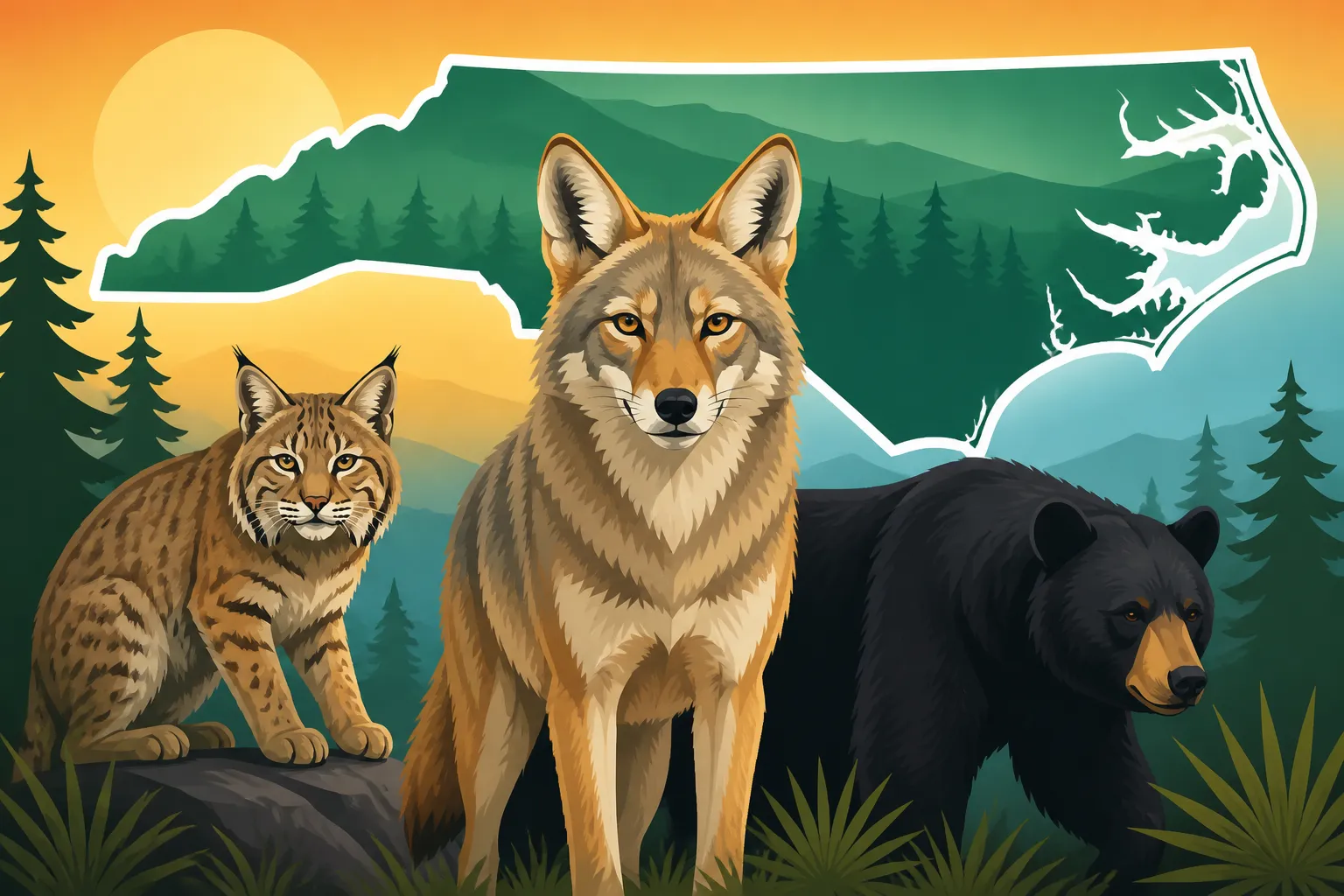
Once heavily trapped for their fur, the bobcat (Lynx rufus) has made a remarkable comeback across North Carolina. These elusive, medium-sized felines are beautiful and incredibly effective hunters. Unlike coyotes, bobcats are solitary and primarily hunt smaller prey like rabbits, squirrels, and various rodents. They are also known to take ground-nesting birds and, occasionally, deer fawns if the opportunity arises. Their comeback is a testament to conservation efforts and their ability to adapt to diverse habitats, from the dense mountain forests to coastal swamps. You might not see them often, but their tracks and sign are regularly found throughout the state. Their population recovery is a great North Carolina conservation success story, illustrating how robust wildlife management can lead to the resurgence of native species. If you're interested in their journey, searching for North Carolina's Recovering Bobcat Population can offer more insights.
Foxes: Red and Gray
North Carolina is home to two species of foxes: the red fox (Vulpes vulpes) and the gray fox (Urocyon cinereoargenteus). Both are opportunistic predators that primarily feed on small mammals, birds, insects, and fruits. Red foxes are typically associated with open country and farmland edges, often with that iconic bushy white-tipped tail. Gray foxes, on the other hand, are more at home in dense woodlands and can even climb trees, which is a neat trick for a canine! Both species face competition from coyotes, and in some areas, coyote presence can suppress fox populations. They play an important role in controlling rodent populations, which benefits agricultural areas. While they aren't generally considered a major threat to deer herds, they certainly contribute to the overall predator pressure on small game and ground-nesting birds.
Black Bears and Their Role as Opportunistic Predators
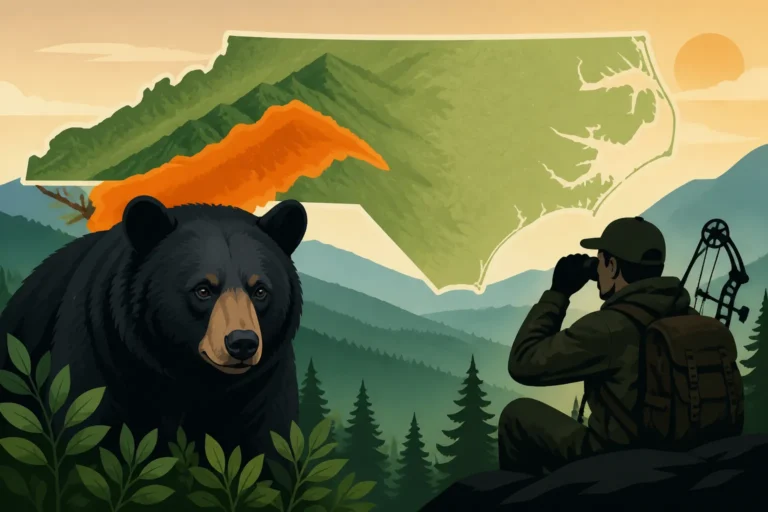
North Carolina boasts a thriving black bear population, especially in the mountains and on the coastal plain. While black bears (Ursus americanus) are largely omnivorous, with diets consisting primarily of berries, nuts, insects, and vegetation, they are also opportunistic predators. They're particularly known for preying on deer fawns in the spring and occasionally scavenging on adult deer carcasses. In some areas, bears can exert significant pressure on fawn populations. They also target turkey nests and poults. However, unlike coyotes, which are primarily meat-eaters, bears are not specialized predators of deer. Their impact on deer populations is often localized and dependent on the availability of other food sources. If you're interested in learning more about these majestic animals, North Carolina's Black Bear Population provides an excellent overview of their numbers and range.
The Complex History of Red Wolves
The red wolf (Canis rufus) holds a unique and often challenging place in North Carolina's predator landscape. Historically, red wolves were the apex canine predator in the southeastern United States, including much of North Carolina. However, due to extensive hunting and habitat loss, they were driven to near extinction by the mid-20th century. A critically endangered species, the red wolf recovery program in eastern North Carolina has faced numerous hurdles. Unlike coyotes, red wolves are larger and typically hunt deer and other medium-sized prey. The challenge of the recovery program has been managing the interbreeding between red wolves and coyotes, which dilutes the red wolf's genetic distinctiveness. For a deeper dive into their story, you can explore resources like Red Wolf History in Eastern North Carolina. Their presence, though limited, represents a powerful aspiration for restoring native apex predators to our state.
North Carolina's Predator Management Strategies
Managing predator populations, especially those as adaptable as coyotes, is a complex endeavor that requires a multi-faceted approach. It's not just about one method but a combination of strategies aimed at balancing ecological health with human interests.
Hunting and Trapping Regulations for Coyotes
In North Carolina, coyotes are classified as a nuisance species and can be hunted year-round on private lands with no bag limits. This liberal regulation reflects the state's stance on managing their growing population. On public lands, hunting is generally permitted during daylight hours throughout established hunting seasons, though specific regulations can vary by game land or national forest. Trapping is also allowed with the appropriate permits and following specific regulations, often requiring specialized knowledge and equipment. The North Carolina Wildlife Resources Commission (NCWRC) encourages hunters and trappers to take coyotes to help reduce their numbers, especially where they are impacting game populations or livestock. For hunters, knowing the rules is paramount, whether you're targeting coyotes during the day or exploring Night Hunting Rules for North Carolina Coyotes on private land where it's often permitted with lights. Tools like GoHunt can be invaluable for understanding local regulations and identifying hunting zones, ensuring you're always hunting legally and responsibly.
Encouraging Private Landowner Involvement
Given that much of North Carolina is privately owned, the involvement of landowners is absolutely critical for effective predator management. The NCWRC actively encourages landowners to manage coyote populations on their properties, recognizing their right to protect livestock and game species. This can involve allowing hunters and trappers access, implementing habitat management practices that benefit prey species, or even participating in organized control efforts. The year-round open season on private land for coyotes provides significant flexibility for landowners. Engaging with local wildlife enforcement officers or county extension agents can provide landowners with valuable resources and advice on best practices for managing predators on their specific properties. This collaboration between state agencies and private citizens forms the backbone of successful, localized predator control.
Research and Monitoring Efforts by NCWRC
The North Carolina Wildlife Resources Commission (NCWRC) doesn't just set regulations; they are actively engaged in ongoing research and monitoring of predator populations across the state. This includes studies on coyote diets, movements, reproductive rates, and their specific impact on deer fawn survival. These scientific efforts are crucial for understanding the dynamic relationship between predators and prey. For example, by tracking deer fawns with GPS collars in certain study areas, biologists can precisely determine causes of mortality, including predation. The data collected from these studies helps inform management decisions, such as adjustments to hunting seasons or recommendations for landowners. This commitment to data-driven management ensures that strategies are based on the most current scientific understanding of North Carolina's ecosystems. Understanding what the NCWRC is learning can provide hunters with valuable insights into their local hunting areas and the health of the game species they pursue.
Effective Predator Hunting and Trapping Techniques
For those committed to active predator management, especially for coyotes, understanding the most effective techniques is key. It's an engaging pursuit that demands skill, patience, and a deep understanding of animal behavior.
Calling Strategies for Coyotes in Different Habitats
Coyote calling can be an incredibly effective method, but it's not a one-size-fits-all approach. The key is understanding what sounds will pique a coyote's interest in a particular situation. Prey distress calls, mimicking a wounded rabbit or a dying fawn, are often the go-to. These calls tap into a coyote's natural hunting instinct, drawing them in close. Electronic calls offer a wide variety of sounds, from individual howls to full pack vocalizations, allowing hunters to adapt to different scenarios. Hand calls, though requiring more skill, give the hunter more control over tone and volume.
In open farmland or pine plantations, long-range howls can alert distant coyotes to your presence, inviting them to investigate. Here, a strategy might involve setting up with a clear line of sight, doing a series of howls, and then switching to a distress call after a period of silence. In dense hardwoods, like those found in much of the Piedmont, shorter, more subtle distress calls might be more effective, as coyotes can sneak in unnoticed through thick cover. Hunters often use GoHunt's mapping features to identify prime calling locations, focusing on areas where clear-cuts meet mature timber, or along natural travel corridors. The time of day also matters; early morning and late evening are often prime times when coyotes are most active. For specific tactics, consider researching Coyote Calling in North Carolina Farm Country or Predator Calling North Carolina Pine Plantations for tailored advice.
Trapping Methods and Best Practices
Trapping offers a more consistent and often more effective method for reducing coyote numbers, especially in targeted areas experiencing significant depredation. However, trapping requires specialized knowledge, adherence to regulations, and a commitment to animal welfare. Foothold traps, commonly used for coyotes, must be set correctly and checked regularly to minimize stress on the captured animal. Snares are another option, particularly effective in areas with known travel routes, but they also demand careful placement to ensure humane capture and avoid non-target species.
Proper trap placement is crucial. Coyotes often follow established game trails, fencelines, and logging roads. Understanding their movement patterns is essential, and careful scouting, often using tools like GoHunt to analyze aerial photos and topo maps, can reveal prime locations. Camouflage and scent control are paramount, as coyotes have an incredibly keen sense of smell. Trappers often use urine or gland lures to attract coyotes to their sets. Learning responsible trapping practices, including target identification and quick, humane dispatch, is a must for anyone considering this method. Many community colleges and private organizations offer trapping workshops that provide hands-on training for aspiring trappers in North Carolina.
Night Hunting and Equipment Considerations
North Carolina allows night hunting for coyotes on private lands, providing an additional and often highly effective avenue for predator control. This is where specialized equipment truly shines. Thermal imaging and night vision devices have revolutionized night hunting, allowing hunters to detect coyotes in complete darkness. A good thermal monocular for scanning and a thermal or night vision scope mounted on your rifle are common setups. While expensive, these tools offer a significant advantage, particularly in open fields or clear-cuts where coyotes might approach cautiously from a distance.
Powerful predator lights, often red or green to minimize spooking the animals, are another option for those without thermal gear. These lights can be mounted on rifles or used as scanning lights. Electronic calls are almost indispensable for night hunting, as they allow you to project sounds over long distances and can be operated remotely. Remember to always confirm local regulations, as rules regarding lights and electronic calls can vary. Accuracy is paramount at night, so a stable shooting platform, whether a bipod, tripod, or shooting sticks, is essential. When hunting at night, safety with firearms is even more critical; always be absolutely certain of your target and what lies beyond it.
Coexisting with Predators and Protecting Resources
While management and hunting are important, the long-term reality is that coyotes and other predators are here to stay in North Carolina. Learning to coexist, and taking proactive steps to protect your interests, is just as crucial.
Protecting Livestock and Pets
For landowners and pet owners, preventing conflicts with predators, especially coyotes, is about smart, proactive measures. The most effective strategy for livestock protection is often exclusion. Sturdy, woven wire fences, sometimes with electric strands, can deter coyotes. Burying the bottom of the fence or using a "flapper" wire laid flat on the ground can prevent digging under. Nighttime confinement of vulnerable animals, like sheep, goats, or poultry, into secure barns or pens is also highly recommended. The use of livestock guardian animals, such as certain breeds of dogs (e.g., Great Pyrenees, Anatolian Shepherds) or even llamas and donkeys, can also be very effective. These animals bond with the livestock and actively defend them against predators.
For pets, the advice is simpler: keep them supervised or leashed when outdoors, especially in areas with known coyote activity. Bringing pets indoors at night is a non-negotiable step. Pet food and water left outside can also attract coyotes, so secure these items. If you live in an area where coyotes are common, ensuring your yard is well-lit and free of dense brush where predators can hide can also help. These common-sense precautions go a long way in preventing tragic encounters.
Habitat Management to Mitigate Predation
Habitat plays a huge role in both predator and prey populations. While you can't eliminate coyotes, you can manage your land in ways that reduce vulnerability for prey species. For instance, creating dense cover, such as thickets or brush piles, provides fawns and small game with places to hide from predators. When managing forests, creating a diverse understory can offer critical refuge. Food plots can attract deer, but their placement matters; ensure they are near secure cover.
Conversely, reducing dense, overgrown areas that provide ideal denning or stalking cover for coyotes near areas where fawns are born or where small game congregates can also be beneficial. It's a delicate balance: you want enough cover for prey to hide, but not so much that it gives predators an unfair advantage. Consulting with an NCWRC biologist or private land consultant can help you develop a habitat management plan tailored to your property and specific wildlife goals. Thinking about how the deer use your land, and how coyotes might exploit that, can inform your decisions. For example, understanding North Carolina Deer Antler Growth Timeline and fawning periods helps identify when deer are most vulnerable and when habitat considerations are most critical.
Reporting Sightings and Understanding Local Issues
One of the best ways to contribute to effective predator management is by being an informed and engaged citizen. If you have significant issues with coyotes, such as repeated livestock depredation or aggressive behavior, contacting your local NCWRC District Biologist or Wildlife Enforcement Officer is a good first step. They can offer advice, assess the situation, and sometimes connect you with local trappers or resources. Reporting unusual or concerning predator sightings, especially those that indicate habituation to humans or direct threats to pets, helps the NCWRC monitor population trends and problem areas.
Staying informed about wildlife news in your area is also beneficial. Organizations like the NC Wildlife Federation often share updates and educational materials. By understanding that North Carolina's Chronic Wasting Disease Areas might also influence deer populations, or that North Carolina's Four Gun Deer Zones have different deer densities, you can better contextualize the role predators play. Accessing mapping tools like GoHunt, which integrate various land-use layers and wildlife data, can further enhance your understanding of local wildlife distribution and potential conflict zones. Being part of the solution, whether through active management or informed observation, helps create a healthier ecosystem for everyone.
Predator Management Resources in North Carolina
| Predator Species | Primary Concern | Common Management Strategies | NCWRC Status |
|---|---|---|---|
| Coyote | Fawn predation, small game impact, livestock/pet depredation | Year-round hunting (private land), trapping, calling | Nuisance species, no bag limit |
| Bobcat | Minor small game predation | Regulated hunting & trapping seasons, furbearer | Game species, regulated harvest |
| Red Fox | Small game predation, poultry depredation | Regulated hunting & trapping seasons | Game species, regulated harvest |
| Gray Fox | Small game predation, poultry depredation | Regulated hunting & trapping seasons | Game species, regulated harvest |
| Black Bear | Fawn predation (opportunistic), crop damage | Regulated hunting seasons, habitat management | Game species, regulated harvest |
| Red Wolf | None (critically endangered) | Federal recovery program, conservation | Endangered, protected |
Disclaimer
The information provided in this guide is for general informational purposes only and does not constitute legal advice. Hunting and trapping regulations in North Carolina are subject to change. Always consult the most current North Carolina Inland Fishing, Hunting, and Trapping Regulations Digest published by the North Carolina Wildlife Resources Commission (NCWRC) or their official website before engaging in any hunting or trapping activities. Always prioritize safety and ethical practices in the field.