Why Croatan Draws Coastal Bear Hunters
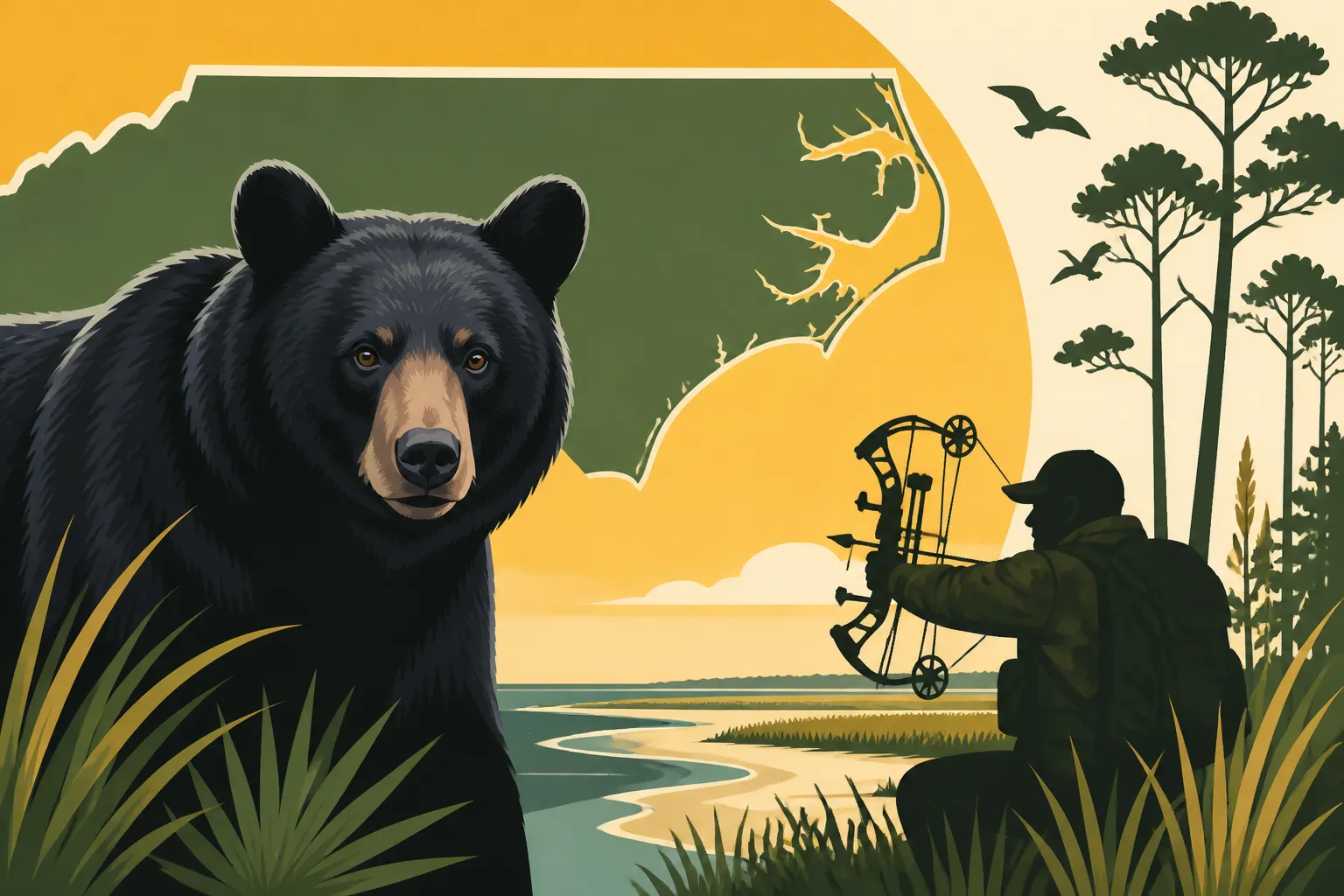
Hunting black bear in North Carolina’s sprawling coastal plain presents a unique set of challenges and rewards, and few places embody this quite like Croatan National Forest. If you've ever felt utterly lost in a sea of dense, head-high vegetation, wondering how any animal, let alone a massive bear, navigates such a labyrinth, you’re not alone. This guide is dedicated to unraveling the mystery of what makes Croatan National Forest a prime destination for coastal bear hunters, offering insights into its unique habitat and the specialized tactics required to find success in its formidable terrain.
The Unique Habitat of Croatan National Forest for Bears
Croatan National Forest, nestled along North Carolina’s central coast, is a truly wild and often unforgiving landscape. What makes it a magnet for black bears, and consequently for hunters seeking them, is its unparalleled mix of dense pocosins, vast bay swamps, and intermittent pine and hardwood uplands. It’s a mosaic of habitats that provides everything a bear could ever need, and therein lies both its allure and its challenge.
Pocosins and Bay Swamps: Bear Havens
When you step into a pocosin in Croatan, you're not just walking through woods; you're entering a world defined by water-logged soils and an almost impenetrable tangle of evergreen shrubs like gallberry, titi, and bay. These aren't just thickets; they are genuine fortresses. Bears thrive in these environments because they offer unparalleled security cover. A bear can disappear into a pocosin and effectively vanish, making it incredibly difficult for hunters to track or even spot them. This dense vegetation also provides a year-round larder, with various berries, insects, and small critters contributing to their diet. The thermal protection offered by the thick canopy and moist ground is also a huge draw, allowing bears to stay cool in the brutal summer heat and find refuge in colder months. It’s no wonder we see some of the largest bears in the East emerge from these coastal haunts, a testament to the rich, protected environment they call home. Where Coastal Pocosin Bears Range is a great resource to understand this further.
Bay swamps, often bordering or intermingled with pocosins, share many of these characteristics but tend to have larger, water-tolerant trees like cypress and various gum species, creating even more overhead cover. These areas are often flooded, making access challenging for humans but perfectly navigable for bears. The combination of dense undergrowth and standing water creates ideal denning sites and travel corridors where bears can move with relative impunity from human disturbance. Hunters often describe these areas as feeling ancient, and indeed, they are ecological strongholds for North Carolina's robust North Carolina's Black Bear Population.
Hardwood Bottoms and Mast Production
While the pocosins provide the ultimate sanctuary, bears can't live on berries and bugs alone, especially as they bulk up for winter. This is where Croatan's hardwood bottoms become critical. Interspersed within the forest's vast expanse, particularly along creeks and drainages, you'll find areas of more mature hardwoods – oaks, hickories, and other mast-producing trees. These "hardwood islands" or fingers within the pine and pocosin landscape are absolute magnets for bears when the acorns drop in the fall. A bear might spend its days bedding deep in a pocosin, only to emerge at dusk to gorge on a feast of hard mast.
For a hunter, identifying these mast-producing areas and understanding when the acorns are dropping can be a game-changer. Bear scat full of acorn husks is a sure sign you're in a feeding zone. These hardwood areas also tend to have more open understories compared to the pocosins, making them more amenable to still-hunting or setting up a stand. Bears will also use these areas as travel corridors, moving from bedding to feeding sites, often leaving clear trails that can be identified with diligent scouting.
Water Sources and Travel Corridors
The entire Croatan ecosystem is deeply intertwined with water. Numerous creeks, streams, canals, and boggy depressions crisscross the landscape. For bears, these aren't just sources of hydration; they are highways and boundaries. Bears will frequently follow creek beds, use canals as easy travel routes, and stick to higher ground adjacent to flooded areas. These water features create natural funnels, dictating where bears are most likely to move.
For hunters, learning to "read" these water features is paramount. A narrow strip of dry land between two flooded areas, or a firm crossing point on a wide creek, can be a high-traffic zone for a bear. Aerial maps, especially those found on apps like onX Hunt, become incredibly valuable here, allowing you to trace these waterways and identify potential pinch points from the comfort of your home. Understanding how water levels fluctuate can also inform your hunting strategy; a temporary drop in water might open up new travel routes, or a rise could force bears onto higher ground. Paying attention to these subtle changes in the landscape is key to understanding bear movement in the Croatan.
Hunting Strategies Tailored for Croatan's Terrain
Hunting in Croatan National Forest demands a different approach than hunting deer in a piedmont woodlot or even bears in the mountains. The sheer density of the cover and the damp, often unforgiving terrain require specific tactics to stand a chance at encountering one of these formidable coastal bears.
Still-Hunting the Edges and Transitions
Trying to still-hunt through a pocosin is often an exercise in futility and frustration. The noise you'll make busting through the thick brush, combined with the difficulty of seeing more than a few yards, stacks the odds heavily against you. Instead, experienced Croatan bear hunters often focus their efforts on the edges and transition zones. Think about where the dense pocosin meets a more open pine stand, where a hardwood bottom borders a swamp, or along the edges of clear-cuts and planted pines. These are the "seams" in the habitat where bears move between the safety of the thick cover and their feeding areas.
Still-hunting in these zones requires extreme patience and slow, deliberate movement. Take a few steps, then stop and glass every shadow, every cluster of palmetto fronds. Listen intently for the subtle sounds of movement that a heavy bear makes. The wind is always your paramount concern; bears have an incredible sense of smell, and a shifting wind can ruin a hunt instantly. Work slowly into the wind, paying close attention to fresh tracks or scat at these junctions. It's often about catching a bear just as it's leaving or entering its daytime hideout. For more specific tactics on this, check out Hunting Coastal Bears in Thick Pocosin Cover.
Stand Hunting Over Food Sources and Funnels
Setting up a treestand or ground blind can be an incredibly effective strategy in Croatan, especially if you've done your homework and found an active area. The key is identifying primary food sources, like active acorn drops or persistent berry bushes, or natural funnels that bears are consistently using. Look for concentrations of fresh bear sign: large tracks in soft ground, shredded logs where bears have dug for insects, or broken branches where they've fed on mast.
Ideal stand locations might be overlooking a productive oak flat adjacent to a bay swamp, a narrow strip of dry land between two extensive pocosin blocks, or an intersection of well-used logging roads that bears use for travel. Given the dense cover, shots are often close, so make sure your setup provides clear lanes. Ground blinds can be particularly effective in areas where tall shrubs or palmetto offer natural concealment, allowing you to blend in without the need for a towering treestand. Remember to consider your entry and exit routes to avoid disturbing the area before and after your hunt. Finding a distinct travel corridor, perhaps a slightly elevated path through an otherwise boggy area, is a perfect place to hang a stand; this is very similar to Hunting a Funnel Between Two Pocosins for deer.
Bear Hunting with Hounds Where Permitted
For many hunters in North Carolina's coastal plain, especially in and around Croatan, hunting bears with hounds is a time-honored tradition and a highly effective method. This approach leverages the incredible tracking abilities of trained dogs to root bears out of the seemingly impenetrable pocosins and bay swamps where other methods falter. When a bear is "jumped" by the hounds, it will typically try to escape by running through the dense cover or, if pressed, may tree. Hunters then work to locate the treed bear or intercept it as it moves.
This method requires significant teamwork, specialized gear for the dogs (like GPS collars), and a deep understanding of local regulations regarding hound hunting. It's a physically demanding hunt, often involving long treks through challenging terrain to catch up with the dogs and the bear. While not for every hunter, it's a vital part of the bear hunting culture in this region and demonstrably successful in a landscape built for evasion. If you’re considering this, understanding Running Hounds Where North Carolina Allows It is crucial, as rules and acceptable areas can vary.
Navigating Croatan: Tools and Techniques for Success
Croatan National Forest, with its vastness and often monotonous terrain, can be disorienting. A hunter could easily walk in circles without proper navigation tools. Success here isn't just about knowing bear habits; it's about mastering the landscape itself.
The Indispensable Role of Mapping Apps
Forget compasses and paper maps as your sole navigation tools – while important backups, modern hunting apps are absolutely essential in Croatan. The frustration of trying to discern subtle elevation changes or property lines in a seemingly endless sea of palmettos is real. Apps like onX Hunt are game-changers. They allow you to pinpoint your exact location in real-time, identify property boundaries (crucial for staying legal on the forest's perimeter or adjacent private lands), and navigate complex networks of logging roads and trails, many of which are unmarked or overgrown.
Before you even leave home, you can use these apps to scout potential areas. Look at aerial imagery to identify subtle habitat changes – a patch of hardwoods in a sea of pines, a break in the pocosin, or a slight elevation rise. Mark potential access points, likely stand locations, and escape routes. Critically, always download offline maps before you head out, as cell service is often nonexistent deep within the forest. Relying solely on a signal is a recipe for getting lost. These apps also help you track your movement, allowing you to see exactly where you've been and where you need to go, making backtracking a breeze.
Scouting Strategies for Coastal Bear
Scouting for bears in Croatan is an ongoing, year-round endeavor. Unlike deer, which might leave more obvious rub lines or scrape lines, bear sign in dense coastal cover can be subtle. During the spring and summer, look for broken vegetation and scat indicating bears feeding on berries like blueberries and blackberries. In the fall, focus on those hardwood bottoms for acorn sign. Tracks in muddy creek bottoms, along forest roads, or at canal crossings are prime indicators of bear activity.
Pay close attention to changes in water levels; a receding flood might expose new feeding areas or open up previously inaccessible travel routes. While you might not find "trails" in the conventional sense, bears do create discernible paths, often wider and more beaten down than deer trails, especially in slightly less dense areas. Use your mapping app to mark any fresh sign you find, helping you build a picture of bear movement over time. Apps like GoHunt, while often geared towards Western big game, offer robust data analysis features that, in certain applications, could help you analyze broad habitat trends or even historical weather patterns that might influence food availability, indirectly aiding your scouting efforts for a specific year's conditions. For more on how to approach scouting the area, check out Scouting North Carolina Public Land Before Season.
Access Points and Public Land Considerations
Access into Croatan National Forest is primarily via a network of forest service roads, many of which are unpaved and can be rough, especially after rain. Some roads are gated seasonally or permanently, so it's essential to consult the NC Wildlife Resources Commission's Game Lands maps and regulations for current access information. A vehicle capable of handling rough terrain is often a good idea. Remember that while much of Croatan is public land, there are also private inholdings and adjacent private tracts, so respecting boundaries is critical.
Understanding the specific rules for Croatan National Forest Hunting and broader North Carolina Game Lands regulations is non-negotiable. These rules cover everything from vehicle use and camping to stand placement and baiting restrictions. Always carry a physical map as a backup, even if you’re using a sophisticated app. It’s also wise to let someone know your hunting plan, including your intended access point and expected return time, especially when venturing deep into the more remote sections of the forest. The vastness and uniformity of the terrain mean it's easy to become disoriented, even for experienced woodsmen.
Key Considerations for a Croatan Bear Hunt
Beyond tactics and navigation, a successful and safe bear hunt in Croatan requires attention to physical preparedness, adherence to regulations, and a deep respect for the environment.
Physical Demands and Gear
Hunting in Croatan is not for the faint of heart or the unprepared. The coastal environment means you’ll often contend with high heat and humidity, even into the fall, coupled with an abundance of biting insects like mosquitoes, deer flies, and ticks. Be prepared for wet conditions, as the ground is frequently boggy or flooded, and pop-up thunderstorms are common. This combination demands specific gear.
Your clothing should be lightweight, breathable, and quick-drying, preferably in layers. Waterproof boots are absolutely non-negotiable; choose options like rubber boots that can handle deep mud and standing water, similar to advice in Boots for North Carolina Swamps and Ridges. Insect repellent is your best friend. Always carry plenty of water, high-energy snacks, a reliable headlamp for early morning entries or late exits, and a comprehensive first-aid kit. A sturdy game cart or deer drag might be useless in the thickest swamps, so consider what you'll do to retrieve a downed bear, as it could be an immense physical challenge.
Regulations and Reporting
North Carolina has specific, often complex, regulations for bear hunting, and Croatan National Forest falls within a designated bear management zone. It is your responsibility to know and follow all current rules. This includes season dates, bag limits, and specific weapon restrictions for the area you are hunting. Bear season dates can vary, and there are often different rules for still-hunting versus hunting with hounds.
Critically, all harvested bears in North Carolina must be reported to the NC Wildlife Resources Commission. This typically involves using the agency's online system or mobile app, or checking the bear at a designated checking station. Pay close attention to these North Carolina Bear Checking Requirements, as proper reporting is vital for wildlife management. Ignoring these rules can lead to significant penalties.
Respecting the Environment and Other Users
Croatan National Forest is a multi-use area. While you may be focused on your hunt, remember that hikers, campers, kayakers, and other outdoor enthusiasts also use and enjoy the forest. Be courteous and mindful of their presence. Practice Leave No Trace principles: pack out everything you pack in, and leave no trash or sign of your presence.
Ethical hunting also means prioritizing clean, humane kills. Shot placement on a bear is critical, aiming for the vitals to ensure a quick and ethical harvest. Familiarize yourself with bear anatomy and understand the power of your chosen firearm or bow. Shot Placement on a North Carolina Black Bear offers crucial guidance here. Remember that as hunters, we are ambassadors for our sport, and our actions reflect on the entire hunting community. Preserve the wild character of Croatan for future generations.
| Habitat Feature | Bear Attraction | Hunting Implications |
|---|---|---|
| Pocosins/Bay Swamps | Dense cover, year-round food, thermal protection | Excellent bedding, difficult to penetrate, focus on edges, hound hunting effective |
| Hardwood Bottoms | Abundant mast (acorns), critical fall food source | Prime feeding areas, good for stand hunting, easier to still-hunt |
| Creeks/Canals | Water source, travel corridors, natural funnels | Predictable bear movement, key scouting points, use for stand placement |
| Pine Stands | Transition zones, some food (pine nuts, roots) | Often used for travel between denser cover and food, good for still-hunting |
| Clear-Cuts | New growth offers browse, open edges for sun/cover | Attracts bears for feeding and travel along edges, good visibility in spots |
Disclaimer
This article is for general informational purposes only and does not constitute professional advice. Laws, prices and regulations vary by location and change over time. Consult a qualified professional for guidance on your specific situation.