North Carolina Wildlife Cooperator Land Access
It’s a familiar frustration for many North Carolina hunters: you’re tired of the crowded Game Lands, but finding private land access feels like an impossible dream. Between limited opportunities and rising lease costs, it can feel like you’re stuck. Thankfully, North Carolina offers an incredible, often underutilized, resource: Wildlife Cooperator Lands. This guide is all about demystifying these unique hunting areas, helping you understand how they work, how to find them, and how to successfully hunt them, opening up a whole new world of public hunting possibilities.
What Are Wildlife Cooperator Lands?
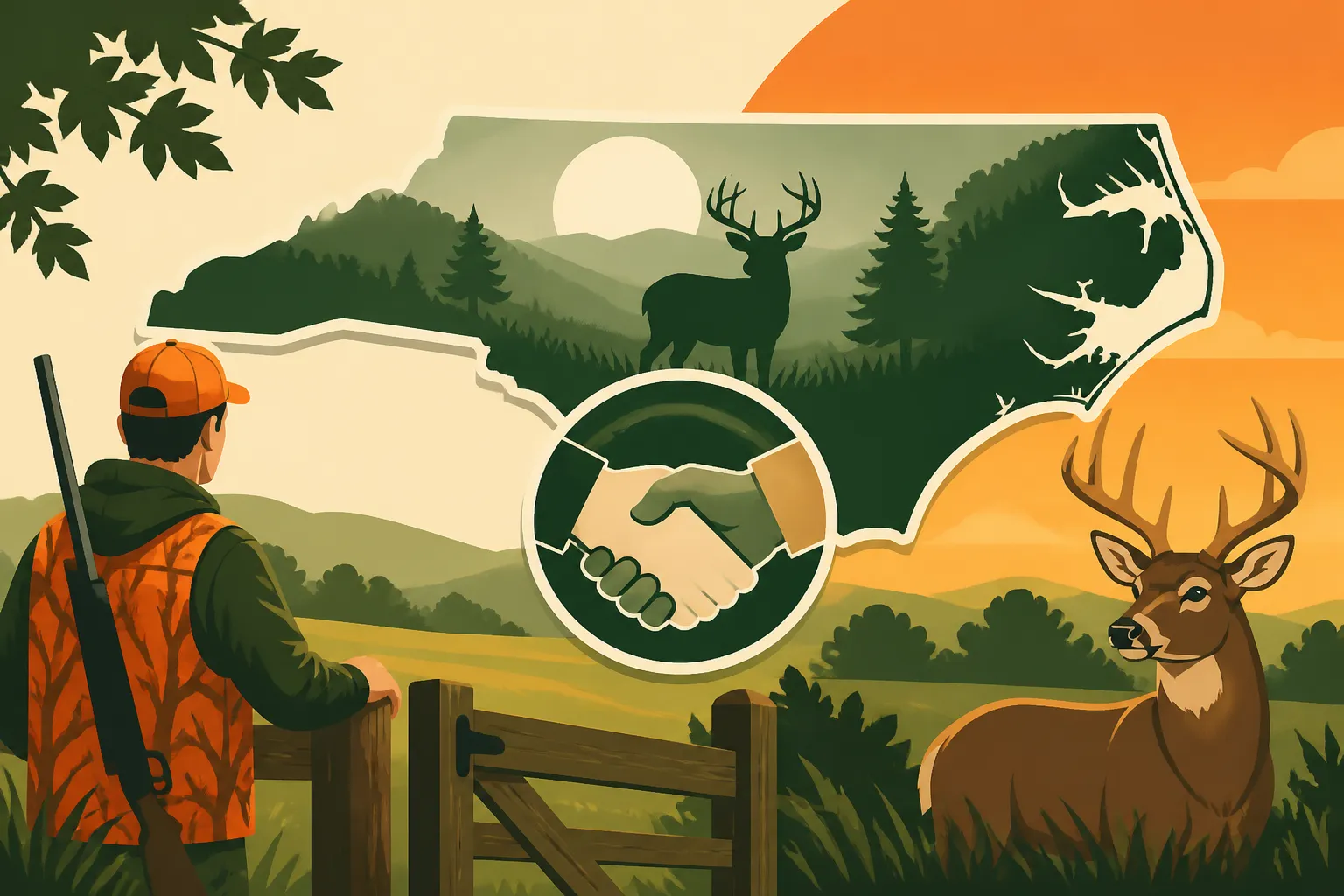
Imagine private landowners, with vast timber tracts, sprawling farms, or even industrial properties, who understand the value of wildlife and the importance of public hunting access. That’s the heart of North Carolina’s Wildlife Cooperator Land program. These aren’t traditional Game Lands managed solely by the state; they’re a testament to collaboration, bringing together private citizens and the North Carolina Wildlife Resources Commission (NCWRC) for the benefit of all.
The Partnership Between Landowners and NCWRC
At its core, a Wildlife Cooperator Area is a private property where the landowner has voluntarily entered into an agreement with the NCWRC. It's a fantastic example of a win-win scenario. For the private landowner, this partnership can offer several advantages, such as assistance with wildlife management plans, habitat improvements, and sometimes even a degree of liability protection or tax incentives for opening their property. It's often driven by a genuine desire to contribute to conservation and allow others to enjoy North Carolina's hunting heritage.
The NCWRC, in turn, helps manage these areas, providing signage, enforcing regulations, and sometimes even conducting biological surveys. This partnership means that hunters get access to lands that would otherwise be entirely off-limits, without the burden of private leasing or club memberships. It's a unique arrangement that requires trust and mutual respect, with the goal of fostering healthy wildlife populations and providing additional hunting opportunities.
Benefits for Wildlife and Hunters
The advantages of these cooperator lands extend far beyond just providing a place to hunt. For wildlife, these areas often create larger, more contiguous blocks of habitat. Instead of being isolated on small, fragmented parcels, animals can move more freely between these private tracts and, sometimes, adjacent public lands. This promotes healthier genetics, reduces population bottlenecks, and allows for more effective wildlife management strategies, such as controlled burns or specific planting regimes. It's a crucial piece of the puzzle for maintaining robust deer, turkey, and other game populations across the state.
For hunters, the benefits are immediate and tangible. It significantly expands the amount of accessible ground beyond the well-known, often heavily pressured, traditional Game Lands. This diversification of hunting areas means you might find less competition, especially if you're willing to do your homework and explore. These tracts can be incredibly diverse, ranging from classic Piedmont farmland edges to deep coastal pocosins or even mountain foothills, offering a wide array of hunting experiences that cater to different species and styles. Whether you're chasing White-Tailed Deer Across North Carolina or looking for a spot to call a spring gobbler, cooperator lands can offer a fresh perspective.
Finding and Accessing Cooperator Lands
One of the biggest hurdles for hunters, especially those new to the concept, is simply knowing where these cooperator lands are and how to legally access them. It's not as straightforward as pulling up a map of a National Forest, but with a bit of effort, you can unlock some fantastic opportunities.
Using Official Resources to Locate Tracts
The primary and most reliable source for locating North Carolina Wildlife Cooperator Lands is the NCWRC's official website. They maintain an interactive map tool that allows hunters to filter by county, game species, and even specific hunting methods. When navigating this tool, look for areas specifically designated as "Wildlife Cooperator Area" or similar terminology. It's a goldmine of information, but it does require you to spend some time digging through it. Each highlighted area typically links to a specific set of rules and a map for that particular tract.
Beyond the NCWRC's own portal, modern mapping applications have become invaluable. Apps like onX Hunt often integrate these public access areas directly into their maps, making it much easier to visualize boundaries, terrain, and potential access points alongside private property lines. This can be a huge time-saver for pre-season scouting from your couch, helping you identify promising areas and understand the lay of the land before you ever set foot on it. While these apps are fantastic, always cross-reference with official NCWRC information for the most up-to-date regulations.
Understanding Specific Tract Rules and Regulations
This is where many hunters trip up, and it's absolutely crucial to pay attention. Unlike blanket regulations that often apply to large Game Lands, each individual Wildlife Cooperator Area can have its own unique set of rules and stipulations. What's allowed on one cooperator tract might be strictly forbidden on another, even if they're in the same county. You might encounter restrictions on permitted weapons (e.g., "archery-only" or "shotgun-only"), specific hunting days (e.g., open only on Tuesdays and Saturdays), or limitations on the species you can pursue.
Some cooperator areas require a free, special permit that you must obtain from the NCWRC beforehand, while others are open to anyone with a valid hunting license. You might find specific sign-in procedures, designated parking areas, or prohibitions on using certain types of stands. The frustration of showing up to a new spot only to find you're not properly equipped or licensed for its specific rules is real. Always download and thoroughly read the individual fact sheet or regulation summary for every single area you plan to hunt. This due diligence ensures you're legal, safe, and respect the landowner's specific wishes, which is paramount for the continuation of these valuable programs.
Common Regulations and Expectations
Hunting on Wildlife Cooperator Lands means adhering to the statewide hunting regulations of North Carolina, but also being acutely aware of the additional, often stricter, rules imposed by the specific cooperative agreement. It’s a bit like visiting someone’s home; you follow the general etiquette, but you also respect their specific house rules.
General Hunting Rules on Cooperator Lands
First and foremost, all hunters must possess a valid North Carolina Hunting Licenses and What They Cost and adhere to all statewide season dates, bag limits, and hunter education requirements. For instance, if you're hunting deer, you must follow the deer season structure for the specific zone the cooperator land falls within, whether it's the mountains, Piedmont, or Coastal Plain. Blaze orange requirements, legal hunting hours, and game reporting rules are all still in effect. North Carolina Hunter Education Requirements are a baseline for all hunters in the state.
However, cooperator lands often layer on additional rules. You might find "still-hunting only" directives, meaning no deer drives are permitted. Some areas may prohibit the use of certain types of firearms, restricting hunters to archery equipment or shotguns with specific ammunition types. It's not uncommon to find areas with limited hunting days per week or even specific windows within the season when they are open to hunters. Keep an eye out for temporary closures, too. These can happen due to timber harvesting operations, farming activities, or even special events hosted by the landowner, so always double-check the NCWRC website before heading out.
Species Available and Season Considerations
While many cooperator lands are popular for deer hunting, they can offer opportunities for a variety of game, depending entirely on the habitat and the landowner's agreement. You might find some excellent tracts for Spring Turkey Hunting in North Carolina or areas that are perfect for Squirrel Hunting North Carolina Bottomland Hardwoods. Other areas, particularly those with fencerows and thickets, can be surprisingly productive for Rabbit Hunting North Carolina Fencerows. Some cooperator agreements might focus on specific species, perhaps to address overpopulation or to promote conservation efforts for particular game.
It's vital to cross-reference the general North Carolina season dates for the species you intend to hunt with the specific access dates and species allowances for the chosen cooperator tract. Don't assume that if turkey season is open statewide, you can hunt turkey on every cooperator land. The fact sheet for each area will specify which species are permitted. This detailed planning prevents disappointment and ensures you're hunting legally and ethically within the framework of that particular agreement.
Respecting Landowner Stipulations
This cannot be stressed enough: the continued existence of North Carolina’s Wildlife Cooperator Land program hinges entirely on hunter behavior. These are private lands, generously opened to the public, and treating them with anything less than utmost respect jeopardizes future access for everyone. This means adhering strictly to all posted rules, even if they seem overly cautious or inconvenient.
Leave absolutely no trace behind – pack out all trash, spent shell casings, and anything else you brought in. Stay on designated trails or access roads, and never drive off-road unless explicitly permitted. Respect all property boundaries, even those adjoining other private land or public areas; mapping apps like GoHunt are great tools, but always be aware of physical signs. Avoid damaging crops, fences, gates, or other infrastructure. If you encounter a closed gate, close it behind you. Park only in designated areas and ensure you're not blocking any private driveways or farm access routes. The golden rule here is simple: act as if you are a personal guest of the landowner, and you'll likely have a much more positive experience and contribute to the longevity of these valuable hunting opportunities.
| Feature | Wildlife Cooperator Lands | Traditional NC Game Lands |
|---|---|---|
| Land Ownership | Private landowners | State or Federally owned |
| Management | NCWRC in cooperation with landowner | Primarily NCWRC or federal agencies |
| Rules & Regulations | Vary greatly by tract; specific rules often apply | More standardized, but can vary by game land |
| Access Requirements | License + sometimes free permit; check specific tract | License + Game Lands permit |
| Hunter Pressure | Can be lower than major game lands; tract-dependent | Often high, especially on popular game lands |
| Habitat Diversity | Highly variable based on private land use | Diverse, often managed for specific wildlife |
| Primary Resource | NCWRC website for specific tract info | NCWRC Game Lands guide & maps |
Challenges and Considerations
While Wildlife Cooperator Lands are a fantastic asset for North Carolina hunters, it's not always a completely frictionless experience. Understanding the potential challenges upfront can help you manage expectations and improve your chances of a successful hunt.
Limited Access and Hunter Pressure
It's true that cooperator lands expand public hunting options, but they aren't an endless frontier. Some tracts might be relatively small, offering only a few acres, or have very limited access points, such as a single parking spot at a distant corner of the property. This can lead to a phenomenon where, even though the land is technically "public access," concentrated efforts on smaller, more accessible parcels can still result in significant Hunting Pressure on North Carolina Public Land. This is especially noticeable during peak times, like the North Carolina Eastern Zone Gun Opener, when hunters flock to any available ground.
You might find yourself walking significant distances from a designated parking area to get away from other hunters, or discovering that a prime piece of habitat requires crossing less desirable terrain. The frustration comes from knowing the land is there, but access might be constrained by topography, neighboring private property, or the specific terms of the cooperator agreement. This means that a little extra effort in scouting and walking can make a huge difference in finding unpressured game.
Variable Quality and Habitat
Another important consideration is that the quality of hunting and habitat can vary wildly from one cooperator tract to another. These lands are primarily private property, meaning their management objectives might not always align perfectly with creating ideal hunting conditions. You might find a tract that was recently clear-cut, making it less attractive for deer for a few years, or a piece of farmland that offers little cover beyond crop fields. Don't expect every cooperator land to be a wildlife paradise.
The habitat can also change year-to-year based on farming rotations, timber operations, or natural succession. A tract that was a turkey hotspot one spring might be less productive the next if the roost trees were harvested. This variability requires hunters to be adaptable and to invest time in current scouting. Some areas might be excellent for Hunting a Clear-Cut Regrowth Edge where new growth is coming in, providing browse and cover. Others might offer prime Hunting Longleaf Pine Savanna for Deer, which requires a completely different approach. The key is to manage expectations and understand that these lands are diverse and dynamic, requiring ongoing assessment.
Maximizing Your Success on Cooperator Lands
Hunting Wildlife Cooperator Lands successfully isn't just about showing up with a license and a rifle; it's about preparation, respect, and a strategic approach. Because these lands operate under unique rules and often see variable pressure, a little extra effort can go a long way toward filling your tag.
Pre-Season Scouting and Research
This is arguably the most critical step for success on any public land, and especially so on cooperator lands. Before the season even begins, immerse yourself in research. Start with the NCWRC's online resources and the specific fact sheets for each tract you're considering. Understand the boundaries, the legal access points, and any specific rules that might impact your hunting strategy. Then, layer in detailed aerial and topographical maps from tools like onX Hunt. These digital maps allow you to identify potential pinch points, dense cover, water sources, and food plots or mast trees. Look for areas that might be difficult for other hunters to access, as these often hold less pressured game.
Once you've done your digital homework, nothing beats boots on the ground. A pre-season scouting trip, even just a few hours spent walking the boundaries and key areas, can reveal fresh deer sign, turkey scratching, or hog wallows. You can identify potential stand locations, understand prevailing winds, and observe game trails. Consider how Wind and Thermals on a Blue Ridge Slope might affect deer movement, or where a natural Hunting a Funnel Between Two Pocosins might concentrate animals. Scouting North Carolina Public Land Before Season is not just a recommendation; it's a non-negotiable step for truly understanding the unique characteristics of each cooperator tract.
Being a Respectful and Responsible Hunter
Your behavior on Wildlife Cooperator Lands isn't just about your personal hunting experience; it directly impacts the future availability of these unique opportunities for everyone. Landowners open their property out of a spirit of generosity, and any negative incident can lead to an agreement being revoked. So, beyond following the letter of the law, embody the spirit of respect and responsibility.
Always park only in designated areas, and ensure your vehicle doesn't block gates, roads, or farm equipment access. Pack out everything you pack in, and then some – if you see trash left by others, consider picking it up. Leave no trace of your presence beyond footsteps. Be mindful of property lines, especially if they border other private land, and avoid disturbing neighboring properties. If you encounter other hunters, be courteous and share the resource. Most importantly, if you witness any violations, such as littering, unauthorized vehicle use, or poaching, report it to the NCWRC. Reporting a Poacher in North Carolina helps protect not just the wildlife but also the integrity and future of these invaluable cooperative agreements. Your actions directly contribute to whether these lands remain open for generations of hunters to come.
Disclaimer
This article is for general informational purposes only and does not constitute professional advice. Laws, prices and regulations vary by location and change over time. Consult a qualified professional for guidance on your specific situation.