How Many Ducks Winter on Currituck Sound
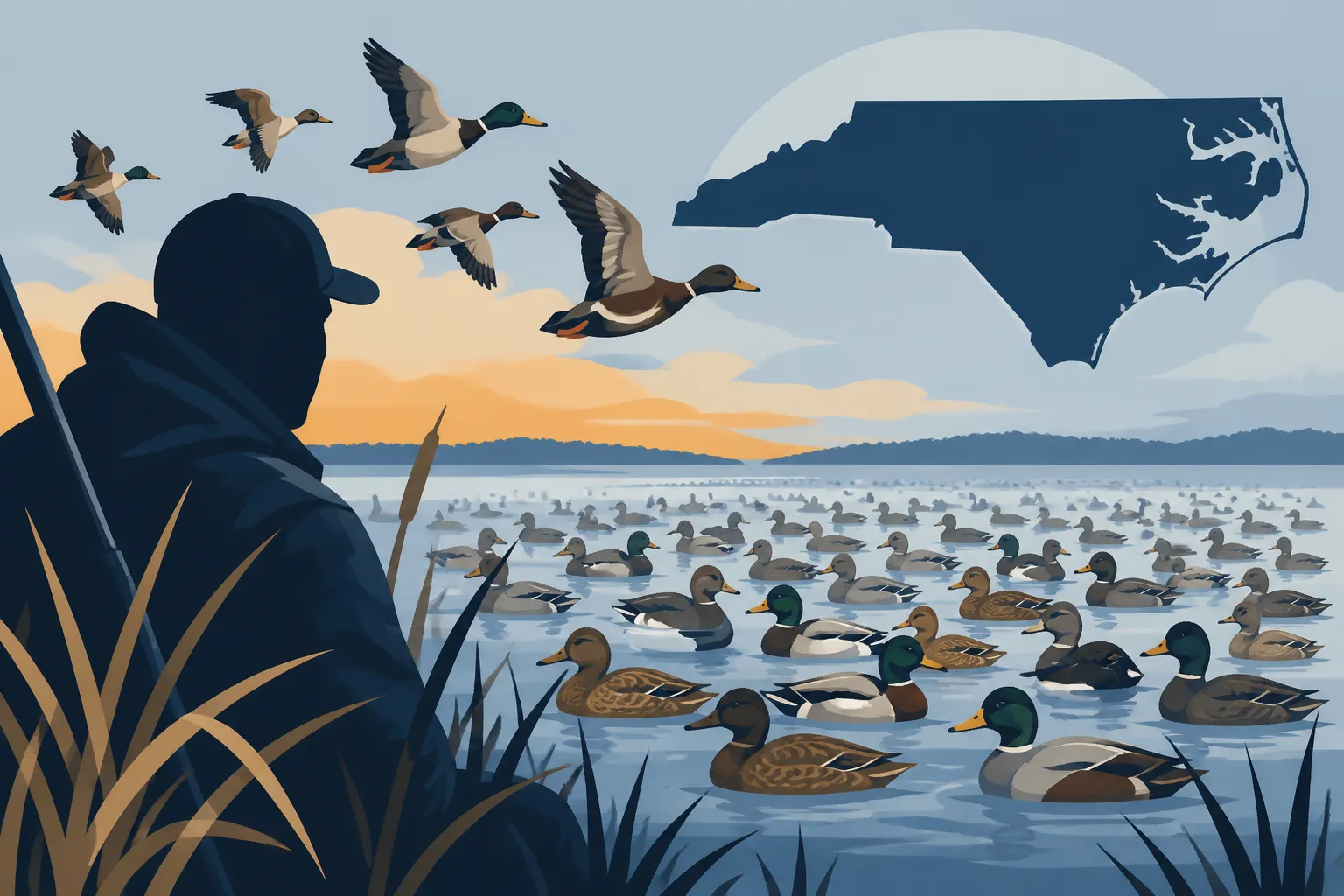
It's a question every North Carolina waterfowler eventually asks, often with a hopeful glint in their eye: exactly how many ducks choose Currituck Sound as their winter home? The truth is, there's no single, static answer, and trying to pin down a precise number is like trying to nail fog to a tree. What we can do, though, is deeply explore the dynamic forces at play, the factors that swell and recede these magnificent migrations, and the kinds of birds you're most likely to encounter in this legendary hunting ground. This guide will walk you through the fascinating ebb and flow of waterfowl on Currituck Sound, helping you understand the variables that make each season unique.
Understanding Currituck Sound's Allure for Wintering Ducks
Currituck Sound isn't just a body of water; it's a critical pit stop and winter haven along the Atlantic Flyway, an aerial highway for millions of migratory birds. The sheer scale and unique characteristics of this estuarine system make it incredibly attractive to waterfowl, drawing them in year after year, even if the numbers fluctuate.
The Habitat That Holds the Birds
Think about what a duck needs: food, shelter, and security. Currituck Sound provides all three in abundance, though the specifics can change. The sound is relatively shallow, with vast beds of submerged aquatic vegetation (SAV) like wild celery, sago pondweed, and widgeon grass. These "duck potato" plants are prime forage, packed with the nutrients birds need to sustain themselves through the cold months. The shallow depths also mean easier access to these food sources for diving ducks and dabblers alike. Beyond the food, the immense expanse of open water offers safety from predators, while numerous islands, marsh edges, and secluded coves provide crucial loafing and roosting areas. It's this combination of rich feeding grounds and secure resting spots that creates the magnet for wintering ducks. This incredible habitat is a major reason why Waterfowl Hunting Currituck Sound and the Coast is such a storied tradition.
Historical Perspective on Waterfowl Numbers
Back in the day, the old timers would tell you the sky literally darkened with ducks over Currituck. While those numbers are largely a thing of the past across the entire flyway due to habitat loss, changing agricultural practices, and other pressures, Currituck Sound remains a vital stronghold. Waterfowl populations are cyclical and influenced by breeding success further north, weather patterns, and the overall health of the entire flyway. Biologists, working with various conservation groups, conduct aerial surveys and ground counts to estimate populations, giving us a snapshot rather than a precise, fixed tally. These surveys help us understand trends and inform management decisions, ensuring that regulations like North Carolina Duck Daily Bag Limit are appropriate for sustainable hunting.
Factors Influencing Wintering Duck Populations Annually
The number of ducks that choose to winter on Currituck Sound isn't a constant. It's a dynamic figure, heavily influenced by a complex interplay of environmental factors, both local and far-reaching. Understanding these variables can help hunters manage expectations and even predict, to some extent, how good a given season might be.
Weather Patterns and Migration
Ask any seasoned waterfowler, and they'll tell you: cold weather up north drives the birds south. A harsh winter in the Canadian prairies or the Great Lakes region will push ducks down the flyway more aggressively and often earlier in the season. Conversely, a mild winter can mean birds linger longer in more northern states, only arriving in North Carolina when conditions truly force them to move. Wind direction also plays a critical role. Strong northwesterly winds can push large numbers of ducks directly into our region, filling up the sounds and inland impoundments. If the wind stays out of the south or west, the migration can be more scattered. The timing of North Carolina Waterfowl Migration Timing is crucial, and a significant cold front often heralds the arrival of new birds.
Habitat Conditions on the Sound
Local habitat conditions on Currituck Sound itself are paramount. The health and abundance of submerged aquatic vegetation (SAV) are huge. If a particular year saw poor growth due to excessive turbidity, disease, or abnormal salinity, the food base might be less attractive. Water levels also play a role; extreme droughts can expose mudflats, making some areas inaccessible, while prolonged high water can drown out some preferred feeding grounds. Pollution and development pressures, though often subtle, can also degrade habitat quality over time. Many hunters and conservationists monitor these conditions closely, often sharing observations on forums or using mapping tools like GoHunt to identify changes.
Breeding Success Up North
Ultimately, the number of ducks that can come south depends on how successful breeding was in their northern nesting grounds. Good rainfall and stable water levels in the prairie pothole region—the "duck factory" of North America—lead to higher hen success rates and more ducklings surviving to fledge. A severe drought or excessive predation in these areas can significantly reduce the overall continental population, meaning fewer birds available to make the journey down the Atlantic Flyway. While we can't influence what happens in Alberta or Saskatchewan, these factors directly impact what we see on Currituck. Tools like GoHunt can sometimes provide insights into these broader population trends by aggregating data from various sources.
Key Duck Species That Call Currituck Home in Winter
While the total number of ducks might fluctuate, the variety of ducks that winter on Currituck Sound is consistently impressive. This vast estuary attracts a diverse array of species, each with its own preferences for feeding and habitat, creating a rich tapestry for waterfowlers and birdwatchers alike. Knowing what to expect can help you tailor your spread and hunting tactics.
Dabbling Ducks of the Shallow Waters
Dabbling ducks, also known as puddle ducks, are typically found in shallower water where they can "tip up" to feed without fully submerging. These are often the first ducks to arrive and among the most sought-after.
- Mallards: The iconic greenhead is a common sight. They'll frequent both the open sound and adjacent agricultural fields. Their omnivorous diet allows them to adapt to various food sources.
- Wigeon (Baldpate): These elegant ducks are often seen in large rafts, grazing on submerged vegetation or even stealing food from diving ducks.
- Pintails: With their long, graceful necks and distinctive tail feathers, pintails are a favorite. They prefer shallow, open flats and can be quite wary.
- Green-winged and Blue-winged Teal: These smaller, fast-flying ducks are early migrants. Green-wings are more prevalent later in the season. They love shallow, muddy edges and dense vegetation.
- Gadwall: Sometimes called "gray ducks," gadwalls are increasing in numbers and are often found alongside wigeon and mallards, feeding on aquatic plants.
Diving Ducks of the Deeper Channels
Diving ducks, as their name suggests, forage by diving deep below the surface to grab submerged vegetation, mollusks, and small fish. They often prefer more open water and deeper channels.
- Redheads: These striking birds are a hallmark of Currituck Sound. They're primarily vegetarians, feeding heavily on submerged plants. Large flocks can often be seen far out on the sound. For many, targeting redheads means specifically planning their spread for Hunting Currituck Sound Diving Ducks.
- Canvasbacks: Considered the "king of ducks" by many, canvasbacks are powerful flyers and deep divers. They are highly dependent on submerged aquatic vegetation, especially wild celery, making Currituck a prime location for them. Their numbers can fluctuate dramatically based on habitat availability.
- Scaup (Bluebills): Both Greater and Lesser Scaup utilize Currituck. They're more omnivorous, diving for a wider range of food items. They often form immense rafts far offshore.
- Ring-necked Ducks: While often found in freshwater, ring-necks will also utilize the brackish waters of Currituck, feeding on seeds and aquatic insects.
- Buffleheads and Goldeneyes: These smaller diving ducks are charming and fast, frequently found closer to shore or in slightly deeper channels.
Tracking Duck Numbers and Hunter Impact on Currituck Sound
For both conservationists and hunters, understanding waterfowl numbers is paramount. It helps ensure sustainable hunting practices and allows for proactive habitat management. While individual hunters won't get an exact daily count, several methods contribute to our collective knowledge.
Survey Methods and Data Collection
The North Carolina Wildlife Resources Commission (NCWRC), in cooperation with federal agencies like the U.S. Fish and Wildlife Service, conducts various surveys. Aerial surveys are a primary tool, flying transects over the sound to count visible rafts of ducks. These counts provide valuable estimates of population trends over time, informing seasonal regulations. Ground counts by biologists and trained volunteers also contribute, focusing on specific refuges and popular hunting spots. It's a massive undertaking, but crucial for ensuring the future of waterfowl hunting in North Carolina. Hunters themselves contribute vital data through harvest reports and by purchasing permits like the North Carolina Federal Duck Stamp Requirement and fulfilling the North Carolina Migratory Bird Certification.
The Role of Conservation Efforts
The health of Currituck Sound as a wintering ground is not accidental. Decades of conservation efforts, both public and private, have worked to protect and restore habitat. Organizations often collaborate on projects to restore SAV beds, manage water levels in impoundments, and control invasive species. These efforts directly impact the carrying capacity of the sound—how many ducks it can realistically support. Without ongoing conservation, the allure of Currituck for wintering waterfowl would diminish significantly. When planning your hunt, consider the ethical implications and always remember to check resources like GoHunt for up-to-date information on conservation efforts and how they might impact local hunting conditions.
Hunter Impact and Responsible Practices
Hunters are an integral part of waterfowl management. Through license and stamp purchases, they directly fund conservation. However, it's also our responsibility to hunt ethically and sustainably. This means respecting bag limits, making clean shots, and retrieving all downed birds. High hunting pressure can also affect duck behavior, pushing them into harder-to-reach areas or causing them to become more nocturnal. Reading a Sound-Side Marsh for a Morning Flight becomes even more critical when birds are pressured. By being thoughtful and responsible, hunters ensure that future generations can continue to enjoy the incredible experience of pursuing ducks on Currituck Sound.
| Common Wintering Duck Species on Currituck Sound | Primary Feeding Method | Preferred Habitat | Typical Food Sources |
|---|---|---|---|
| Mallard | Dabbler | Shallow marshes, open water, agricultural fields | Seeds, aquatic vegetation, grains, invertebrates |
| Green-winged Teal | Dabbler | Shallow muddy edges, dense vegetation | Seeds, aquatic insects, small invertebrates |
| Wigeon (Baldpate) | Dabbler | Open shallow water, grazing | Submerged aquatic vegetation, emergent plants, some insects |
| Pintail | Dabbler | Open shallow flats, mudflats | Seeds, aquatic vegetation, insects |
| Gadwall | Dabbler | Shallow water with dense vegetation | Submerged aquatic vegetation, roots, some insects |
| Redhead | Diver | Open water, deeper channels | Submerged aquatic vegetation (especially wild celery), mollusks |
| Canvasback | Diver | Open water, deep beds of SAV | Wild celery, pondweed, mollusks |
| Scaup (Bluebills) | Diver | Open water, deeper sound | Mollusks, crustaceans, aquatic insects, some vegetation |
Disclaimer
This article is for general informational purposes only and does not constitute professional advice. Laws, prices and regulations vary by location and change over time. Consult a qualified professional for guidance on your specific situation.