How North Carolina Quail Numbers Fell Since the 1960s
For many seasoned North Carolina hunters, the memory of abundant bobwhite quail exploding from a fencerow is a cherished, yet increasingly distant, one. The harsh reality is that what was once a common sight and sound across our state has become a rare privilege, leaving many to wonder why these iconic game birds have all but vanished. This guide aims to shed light on the profound factors that contributed to the dramatic decline of North Carolina's quail population since the 1960s and what’s being done to bring them back.
A Legacy Lost: Remembering North Carolina's Quail Abundance
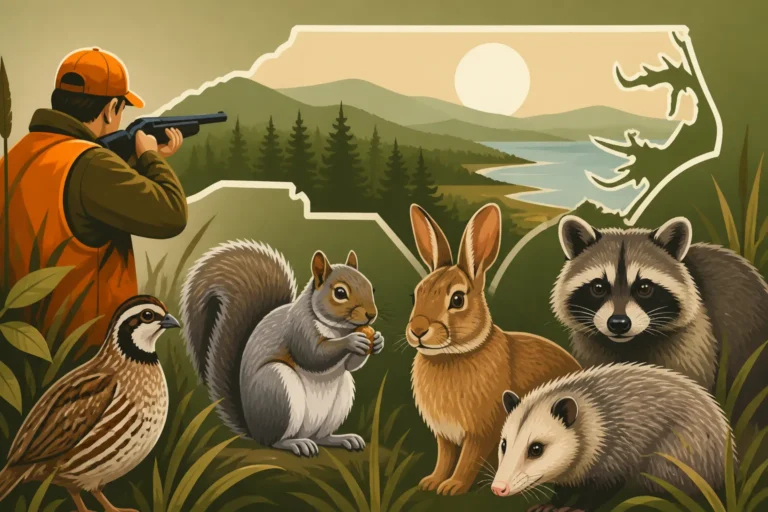
For those of us who remember hunting in North Carolina just a few decades ago, the sight and sound of a covey of bobwhite quail exploding from a fencerow was a common, thrilling experience. My granddaddy would tell tales of limiting out on birds before noon, with dogs working vast stretches of open pinelands and brushy fields. The truth is, quail weren't just common; they were a foundational part of the state's hunting culture, especially in the Piedmont and Coastal Plain. They represented a way of life, a seasonal tradition that connected generations through working dogs, brisk mornings, and the distinctive "bob-white!" call echoing across the fields.
The Landscape of Yesteryear: A Quail Paradise
Imagine North Carolina in the 1950s and 60s. Agriculture was different. Farms were smaller, often family-owned, and incredibly diverse. You'd find patchwork fields of corn, soybeans, cotton, and tobacco, all bordered by wide, untidy fencerows overgrown with briars, native grasses, and small shrubs. These weren't just messy edges; they were prime real estate for quail. Think about the strips of idle land, the fallow fields, the woodlots with open understories—all connected, providing food, cover, and travel corridors for these ground-dwelling birds. The land management practices, often unintentional byproducts of farming, created a mosaic of habitats that perfectly suited the bobwhite's needs.
These were the days when folks would spend their winters walking behind pointing dogs, listening for that tell-tale flush. The sound of dogs working scent, the anticipation building with every step through broom sedge and honeysuckle – it was magical. Young hunters learned the etiquette of the field, the importance of dog handling, and the satisfaction of a hard-earned bird. It wasn't just about the harvest; it was about the entire experience, deeply rooted in the state's natural bounty. North Carolina Small Game Season Rules often included generous limits, reflecting the healthy populations available.
Quail as a Cultural Icon: More Than Just a Game Bird
The bobwhite quail wasn't just another bird to hunt; it was an emblem of the Southern landscape and a symbol of rural life. Its presence signaled a healthy ecosystem, a connection to the land that many North Carolinians cherished. Quail hunting wasn't confined to a niche group; it was accessible to many, from farmers taking a break from chores to city dwellers making weekend trips to the country. The communal aspect of quail hunting, with friends, family, and a brace of good dogs, fostered bonds and created lasting memories. It was a true sporting tradition, revered and celebrated.
The stories from those times often paint a picture of endless opportunity. Hunters didn't have to scout for weeks; they just knew where the birds would be – along the edges, in the briar patches, near the old abandoned homesteads. It was a time when the biggest challenge wasn't finding quail, but hitting them as they rocketed out of cover. The ease of finding birds, compared to today's painstaking efforts, highlights the profound shift that has occurred in their populations, pushing this once common bird to near obscurity in many areas.
The Perfect Storm: Unpacking the Causes of Decline
So, what happened? Why did such a prolific and beloved bird virtually vanish from so much of its former range? It wasn't one single factor, but rather a confluence of changes that created a "perfect storm" for the bobwhite. Each element, on its own, might have been manageable, but together, they chipped away at the foundation of quail survival. It's a complex ecological puzzle, and understanding it is the first step toward potential solutions.
Habitat Fragmentation and Loss: The Biggest Culprit
Without a doubt, habitat loss and fragmentation stand as the primary drivers of the quail decline. North Carolina has undergone massive land-use changes since the 1960s. Where there were once small, diversified farms, we now see vast tracts of monoculture crops, sprawling housing developments, and commercial properties. Old fencerows, once sanctuaries for quail, have been ripped out to make way for larger, more efficient farming equipment. Fields are tilled right up to the tree line, eliminating crucial edge habitat.
Think of it: quail need a specific kind of "messy" habitat—dense, shrubby cover for nesting and escape, interspersed with open areas for foraging seeds and insects. When a highway cuts through a once-intact rural landscape, or a new subdivision replaces an old farm, those vital connections are severed. Even if small patches of habitat remain, if they're isolated, they become genetic dead ends. Quail are not strong dispersers, so they can't easily move between these fragmented islands of cover. Hunting Small Private Tracts in North Carolina becomes even more critical for species like quail, as these smaller parcels might be the last bastions of decent habitat.
Agricultural Shifts: Goodbye to Diverse Farming
The agricultural revolution played a huge, albeit unintentional, role. The shift from small, diversified family farms to large-scale, industrial agriculture brought efficiency but at a high cost to wildlife. Modern farming techniques favor vast fields of a single crop, using powerful machinery that makes hedgerows and odd corners a nuisance rather than an asset. Crops like corn and soybeans are often harvested clean, leaving little to no waste grain for birds like quail.
Furthermore, the practice of disking or burning fields after harvest, while beneficial for soil preparation, destroys any lingering cover or food sources. What was once a patchwork of different crops, fallow fields, and brushy edges—a smorgasbord and fortress for quail—became a monotonous landscape offering little in the way of sustenance or protection. The old rotation methods that allowed fields to lie fallow for a season, generating new plant growth, are largely gone, replaced by continuous cultivation.
The differences between past and present farming practices, and their impact on quail, are stark:
| Feature | 1960s Agricultural Practice (Quail-Friendly) | Modern Agricultural Practice (Less Quail-Friendly) | Impact on Quail Habitat |
|---|---|---|---|
| Farm Size | Smaller, diversified family farms | Larger, industrial-scale operations | Smaller farms created more edge habitat; larger farms reduce it. |
| Field Borders | Wide, brushy fencerows, unmanaged edges | Clean, narrow, often tilled to field edge | Loss of critical nesting, brooding, and escape cover. |
| Crop Diversity | Patchwork of corn, cotton, tobacco, fallow | Monoculture (vast fields of single crop) | Reduced food sources (seeds) and varied cover throughout the year. |
| Pesticide/Herbicide | Limited or no use | Widespread, aggressive application | Eliminates food (insects, weeds) and direct poisoning risk. |
| Post-Harvest | Waste grain, standing stubble often left | Fields tilled clean or burned | Removes winter food sources and protective cover. |
| Idle Land | Common, allowed to grow wild (succession) | Rarely left idle, immediate replanting | Loss of early successional habitat vital for quail. |
The Predator Puzzle: An Unbalanced Ecosystem
While predators have always been a part of the natural landscape, the balance seems to have shifted. As quail populations dwindled due to habitat loss, the impact of predation became disproportionately higher. Animals like raccoons, opossums, skunks, foxes, and even coyotes—whose populations have expanded significantly in North Carolina Coyote Range and Density—all prey on quail eggs, chicks, and adult birds. Without adequate escape cover, quail are far more vulnerable.
It's not that there are "more" predators in every single area, but rather that quail have fewer places to hide and rear their young successfully. A healthy quail population, supported by robust habitat, can often withstand a certain level of predation. But when their numbers are already at critically low levels, even a typical amount of predation can be devastating to a covey trying to recover. This is a complex issue, and predator control alone is rarely a long-term solution without simultaneous habitat restoration. North Carolina Predator Impact on Fawn Recruitment also highlights how altered predator dynamics affect other game species.
Chemical Warfare: Pesticides and Herbicides
Another significant factor, often overlooked, is the widespread use of pesticides and herbicides in modern agriculture and even residential landscaping. Herbicides eliminate the very weeds and native plants that provide food (seeds) and cover for quail. They also remove the broadleaf plants that support the insects crucial for young quail chicks. Quail chicks rely heavily on insects for protein during their first few weeks of life; without them, survival rates plummet.
Pesticides, designed to kill crop-damaging insects, unfortunately also decimate the insect populations that quail chicks depend on. This can lead to starvation or weakened chicks more susceptible to disease and predation. The cumulative effect of these chemicals on the entire food web, from the smallest insect to the adult quail, has been profound. While necessary for large-scale food production, their environmental impact on sensitive species like quail cannot be understated.
The Stark Reality: Tracking the Decline
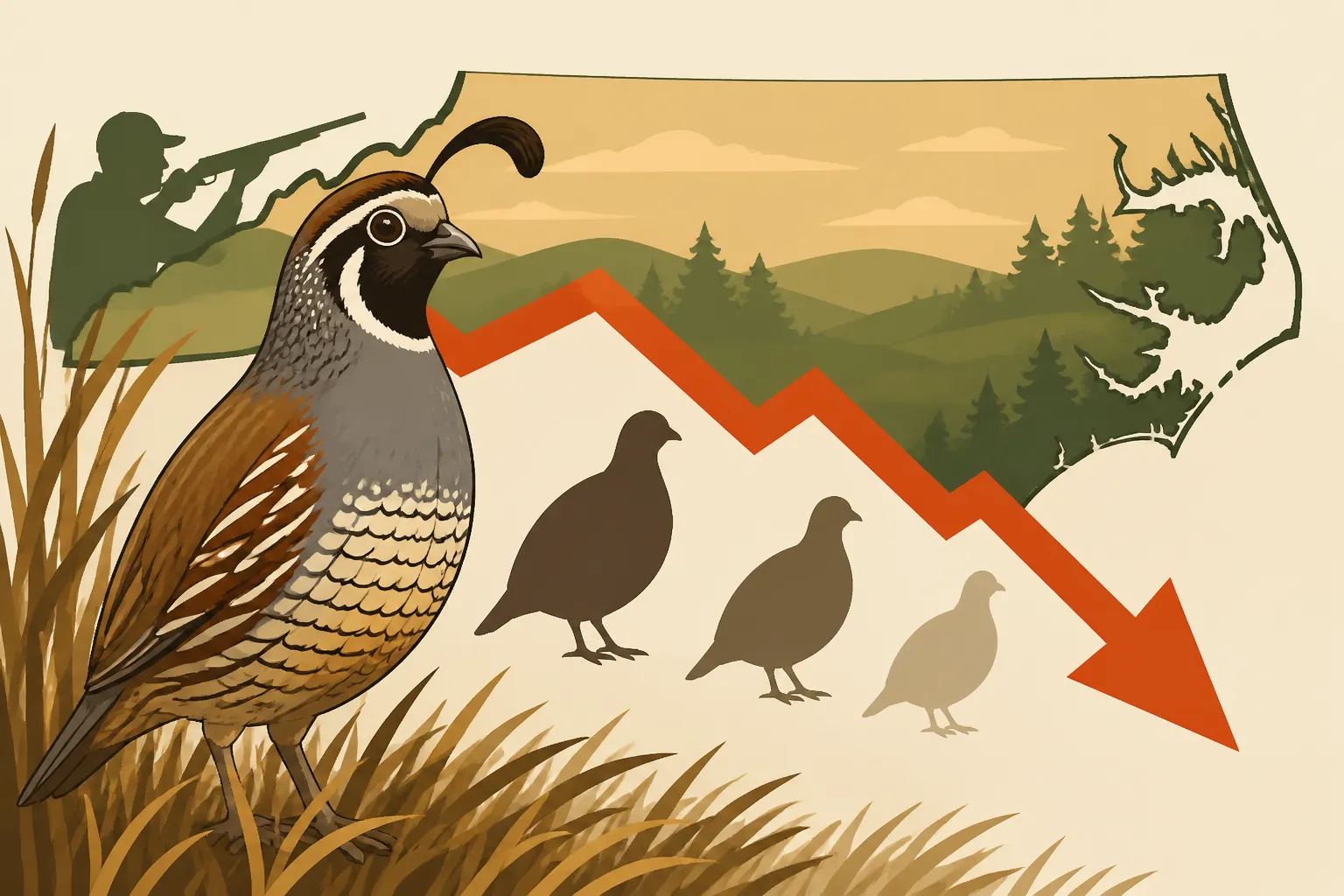
It’s easy to talk about what used to be, but the numbers tell an even more somber story. Wildlife biologists across North Carolina have meticulously tracked quail populations for decades, and the data paints a clear, undeniable picture of decline. There's no single, definitive statewide "count" of quail, as they are elusive and widely distributed, but various survey methods consistently show a steep and sustained downward trend.
Surveying a Shrinking Population
The primary method for tracking quail populations historically involved roadside call count surveys. Biologists would drive specific routes during certain times of the year, stopping at designated points to listen for the distinctive "bob-white!" call. The number of calls heard would be an index of population density. What these surveys have shown, year after year, is a dramatic decrease in the number of calling birds compared to surveys from the 1960s and 70s. The silence is often deafening in areas where quail calls were once common.
Additionally, hunter harvest data, while not a direct population count, also reflects the decline. As fewer quail are present, fewer are harvested. The anecdotes from hunters struggling to find even a single covey in areas where they once thrived align perfectly with the scientific data. This decline isn't just a regional issue; it’s a statewide, even a national, trend for bobwhite quail. North Carolina's Historic Quail Decline articles and reports from wildlife agencies further detail this somber reality, showing how widespread the problem is.
Understanding Population Dynamics: A Delicate Balance
Quail are a short-lived species with high reproductive potential. They are often referred to as a "boom and bust" species. In ideal conditions, with abundant habitat and mild weather, their populations can rebound quickly. However, they also face incredibly high annual mortality rates—often 70-80% of the population per year. This means they need excellent nesting habitat, ample brood-rearing cover, and reliable food sources every single year just to maintain stable numbers.
When habitat is fragmented, agricultural practices are detrimental, and predator pressures are unchecked, that natural high mortality rate becomes unsustainable. The "bust" phases become longer and deeper, and the "boom" phases become weaker or non-existent. It’s a delicate balance that has been severely disrupted, making recovery incredibly challenging. It's not simply about having a few good nesting seasons; it's about consistently providing the comprehensive suite of resources these birds need year-round to survive and reproduce. Factors like disease are also monitored, and robust North Carolina Wildlife Disease Monitoring programs are essential for understanding population health.
Planting Seeds of Hope: Quail Restoration in North Carolina
Despite the grim statistics, there are dedicated individuals, conservation organizations, and state agencies working tirelessly to reverse the trend. The challenge is immense, but the passion for bringing back the bobwhite remains strong. Restoration efforts often focus on what we know caused the decline: habitat. Recreating the conditions of yesteryear, even on a smaller scale, is the key.
Conservation Initiatives and Partnerships
The North Carolina Wildlife Resources Commission (NCWRC) has several initiatives aimed at quail recovery, often through partnerships with private landowners. Programs like the Landowner Assistance Program provide technical guidance and financial incentives to help landowners implement quail-friendly habitat practices. These might include prescribed burning, planting native warm-season grasses, creating field borders, and managing timber for an open understory. How Managed Pine Could Restore North Carolina Quail is a perfect example of such a strategy, creating ideal habitat in specific forest types.
Non-profit organizations, such as Quail Forever, also play a crucial role, working directly with landowners to establish and enhance quail habitat. Their efforts involve educating the public, recruiting volunteers, and implementing habitat projects on the ground. These partnerships are vital because so much of North Carolina's land is privately owned, meaning widespread recovery depends on engaging individual landowners. Even smaller, localized efforts can make a difference if enough people commit to them.
Rebuilding Habitat: Steps for Landowners
For private landowners interested in helping quail, there are concrete steps you can take. It often involves thinking "messy" and "diverse."
- Establish Field Borders: Instead of tilling right up to the edge of a crop field, leave a 30-50 foot wide strip of native grasses, legumes, and forbs. This provides critical nesting, brooding, and escape cover.
- Native Grass Plantings: Replace fescue or Bermuda grass with native warm-season grasses like switchgrass, indiangrass, and big bluestem. These grasses grow in clumps, providing open space at ground level for quail to move, forage, and escape predators, unlike dense cool-season grasses.
- Prescribed Fire: Used carefully and strategically, fire is a powerful habitat management tool. It removes undesirable woody vegetation, promotes new growth of native grasses and forbs, and controls insect populations. Always consult with experts like the NC Forest Service or NCWRC before attempting a burn.
- Timber Management: For landowners with woodlands, thinning pine stands and conducting prescribed burns can create an open, park-like understory that benefits quail, offering both cover and food.
- Food Plots and Soft Mast: While not a substitute for diverse natural habitat, small food plots of milo, millet, or native legumes can supplement food sources, especially during lean winter months. Planting native fruit-bearing shrubs also helps.
The Hunter's Crucial Role: More Than Just the Kill
Hunters have always been conservationists, and their role in quail recovery is more important now than ever.
- Support Conservation: Your hunting license fees directly fund wildlife management and habitat restoration efforts by the NCWRC. Joining organizations like Quail Forever or the National Wild Turkey Federation (which also does habitat work beneficial to quail) provides financial and volunteer support.
- Educate Others: Share the importance of habitat with non-hunting friends, family, and fellow landowners. Help them understand that what's good for quail is often good for many other wildlife species too.
- Advocate for Policy: Support land-use policies that favor wildlife habitat, and speak up about the importance of conservation funding.
- Responsible Land Stewardship: If you own land or lease property, implement quail-friendly practices. Even small changes can make a big difference. When you consider Reading Aerial Photos for Piedmont Deer, you can use similar techniques to identify potential quail habitat or areas that could be enhanced. Scouting North Carolina Public Land Before Season involves understanding habitat, which applies whether you're looking for deer or small game like quail.
The path to bringing back North Carolina's quail is long and arduous, but with continued dedication to habitat restoration and a collective effort from landowners, hunters, and conservationists, the hope remains that future generations might once again hear the distinctive "bob-white!" call echoing across the fields of our beautiful state.
Disclaimer
This article is for general informational purposes only and does not constitute professional advice. Laws, prices and regulations vary by location and change over time. Consult a qualified professional for guidance on your specific situation.