Why Coastal Bears Grow So Heavy
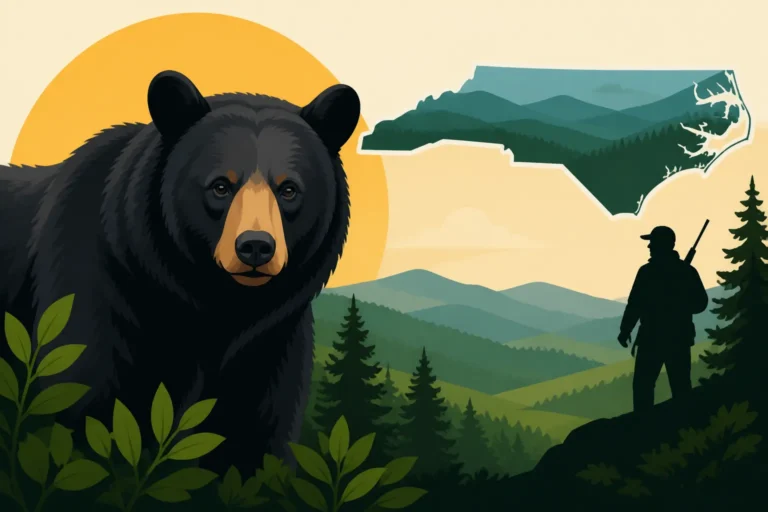
It's a common observation among hunters and wildlife enthusiasts across our great state: the black bears roaming North Carolina's coastal plains often reach truly astonishing sizes, frequently dwarfing their mountain counterparts. If you've ever wondered why these eastern giants seem to pack on so much more weight, you're not alone. This guide will explore the unique combination of habitat, food availability, and life history traits that contribute to the impressive bulk of our coastal black bears.
The Coastal Plain: A Bear Buffet Unlike Any Other
The flat, fertile expanse of North Carolina's Coastal Plain is a biological wonderland, and for a black bear, it's essentially an all-you-can-eat buffet that runs almost year-round. This region presents a vastly different landscape from the rugged Appalachians, and these differences are key to understanding why our coastal bears grow so heavy.
Abundance of Energy-Rich Food Sources
One of the primary drivers of massive bear size is an uninterrupted supply of high-calorie food, and the coastal plain delivers this in spades. Unlike the mountains, where a poor acorn crop can spell lean times, the coast offers a diverse and consistent pantry.
Firstly, think about the agricultural bounty. Vast tracts of farmland stretch across the eastern counties, growing crops like corn, soybeans, and peanuts. These fields, especially after harvest, become a goldmine for bears, providing a concentrated, easy-to-access energy source that's hard to find anywhere else. Bears don't have to work nearly as hard to gain weight when they can amble into a cut cornfield and feast for hours. This contrasts sharply with the often spotty and variable hard mast production in the mountains. This agricultural bonanza is a major reason for the impressive body mass of coastal bears.
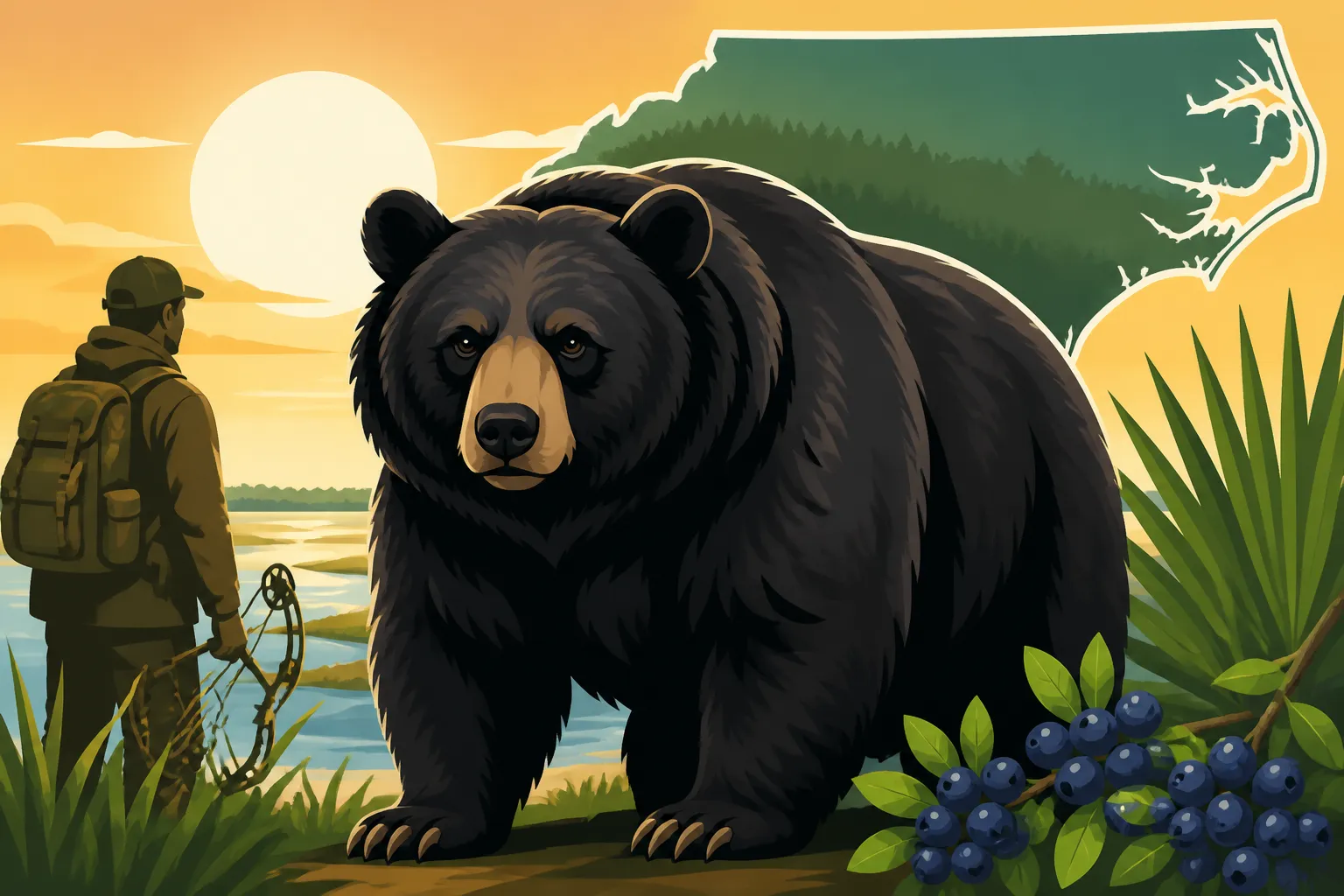
Secondly, the natural environment itself is incredibly rich. The coastal region is dotted with vast wetlands, pocosins, and swamp forests, which are packed with wild berries, soft mast, and succulent plant life. From blueberries and blackberries in the spring and summer to gallberries and various swamp fruits into the fall, these areas offer a constant succession of natural foods. A bear in a vast pocosin like those found in Croatan National Forest or the Alligator River National Wildlife Refuge has access to an incredible array of nutritional options. This consistent availability of high-energy, easily digestible foods throughout the growing season allows bears to build up massive fat reserves.
Prime Habitat and Reduced Caloric Burn
The type of terrain itself plays a significant role in how efficiently a bear can put on weight. The relatively flat topography of the coastal plain means bears expend less energy simply moving around compared to their mountain brethren.
Imagine a bear in the mountains, constantly climbing steep ridges and descending into hollows just to forage for food. This strenuous activity burns a lot of calories. Now picture a coastal bear, leisurely ambling through a swamp or along a field edge. The energetic cost of living is much lower, meaning more of the calories consumed can be converted directly into body mass and fat storage. This lower metabolic demand, combined with abundant food, creates an ideal scenario for growth.
Furthermore, the dense, often impenetrable pocosin and swamp habitats, such as those you'd encounter when hunting Coastal Plain pocosin swamps, offer incredible cover. This seclusion provides bears with sanctuaries where they can feed and rest undisturbed, further minimizing energy expenditure and stress. A bear that isn't constantly on the move to avoid disturbance or find new food sources can dedicate more energy to growth. When planning scouting trips, understanding the dense vegetation and water sources in these areas, perhaps using a mapping tool like GoHunt, can reveal critical bedding and feeding zones.
Longevity and Management: Giving Bears Time to Grow
It's not just what bears eat or where they live; it's also how long they get to do it. The impressive size of coastal bears is also a testament to their potential longevity, influenced by a combination of genetics and localized management strategies.
Longer Lifespans and Accumulated Growth
Simply put, older bears are bigger bears. While genetics certainly play a role in a bear's maximum potential size, it takes years for a bear to reach its full physical maturity. In areas with abundant food and suitable habitat, bears can live longer, giving them more seasons to pack on weight.
The coastal bear population, particularly in certain management zones, has a history of robust growth and, in many areas, a good age structure. This means there's a healthy population of older, mature bears that have had many years to accumulate mass. Unlike some areas where hunting pressure might skew the population towards younger animals, certain coastal areas seem to sustain older individuals. This prolonged period of growth, fueled by the rich diet, allows bears to reach those truly exceptional weights. A bear isn't just born big; it grows big over many seasons of feasting.
Lower Hunting Pressure and Access Challenges
While bear hunting is a cherished tradition in North Carolina, the sheer difficulty of accessing and hunting some of the densest coastal bear habitat can contribute to their ability to age.
Hunting Coastal bears in thick pocosin cover or navigating vast, watery swamps is not for the faint of heart. The terrain can be incredibly challenging, requiring specialized gear and a high tolerance for discomfort. This inherent difficulty often translates to lower hunting pressure in the most remote areas compared to more accessible mountain or Piedmont regions. Fewer hunters reaching these deep, inaccessible pockets means more bears, especially older, wiser ones, can evade harvest and continue to grow. This isn't to say coastal bears aren't hunted, but the type of hunting and the areas it occurs in often create natural sanctuaries. Understanding the specific regulations for hunting the Coastal Bear Zones is also critical for managing population health.
For instance, getting into some of the prime bear habitat in the Croatan National Forest can be a real undertaking. The swamps are deep, the vegetation is thick, and movement is slow. This physical barrier acts as a natural buffer, protecting a segment of the bear population and allowing them to reach full maturity. A hunter utilizing GoHunt for satellite imagery to plan access routes in these dense areas will quickly appreciate the challenges.
Biological Advantages and Genetic Potential
Beyond diet and longevity, there are inherent biological factors and perhaps even genetic predispositions that contribute to the substantial size of North Carolina's coastal black bears.
Optimal Reproductive Rates and Cub Survival
A healthy, well-fed bear population typically exhibits strong reproductive rates and high cub survival, leading to a thriving and expanding population. Coastal bears, with their consistent food supply, are often in prime physical condition, which directly impacts their ability to reproduce successfully.
Female bears (sows) that are able to build up significant fat reserves are more likely to successfully breed, give birth to larger litters, and produce cubs with better survival rates. These well-nourished cubs then start their lives with a significant advantage, growing faster and stronger from an early age. This positive feedback loop—abundant food leading to healthy sows, leading to robust cubs, leading to more large bears—is a powerful force in the coastal ecosystem. Understanding these population dynamics is key to appreciating North Carolina's Black Bear Population as a whole.
Genetic Factors and Adaptations
While hard scientific data on specific genetic differences between coastal and mountain bears in North Carolina is complex to isolate, it's reasonable to consider the role of adaptation. Over generations, bears in the coastal plain have adapted to their unique environment.
It's plausible that natural selection has favored bears that are highly efficient at converting the abundant coastal resources into body mass. Bears that can metabolize and store fat effectively from the corn, berries, and other rich foods would have a survival advantage. This long-term adaptation could lead to a genetic predisposition for larger size and heavier weights within the coastal population. Furthermore, the sheer quantity of food could allow bears to reach their full genetic potential, whereas a bear with the same genetic blueprint in a less food-rich environment might never achieve the same size due to caloric limitations.
The following table summarizes some key differences influencing bear size:
| Factor | Coastal Plain Black Bears | Mountain Black Bears |
|---|---|---|
| Primary Diet | Agricultural crops (corn, soybeans), soft mast, swamp fruits | Hard mast (acorns), berries, some agricultural crops |
| Habitat Type | Pocosins, swamps, extensive farmlands, river bottoms | Steep slopes, dense forests, high elevations |
| Energy Expended | Relatively low due to flat terrain, easy food access | High due to rugged terrain, more scattered food |
| Average Age | Often older due to reduced hunting pressure in remote areas | Variable, can be younger in heavily hunted areas |
| Growth Potential | Maximized due to consistent, high-calorie food supply | Limited by variable food availability and higher energy output |
| Record Potential | Higher frequency of record-breaking weights | Still robust, but less frequent record weights |
Ultimately, the impressive size of North Carolina's coastal black bears is a powerful testament to the incredible richness of our state's diverse ecosystems. It's a combination of nature's bounty, the unique landscape, and management strategies that allow these magnificent animals to thrive and grow into the giants we often hear about.
Disclaimer
This article is for general informational purposes only and does not constitute professional advice. Laws, prices and regulations vary by location and change over time. Consult a qualified professional for guidance on your specific situation.