Finding Which Zone Your County Sits In
Navigating the myriad of hunting regulations in North Carolina can feel like trying to solve a puzzle with missing pieces, especially when it comes to understanding which specific deer hunting zone your favorite county falls into. It’s a common frustration, with season dates, bag limits, and even permitted methods often shifting dramatically from one zone to the next. This comprehensive guide aims to demystify North Carolina's hunting zones, providing clear methods and insights to ensure you're always hunting legally and effectively.
Understanding North Carolina's Hunting Zones
North Carolina is a state of incredible ecological diversity, stretching from the high peaks of the Appalachian Mountains all the way to the coastal plain and the Outer Banks. This geographical variance means that deer populations, habitat types, and even hunting pressure differ significantly across the state. To manage these resources effectively and provide sustainable hunting opportunities, the North Carolina Wildlife Resources Commission (NCWRC) has divided the state into distinct hunting zones.
The Four Primary Deer Zones
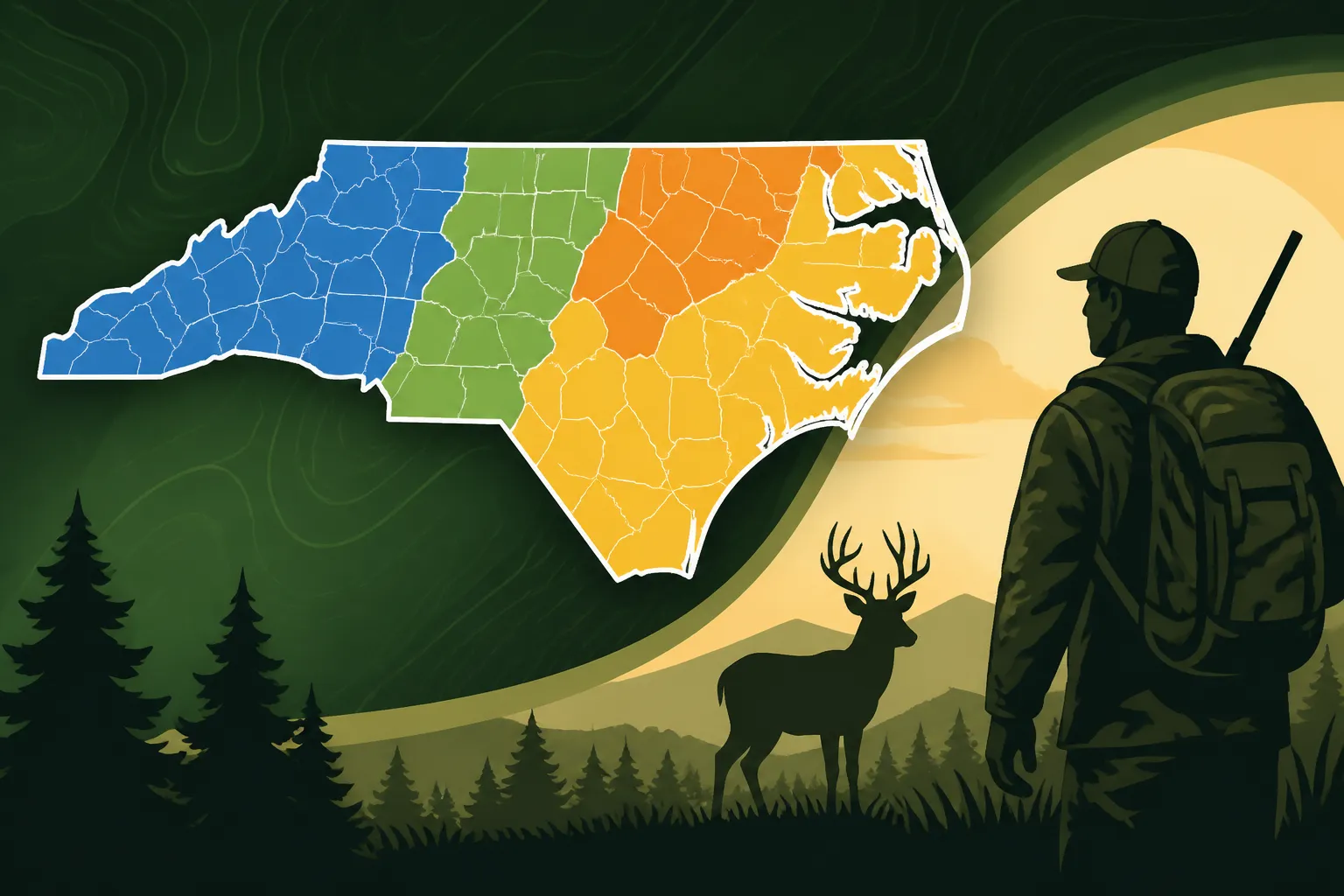
For deer hunting, North Carolina is primarily broken down into four major gun zones: the Eastern, Central, Western, and Northwestern zones. Each of these zones has its own unique characteristics and, consequently, its own set of rules.
- Eastern Zone: This zone encompasses the vast, flat expanse of the Coastal Plain, characterized by large tracts of agricultural land, swamps, pocosin thickets, and pine plantations. Deer here tend to have earlier breeding cycles compared to other regions, and hunting seasons often reflect this with earlier opening dates and a more extended archery period. Hunters here might find themselves Hunting Coastal Plain Pocosin Swamps or Hunting a Funnel Between Two Pocosins.
- Central Zone: Bridging the gap between the Coastal Plain and the mountains, the Central Zone covers much of the Piedmont region. This area is a mix of rolling hills, hardwood forests, scattered farmlands, and increasingly, suburban sprawl. Deer populations are robust, and the rut typically occurs later than in the east. This zone experiences significant hunter pressure due to its proximity to major population centers.
- Western Zone: Ascending into the Appalachian Mountains, the Western Zone presents a dramatically different landscape. Steep terrain, dense national forests like Pisgah and Nantahala, and cooler temperatures define this region. Deer densities can be lower, but the challenge of the hunt is often amplified by the rugged environment. The season here starts considerably later than in the eastern parts of the state.
- Northwestern Zone: While often grouped with the Western Zone conceptually, the Northwestern Zone has specific nuances. It’s a transition area, sharing characteristics with both the Central and Western zones. It includes counties in the foothills and lower mountains, and its season dates reflect this transitional nature. Understanding North Carolina's Four Gun Deer Zones is critical for any serious deer hunter in the state.
Why Zonal Management?
The division into zones isn't arbitrary; it's a carefully considered strategy based on scientific data and conservation goals. The primary reasons for this zonal approach include:
- Deer Population Dynamics: Different zones have varying deer densities and population growth rates. Coastal areas, with their long growing seasons and abundant forage, can sustain higher deer numbers and often have higher antlerless harvest opportunities. Mountain regions, with harsher winters and less productive habitats, typically have lower densities and more conservative bag limits.
- Habitat and Forage Availability: The type of habitat available dictates deer movement, diet, and overall health. Managing seasons based on these ecological differences helps ensure deer have adequate time to recover from winter stress or to breed successfully before hunting pressure becomes too high. This is especially true when considering Hunting After a Poor Acorn Year.
- Hunter Pressure and Access: Areas closer to large cities or with extensive public land often experience more hunter pressure. Zonal regulations can help distribute this pressure, preventing over-harvest in vulnerable areas and ensuring a quality hunting experience for everyone.
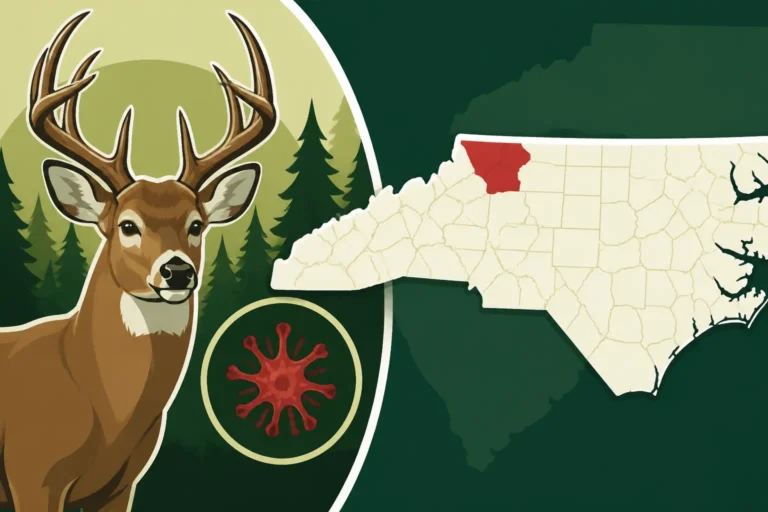
- Disease Management: With the ongoing threat of Chronic Wasting Disease (CWD), zonal management allows the NCWRC to implement specific rules, such as mandatory CWD testing or carcass movement restrictions, in affected areas without impacting the entire state. For example, North Carolina's Chronic Wasting Disease Areas have very particular regulations.
How to Identify Your County's Zone
So, you're ready to hit the woods, but you're not quite sure if your hunting spot in Wilkes County is considered Western or Northwestern. This is where many hunters get hung up, and thankfully, there are several reliable ways to pinpoint exactly which zone applies to your specific hunting location.
The Official NCWRC Tools
The absolute best and most authoritative source for identifying your county's hunting zone is the North Carolina Wildlife Resources Commission (NCWRC) itself. Their official resources are designed to be accurate and up-to-date.
- NCWRC Website: Head over to the NCWRC website. They typically have an interactive map or a detailed county-by-county list outlining the zones. Look for sections related to deer hunting regulations or season dates. Navigating their site can sometimes take a moment, but it’s the definitive answer. The "Regulation Digest" is also an invaluable resource, often providing a map and a breakdown by county.
- NC Wildlife App: For those who prefer a digital tool on the go, the official NC Wildlife app is a fantastic resource. Not only can you use it for Reporting a Deer Through North Carolina's App, but it often includes interactive maps or regulatory summaries that make identifying your county's zone incredibly straightforward. This app can be a lifesaver when you're out in the field and need a quick reference.
Using Online Mapping Platforms
Beyond the official state resources, several excellent third-party mapping applications can help you visualize hunting zones and even property boundaries. These tools are often more user-friendly and offer a wealth of additional features.
Platforms like GoHunt provide robust mapping capabilities that include overlaying hunting zones directly onto detailed topographic or satellite maps. This means you can zoom in on your specific hunting tract, whether it's public game lands or a private parcel, and instantly see which zone it falls within. Many hunters rely on GoHunt or similar apps because they integrate so many layers of information – from land ownership to aerial imagery – making trip planning much easier. Another great option is onX Hunt, which also clearly displays these boundaries. When you’re trying to plan your season and juggle different season dates, having a visual aid on GoHunt can simplify things immensely.
Here’s a simplified table showing some common North Carolina counties and their respective zones for deer hunting:
| County Name | Primary Deer Zone | Notes |
|---|---|---|
| Beaufort | Eastern | Typical Coastal Plain hunting. |
| Wake | Central | Mix of suburban and rural hunting pressure. |
| Buncombe | Western | Mountainous terrain, challenging hunting. |
| Ashe | Northwestern | High country, later season opening. |
| Sampson | Eastern | Large agricultural areas and swamps. |
| Guilford | Central | Close to major cities, often significant pressure. |
| Transylvania | Western | Dense forests, remote hunting opportunities. |
| Caldwell | Northwestern | Foothills region, transitional habitat. |
| Pitt | Eastern | River bottoms and farming country. |
| Chatham | Central | Rolling Piedmont hills, diverse habitat. |
| Macon | Western | Deep mountain valleys and high ridges. |
| Stokes | Northwestern | Northern Piedmont/Foothills, CWD zone adjacent. |
Note: This table provides general guidance. Always cross-reference with the official NCWRC regulations for the most current and specific information, especially as boundaries or classifications can occasionally be adjusted.
Why Zone Identification Matters
Knowing your hunting zone is more than just a bureaucratic detail; it’s fundamental to ethical, legal, and successful hunting in North Carolina. Misidentifying your zone can lead to unintentional violations, frustrated hunts, and even legal repercussions.
Season Dates and Bag Limits
The most immediate and impactful difference between zones lies in their season dates and bag limits. North Carolina's deer season structure is meticulously crafted to reflect regional deer biology and population management goals.
- Opening and Closing Dates: Imagine planning a trip to a new hunting spot in October, only to arrive and realize that the gun season for that Western Zone county doesn't open until mid-November, while your home county in the Eastern Zone opened in September. This is a very real scenario. For example, Eastern Zones Gun Season Dates are vastly different from Western Zone Gun Season Dates. Even archery season opening days can vary slightly, so always check the specific dates for your chosen zone.
- Antlerless Deer Opportunities: The number of antlerless deer days, or even the ability to harvest antlerless deer at all, can differ significantly. Zones with higher deer densities might offer more liberal antlerless opportunities to help manage the herd, while lower-density zones might have more restrictive rules to promote population growth. This directly impacts your strategy for meeting North Carolina Deer Bag Limit Rules.
- Overall Bag Limit: While the statewide bag limit for deer is generous, the specific way you can fill those tags (e.g., antlered vs. antlerless, number of bonus tags) can be tied to your zone. Failing to understand these nuances could result in over-harvesting or missing out on legal opportunities.
Special Regulations and Permitted Methods
Beyond dates and limits, hunting zones can also influence what methods are allowed and any special regulations that might be in place.
- Sunday Hunting: While North Carolina has expanded Sunday hunting opportunities on private lands, certain public lands or specific zones might still have restrictions. Always check the rules for your precise location.
- Crossbow Use: Although crossbows are generally permitted during North Carolina's Archery Season Opening Day, there can sometimes be nuances or specific rules tied to weapon types in certain areas. It's crucial to understand these if you plan to use a crossbow.
- Chronic Wasting Disease (CWD) Zones: As mentioned earlier, CWD management areas often overlap with traditional hunting zones. If you're hunting in a county designated as a CWD Surveillance Area or Management Area, there will be mandatory testing requirements for harvested deer and strict rules about carcass movement. Knowing if your county is in one of these areas is paramount to complying with these vital public health and wildlife management regulations. The NCWRC has specific information regarding North Carolina CWD Testing for Hunters.
- Blaze Orange Requirements: While generally consistent statewide for gun seasons, there can be subtle variations or specific requirements related to blaze orange that you need to be aware of. Always review the North Carolina Blaze Orange Requirements for your zone and weapon choice.
Common Pitfalls and Pro Tips
Even experienced hunters can sometimes trip up when it comes to zonal regulations. A little extra diligence can save a lot of headaches and ensure a smooth, legal hunting season.
Double-Checking and Staying Updated
The biggest mistake a hunter can make is assuming that regulations remain static year after year. While major zonal boundaries rarely shift, specific season dates, bag limits, or CWD area designations can change.
- Annual Review: Make it a habit to review the current year's North Carolina Hunting & Trapping Regulations Digest every single season. Don't rely on last year's knowledge, or worse, word-of-mouth. The NCWRC website is updated annually, usually in late summer, with the new season's digest. Many hunters use mapping apps like GoHunt, which strives to keep its regulation overlays current, but a quick check against the official digest is always a smart backup.
- Boundary Clarification: If you hunt near a county line, pay extra close attention. A property that might be predominantly in one zone could technically straddle a line, meaning different rules apply to different parts of your hunting area. Using the detailed mapping features in GoHunt or the NC Wildlife app to verify boundaries on the ground can be incredibly helpful. Always ensure you're aware of the specific rules for the exact location you are hunting.
Consulting Local Resources
Sometimes, the official documents provide the letter of the law, but local knowledge offers invaluable insight into how those rules play out on the ground.
- Local Wildlife Officers: Your local NCWRC wildlife enforcement officer is an excellent resource. They are familiar with the specific nuances of their patrol area and can provide clarification on regulations. Don't hesitate to reach out if you have a question you can't answer from the digest. They are there to help ensure safe and legal hunting.
- Game Lands Staff: If you plan to hunt on public Game Lands, contacting the Game Lands biologist or manager for that specific tract can be beneficial. They often have detailed knowledge of local regulations, access points, and specific conditions that might not be immediately obvious. You can find information on specific Game Lands and their management in resources like How North Carolina Game Lands Are Managed.
- Reputable Hunting Forums and Clubs: While not an official source, local hunting forums or clubs can offer practical advice and insights into regional hunting conditions. Just remember to always cross-reference any information with official NCWRC sources before acting on it. Engaging with a local hunting club can also provide insights into Hunting the North Carolina Rut by Zone, as rut timing often aligns with zonal differences.
By taking the time to thoroughly understand and verify your county's hunting zone, you're not just staying compliant with the law – you're also setting yourself up for a more informed, enjoyable, and ultimately successful hunting season in the diverse landscapes of North Carolina.
Disclaimer
The information provided in this guide is for general informational purposes only and does not constitute legal advice. Hunting regulations in North Carolina are subject to change. Always consult the most current North Carolina Inland Fishing, Hunting, and Trapping Regulations Digest published by the North Carolina Wildlife Resources Commission (NCWRC) and verify all specific rules, dates, and requirements before engaging in any hunting activities. Local conditions and specific game lands rules may also apply.