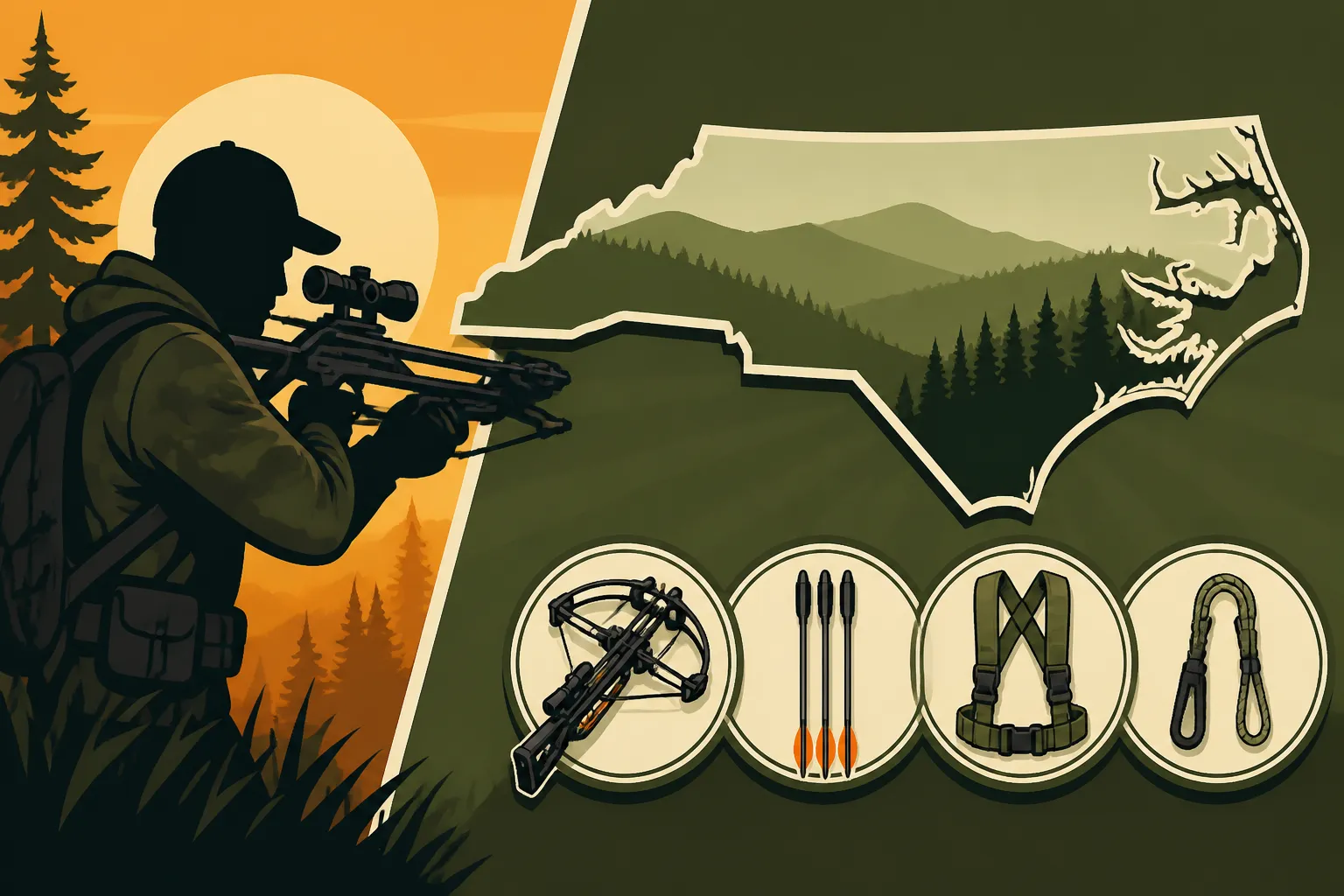
North Carolina Crossbow Equipment Requirements
Many hunters in North Carolina have felt the frustration of trying to keep up with hunting regulations, especially when it comes to specific equipment like crossbows. The rules can seem like a moving target, leaving you wondering if your setup is truly legal before you even step foot in the woods. This comprehensive guide will break down everything you need to know about North Carolina's crossbow equipment requirements, ensuring you're compliant, confident, and ready for your next hunt.
The Evolution of Crossbow Regulations
For a long time, crossbows in North Carolina were viewed through a different lens than traditional vertical bows. It wasn't uncommon for regulations to restrict their use to specific seasons, or even to require a special permit for hunters with physical disabilities. This created a layer of confusion and, for some, a sense of being excluded from certain hunting opportunities. It truly was a bureaucratic hurdle that many hunters found frustrating and difficult to navigate.
However, the good news is that the landscape has significantly shifted in recent years. The North Carolina Wildlife Resources Commission (NCWRC) has progressively updated these rules, recognizing crossbows as a legitimate and effective archery tool. This change reflects a broader understanding of modern hunting equipment and a commitment to making hunting accessible to a wider demographic. Today, the rules are much more streamlined, treating crossbows on par with compound and recurve bows for general archery season use.
This modernization has opened the door for many new participants, from young hunters who might find the learning curve of a crossbow less steep than a compound bow, to seasoned individuals who appreciate the stability and reduced physical strain. It’s a positive move that allows more people to experience the joy and challenge of the archery season without unnecessary restrictions, fostering greater participation in our state's rich hunting heritage.
Who Can Legally Hunt with a Crossbow
One of the biggest questions that often pops up, particularly from those returning to hunting or trying crossbows for the first time, is whether they, personally, are allowed to use one. In the past, this was a legitimate concern, as disability waivers were frequently a prerequisite. It led to situations where a hunter might purchase a crossbow only to find out they couldn't legally use it for a general hunt, which was certainly a disheartening experience.
Thankfully, those days are largely behind us. North Carolina has simplified this aspect considerably. As of recent regulatory updates, there are no longer specific disability requirements or special permits needed for a hunter to use a crossbow during the standard archery season. If you are of legal hunting age, possess the necessary North Carolina Hunting Licenses and What They Cost, and adhere to all other state hunting laws and regulations, then you are authorized to hunt with a crossbow.
This inclusive approach means that whether you're a beginner getting into archery, a parent introducing a child to hunting, or an experienced hunter looking for a different challenge or method, the crossbow is now a viable option. It empowers individuals to choose the archery equipment that best suits their physical capabilities and preferences, promoting a more diverse and engaged hunting community across the state.
Crossbow Seasons and Permissible Use
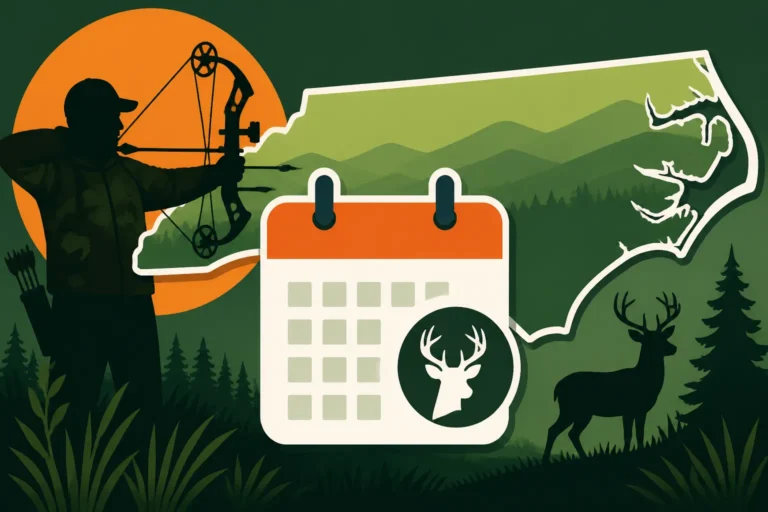
While the accessibility of crossbows has expanded, it’s absolutely critical to understand when and where they can be legally used. The fundamental principle is that crossbows are considered archery equipment, and as such, their use is primarily tied to North Carolina’s statewide archery season. This distinction is paramount, as you cannot simply use a crossbow interchangeably with a firearm during gun seasons unless specific, rare exceptions are explicitly made in the regulations.
When North Carolina's Archery Season Opening Day rolls around, your crossbow is a perfectly valid tool for pursuing deer, bear, and other game designated for archery. It operates under the same season dates, bag limits, and general rules that apply to hunters using compound or recurve bows. However, this also means that when the gun seasons commence in various zones across the state, or during specialized muzzleloader-only periods, your crossbow typically sits out unless you are still within an overlapping archery window, which is something you must diligently confirm.
It cannot be stressed enough: always consult the most current North Carolina Inland Fishing, Hunting, and Trapping Regulations Digest published by the NCWRC. Regulations, especially specific season dates and local county rules, are subject to change annually. Relying on outdated information or hearsay can lead to significant legal trouble. Being well-informed is your first and best line of defense against inadvertent violations. For more specific insights on legal usage, consider delving into Crossbow Rules During North Carolina Archery Season.
Minimum Draw Weight and Kinetic Energy Considerations
When it comes to the raw power of your crossbow, North Carolina’s regulations don't explicitly stipulate a minimum draw weight in the same detailed manner they might for traditional vertical bows. For those, you often see specific poundage requirements to ensure ethical harvesting. This can sometimes lead to confusion, making hunters wonder if any crossbow will do the job. However, the underlying expectation is always that your equipment must be capable of a humane and ethical kill.
The practical consideration here really boils down to kinetic energy. While the NCWRC doesn’t publish a specific foot-pounds (ft-lbs) requirement for crossbows, a responsible hunter understands that their chosen setup must generate sufficient power for a clean pass-through. Most modern hunting crossbows on the market today are designed with this in mind. They routinely launch bolts at speeds between 300 and 450 feet per second, easily generating the kinetic energy necessary to effectively dispatch a deer or bear, provided the shot placement is accurate.
Therefore, while you won’t find a hard-and-fast number in the regulations, your best practice is to ensure your crossbow system — including the bolt and broadhead — delivers enough punch for the species you’re hunting. A good benchmark often used by experienced hunters is around 40-50 ft-lbs for deer, and closer to 60-70 ft-lbs for larger game like bear, to ensure adequate penetration. Always prioritize equipment that allows for a quick, ethical harvest rather than just meeting a loose interpretation of unspecified minimums.
Arrow and Broadhead Specifications
This section is where you absolutely must pay close attention, as the rules for your crossbow’s projectile are quite precise in North Carolina. Getting these details wrong isn't just a matter of poor ethics; it's a direct violation of hunting regulations. Many hunters have made honest mistakes here, thinking "an arrow is an arrow," but for big game, that simply isn't the case.
Firstly, let's talk about the arrows themselves, often referred to as "bolts" when used with crossbows. North Carolina law mandates that your crossbow bolts must be a minimum of 18 inches in length. This isn't an arbitrary measurement; it's a critical safety and performance factor. Bolts shorter than this can lead to unstable flight, reduced accuracy, and in some cases, catastrophic damage to your crossbow if components like the string or cam system are overstressed or come into contact with the bolt unexpectedly. Always measure your bolts to be sure they meet this requirement.
Secondly, and perhaps most crucially for ethical harvesting, are the broadhead specifications. For deer and bear hunting in North Carolina, your broadheads must possess at least two cutting edges and must achieve a minimum cutting width of 7/8 inch at their widest point. This regulation is designed to ensure that the broadhead creates a sufficiently large wound channel to promote rapid blood loss and a quick, humane kill. Both fixed-blade and mechanical (expandable) broadheads are entirely legal, provided they meet this two-cutting-edge and 7/8-inch expanded width criteria. Field points, target tips, or small game heads are strictly prohibited for big game hunting, as they lack the necessary cutting capacity for a humane harvest. Always double-check your broadheads, ensure they are razor-sharp, and confirm they meet these specifications before heading into the woods.
Sights, Scopes, and Illumination Rules
One of the significant advantages many hunters cite for using a crossbow is the ability to mount various sighting systems, which can greatly enhance accuracy, particularly for hunters who might struggle with traditional iron sights or pin sights. North Carolina's regulations are quite accommodating in this regard, generally permitting a wide array of optics on your crossbow. This includes both magnified scopes, which are popular for their ability to bring distant targets closer and clarify aiming points, and non-magnified red dot or holographic sights, which excel at fast target acquisition in dense cover.
Furthermore, the use of illuminated reticles within your scope or sight is also permitted. These can be incredibly helpful in low-light conditions, such as dawn, dusk, or within heavily shaded timber, allowing you to clearly see your aiming point against a dark background. However, it is absolutely essential to understand the critical distinction between an illuminated reticle and a projected light source. North Carolina law explicitly prohibits any device attached to your crossbow that projects a light beam (like a laser sight) onto the target. This rule is in place to maintain fair chase ethics and prevent hunters from gaining an unfair advantage by illuminating the animal itself.
So, while your scope can glow on the inside, it cannot shine light out onto the deer you're aiming at. This adheres to ethical hunting standards and ensures that technology doesn't override the skills and challenge inherent in hunting. Always ensure your chosen sighting system complies with this distinction to avoid any legal issues while out in the field.
Safety First: Essential Crossbow Handling Practices
Beyond simply adhering to the letter of the law, true responsibility in crossbow hunting demands an unwavering commitment to safety. These aren't toys; they are powerful hunting tools capable of inflicting serious injury if mishandled. Many a seasoned hunter has learned this lesson the hard way, often through preventable mistakes.
The absolute golden rule for any crossbow user, from novice to veteran, is to never dry fire your crossbow. Dry firing – releasing the string without a bolt in place – can cause catastrophic damage to the limbs, cams, strings, and other components, often rendering the crossbow irreparable and potentially sending shrapnel toward the user. Always ensure a bolt is properly seated before engaging the trigger. Equally important is keeping your fingers and thumb below the flight rail and string path at all times while cocking and shooting. The string moves at incredible speeds, and "thumb over the rail" is a common, excruciating injury that can be completely avoided with proper hand placement and discipline.
Always treat your crossbow as if it is loaded and ready to fire. Maintain positive muzzle control, always pointing the crossbow in a safe direction, particularly when cocking or moving through thick cover. Always engage the safety mechanism immediately after cocking and keep it engaged until the very moment you are ready to take an ethical shot. Using the proper cocking aid, whether it’s a rope cocker or an integrated crank system, not only makes the process easier but also significantly reduces the risk of accidental discharge or injury during cocking. Understanding the specific safety features and operation of your crossbow, perhaps by studying the manufacturer's manual or watching instructional videos, is paramount for a safe and enjoyable hunting experience.
Maintenance and Storage Tips for Longevity
A crossbow is an investment, both in terms of money and in your hunting success. Just like any precision piece of equipment, neglecting its care can lead to poor performance, premature wear, and even dangerous malfunctions. You wouldn't run your truck without changing the oil, and your crossbow deserves the same attention to detail.
Regular maintenance is key to ensuring your crossbow performs reliably season after season. The string and cables are the workhorses of your crossbow, and they endure immense stress with every shot. Applying manufacturer-recommended wax to the string and cables regularly is crucial to prevent fraying and extend their lifespan. Furthermore, a good quality rail lubricant should be applied to the flight deck where the bolt rests and slides. This reduces friction, which improves accuracy and prevents excessive wear on both the bolt and the rail. Just as you’d clean your Rifle After a Wet Sit, a thorough wipe-down after a hunt, especially in damp or muddy conditions, prevents rust and grime buildup.
Proper storage is equally important for preserving your crossbow’s condition. Always store your crossbow in a cool, dry environment, preferably in a padded hard case or soft case that protects it from impacts, dust, and moisture. Avoid leaving it cocked for extended periods, as this can fatigue the limbs and string. If you have a specific model, like a TenPoint or a Wicked Ridge, consult its manual for unique storage recommendations. Before each hunting trip, give your crossbow a quick once-over: check limb bolts for tightness, inspect the string and cables for any signs of wear, and confirm your broadheads are sharp and securely attached. A well-maintained crossbow is a reliable partner in the field, ensuring it’s ready when that critical moment arrives.
Choosing the Right Crossbow for North Carolina Terrain
North Carolina's diverse topography presents a variety of hunting challenges, and the "right" crossbow can often depend on where you primarily hunt. From the dense, often swampy lowlands of the Coastal Plain to the rugged, steep slopes of the Blue Ridge Mountains, your equipment choice can significantly impact your mobility, comfort, and ultimately, your success.
If you find yourself primarily hunting the thick, tangled Pocosin swamps of the coast or the rolling farmlands and smaller woodlots of the Piedmont, shots are often relatively close, and maneuvering through dense cover is a constant reality. In these scenarios, a more compact, lightweight crossbow might be your best friend. Models with shorter axle-to-axle measurements are easier to carry through brush and less prone to snagging on limbs when Hunting Coastal Plain Pocosin Swamps or navigating thickets near Hunting Piedmont Farmland Deer. Portability and agility can often trump raw power in these tighter quarters.
Conversely, if your adventures take you into the expansive and often challenging mountain regions, such as the Pisgah or Nantahala National Forests, where you'll be covering significant elevation changes and long distances, weight becomes an even more critical factor. A lighter crossbow system will be less fatiguing as you climb ridges and descend into hollows. While shots might occasionally stretch out a bit more in some mountain settings, dense timber means extreme long-range accuracy isn't usually the primary concern; rather, consistency and reliability at typical woods ranges are paramount. Regardless of the terrain, the most crucial aspect is how the crossbow feels to you. It should be comfortable to hold, easy to cock, and allow you to shoot accurately and consistently. Visiting a pro shop to shoulder different models and feel their balance can be incredibly insightful. Platforms like GoHunt also offer extensive gear reviews and data that can help you compare models and make an informed decision based on your specific hunting needs and the characteristics of North Carolina's varied terrain.
Game Lands and National Forests: What You Need to Know
Hunting North Carolina's public lands with a crossbow is a fantastic opportunity, but it comes with its own set of rules that layer on top of statewide regulations. It's not enough to know the general crossbow laws; you also need to understand the specifics of the land you're on. Many hunters, eager to hit the woods, sometimes overlook these crucial details, leading to potential issues.
For instance, when hunting on North Carolina Game Lands, most require you to possess a valid Game Lands License in addition to your regular state hunting license. These lands are actively managed for wildlife, and specific tracts might have unique regulations regarding hunting days, specific species limitations, or even methods of take that diverge slightly from the general statewide rules. It's imperative to consult the current NCWRC regulations digest for the specific Game Land you plan to hunt. Using advanced mapping tools, such as the NC Wildlife App or the GoHunt mapping layers, can be incredibly helpful. These resources allow you to clearly identify Game Land boundaries, understand local rules, and prevent accidental trespass onto adjacent private property. This is vital for effective Scouting North Carolina Public Land Before Season and ensuring a legal hunt.
Similarly, when venturing into our beautiful National Forests like Pisgah or Nantahala, while the general statewide crossbow rules apply, you still need to be aware of forest-specific regulations. These might include rules about vehicle access, camping, or even specific hunting area closures due to timber operations or other forest management activities. For example, understanding regulations regarding Treestand Setups in Pisgah National Forest or Using a Ground Blind on North Carolina Public Land is crucial, as these apply to all hunters regardless of weapon choice. Always check the U.S. Forest Service website for the specific forest district you intend to hunt for any local alerts or rules that could impact your outing.
Private Land Access and Permission
Hunting on private land in North Carolina can offer a different experience, often with less hunting pressure than public areas. However, accessing private land with your crossbow, or any weapon, hinges entirely on one fundamental requirement: explicit permission from the landowner. This isn't just a suggestion; it's a legal and ethical obligation that, if ignored, can lead to severe consequences.
A common question that arises is, Do You Need Written Permission in North Carolina? The answer is unequivocally yes, if the land is posted with "No Trespassing" signs. Even if the land isn't posted, obtaining written permission is always, always the safest and most responsible course of action. Verbal agreements can be easily forgotten or misinterpreted, leading to disputes, accusations of trespassing, and potential legal issues down the road. A simple, signed document outlining the terms of your access – dates, permitted activities, and specific areas – can save a tremendous amount of headache for both you and the landowner.
Building a good relationship with a landowner is invaluable. Always respect their property, adhere to their specific rules, and leave the land in better condition than you found it. This goes a long way in ensuring continued access for yourself and future hunters. Without that solid permission, even if you’re fully compliant with all crossbow equipment requirements, you’re in violation, and your hunt will be cut short by a much less pleasant experience.
Transportation and Ready-to-Hunt Rules
Knowing the rules for transporting your crossbow is just as important as understanding the equipment requirements. You might have the perfect, legal setup, but if you transport it improperly, you could still face penalties. The regulations are designed for public safety and to clearly delineate when a weapon is considered "ready for action" versus simply being transported.
When transporting a crossbow in a vehicle in North Carolina, the general rule is that it must be uncocked and uncased. This aligns with safety protocols for other archery equipment and unloaded firearms. An uncocked crossbow cannot accidentally discharge, and keeping it uncased allows for quick visual confirmation that it’s not cocked. While some hunters may prefer to keep their crossbows cased for protection during transport, if uncased, it absolutely must be uncocked. This distinction is critical to avoid any confusion or accusations of having a "ready-to-hunt" weapon in transit.
The concept of "ready-to-hunt" means your crossbow is fully cocked with a bolt nocked, making it capable of immediate discharge. This state is only permissible when you are actively engaged in hunting within a legal hunting area, on property where you have the right to hunt. It is illegal and highly unsafe to have a crossbow in this condition while driving, walking through non-hunting areas, or passing through residential zones. Being mindful of these rules is especially important if you're hunting in areas bordering suburban development, or within North Carolina Suburban Archery-Only Zones, which may have even stricter local ordinances regarding weapon readiness and discharge. Always err on the side of caution and ensure your crossbow is safely secured and uncocked during transport.
Crossbow Equipment Requirements
Here's a quick overview of the essential legal requirements for crossbow hunting in North Carolina:
| Requirement | North Carolina Crossbow Rule | Notes |
|---|---|---|
| Season | Legal during statewide archery season | Check specific dates annually for your zone |
| Hunter Eligibility | No disability permit required; open to all licensed hunters | Must possess valid NC hunting license and big game privilege |
| Bolt Length | Minimum of 18 inches | Essential for safety and stable flight |
| Broadheads | Minimum 7/8 inch wide, at least two cutting edges | Mechanical broadheads are permitted if they meet width and cutting edge criteria |
| Sights/Optics | Scopes (magnified/non-magnified) and illuminated reticles allowed | No devices projecting light onto the target (e.g., laser sights) |
| Transportation | Uncocked and uncased in a vehicle | "Ready-to-hunt" only when actively hunting in a legal area |
Disclaimer
Please remember that hunting regulations are subject to change. While we strive to provide the most up-to-date and accurate information, it is always your responsibility as a hunter to consult the official North Carolina Wildlife Resources Commission (NCWRC) regulations digest for the current year before engaging in any hunting activities. This guide is for informational purposes only and should not be considered legal advice.