Western Zone Gun Season Dates
Figuring out North Carolina's deer season dates can feel like cracking a secret code, especially when you're trying to pin down the specifics for the Western Zone. It's frustrating to plan a hunt only to realize you've misread the calendar, potentially costing you precious time afield or even leading to a regrettable mistake. This guide is here to clear up all the confusion, laying out everything you need to know about the gun season dates in North Carolina's Western Deer Zone so you can plan your hunt with confidence.
Understanding North Carolina's Deer Management Zones
North Carolina is a diverse state, stretching from the sandy Outer Banks to the rugged Appalachian Mountains. It only makes sense that deer management, and therefore hunting seasons, would vary across such a vast landscape. The state is divided into distinct deer zones, each with its own set of rules and seasons tailored to local deer populations, habitat, and hunter pressure. Understanding these zones is the first crucial step to deciphering any part of the hunting regulations.
The Four Zones at a Glance
For deer hunting purposes, North Carolina is carved into four primary gun deer zones: the Eastern Zone, the Central Zone, the Northwestern Zone, and the Western Zone. While each has its nuances, they generally follow a progression from east to west, with opening dates getting later as you move into the mountains. This tiered approach allows wildlife managers to align hunting pressure and harvest objectives with the biological realities of deer herds in different regions. For a broader overview, take a look at our comprehensive guide on North Carolina's Four Gun Deer Zones.
The Eastern Zone, for instance, typically opens earliest, reflecting higher deer densities and often agricultural impacts. As you shift towards the Central and Northwestern zones, the seasons adjust to different habitat types and deer population dynamics, often involving more mixed agricultural and timberlands. Finally, the Western Zone, our focus today, stands apart with the latest opening dates, primarily due to its unique mountainous terrain and specific herd characteristics.
Locating Your County in the Western Zone
Identifying which zone your hunting grounds fall into is absolutely critical. A quick glance at a map might give you a general idea, but the exact boundaries are defined by county lines, sometimes even specific highways or rivers. The Western Zone encompasses the true mountainous counties of North Carolina, including places like Ashe, Alleghany, Watauga, Avery, Madison, Yancey, Mitchell, Buncombe, Graham, Haywood, Henderson, Jackson, Macon, Swain, Transylvania, and Cherokee, among others. It’s always best to consult the official North Carolina Wildlife Resources Commission (NCWRC) regulations or their interactive maps.
Many seasoned hunters, and even those just starting out, find digital mapping platforms invaluable for this. Using tools like GoHunt or other detailed GIS mapping applications allows you to pinpoint your exact location and see how county lines intersect with game lands or private property. This precision helps prevent any accidental infractions, especially if your hunting spot is near a zone boundary. Knowing your zone is paramount, as misinterpreting it could lead to hunting out of season, which is a serious offense.
Unpacking Western Zone Gun Season Dates
Now that we've established the importance of understanding the zones, let's dive into the specifics of the Western Zone's gun deer season. This zone has some of the most distinct and often latest season dates in the state, which is a deliberate management strategy to ensure the health and sustainability of its mountain deer herd.
Key Opening and Closing Dates
The gun season in North Carolina's Western Zone traditionally opens significantly later than in the other zones. While the Eastern and Central zones might kick off their gun seasons in late October or early November, the Western Zone often holds its much-anticipated opening day until mid-November. For instance, in recent seasons, the gun deer season in the Western Zone has typically begun around the Saturday closest to November 15th and runs through January 1st. This later start date means mountain hunters often find themselves contending with colder weather, potential snow, and a deer herd that is deep into the rut, offering different challenges and opportunities than the earlier seasons.
The closing date, January 1st, is consistent across all gun zones, marking the official end of deer hunting for the calendar year. This period allows hunters a good six to seven weeks of rifle hunting in the picturesque mountain landscape. Planning for these specific dates is crucial, especially if you're traveling from another part of the state or out of state. It means adjusting your vacation time, coordinating with hunting buddies, and ensuring your gear is ready for potentially harsh mountain conditions.
Antlered and Antlerless Opportunities
Within the Western Zone's gun season, hunters have opportunities to harvest both antlered bucks and antlerless deer, typically referred to as does. The bag limit for deer in North Carolina generally allows for two antlered deer per hunter per season, regardless of the zone. However, the rules for antlerless deer can vary. In the Western Zone, you are usually allowed two antlerless deer per season. It's important to always double-check the current year's regulations because these specifics can be adjusted by the NCWRC based on population data and management objectives.
Unlike some states that have specific "doe days" or limited antlerless seasons, North Carolina generally allows the harvest of antlerless deer during the open gun season in most zones, including the Western Zone, up to the individual bag limit. This flexibility is a boon for hunters looking to manage local deer populations, fill their freezers, and contribute to herd health. However, hunters must always ensure they correctly identify their target. Misidentification can lead to harvesting an illegal animal, especially when hunting in areas where bucks might have small button antlers or shed early.
Muzzleloader and Archery Overlaps
Before the general gun season kicks off in the Western Zone, there are dedicated periods for archery and muzzleloader hunting that precede it. The archery season typically opens in early September statewide, and runs through mid-November, usually right up until the gun season begins in each respective zone. So, in the Western Zone, bowhunters get a lengthy stretch of early season hunting. Similarly, a muzzleloader-only season usually takes place for about a week in early to mid-November, providing another unique opportunity to get into the woods before the louder boom of modern firearms signals the full gun season. Our guide on Muzzleloader Deer Hunting in North Carolina provides more specific details on those opportunities.
What this means for gun hunters is that the deer in the Western Zone will likely have already experienced significant hunting pressure from both bowhunters and muzzleloader enthusiasts by the time modern firearms become legal. This early pressure can alter deer patterns, making the start of gun season a different ballgame than in zones with earlier gun openers. It's vital to factor in these preceding seasons when scouting and developing your hunting strategy. While modern gun season is the focus here, knowing these overlaps helps paint a complete picture of the hunting landscape you'll be stepping into.
The Rationale Behind Western Zone Season Structure
It’s easy to look at the Western Zone’s later opening dates and wonder why the NCWRC manages things this way. The truth is, these decisions aren't arbitrary; they're based on sound biological and sociological factors unique to the state's mountain regions. Understanding the "why" can often help you become a more effective and ethical hunter.
Biological Factors and Deer Behavior
One of the primary reasons the Western Zone gun season opens later is directly tied to deer biology and behavior in mountainous terrain. Deer in higher elevations and more rugged landscapes generally have different reproductive cycles and nutritional needs compared to their counterparts in the coastal plains or the Piedmont. The peak of the rut, when bucks are most actively seeking does, often occurs later in the mountains. By delaying the gun season, the NCWRC aims to align hunting pressure more closely with this biological peak, maximizing hunter success while also allowing a greater percentage of the doe population to be bred before heavy hunting pressure begins. This also helps reduce early season stress on deer during critical growth periods. If you're curious about the general timing, our piece on Hunting the North Carolina Rut by Zone offers a deeper dive into this fascinating aspect of deer behavior.
Additionally, the carrying capacity of mountain habitats can be different. Food sources, terrain, and winter severity can all influence deer populations. A later season can help ensure deer have built up enough reserves before winter truly sets in, and it can also allow fawns more time to grow and become more self-sufficient before they might be exposed to hunting pressure. This careful balancing act is all about fostering a healthy and resilient deer herd in a challenging environment.
Hunting Pressure and Management Goals
Beyond biology, managing hunter pressure and achieving specific harvest goals are significant considerations. The Western Zone, particularly areas within national forests like Pisgah and Nantahala, offers vast tracts of public land. If the season were to open too early or too widely, it could concentrate too many hunters in these areas, leading to overcrowding, reduced quality of the hunting experience, and potentially unsustainable harvest rates. The later opening helps to naturally disperse pressure and provides a distinct opportunity for hunters who prefer the challenges and rewards of colder weather and late-season mountain hunting.
The NCWRC has long-term management goals for the Western Zone deer herd, which includes maintaining a healthy age structure, particularly among bucks, and balancing buck-to-doe ratios. Delaying the gun season contributes to these goals by allowing younger bucks more time to mature before being exposed to intense hunting pressure. It also means that a significant portion of the breeding has already occurred, helping to ensure future generations of deer. This strategic approach helps manage the resource effectively, aiming for sustained hunting opportunities for generations to come.
Strategic Planning for Your Western Zone Hunt
Hunting the Western Zone during gun season requires a different mindset and approach compared to the earlier, warmer seasons in other parts of the state. The terrain, the weather, and the deer behavior itself demand careful planning and preparation.
Scouting and Pre-Season Preparation
Even with a later gun season opening, your scouting efforts should begin long before November. Mountain deer often follow predictable patterns, utilizing specific ridge lines, benches, and creek bottoms for travel and bedding. Pre-season scouting, looking for rub lines, scrape lines, and bedding areas, will give you a significant advantage. Remember, deer might shift patterns after the archery and muzzleloader seasons, so adaptable scouting is key. Digital mapping tools, like the ones offered by GoHunt, can be incredibly helpful here, allowing you to mark potential travel corridors, bedding locations, and likely stand sites from the comfort of your home. You can often see historical timber cuts or changes in topography that funnel deer.
Consider the impact of the elements. Snow cover, even a light dusting, can dramatically change deer movement and reveal fresh tracks, but it also makes travel more difficult for you. Learning to read the terrain, especially for sign like acorns or browse, is crucial. For public land hunters, understanding how to read a ridge for mountain zone deer is invaluable. Furthermore, don't overlook the importance of having your gear dialed in for cold weather. Practice shooting your rifle from awkward positions, mimicking real-world hunting scenarios on steep slopes, and ensure your optics are clear and fog-free. A dedicated scout and practice regimen will greatly increase your chances of success. Our detailed article on Scouting North Carolina Public Land Before Season offers broader advice that's highly applicable here.
Navigating Public Versus Private Land Restrictions
The Western Zone offers abundant opportunities on public lands, primarily within Pisgah and Nantahala National Forests. These vast tracts are a dream for many hunters, but they come with their own set of rules and challenges. When hunting national forests, you’ll need a Game Lands license in addition to your standard North Carolina hunting license. Always check specific regulations for the area you plan to hunt, as some areas might have special restrictions or even quota hunts. Understanding tree stand regulations on public land is also essential; for instance, many game lands prohibit stands being left overnight. You can find more details on this in our piece on Treestand Setups in Pisgah National Forest.
On private land, the rules can be different. Always secure written permission from the landowner before stepping foot on their property. This isn't just a courtesy; it's often a legal requirement in North Carolina. Private land might offer less pressure, but scouting and understanding deer movement patterns are still paramount. Whether public or private, having a detailed map, whether paper or digital like the GoHunt app, that clearly shows property lines and public land boundaries is a non-negotiable safety and compliance measure.
Navigating Regulations and Reporting Your Harvest
Once you're in the field during the Western Zone gun season, staying compliant with all regulations and properly reporting your harvest are crucial responsibilities of any ethical hunter. Ignorance of the law is never an excuse.
Mandatory Harvest Reporting
North Carolina mandates that all harvested deer must be reported. This isn't just a suggestion; it's a legal requirement and a vital part of the NCWRC's deer management program. Reporting helps biologists gather critical data on harvest numbers, deer populations, and herd health, which in turn informs future season structures and bag limits. The process is straightforward and can be done quickly. You can report your deer online through the NCWRC website, via a toll-free telephone number, or most conveniently, through the official NC Wildlife Resources Commission mobile app. This app is incredibly user-friendly and allows for immediate reporting from the field, even if you have limited cell service, as it can often store the data and upload it once a signal is re-established. Our guide on Reporting a Deer Through North Carolina's App covers the step-by-step process.
The deadline for reporting is typically midnight on the day the deer was killed. Failing to report a deer is a violation, so always make it a priority after you've field dressed your animal. Accurate reporting ensures that the data used for wildlife management is as precise as possible, benefiting all hunters and the deer herd in the long run.
Blaze Orange Requirements
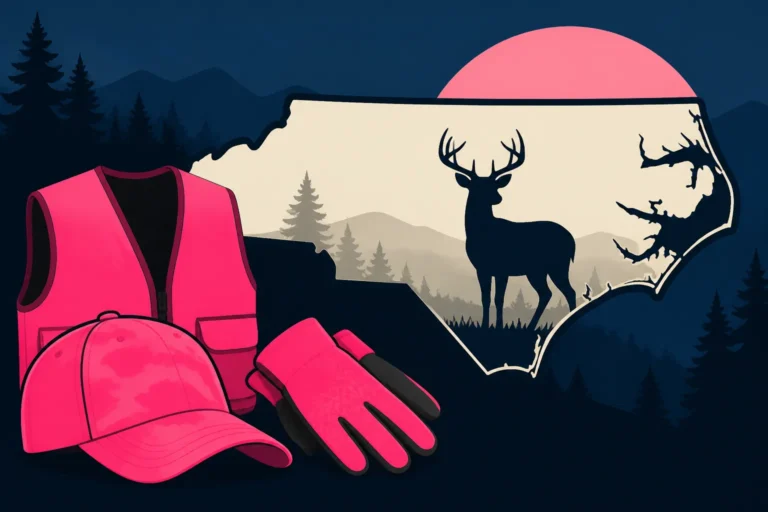
Safety is paramount, especially during gun season on public lands. North Carolina has specific blaze orange requirements that all hunters must adhere to, particularly when hunting deer with firearms. During the gun season for deer, bear, or elk (where applicable), all hunters, and even those accompanying them, must wear an outer garment of hunter orange or blaze pink visible from all sides. This means a hat, vest, jacket, or other item that covers at least 400 square inches above the waist. This requirement is in place to ensure maximum visibility and reduce the risk of accidental shootings. Our article on North Carolina Blaze Orange Requirements dives into the specific square inch rules.
Even if you're hunting private land, it's a wise practice to wear blaze orange during gun season, not only for your own safety but also for the safety of others who might be recreating or hunting nearby. While the requirement is for deer, bear, or elk season, it is generally a good habit to wear it anytime firearms are in use. Remember, even if you feel hidden, the bright color allows other hunters to identify you as a human, not a game animal, especially in thick cover or low light conditions common in the Western Zone.
Other Considerations for Western Zone Hunting
While deer are often the primary focus, the Western Zone offers a rich tapestry of hunting opportunities. Being aware of other concurrent seasons can enhance your overall experience and help you plan your time in the woods more effectively.
Small Game and Furbearer Seasons
The Western Zone's late deer gun season often overlaps with several small game and furbearer seasons. This means you might hear the distant baying of hounds running a coon or bear, or spot squirrels and rabbits while you're patiently waiting for a deer. Squirrel season, for example, typically opens earlier and runs concurrently with deer season for much of the fall and early winter. This can be a great opportunity to combine hunts, or simply enjoy the added wildlife activity in the woods. However, it also means you might encounter other types of hunters and their dogs, so always be aware of your surroundings and communicate respectfully with others you encounter.
Coyote hunting is open year-round in North Carolina, and while you’re out deer hunting, you might have an opportunity to harvest one. Managing coyote populations can be beneficial to deer fawn survival. Just remember to check all local regulations, especially on public lands, regarding the take of any species that isn't your primary target. Understanding North Carolina Public Land Hunting Hours can also help ensure you're in compliance, especially if you're thinking about predator hunting after dusk.
Bear Season in Western Zones
The mountainous regions of North Carolina are renowned for their healthy black bear populations, and the Western Zone deer gun season frequently overlaps with segments of the bear season. North Carolina manages its bear hunting through 22 specific bear management zones, with distinct opening and closing dates for each. Many of the Western Zone counties that are open for deer gun season also have active bear seasons, often in different "splits" throughout the fall and early winter. This means that while you're sitting in your deer stand, a large black bear could walk by, presenting a unique opportunity.
It's critical to know the specific bear season dates for the county you're hunting in and to possess the required North Carolina Bear Management Stamp. Bear hunting often has different regulations concerning methods, tagging, and reporting, so be fully informed before you decide to pursue a bear. For comprehensive details, be sure to consult our guide on Hunting the Mountain Bear Zones. Always be prepared for the possibility of encountering a bear, whether you're actively hunting them or not.
| Western Zone Deer Season Key Information | Details |
|---|---|
| Gun Season Opening | Typically mid-November (e.g., Saturday closest to November 15th) |
| Gun Season Closing | January 1st (Statewide for all gun zones) |
| Antlered Deer Limit | 2 per season (Statewide) |
| Antlerless Deer Limit | 2 per season (Subject to annual NCWRC regulation changes) |
| Archery Season Overlap | Early September until Western Zone gun opener |
| Muzzleloader Season Overlap | Approximately one week in early/mid-November, immediately preceding gun season |
| Blaze Orange Requirement | Mandatory 400 sq. inches above the waist during gun season (or blaze pink) |
| Harvest Reporting | Mandatory, by midnight of kill day, via NCWRC app, online, or phone |
Disclaimer
Please remember that hunting regulations, season dates, and bag limits are subject to change. Always consult the most current North Carolina Wildlife Resources Commission (NCWRC) regulations before planning or undertaking any hunting activity. This guide is for informational purposes only and does not constitute legal advice.