Eastern Zones Gun Season Dates
It can be incredibly frustrating trying to nail down the exact gun deer season dates in North Carolina, especially when you're looking at the eastern half of the state. With different zones and counties seemingly doing their own thing, it feels like you need a legal degree just to plan your hunting trips! This comprehensive guide is here to untangle that web for you, focusing specifically on the gun season dates for North Carolina's Eastern Zones, helping you understand when to hit the woods and what to expect.
Deciphering North Carolina's Deer Zones
Before we dive into the nitty-gritty of opening and closing dates, it's absolutely vital to understand how North Carolina structures its deer hunting seasons. It’s not a one-size-fits-all approach, and frankly, that's where a lot of the confusion stems from. The state is divided into distinct zones, each with its own calendar for various weapon types. Missing this fundamental concept can mean you're either hunting illegally or missing out on prime opportunities.
Why the Zones Exist
North Carolina is a incredibly diverse state, stretching from the high peaks of the Appalachian Mountains down to the coastal plain and barrier islands. This vast difference in habitat, deer populations, and even hunting traditions means that a single statewide season just wouldn't make sense from a wildlife management perspective. Deer in the mountains might breed at a different time than those living near the coast, and hunting pressure varies wildly between densely populated areas and remote wilderness. The North Carolina Wildlife Resources Commission (NCWRC) uses these zones to manage the deer herd effectively, balancing conservation with recreational hunting opportunities. It's a complex system, but it's designed to ensure healthy deer populations across the state for generations to come.
The Four Deer Zones at a Glance
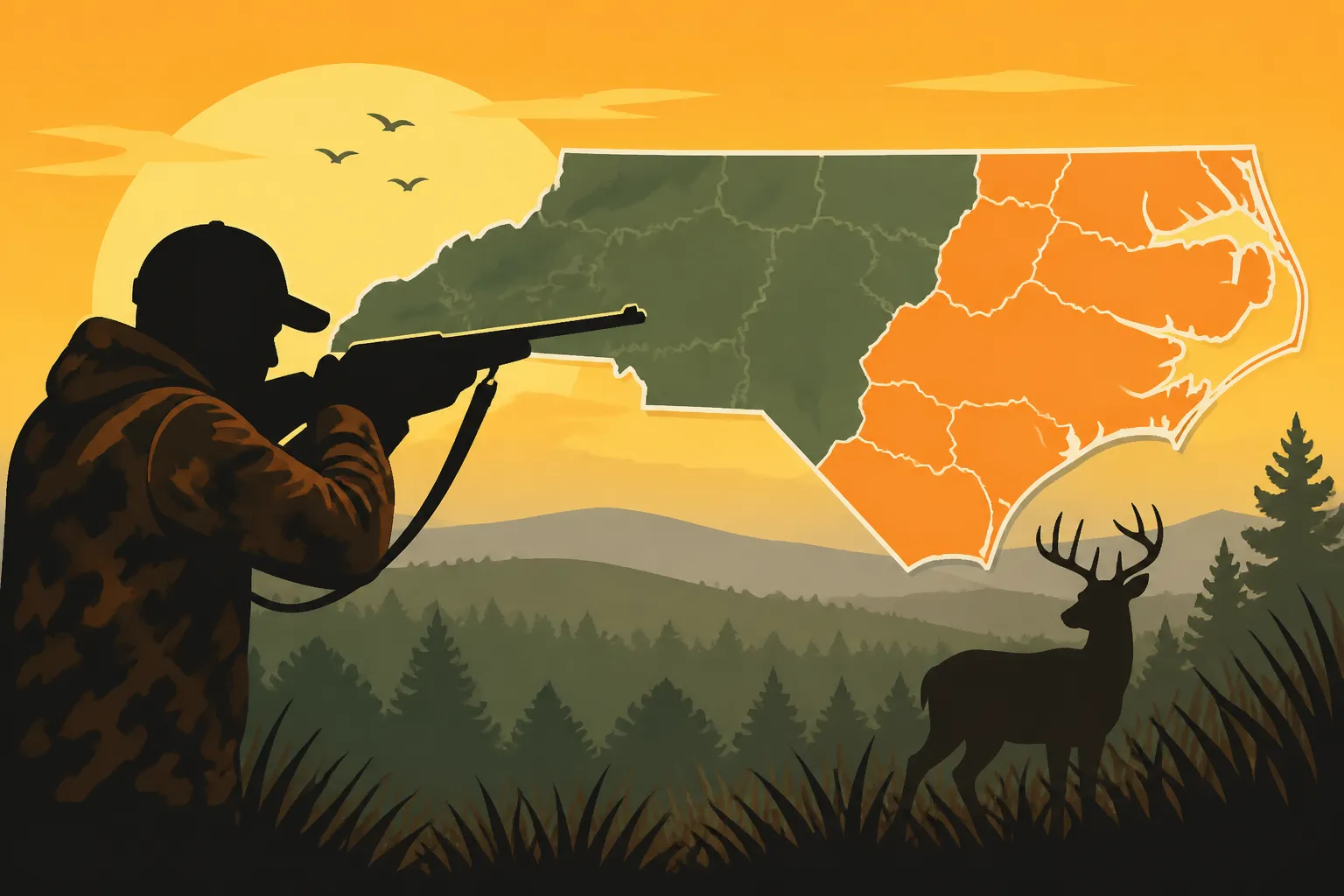
While our focus today is primarily on what hunters often refer to as the "Eastern Zones" – which for the NCWRC actually means the official "Eastern Zone" and the "Central Zone" – it's helpful to see how these fit into the broader picture. The NCWRC officially divides the state into four distinct gun deer zones: Eastern, Central, Northwestern, and Western. These zones dictate when you can legally hunt with a rifle or shotgun for deer.
Here’s a quick overview of how they generally compare:
| NCWRC Zone | Primary Geographic Area | Gun Season Opening (General) | Gun Season Closing | General Habitat Characteristics |
|---|---|---|---|---|
| Eastern Zone | Coastal Plain | First Saturday after October 10 | January 1 | Flat, agricultural, swamps, pocosin, maritime forests |
| Central Zone | Northern Piedmont | First Saturday after October 20 | January 1 | Rolling hills, mixed hardwoods/pines, agriculture, suburban fringes |
| Northwestern Zone | Southern Piedmont/Foothills | First Saturday after October 30 | January 1 | Hillier, mix of agriculture and denser timber, river bottoms |
| Western Zone | Mountains (west of Blue Ridge) | First Saturday after November 10 | December 10 | Steep terrain, dense forests, limited agriculture, high elevations |
As you can see, the opening dates progressively get later as you move west across the state, reflecting the differing deer behaviors and environmental conditions. For those of us hunting the "Eastern Zones" in common parlance, we're primarily concerned with the official Eastern Zone and Central Zone dates. If you're unsure which zone your target county falls into, checking the official NCWRC regulations or using a mapping tool like GoHunt can save you a lot of headache. Knowing North Carolina's Four Gun Deer Zones thoroughly is truly your first step to a successful season.
Eastern and Central Zone Gun Season Dates Explained
Now, let's zero in on the dates that matter most for hunters in the eastern and central parts of North Carolina. These are typically the earliest gun seasons to open in the state, drawing eager hunters who have been counting down the days since archery season began.
Coastal Plain (Official Eastern Zone) Opening and Closing
If you're hunting in North Carolina's sprawling Coastal Plain, you're in the official "Eastern Zone." This zone typically kicks off its gun season on the first Saturday after October 10th. This means that depending on the year, the opening day can shift slightly, but it generally falls between October 11th and October 17th. For many, this is the most anticipated day of the year, signaling the true start of deer season with firearms. Imagine the crisp autumn air, the rustle of leaves underfoot, and the anticipation of that first whitetail moving through the pines.
The season in this expansive zone then runs continuously, without major breaks for deer, all the way through January 1st. That gives hunters a long window, spanning from the early fall through the post-rut period and into the depths of winter. This extended season allows for a variety of hunting strategies and conditions, from warm early-season hunts in standing crops to cold late-season sits in a bottomland swamp. You'll find hunters chasing deer through everything from dense pocosin thickets to wide-open agricultural fields.
Northern Piedmont (Official Central Zone) Opening and Closing
Just to the west of the Coastal Plain, you'll find the "Central Zone," which covers a significant portion of North Carolina's Northern Piedmont. The gun season here starts a bit later than in the Coastal Plain, opening on the first Saturday after October 20th. This usually means an opening day somewhere between October 21st and October 27th. While it's only about a week or so after the Coastal Plain opener, that difference can feel like an eternity when you're itching to get your rifle out.
Similar to the Eastern Zone, the Central Zone's gun season also runs through January 1st. This provides ample opportunity for hunters in the rolling hills and farmlands of the Piedmont. The habitat in the Central Zone is often characterized by a mix of mature hardwoods, pine plantations, and expansive agricultural fields. Hunters here often focus on traditional woodlots, creek bottoms, and the edges of standing corn or soybean fields. Whether you're hunting a small private tract near a bustling town or a larger game land, understanding these specific dates is critical for planning your hunts. Don't forget, whether you're in the Central or Eastern Zone, you'll want to review North Carolina Deer Reporting Requirements to properly check in your harvest.
Specific Eastern Zone County Breakdowns
Even within the broad "Eastern Zone" and "Central Zone" classifications, it's worth taking a moment to consider how individual counties within these zones might feel different to hunters. While the general season dates apply uniformly across all counties within a given zone, the local terrain, deer densities, and hunting pressure can create unique experiences.
Coastal Counties and Their Nuances
Imagine yourself hunting in a county like Craven or Pamlico. Here, the landscape is often flat, riddled with extensive swamps, river bottoms, and dense pocosin cover. These conditions can make hunting both incredibly challenging and incredibly rewarding. The gun season opens on that familiar first Saturday after October 10th. Early in the season, temperatures can still be warm, and deer might be heavily utilizing standing crops like corn or beans, or browsing on lush vegetation within the swamps. As the season progresses into November, the rut will kick in, offering peak opportunities for aggressive bucks. Late season can be excellent for targeting deer pushed into thick cover, especially after crop harvests.
Counties like Hyde or Dare, closer to the coast and the sounds, might present even more unique challenges with maritime forests and marshy areas. Access can be tougher, often requiring boats or extensive walking. However, these areas can hold some truly impressive deer. The sheer density of cover means that deer drives are a common tactic on public lands, where groups of hunters work together to move deer out of impenetrable thickets. Learning to hunt Hunting Coastal Plain Pocosin Swamps can give you a real edge in these challenging environments.
Piedmont Counties and Their Specifics
Moving into the Central Zone, counties like Wake, Johnston, or Nash offer a different hunting experience. Here, the rolling topography, more fragmented woodlots, and greater suburban interface shape how and where deer are hunted. The gun season, remember, opens on the first Saturday after October 20th. Early season often involves hunting field edges or natural funnels between smaller timber blocks. Property lines become more critical, and scouting for travel corridors between bedding areas and food sources is paramount.
In these Piedmont counties, deer often adapt to human presence, becoming more nocturnal or utilizing dense pockets of cover close to developed areas. Access to private land is often highly sought after, as it can offer less pressured hunting. Public land options exist, but they typically see significant pressure, especially on opening weekend. Understanding Hunting Piedmont Farmland Deer requires a different set of skills than swamp hunting. Using tools like GoHunt can be invaluable here for pinpointing those small, overlooked pockets of cover or identifying crucial property boundaries that might offer an advantage. Late season in these areas, particularly after crops are down, often involves focusing on remaining food sources like acorns, persimmons, or winter food plots.
Key Regulations and Considerations for Eastern Zone Hunters
Knowing the season dates is just one piece of the puzzle. To ensure a safe and legal hunt in North Carolina's Eastern Zones, you need to be aware of several other critical regulations and best practices. Overlooking these details can quickly turn a memorable hunting trip into a regrettable experience.
Bag Limits and Reporting Requirements
North Carolina has specific bag limits that vary by zone and deer type (antlered vs. antlerless). For hunters in the Eastern and Central Zones, the typical bag limit is six deer total, with a maximum of two antlered bucks and a minimum of four antlerless deer. This emphasis on antlerless deer is a management strategy to help control population growth and maintain a healthy buck-to-doe ratio. It’s crucial to know your North Carolina Deer Bag Limit Rules before you head out.
Beyond the harvest itself, every deer taken in North Carolina must be reported. This is a mandatory requirement that helps the NCWRC track harvest numbers, monitor population trends, and make informed management decisions. Reporting is typically done through the NCWRC's mobile app, their online portal, or by calling a toll-free number. You generally have a deadline of noon the day after the harvest to report your deer. Failing to report a deer is a violation, so make it a priority. It's truly a straightforward process once you've done it a couple of times, but if you're new to it, get familiar with North Carolina Deer Reporting Requirements well before opening day.
Blaze Orange Rules and Safety
Safety is always paramount when hunting, and in North Carolina, that means adhering to blaze orange requirements during gun season. For hunters in North Carolina's Eastern and Central Zones, as with all gun deer seasons statewide, you are required to wear at least 500 square inches of solid blaze orange on your outer clothing. This must be visible from all sides (above the waist) and include a blaze orange hat or cap. This rule applies to everyone hunting deer with a firearm, including archery hunters who might be in the woods during the overlap with gun season. The only exception to this is if you are hunting on private land and are positioned in an elevated stand 10 feet or more above the ground. Even then, many seasoned hunters opt to wear blaze orange for added safety.
This isn't just a rule; it's a critical safety measure designed to make hunters visible to each other and prevent accidents. Whether you choose blaze orange or the increasingly popular blaze pink, understanding North Carolina Blaze Orange Requirements is non-negotiable. Always treat every firearm as if it's loaded, be sure of your target and what's beyond it, and exercise extreme caution, especially when walking through dense cover or making drives.
Navigating the Opening Weeks and Beyond
The gun deer season in North Carolina's Eastern Zones offers a long and varied period for hunting. From the initial rush of opening day to the quiet, cold days of late December, each phase presents its own unique opportunities and challenges. Understanding these shifts can greatly influence your success.
Early Season Tactics and Challenges
The opening week in the Eastern and Central Zones is often a mixed bag. You'll find a lot of enthusiastic hunters in the woods, especially on public lands, leading to higher pressure. Deer might still be on a relatively predictable summer pattern, focusing heavily on available food sources like acorns, standing soybeans, or recently cut cornfields. However, the sudden increase in hunting pressure can quickly make them more nocturnal or push them into the thickest, most impenetrable cover.
Temperatures can still be quite warm during that first week in mid-October, especially in the Coastal Plain. This heat means you need to be extra vigilant about meat care, field dressing quickly, and getting your deer cooled down to prevent spoilage. Hydration is also key for hunters. Tactics for this period often involve sitting over prime food sources at dawn and dusk, or still-hunting slowly through known travel corridors. Being strategic with your entry and exit routes to minimize disturbance is crucial. A great way to get a leg up on others is Reading Aerial Photos for Piedmont Deer before the season even begins, identifying those overlooked pockets.
The Rut and Late Season Opportunities
As November progresses into December, the hunting landscape in the Eastern Zones truly transforms. The peak of the whitetail rut typically occurs in mid-November for much of the Eastern and Central Zones, although it can vary slightly by specific region. This is arguably the most exciting time to hunt, as bucks become more active during daylight hours, cruising for does and responding to calls. Tactics like rattling, grunting, or using doe bleats can be highly effective during this period, bringing a cautious buck within range. Understanding Hunting the North Carolina Rut by Zone is essential for maximizing your chances.
Once the rut winds down and we move into late December and early January, deer shift back to a focus on food and thermal cover. Temperatures drop, and many natural food sources have been depleted. Hunters should concentrate on remaining food sources such as late-dropping acorns, winter food plots, or browse in sheltered areas. Deer will often bed in thickets or south-facing slopes to catch the sun's warmth. Pressure usually wanes significantly by this point, offering a more peaceful hunting experience for those willing to brave the cold. Staying out and Hunting Into the January First Close can be incredibly productive for patient hunters.
Beyond Deer: Overlapping Seasons and Other Game
While deer hunting often dominates our thoughts, especially during gun season, it's important to remember that other hunting opportunities often overlap in North Carolina's Eastern Zones. Being aware of these can add diversity to your hunting experience or simply help you understand other activities happening in the woods.
Small Game Overlaps
During the gun deer season in the Eastern and Central Zones, several small game seasons are also open. Squirrel season in North Carolina generally opens in October, meaning you might encounter squirrel hunters in the same woods. Rabbit season often begins in November. This overlap means more activity in the woods, so always be mindful of other hunters.
If you're primarily deer hunting, hearing shots from a squirrel hunter can be frustrating, but it's part of hunting in a diverse state. Conversely, if you're a small game hunter, be keenly aware of deer hunters in blaze orange and make your presence known. This shared space underscores the importance of communication and courtesy among all hunters. Always double-check the specific dates for small game in the NCWRC regulations, as they can sometimes vary slightly from year to year.
Waterfowl and Predator Seasons
For those hunting near water bodies in the Coastal Plain, especially in counties like Currituck, Dare, or Hyde, the deer gun season often overlaps with portions of the waterfowl season. Imagine being in a treestand and hearing the distant calls of geese or the rapid wings of a teal flock. Waterfowl hunters might be present in marshes, impoundments, or along coastal rivers. Understanding North Carolina Coastal Duck Zone Rules is important if you plan to partake in duck hunting or are simply curious about the activity around you.
Furthermore, predator hunting for coyotes is open year-round in North Carolina on private land, and during open hunting seasons on public land. It's not uncommon to see or hear coyotes while deer hunting, and some deer hunters will carry a predator call or even take a coyote if the opportunity arises. Hogs are also a year-round target on private land without a bag limit or closed season in North Carolina, and during legal hunting seasons on public lands. Encountering hogs while deer hunting, particularly in the Coastal Plain, is becoming more common. These overlaps create a dynamic hunting environment where you might see or hear a variety of species and activities beyond just deer. Before you embark on any hunting adventure, make sure you have your North Carolina Hunting Licenses and What They Cost in order.
Disclaimer
Please remember that hunting regulations can change, and it is always your responsibility to consult the most current North Carolina Wildlife Resources Commission (NCWRC) regulations before engaging in any hunting activity. This guide provides general information and should not be used as the sole source for legal hunting practices. Stay safe, informed, and ethical in the field.