North Carolina Trapping License Requirements
Figuring out the exact requirements for trapping in North Carolina can feel like navigating a dense coastal pocosin after a heavy rain – confusing, mucky, and easy to get turned around. Many folks assume a general hunting license covers everything, or they're unsure if their occasional nuisance animal removal even counts as "trapping" in the eyes of the law. This guide is here to clear the mud, walking you through everything you need to know about North Carolina's trapping license requirements, so you can set your traps with confidence and stay on the right side of wildlife regulations.
Understanding North Carolina's Trapping Landscape
Trapping has a long and storied history in North Carolina, from early settlers relying on furs for warmth and trade, to modern wildlife management and recreational pursuits. But just like any interaction with our wild spaces, it comes with a set of rules designed to ensure sustainable populations and ethical practices. Ignoring these rules, especially concerning licenses, can lead to stiff penalties and undermine conservation efforts.
Who Needs a Trapping License and Why
The most fundamental question new trappers ask, and even seasoned hunters sometimes ponder, is whether they actually need a specific license to trap. The short answer is, for almost all recreational or commercial trapping of furbearers and other game animals, yes, you absolutely do. The North Carolina Wildlife Resources Commission (NCWRC) mandates specific licenses to ensure that trapping activities are regulated. This isn't just about collecting fees; it's a critical component of wildlife management. Licensing helps the state track participation, fund conservation programs, and gather data that informs season setting and population estimates for species like raccoons, beavers, and muskrats.
Imagine you're new to trapping and want to try your hand at catching some gray fox or bobcat in the mountains. You might already have your general hunting license, which feels like it should cover all your outdoor pursuits. But the reality is that trapping is distinct, requiring its own specialized privilege. Without that specific trapping license, even if you’re following all other regulations regarding trap types and season dates, you’re operating outside the law. It’s a common misconception, and one that the NCWRC takes seriously, because proper licensing is the first step in responsible harvesting.
The Different Types of Trapping Activities
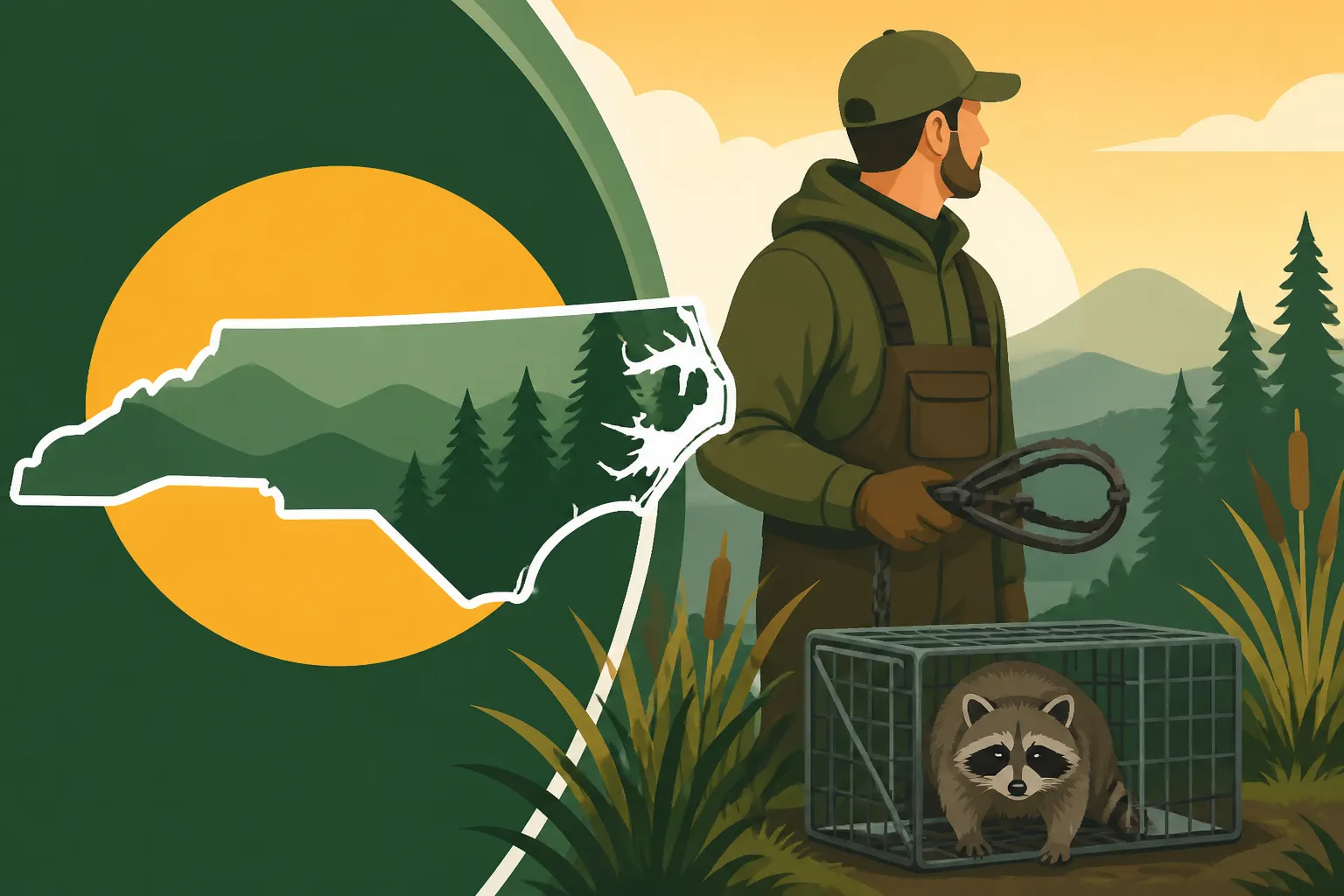
Trapping in North Carolina isn't a one-size-fits-all activity, and the kind of trapping you intend to do can sometimes influence the permits or licenses you'll need, beyond the basic trapping privilege. Generally, we can break it down into a few categories: recreational trapping, commercial trapping, and depredation/nuisance wildlife trapping.
Recreational trapping is what most weekend warriors envision – setting a few traps for raccoons, opossums, or muskrats, perhaps to enjoy the outdoors, learn a new skill, or even process a few furs for personal use. For these activities, the standard trapping license is typically sufficient, in addition to a base hunting license. Then there's commercial trapping, where the intent is to harvest furbearers for sale. This often involves more traps, more time invested, and a greater impact on local populations, but still falls under the same general trapping license, provided all regulations are met. The key distinction often lies in the volume and intent, but the foundational license requirement remains.
A slightly different beast is depredation or nuisance wildlife trapping. Let's say you've got beavers flooding your culverts in eastern North Carolina, or a family of raccoons turning your shed into their private buffet. While you can take steps to mitigate these issues, even these situations often require specific permits or knowledge of exemptions. For instance, landowners can remove nuisance animals on their own property under certain conditions, but generally, hiring a professional nuisance wildlife control agent means they need to be properly licensed, which includes their own trapping credentials. This highlights how pervasive the need for proper licensing is, even when addressing problems right on your own land. For broader information, you might find our guide on North Carolina Feral Hog Regulations insightful, as hogs can also be a nuisance species with unique trapping rules.
Navigating the Specific Trapping License Requirements
So, you've decided trapping is for you, or you need to address a persistent wildlife problem. Now comes the nitty-gritty: what exactly do you need to buy? It's not always as simple as picking up a "trapping license" off the shelf. North Carolina's system often layers privileges on top of a foundational license, much like how a bear stamp is added to a big game license.
Base Licenses and Privilege Licenses
In North Carolina, trapping isn't usually a standalone license you can just purchase. It's considered a "privilege" that generally needs to be added to an existing base hunting license. This means that before you can even think about buying a trapping license, you'll likely need a valid hunting license. For residents, this could be an Annual Hunting License, a Comprehensive Hunting License, or a Lifetime Hunting and Trapping License. For nonresidents, options like the Annual Nonresident Hunting License or a specialized 10-Day Nonresident Hunting License might serve as your base. Understanding your North Carolina Resident Hunting License Options or North Carolina Nonresident Hunting License Options is the crucial first step.
Once you have that base, you can add the "Trapping License" privilege. This is the specific permit that legally allows you to trap furbearers and nuisance wildlife. The cost varies for residents and nonresidents, with nonresidents typically paying significantly more. There are also age considerations; generally, anyone over the age of 16 needs these licenses. However, North Carolina does have a North Carolina Mentored Youth Hunting Rules program, which can provide opportunities for younger individuals to learn and participate under the direct supervision of a licensed adult. It’s always best to check the most current regulations on the NCWRC website or through resources like the GoHunt app to ensure you're covered.
Here's a simplified breakdown of common license types related to trapping:
| License Type | Resident Cost (Approx.) | Nonresident Cost (Approx.) | What it Generally Covers | Notes |
|---|---|---|---|---|
| Annual Trapping License | $16 | $150 | Trapping of furbearers and nuisance wildlife for recreational or commercial purposes. | This is a privilege license and generally requires a base hunting license (e.g., Annual Hunting or Comprehensive Hunting) to be valid. Landowners may be exempt when trapping on their own property. |
| Annual Hunting License | $20 | $100 | Hunting all lawful game animals, birds, and furbearers. | Often serves as the base license needed before you can add the Annual Trapping License privilege. |
| Annual Comprehensive Hunting License | $36 | $200 | Hunting all lawful game animals, birds, and furbearers, plus hunting on game lands. | Another common base license option, which also includes Game Lands privileges, useful if you plan to trap on public land. |
| Lifetime Hunting & Trapping | Varies (age-dependent) | N/A | Lifetime hunting and trapping privileges. | A one-time purchase that can be a great long-term investment for dedicated hunters and trappers. Eliminates annual renewal hassle. |
Costs are approximate and subject to change by the NCWRC. Always verify current prices before purchase.
Specific Furbearer Seasons and Reporting
Just having the right license isn't the end of the story. North Carolina has very specific seasons for various furbearers, and these seasons dictate when you can legally set your traps. You can't just set traps year-round for everything; that's where conservation management comes into play. For instance, the North Carolina Fox and Bobcat Trapping Season typically runs for a specific period, often coinciding with colder months when furs are prime. Similarly, there are regulated North Carolina Raccoon Season Dates and North Carolina Muskrat and Mink Trapping Trends that you must adhere to.
These seasons are established by the NCWRC based on biological data, population health, and hunter/trapper impact. Ignoring these dates means you're not just breaking a minor rule; you're potentially impacting the sustainability of these species. Imagine catching a prime bobcat, only to realize you were a week outside the legal season. All your effort, all the ethical considerations you've tried to uphold, could be invalidated, and you could face significant North Carolina Wildlife Violation Penalties.
Beyond season dates, there can also be bag limits or reporting requirements, though these are more common for hunted game like deer or turkey. While furbearers typically don't have mandatory individual reporting for each animal trapped, it's always wise to stay informed. Tools like the NC Wildlife App are invaluable for checking real-time regulations, season dates, and even locating public lands where trapping might be permitted. Services like GoHunt also often provide comprehensive state-by-state breakdowns of regulations, allowing trappers to easily access the latest information to ensure full compliance. This proactive approach helps protect our natural resources and ensures the future of trapping in the state.
Exemptions, Regulations, and Ethical Trapping Considerations
Even with a robust licensing system, there are nuances and specific situations where the rules might bend or additional regulations come into play. It's essential to understand these finer points to ensure you're always operating within the spirit and letter of North Carolina's wildlife laws.
Who Might Not Need a General Trapping License
While the general rule is that you need a license to trap, there are some important exceptions, primarily for landowners. If you own the land, or are a lessee of the land, you (and members of your immediate family residing with you) are generally exempt from needing a trapping license when trapping on your own property. This exemption is typically for personal use or nuisance control and doesn't usually extend to trapping for commercial purposes if you intend to sell the furs. For example, if you have a beaver destroying your pond dam on your 50-acre farm in Bertie County, you could, theoretically, trap that beaver without a general trapping license, provided you adhere to all other methods and seasons.
However, it's crucial to stress that even with this landowner exemption, all other trapping regulations still apply. This means you must use legal traps, check them within the prescribed timeframes, and respect season dates for furbearers. This exemption is not a free pass to ignore responsible trapping practices. Another exemption might apply to licensed nuisance wildlife control agents who operate under specific permits for removing problem animals. They have their own regulatory framework, often more stringent, but still centered around managing wildlife impacts safely and ethically. Always confirm these details with the NCWRC directly if you're unsure about your specific situation, as rules can occasionally change.
Beyond the License: Key Trapping Regulations to Know
Possessing the correct license is foundational, but it's just the start. North Carolina has a comprehensive set of regulations governing how trapping can be done. These rules are designed to ensure humane treatment of animals, public safety, and to minimize conflicts with other land users.
One of the most critical areas of regulation concerns trap types. North Carolina specifies what types of traps are legal, and often, where they can be set. For example, specific sizes of foothold traps are legal, as are certain body-gripping (Conibear-style) traps and snares. However, there are often restrictions on where these more powerful traps can be used, particularly near public roads or dwellings, to prevent accidental injury to pets or people. You can’t just set a large Conibear trap willy-nilly in a high-traffic area. There are also specific setback rules, such as a prohibition on setting traps within 10 feet of the land of another without their written permission, or within 50 feet of the center of a public road.
Furthermore, trap checking requirements are paramount. Most regulations mandate that traps be checked at least once every 24 hours. This is a humane practice, ensuring that animals caught are either quickly dispatched or released if non-target species. Neglecting to check traps can result in an animal suffering unnecessarily, which is not only unethical but illegal. It's also required that all traps be tagged with the trapper's North Carolina Wildlife Resources Commission customer number, so if a trap is found, it can be traced back to its owner.
Finally, consider safety and visibility. While primarily aimed at hunters, if you're trapping on public land during an open hunting season, or if you're hunting and trapping simultaneously, you need to be aware of North Carolina Blaze Orange Requirements. Wearing blaze orange helps prevent accidents by making you visible to other users of public lands like game lands in Sampson County or the vastness of the Nantahala National Forest. All these regulations, from licensing to trap placement and checking, work in concert to create a responsible and sustainable trapping environment in North Carolina.
Disclaimer
The information provided in this guide is for general informational purposes only and does not constitute legal advice. North Carolina hunting and trapping regulations are subject to change. Always consult the most current regulations directly from the North Carolina Wildlife Resources Commission (NCWRC) or a qualified legal professional before engaging in any hunting or trapping activities.