Cleaning a Rifle After a Wet Sit
We've all been there: you've spent hours, maybe even an entire day, braving the unpredictable North Carolina weather. Whether it was a sudden afternoon shower in the Piedmont, a full day of steady drizzle in the mountains, or pushing through a misty pocosin swamp, your rifle has likely gotten wet. When you finally get back to the truck or camp, tired and maybe a little chilled, the last thing you want to think about is more work. But trust me, neglecting that damp firearm can lead to heartbreak down the road. This guide is all about giving your rifle the care it deserves after a wet sit, ensuring it's ready for your next hunt and stands the test of time.
Why a Wet Hunt Demands Immediate Attention
You might wipe down your rifle with a rag and think, "Good enough for now." But in North Carolina's often humid climate, especially in the coastal regions or after a heavy dew in the mountains, that moisture can linger in places you can't even see. It’s not just about aesthetics; it's about preserving your investment and, more importantly, ensuring your rifle functions flawlessly when you need it most.
The Silent Threat of Rust and Corrosion
Rust is the arch-nemesis of any firearm, and moisture is its best friend. When water, especially stagnant water or water mixed with dirt and grime, comes into prolonged contact with metal, oxidation begins. This process is accelerated by humidity and temperature fluctuations, which are common across North Carolina throughout hunting seasons. That tiny speck of rust you might dismiss can quickly spread, pitting the metal and compromising the rifle's integrity. A rusty bore can affect accuracy, while corrosion in the action can lead to malfunctions or sticky operation – things you absolutely don't want when that buck of a lifetime steps out.
Think about it: you spend hours Scouting North Carolina Public Land Before Season, meticulously checking trail cameras and wind currents, all for that perfect shot. To have it ruined by a preventable maintenance issue because a little rain wasn't dried properly? That's a hunter's nightmare. Especially after trudging through a Hunting Coastal Plain Pocosin Swamps, where moisture is practically a way of life, your rifle needs extra attention.
Beyond the Barrel: Hidden Rust Traps
Most hunters instinctively clean the bore, and that's great. But a rifle is a complex machine with many nooks and crannies where moisture can hide, completely out of sight. The action, for instance, has countless small springs, pins, and crevices. If water gets into these areas and sits, even for a day or two, it can start to corrode these critical components, leading to sluggish triggers or extraction issues.
The exterior of the barrel and receiver, often protected by a finish, can still harbor moisture under scope mounts, sling swivels, or even beneath a scope that wasn't properly sealed. Wood stocks, especially older ones, can swell or crack if repeatedly exposed to moisture and then dried improperly. Synthetic stocks, while more resistant to water, still conceal metal components like action screws and bedding surfaces that are vulnerable. Even your optics, if not truly waterproof, can develop internal fogging or corrosion. That's why a comprehensive approach is vital, addressing every part of your firearm after a wet outing.
Essential Gear for Post-Hunt Rifle Care
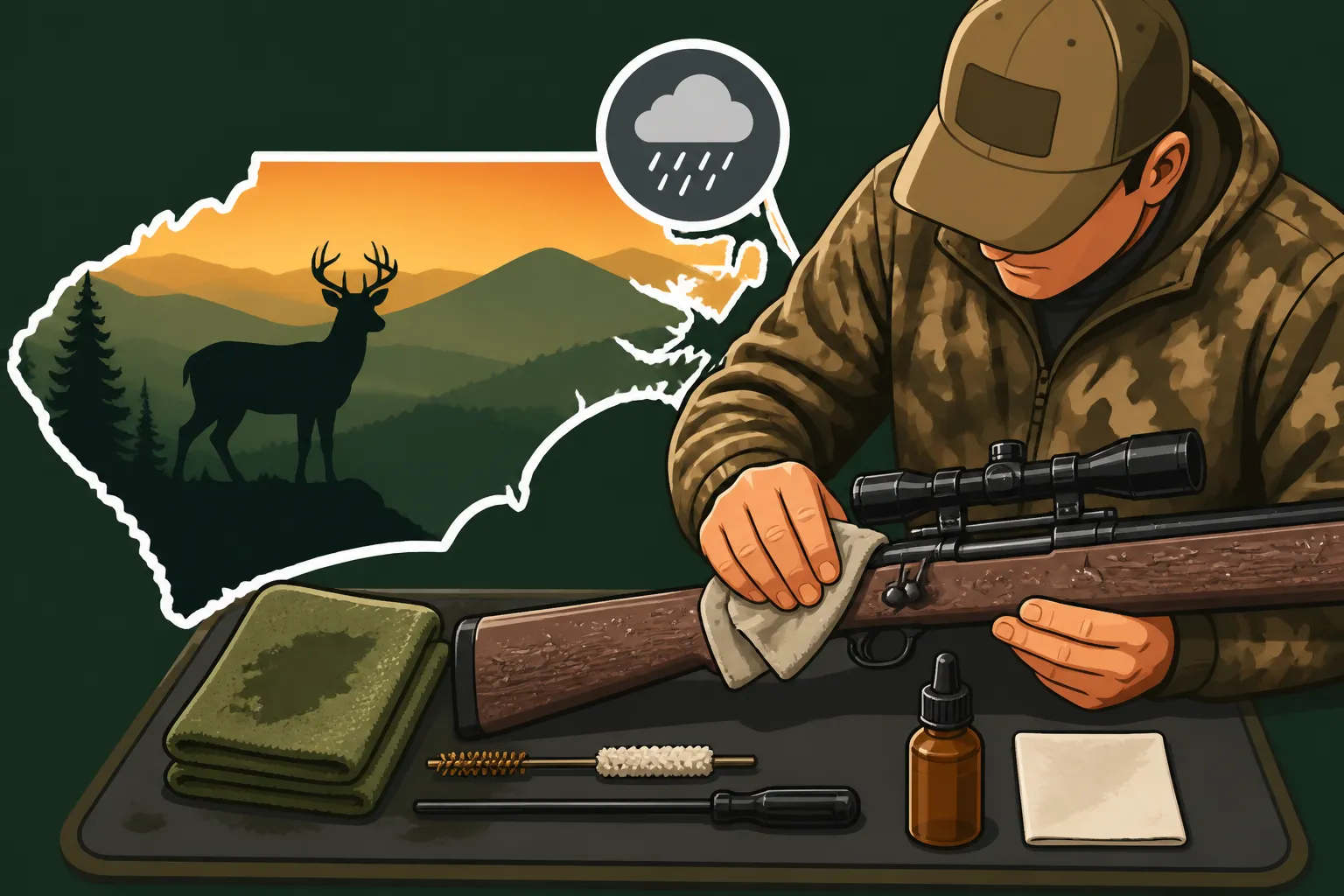
Before you even begin, having the right tools makes all the difference. You wouldn't try to field dress a deer with a butter knife, and you shouldn't try to properly clean a wet rifle with just a paper towel and WD-40. Investing in a quality cleaning kit and understanding what each piece does is fundamental to effective rifle maintenance.
Your Cleaning Kit Must-Haves
A basic yet robust cleaning kit is your best friend. Here's what you'll want on hand:
- Cleaning Rod: A sturdy, one-piece coated rod is ideal to prevent damage to your barrel's rifling. Make sure it's the correct caliber.
- Bore Brushes: Bronze brushes are aggressive enough to remove fouling but soft enough not to damage steel. Have a few in your rifle's caliber.
- Nylon Brushes: Great for scrubbing the action and other external parts without scratching finishes.
- Jags and Patches: Jags help push patches through the bore, while patches physically wipe out fouling and apply solvents/oils. Get patches sized for your caliber.
- Cotton Swabs/Q-Tips: Indispensable for reaching tiny crevices in the action, trigger group, and around the bolt face.
- Clean Rags/Microfiber Cloths: For wiping down external surfaces and applying protective oils. Dedicate some just for cleaning and others for oiling.
- Rubber Mallet (Optional but helpful): Sometimes a stubborn pin or component needs a gentle tap during disassembly.
- Work Mat: Protects your table and provides a clean surface to work on.
Choosing the Right Solvents and Oils
The North Carolina climate, with its humidity swings, means you need products that not only clean but also provide superior corrosion protection.
- Bore Cleaner/Solvent: This is designed to break down carbon, copper, and lead fouling in the barrel. Look for a quality solvent that specifies what it removes. Some modern solvents are "all-in-one" bore cleaners, cutting down on steps.
- Degreaser/Action Cleaner: For the action and trigger group, a non-residue degreaser or specialized action cleaner can flush out grime and old oil. Just be careful around plastic or composite parts, as some harsh degreasers can affect them.
- Rust Preventative/Protective Oil (CLP – Cleaner, Lubricant, Protectant): This is crucial after a wet hunt. A good CLP will clean light fouling, lubricate moving parts, and most importantly, leave a protective barrier against rust. Products like Break-Free CLP or Hoppe's make excellent choices for overall protection. Consider a thicker gun grease for high-friction points or for storage, especially if you know your rifle will be sitting for a while after a really damp outing. Some hunters even swear by specific waxes or long-term rust inhibitors for external metal after an especially grueling, wet hunt. When preparing for a long season or a trip to a particularly wet area, it's wise to use a robust protectant, almost like you'd choose specific Rain Gear for a North Carolina Downpour for yourself.
| Cleaning Item | Primary Purpose | Notes for Wet Conditions |
|---|---|---|
| Bore Solvent | Removes carbon, copper, lead fouling from barrel | Essential for bore, helps displace any water. |
| Degreaser/Action Cleaner | Flushes grime, old oil from action, trigger group | Crucial for removing water from intricate action parts. |
| Rust Preventative Oil (CLP) | Cleans, lubricates, protects against rust | Most important after wet hunt. Leaves a protective film. |
| Cleaning Rod & Patches | Physical cleaning and application of chemicals | Use plenty of dry patches to soak up residual water after cleaning. |
| Bore/Nylon Brushes | Scrubbing fouling, grime, and rust spots | Helps dislodge any mud or grit brought in by water. |
| Cotton Swabs/Rags | Reaching small areas, wiping surfaces | Critical for drying and oiling hidden crevices. |
| Gun Grease | Heavy lubrication, long-term protection for specific parts | Good for pivot points or for storing a rifle after thorough drying/oiling. |
Step-by-Step Guide to Cleaning a Wet Rifle
Now that you have your gear ready, let's get down to business. Don't rush this process; patience now saves you headaches later.
Initial Field Strip and External Wipe-Down
As soon as you can, ideally when you first get home or back to camp, start the process.
- Safety First: Always, always, ALWAYS ensure your rifle is unloaded. Check the chamber and magazine well multiple times. This is non-negotiable.
- Rough Dry: Use a clean, dry rag or paper towels to wipe down every accessible external surface of the rifle. Get rid of any visible water, mud, or debris. Pay special attention to the barrel, receiver, and any exposed metal.
- Field Strip: Disassemble your rifle as per the manufacturer's instructions. For most bolt-action rifles, this means removing the bolt and separating the barreled action from the stock. For semi-autos, it'll involve taking down the upper and lower receivers or removing the bolt carrier group. The goal is to expose as much of the internal mechanism as possible.
- Air Dry (Carefully): If possible, after the initial wipe-down and before deep cleaning, allow the disassembled components to air dry in a warm, dry place for an hour or two. Don't use direct heat like a hairdryer, as this can damage finishes or warp stocks. Just let ambient air do its work. This helps any lingering moisture evaporate from hard-to-reach spots.
Deep Cleaning the Barrel and Action
This is where you tackle the real threats.
- Bore Cleaning:
- Apply bore solvent to a patch and push it through the barrel from the breach end (if possible) to the muzzle. Let it sit for a few minutes to work on the fouling.
- Attach a bore brush to your cleaning rod. Make multiple passes through the barrel, pushing all the way out the muzzle each time before pulling back. Usually, 5-10 passes are sufficient.
- Follow with solvent-soaked patches until they come out relatively clean.
- Finish with dry patches until they come out completely clean and dry. You want to remove all solvent residue and any remaining moisture.
- Action and Bolt Cleaning:
- Spray a good degreaser or action cleaner into the action and on the bolt. Use a nylon brush to scrub away any grime, old oil, or rust. This is also key for displacing water.
- Use cotton swabs or small rags to clean out all the nooks and crannies in the receiver, trigger group, and bolt. Get into every crevice you can find.
- Ensure all water and cleaning solvents are removed. A quick blast of compressed air can help here, if you have access to it, but be careful not to blast debris into sensitive areas.
- If you're hunting in the kind of conditions that make you grateful for Boots for North Carolina Swamps and Ridges, then you know that water and mud get everywhere. Be extra thorough here.
- Check for Rust: As you clean, meticulously inspect all metal surfaces for any signs of rust. If you find any light surface rust, you can often remove it with a bronze brush and a little extra solvent, or very fine steel wool (0000 grade) with oil, applied gently. Be careful not to remove the bluing or finish. If it's more severe, you might need professional help.
Protecting Metal, Wood, and Synthetics
Once clean, protect your rifle for future hunts.
- Apply Protective Oil:
- For the bore: Apply a light coat of CLP or protective oil to a patch and run it through the barrel. You want a thin film, not dripping wet.
- For the action and bolt: Apply a light coating of CLP to all metal parts of the bolt and inside the receiver. Work the bolt back and forth a few times to ensure the lubricant spreads evenly. A very tiny drop of gun grease can be applied to high-friction points, but less is often more.
- For external metal: Wipe down all external metal surfaces with a rag lightly oiled with CLP. This creates a barrier against future moisture.
- Stock Care:
- Wood Stocks: If your wood stock got wet, wipe it down immediately. After drying, apply a thin coat of a good gun stock oil or wax, rubbing it in thoroughly. This helps replenish the wood's natural oils and protects it from future moisture.
- Synthetic Stocks: Wipe clean with a damp cloth if dirty, then dry completely. No special oils are typically needed for the synthetic material itself, but ensure all metal components embedded in or attached to the stock are dried and lightly oiled.
- Reassembly and Function Check: Reassemble your rifle according to the manufacturer's instructions. Once reassembled, perform a function check: ensure the safety works, the bolt cycles smoothly, and the trigger resets. This confirms everything is put back together correctly and working as it should.
Preventing Future Water Woes
An ounce of prevention is worth a pound of cure, especially when it comes to keeping your rifle dry and rust-free in the unpredictable North Carolina wilderness.
Proactive Measures Before You Hit the Woods
Good habits start before you even leave the driveway. Taking a few extra steps can significantly reduce the impact of a wet day afield.
- Pre-Treat Your Rifle: Before a hunt where you anticipate moisture, give your rifle a good, light coat of rust-preventative oil, particularly on external metal surfaces and within the action. Products like a thin layer of gun wax or a silicone-impregnated cloth can add an extra layer of protection. This proactive film makes it harder for water to directly contact and corrode the metal. It’s like putting on your best Clothing for a North Carolina Late Season – you dress for the worst and hope for the best.
- Check Your Gear: Make sure your rifle case is truly waterproof or at least water-resistant. If you're using a soft case, consider one with a waterproof lining. For those relying on a mapping tool like GoHunt to plan their routes through potential wet areas, also use it to plan for inclement weather conditions.
- Scope Protection: Ensure your scope caps are in good working order and always on when not actively aiming. If your scope isn't fully waterproof, consider a protective scope cover. Over time, even good scopes can develop issues if repeatedly soaked, so treat them well.
- Weather Awareness: Always check the forecast. If rain is expected, adjust your gear accordingly. Knowing you're heading into a Hunting Coastal Plain Pocosin Swamps or a rainy day in the mountains will prompt you to take extra precautions.
During the Hunt: Protecting Your Firearm in the Field
Sometimes, despite your best preparations, Mother Nature decides to douse you. What you do during the hunt can make a big difference in the aftermath.
- Carry a Rag: A small, clean rag (like a bandana or microfiber cloth) in your hunting pack can be invaluable. If a light rain starts or you accidentally drop your rifle in a puddle, you can immediately wipe off excess moisture. This prevents water from settling and starting to work its corrosive magic.
- Use a Sling: A good sling keeps your rifle off the ground and out of puddles, mud, and wet leaves. When you set your rifle down, prop it up against a tree or a sturdy branch if possible, rather than laying it flat on wet ground. This is especially important when you’re doing something like Deer Drives With Three or Four Hunters and setting your rifle down while posting up.
- Cover Up: If you're sitting in a stand and rain starts, pull up a waterproof jacket or even a plastic trash bag over your rifle. Don't fully enclose it in a non-breathable bag for long periods, as condensation can become an issue, but for a short rain shower, it's a great temporary solution. Many hunters even use an umbrella while sitting in a Treestand Setups in Pisgah National Forest to keep themselves and their gear drier.
- Avoid Submersion: This might seem obvious, but be mindful when crossing creeks or navigating through deep swampy areas. Keep your rifle elevated and out of the water. If you do accidentally submerge it, treat it as a full-blown emergency cleaning situation as soon as humanly possible, even if that means cutting your hunt short. The quicker you get it apart, dried, and oiled, the better your chances of preventing serious damage. When planning routes with your GoHunt app, pay attention to water features and plan how to cross them without risking your gear.
Taking these steps, both before and during your North Carolina hunting adventures, will ensure your rifle remains a reliable and treasured piece of equipment for years to come, no matter how wet the conditions get.
Disclaimer
This article is for general informational purposes only and does not constitute professional advice. Laws, prices and regulations vary by location and change over time. Consult a qualified professional for guidance on your specific situation.