Why Surry County Drives North Carolina’s CWD Count
The ongoing challenge of Chronic Wasting Disease (CWD) in North Carolina has undoubtedly cast a shadow over our deer hunting traditions, bringing new anxieties and regulations to the forefront. For many hunters, one county, in particular, seems to be mentioned frequently when discussing the disease's prevalence: Surry County. This comprehensive guide will delve into why Surry County has emerged as a focal point for CWD in North Carolina, exploring the contributing factors and the critical implications for hunters in the region.
Understanding Chronic Wasting Disease in North Carolina
Let's be honest, hearing about CWD is unsettling. It's a real concern that changes how we think about our deer herds and our hunting future. It's not just a buzzword; it's a serious issue that demands our attention and understanding.
What CWD Is and Why It Matters
Chronic Wasting Disease is a nasty neurological disease affecting deer, elk, and moose. It's caused by abnormal proteins called prions, which slowly damage the brain and nervous system, leading to emaciation, abnormal behavior, and ultimately, death. The really worrying part? These prions are incredibly persistent in the environment and can be transmitted directly through animal-to-animal contact or indirectly through contaminated soil, plants, or carcasses. For hunters in North Carolina, the concern is clear: a widespread CWD infection could devastate our cherished deer population, impact hunting opportunities, and raise questions about venison safety. The North Carolina Wildlife Resources Commission (NCWRC) has been working tirelessly to monitor and manage its spread since the first confirmed case. Understanding the nature of this disease is the first step toward effective mitigation, and resources like those on North Carolina's Chronic Wasting Disease Areas are vital for staying informed.
North Carolina's CWD Footprint Beyond Surry
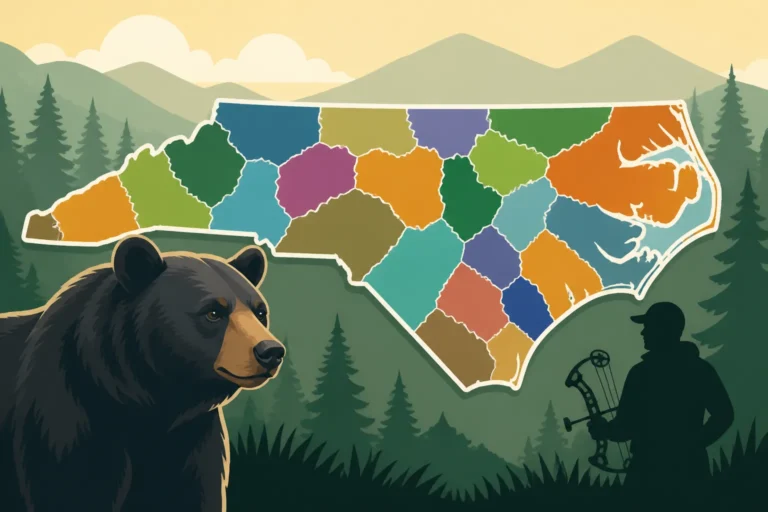
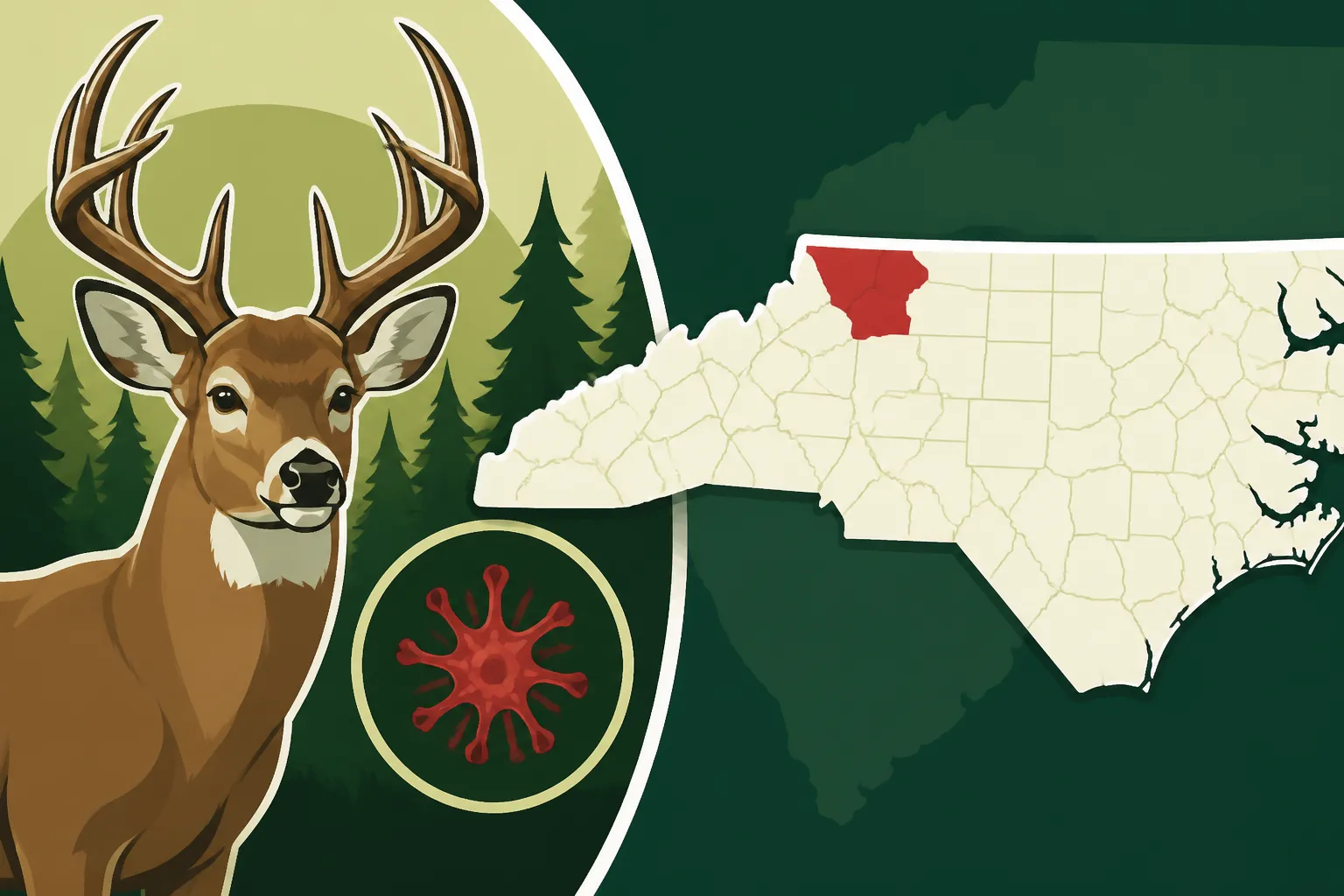
While Surry County often takes center stage in discussions about CWD here in North Carolina, it's crucial to remember that the disease isn't confined to a single county line. The initial CWD case was detected in Yadkin County back in 2022, and since then, the disease has popped up in a few other places. Currently, there's a designated CWD Management Area that includes Surry, Yadkin, Wilkes, Stokes, Forsyth, Davie, and Alleghany counties. This expanded zone means hunters in all these areas face specific regulations and heightened surveillance. However, Surry County consistently registers a higher number of positive cases, indicating a more entrenched presence within its deer population compared to some of its neighbors. This concentration makes it a critical area for biologists and hunters alike to focus their efforts. If you're wondering about the exact geographic extent, a quick look at North Carolina's Seven-County CWD Footprint will give you the full picture.
Factors Contributing to Surry County's High CWD Count
It’s easy to point fingers, but the reality of CWD spread is complex. There are multiple reasons why Surry County might be experiencing a higher count of CWD-positive deer, and it’s rarely just one isolated factor.
Deer Density and Habitat in the Yadkin Valley
One of the primary drivers behind CWD prevalence in any area is often the density of the deer population. When deer numbers are high, they have more frequent contact with each other, increasing the chances of direct transmission. The Yadkin Valley, where Surry County is located, is known for its robust deer herd. It's a landscape of mixed forests, agricultural fields, and river bottoms that provides ideal habitat and plenty of food sources, which naturally supports a thriving deer population. More deer living in close proximity means more opportunities for prions to spread.
Furthermore, the habitat itself can contribute to indirect transmission. Prions can bind to soil and plants, remaining infectious for years. Areas with frequently used deer trails, bedding areas, and feeding grounds can become "hot spots" where CWD prions accumulate. Over time, as deer continue to use these areas, the risk of picking up infectious prions from the environment increases. If you want to understand deer movement in such areas, articles like Reading a Ridge for Mountain Zone Deer or Setting Up on a Piedmont Field Edge offer insights into how deer utilize different landscapes, which can inadvertently influence disease spread.
Proximity to Known CWD Areas and Movement Patterns
Geography plays a significant role here. Surry County's proximity to other counties where CWD has been detected is a critical factor. The disease doesn't respect county lines, and deer, being wild animals, certainly don't. While the initial detection was in Yadkin, the disease easily jumps borders. Deer naturally travel within their home ranges, especially during the rut or in search of food. If a CWD-positive deer from a neighboring county wanders into Surry, or vice-versa, it can introduce or further entrench the disease.
Moreover, human-assisted movement, though often unintentional, can also contribute. This could involve hunters transporting an infected carcass from one area to another before testing, or even the illegal movement of live deer. The NCWRC has strict regulations against moving carcasses out of CWD Management Areas for this very reason. It's a tough pill to swallow, but our actions as hunters, however well-intentioned, can inadvertently contribute to the spread if we're not hyper-vigilant. This is why strict compliance with rules like Moving a Deer Carcass Out of a CWD Area is so vital.
Testing Efforts and Surveillance Intensity
Sometimes, a higher count of CWD cases can also be a reflection of more rigorous and extensive testing. When CWD was first detected, the NCWRC immediately ramped up its surveillance efforts, particularly in the affected region. It's natural that if you test more animals in a specific area, you are statistically more likely to find more positive cases. Surry County, being part of the initial detection zone and consistently showing higher prevalence, has likely been a target for intense sampling efforts by wildlife biologists.
Think of it this way: if you're looking for a needle in a haystack, and you double your search efforts in one specific corner of that haystack, you're more likely to find multiple needles in that corner compared to other areas where you're only casually looking. This isn't to say the disease isn't genuinely more prevalent in Surry, but rather that the intensified surveillance certainly contributes to the documented numbers. Hunters using tools like GoHunt can often find updated information on CWD sampling locations and requirements, ensuring they contribute to the state's data collection efforts. Being informed is key, and understanding resources like Mandatory Testing Inside a CWD Surveillance Area is crucial for compliance.
Impact on Hunters and Hunting Regulations
The presence of CWD in Surry County and the broader CWD Management Area means significant changes for hunters. It's not just business as usual; these regulations are in place to protect the herd and our hunting future.
Special Regulations and Seasons in CWD Management Areas
To combat the spread of CWD, the NCWRC has implemented specific regulations within the CWD Management Area, which naturally includes Surry County. One of the most notable changes is the implementation of a The New Special Early CWD-Zone Season. This season often targets antlered deer and aims to provide additional harvest opportunities to reduce deer density in the affected areas, which can help slow disease transmission. This might mean different opening dates, bag limits, or even weapons restrictions compared to other zones in the state. Hunters in these counties need to be incredibly diligent in checking the latest regulations before heading into the woods.
It's understandable to feel a bit frustrated by these extra rules. Hunting traditions run deep, and changes can feel disruptive. But these measures are proactive steps to manage a serious threat. Staying informed, perhaps by regularly checking the NCWRC website or using hunting apps like GoHunt, is no longer just a good idea; it's essential for anyone hunting in a CWD-affected area.
Mandatory Testing and Carcass Movement Restrictions
Perhaps the biggest direct impact on hunters in the CWD Management Area, including Surry County, involves mandatory testing and strict carcass movement rules. If you harvest a deer in a CWD-affected county, you must submit it for CWD testing. The NCWRC has set up numerous CWD sampling locations, often at taxidermists, processors, or designated drop-off sites, making it as convenient as possible. Finding a North Carolina CWD Sampling Location is an integral part of your post-harvest process if you're hunting in these areas.
Furthermore, there are severe restrictions on moving deer carcasses out of the CWD Management Area. You generally cannot transport the whole carcass, skull, or spinal column outside the zone. Only deboned meat, cleaned skull plates, antlers, and hides are typically allowed to cross into non-CWD counties. This is to prevent the physical spread of prions to new areas. These rules are non-negotiable, and violations can carry hefty penalties. It forces hunters to think differently about how they process their deer in the field or immediately after the harvest, which can be an adjustment, especially for those accustomed to taking their deer directly to a processor outside the affected zone.
Here's a quick overview of CWD-related regulations in affected areas:
| Regulation Aspect | Description | Hunter Action |
|---|---|---|
| Special Early Season | Specific hunting dates, often for antlered deer, designed to increase harvest pressure in CWD-affected zones. | Check seasonal dates meticulously. Be aware of any specific bag limits or weapon restrictions for this season. |
| Mandatory CWD Testing | All deer harvested in CWD Management Areas must be submitted for CWD testing. | Locate designated CWD sampling stations before your hunt. Be prepared to provide necessary information (harvest location, date). |
| Carcass Movement Restrictions | Whole carcasses, skulls, and spinal columns cannot be transported outside the CWD Management Area. | Debone meat and process deer within the CWD zone. Only move deboned meat, cleaned skull plates, antlers, and hides outside the area. Plan for field dressing accordingly. |
| Reporting Sick Deer | Requirement to report any deer observed showing CWD symptoms (emaciation, abnormal behavior, drooling). | Be vigilant in the field. If you see a suspicious animal, do not harvest it. Contact the NCWRC immediately with details and location. |
| No Supplemental Feeding/Baiting | Often restricted or banned in CWD zones to prevent deer congregation, which can increase transmission risk. | Verify baiting regulations for your specific hunting location. Avoid any activities that draw deer into close contact, even if legal outside CWD zones. |
What Hunters Can Do to Help
As hunters, we're not just spectators in this CWD challenge; we're on the front lines. Our actions, both big and small, can make a real difference in controlling the spread of this disease and protecting North Carolina's deer herd.
Reporting Sick Deer and Supporting Management Efforts
One of the most powerful things any hunter can do is be an extra set of eyes in the field. If you observe a deer exhibiting signs consistent with CWD – things like severe weight loss, listlessness, drooping ears, excessive drooling, or an inability to stand – it's absolutely critical to report it to the NCWRC immediately. Do not harvest an obviously sick animal. Not only does this help wildlife biologists track the disease, but it prevents potentially infected meat from entering the food chain and helps in North Carolina Wildlife Disease Monitoring. Every report helps paint a clearer picture of the disease's distribution and severity, guiding management decisions.
Beyond reporting, simply being a responsible and informed hunter is a huge contribution. Adhere strictly to all CWD regulations, no matter how inconvenient they might seem. These rules are designed to protect the resource we all cherish. Support the NCWRC's efforts by participating in voluntary testing programs if they arise, and encourage fellow hunters to do the same. We need a united front to tackle CWD effectively. Learning from available data, such as North Carolina Deer Harvest Records, can provide insights into population trends and the overall health of the herd.
Practicing Responsible Carcass Disposal
The disposal of deer carcasses is a critical aspect of CWD management, especially for those hunting in Surry County and other CWD Management Areas. The prions that cause CWD are incredibly durable and can persist in the environment for years, particularly in lymphoid tissues, brain, and spinal cord material. Improper disposal means these prions could contaminate the soil and potentially infect other deer in the future.
The general rule of thumb is to dispose of all high-risk parts (brain, spinal cord, lymph nodes, spleen) in a lined landfill or by burying them at the harvest site. Never discard these parts haphazardly in the woods, on public land, or along roadsides, especially if you're in a CWD-positive area. For hunters who opt to process their own deer at home, consider double-bagging and landfilling the high-risk parts. If you're using a professional processor, they should be well-versed in proper disposal protocols for CWD-affected areas. Being mindful and proactive about how we handle deer remains after the harvest is a simple yet profoundly impactful way to prevent further environmental contamination and protect the health of our deer population.
Disclaimer
The information provided in this guide is for general educational purposes and is not a substitute for official regulations. Hunting laws and regulations in North Carolina, especially concerning Chronic Wasting Disease, are subject to change. Always consult the most current North Carolina Wildlife Resources Commission regulations and local ordinances before engaging in any hunting activities.