North Carolina Small Game and Furbearers
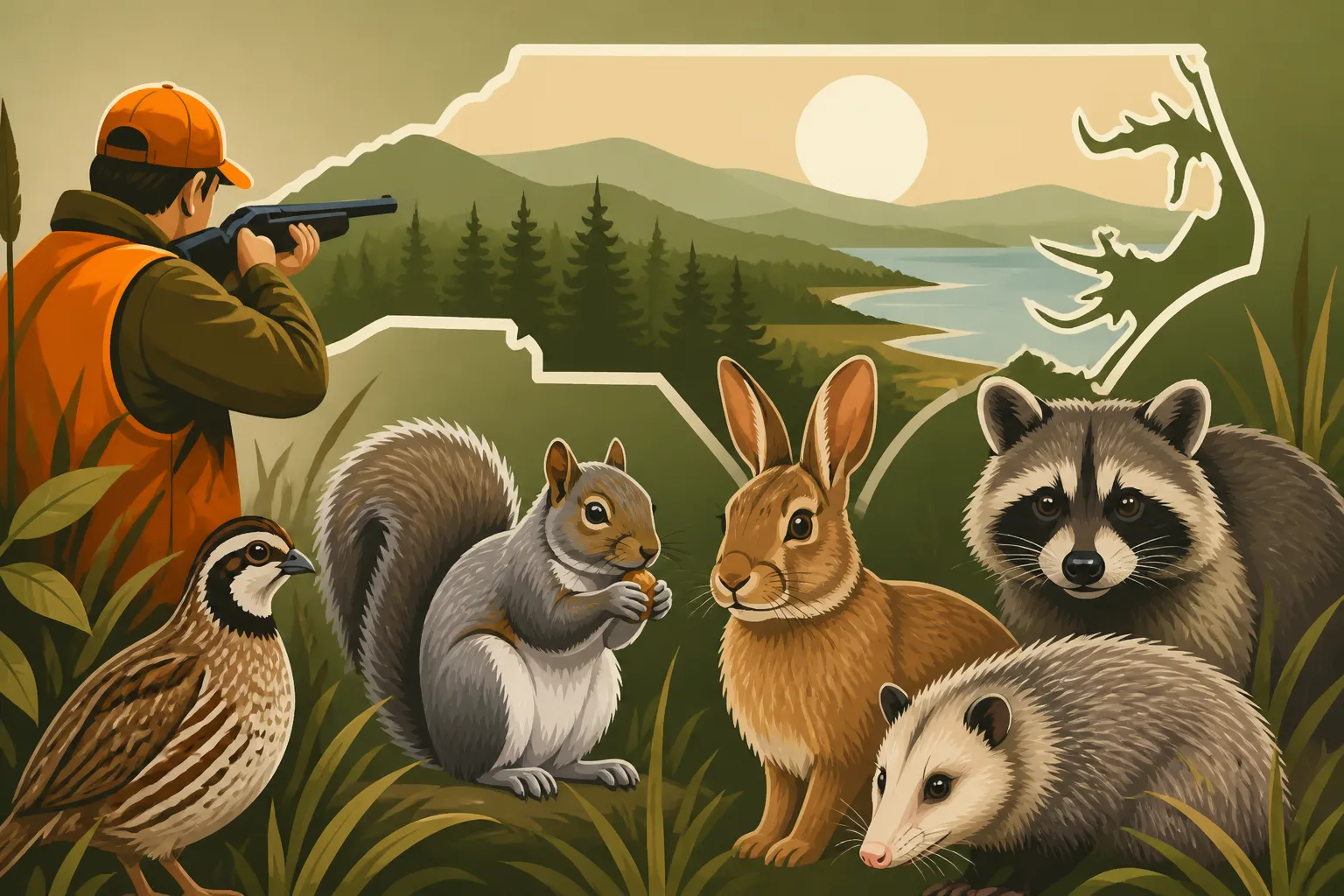
It's easy to get caught up in the allure of big game hunting here in North Carolina – chasing those trophy deer, the mighty black bears, or calling in a spring gobbler. But let's be honest, sometimes the real magic, the pure, unadulterated joy of hunting, lies in the chase of smaller quarry. So often, we overlook the incredible opportunities our state offers for small game and furbearers, leaving us feeling like we're missing out on simpler, more frequent adventures. This comprehensive guide is here to change that, diving deep into the world of North Carolina's smaller game animals and furbearers, offering insights into seasons, tactics, and where to find them, so you can expand your hunting horizons and fill your freezer with delicious wild protein.
The Enduring Appeal of North Carolina Small Game Hunting
There's a special kind of freedom that comes with small game hunting, isn't there? It often feels less intense, less "do-or-die" than a deer hunt, allowing for more relaxed outings, more time spent with friends, family, or even just yourself in the woods. It's a fantastic way to introduce new hunters, especially youth, to the ethics and thrills of the pursuit without the pressure of a massive animal or an all-day sit. Plus, small game populations are often robust, meaning more action and higher success rates, which can be incredibly motivating for both novice and experienced hunters alike.
Why Small Game Matters
Small game hunting plays a crucial role beyond just putting food on the table or providing recreation. It's an important management tool for wildlife agencies, helping to maintain healthy populations and prevent overgrazing or disease outbreaks in certain areas. For us hunters, it keeps our skills sharp – tracking, shooting, woodsmanship, and stealth are all honed when you're after a quick-footed rabbit or a wary squirrel. It's also a deeply rooted tradition in North Carolina, connecting us to generations of hunters who relied on these species for sustenance and sport. There's something truly satisfying about carrying on those traditions, whether it's an early morning squirrel hunt with your grandkid or an afternoon rabbit drive with your buddies.
Public Versus Private Land Opportunities
One of the great things about small game and furbearers is the sheer accessibility of hunting them across the state. While private land always offers fantastic opportunities if you can secure permission, North Carolina boasts an impressive amount of public land where you can pursue these animals. Our national forests, like Pisgah and Nantahala, as well as the numerous Game Lands managed by the NC Wildlife Resources Commission, provide vast tracts of diverse habitat perfect for small game. However, these areas can see significant pressure, especially on opening weekends. Tools like the GoHunt app or detailed topographic maps are invaluable for scouting and finding those overlooked pockets where public land small game might be less disturbed. Remember that while the hunting pressure for deer might be high, small game hunters often have much more elbow room in these expansive areas.
Squirrel Hunting in North Carolina: A Timeless Tradition
Ah, squirrel hunting. For many of us, it was our very first hunting experience, a rite of passage into the woods. And for good reason – North Carolina has healthy populations of both gray squirrels and fox squirrels, offering abundant opportunities throughout much of the state. These agile tree-dwellers provide a challenging hunt that requires sharp eyes, stealthy movement, and quick reflexes. Plus, fried squirrel with gravy and biscuits? Pure culinary gold.
Bushytails in Bottomlands and Ridges
When you're looking for squirrels, you're essentially looking for food and cover. In North Carolina, that often means mature hardwood forests, especially those with plenty of oaks, hickories, and beeches. These trees provide the nuts that are a primary food source for squirrels. In the Piedmont and Coastal Plain, you'll find gray squirrels aplenty in bottomland hardwoods, especially along creek drainages and river bottoms where the canopy is dense and mast production is high. If you're willing to put in the legwork, heading into the mountains can provide incredible opportunities for Squirrel Hunting a North Carolina Oak Ridge, where you might find both grays and the larger, more elusive fox squirrels, identifiable by their often reddish-brown fur and larger size. Look for signs like chewed nut shells or cuttings under an oak tree.
Essential Gear and Tactics
You don't need a ton of specialized gear to go squirrel hunting, which is another reason it's so accessible. A .22 rifle or a shotgun (like a .410 or 20-gauge with small shot like 6s or 7.5s) is perfectly adequate. Many hunters prefer a .22 for headshots, preserving more meat, but a shotgun is excellent for those fast-moving targets darting through branches. Beyond your firearm, a good pair of binoculars, comfortable walking boots, and a small game vest or pouch to carry your harvest are about all you need. Tactics typically involve still-hunting – moving slowly and quietly through the woods, stopping frequently to listen and scan the trees – or sitting patiently near a good mast tree. Early mornings and late afternoons are usually best, as squirrels are most active during these times. Don't forget to check the regulations for North Carolina Squirrel Season Opening Day before you head out!
Rabbit Hunting: Fast-Paced Action in the Tar Heel State
There's nothing quite like the sound of beagles baying on a fresh rabbit track, is there? Rabbit hunting in North Carolina is a classic pursuit, offering high-energy action and plenty of opportunities to walk through some beautiful (and often thick!) cover. Cottontails are widespread across the state, from the mountains to the coast, thriving in areas with brushy edges, briar patches, and dense undergrowth.
Habitat and Hotspots
Rabbits are edge creatures, meaning they love areas where different habitats meet. Think fencerows, overgrown fields, clear-cuts, young pine plantations, and the edges of timber blocks. These spots provide both the dense cover they need for protection from predators and the succulent vegetation they feed on. In the Piedmont, old fields slowly reverting to forest and the dense, thorny lines of Rabbit Hunting North Carolina Fencerows are prime targets. Coastal Plain areas with pocosin swamps and thick brush also hold good numbers. The key is finding that impenetrable cover – if it looks too thick to walk through, it's probably perfect rabbit habitat. Don't overlook old homesteads or abandoned farm equipment areas, as these often create excellent rabbit hideouts.
Running Hounds and Still-Hunting
The most traditional and often most exciting way to hunt rabbits in North Carolina is with a good pack of beagles. These dogs are purpose-bred to follow a rabbit's scent, pushing them in circles, often back past the hunters who are strategically positioned around the cover. The sound of the chase is exhilarating, and the fast-paced shooting can be incredibly challenging and rewarding. For those without dogs, still-hunting involves slowly walking through prime habitat, flushing rabbits as you go. This method requires more patience and often results in fewer opportunities, but it can still be effective, especially if you focus on small, dense pockets of cover. A 12- or 20-gauge shotgun loaded with small shot (like 6s or 7.5s) is the ideal firearm for these quick-flushing targets. If you're considering Running Beagles on North Carolina Cottontails, remember to adhere to local ordinances regarding dog use, especially on public lands.
North Carolina Upland Birds: Quail, Grouse, and Woodcock
Upland bird hunting holds a special place in the hearts of many, evoking images of pointing dogs and explosive flushes. While the populations of some species, particularly quail, have faced challenges, North Carolina still offers opportunities for these cherished birds. It's a more nuanced hunt, often requiring specialized habitat knowledge and a healthy dose of persistence.
The State of Quail and Conservation Efforts
The bobwhite quail, once abundant across North Carolina, has seen significant declines over the past few decades. This isn't just a North Carolina issue; it's a Southeast-wide trend largely attributed to habitat loss and changes in agricultural practices. The "clean farming" movement, where fencerows are cleared and fields are managed right to the edge, has eliminated much of the dense cover and insect-rich foraging areas that quail depend on. Despite this, dedicated conservation efforts by groups like Quail Forever and the NC Wildlife Resources Commission are working tirelessly to restore suitable habitat, particularly through prescribed burning and pine savanna restoration, especially in the Sandhills region. Hunters looking for wild quail today often need to seek out private lands undergoing these habitat improvements or specific public lands managed for early successional habitat. Understanding How North Carolina Quail Numbers Fell Since the 1960s helps underscore the importance of these efforts.
Grouse in the Mountains: A Tough Hunt
If you're looking for a true challenge and an immersive mountain experience, then ruffed grouse hunting is for you. North Carolina is at the southern edge of the grouse's range, and they are exclusively found in the western mountainous counties, particularly in the higher elevations of the Pisgah and Nantahala National Forests. These birds inhabit dense, young forest stands, often associated with rhododendron thickets, mountain laurel, and mixed hardwoods. They're notoriously difficult to hunt, flushing with an explosive burst that startles even the most seasoned hunter. Grouse Hunting the Blue Ridge Escarpment requires serious legwork, stout boots, and an upland shotgun with an open choke for those split-second shots in thick cover. While populations fluctuate, a good dog can significantly increase your chances of success and enjoyment, but even without one, the mountain scenery alone makes the effort worthwhile. Keep an eye on the North Carolina Grouse Season Status for specific dates and bag limits.
Woodcock: Migratory Jewels
The American woodcock is often called the "timberdoodle" for its unique, long bill and its preference for damp, brushy cover. These migratory birds pass through North Carolina during both fall and spring migrations, offering a brief but exciting hunting window. You'll typically find them in moist, young woodlands, alder thickets, and dense shrubby areas along creek bottoms – places you might not otherwise consider for hunting. They hold tight for pointing dogs, offering an exhilarating flush when disturbed. Their erratic, twittering flight pattern makes for a challenging shot. Understanding When Woodcock Migrate Through North Carolina is crucial for timing your hunts, as their presence is fleeting. A small-gauge shotgun with an open choke and fine shot (like 8s or 9s) is ideal for these unique little birds.
Furbearers in North Carolina: Opportunity and Management
Beyond small game for the table, North Carolina also offers extensive opportunities to hunt and trap furbearers. These animals, ranging from the common raccoon to the elusive bobcat, provide both recreational challenge and, for some, the potential for pelts. Furbearer management is a critical aspect of wildlife conservation, helping to control populations and reduce impacts on other species or agricultural interests.
Understanding Regulations and Licenses
Hunting and trapping furbearers in North Carolina comes with its own set of rules and seasons, which can differ significantly from deer or turkey regulations. It's imperative to consult the latest North Carolina Inland Fishing, Hunting, and Trapping Regulations Digest annually, as rules can change. For instance, some furbearers, like coyotes, have year-round hunting seasons in many areas, while others, like fox and bobcat, have specific, often shorter, seasons. Trapping, in particular, requires a separate trapping license and has strict regulations regarding trap types, placement, and checking frequency. The NC Wildlife Resources Commission website and the GoHunt platform are excellent resources for staying up-to-date on these details. Always double-check county-specific rules, especially for fox, as local restrictions can vary. Obtaining the correct North Carolina Hunting Licenses and What They Cost is your first step.
Population Dynamics and Management
North Carolina boasts healthy populations of most furbearers, including coyote, fox (both red and gray), bobcat, raccoon, and opossum. Many of these species are highly adaptable and thrive in diverse habitats, from deep forests to agricultural lands and even suburban fringes. Coyote populations, in particular, have exploded across the state, leading to their classification as a nuisance species in many contexts. Managing these populations is key to maintaining ecological balance; for example, controlling coyote numbers can benefit fawn survival rates for deer. The NCWRC monitors furbearer populations through various surveys and harvest reports, adjusting seasons and regulations as needed to ensure sustainable take and healthy ecosystems. Hunters and trappers play a vital role in providing data through mandatory reporting or by simply being out in the field and observing trends.
Coyote Hunting: A Year-Round Challenge
If you're looking for a hunting pursuit that's available year-round in many parts of the state and offers a significant challenge, then coyote hunting is for you. These intelligent, adaptable canids have become well-established throughout North Carolina, and while they can be tough to outsmart, the reward of bringing one in is immense.
The Invasive Predator Challenge
Coyotes weren't historically native to North Carolina, but they've expanded their range eastward over the past century, becoming a significant presence in every county. Their opportunistic diets and rapid reproduction rates mean they can have an impact on local wildlife populations, particularly deer fawns and small game. For landowners and farmers, coyotes can also pose a threat to livestock and poultry. This makes coyote hunting not just a sport, but often a beneficial management activity. Many hunters view it as a way to contribute to healthy deer herds and small game populations on their property or local hunting grounds. Knowing the North Carolina Coyote Range and Density can help you focus your efforts where they're most prevalent.
Calling and Night Hunting Strategies
Coyote hunting typically involves calling, which can range from electronic callers mimicking distressed prey animals to mouth calls imitating rabbit squeals or fawn bleats. Setting up downwind, concealing yourself well, and remaining absolutely still are paramount, as coyotes have incredible senses of smell and hearing. Patience is key; a setup might last 30 minutes or more before a coyote commits. Another effective strategy, particularly on private land, is night hunting with lights. North Carolina has specific Night Hunting Rules for North Carolina Coyotes that allow this method on private land with proper permission, offering a different kind of thrill and often higher success rates. Thermal optics and night vision devices have revolutionized night hunting for coyotes, allowing hunters to detect these wary animals at long ranges in the dark. Whether day or night, calling these clever predators into range is one of North Carolina's most exciting hunting challenges. If you're hunting in farm country, mastering Coyote Calling in North Carolina Farm Country techniques can be incredibly rewarding.
Other Common Furbearers: Fox, Bobcat, Raccoon, Opossum
While coyotes often grab the headlines, North Carolina offers a wealth of other furbearer hunting and trapping opportunities. Each species presents its own unique challenge and contributes to the rich tapestry of our state's wild places.
Fox and Bobcat: Elusive Trophies
Both red and gray foxes are found throughout North Carolina, with gray foxes tending to prefer more wooded or brushy habitats, while red foxes are often associated with more open country and agricultural lands. Hunting foxes often involves calling, similar to coyotes, but requires even more patience and a more subtle approach. They are incredibly wary animals. Bobcats, with their striking spotted coats and secretive nature, are another highly sought-after furbearer. They are present in varying densities across the state, from coastal swamps to mountain forests. Hunting bobcats is often done with hounds, particularly in areas where dogs are permitted, but still-hunting or calling can also be effective. Their seasons are typically more restricted than coyotes, so always check the latest regulations for North Carolina Fox and Bobcat Trapping Season and hunting dates. Harvesting a bobcat is a significant achievement for any hunter.
Raccoon and Opossum: Nighttime Pursuits
Raccoons and opossums are abundant in North Carolina and are primarily nocturnal, making them popular targets for night hunters. Coons, in particular, provide a fantastic opportunity for hound hunting. The baying of a good pack of coonhounds echoing through the night as they tree a raccoon is a classic Southern hunting experience. These hunts are often social affairs, enjoyed by groups of friends and family. Opossums are also frequently taken by coonhounds or incidentally during other night hunting pursuits. Both species are found in nearly every habitat type, especially near water sources and areas with abundant mast. They are a great way to extend your hunting season into the colder months when many other seasons are closed. Make sure to understand the specific rules regarding dog hunting at night and check North Carolina Raccoon Season Dates for current information.
Preparing for Your Small Game and Furbearer Hunt
Having the right gear and knowledge can make all the difference in the field. From understanding the regulations to having appropriate safety equipment, preparation is key to a successful and enjoyable small game or furbearer hunt in North Carolina.
Essential Equipment and Safety
While small game hunting can be quite minimalist, a few key pieces of equipment can significantly improve your experience. Beyond your firearm, consider a good pair of binoculars, a comfortable vest or game bag, and sturdy, waterproof boots appropriate for the terrain you'll be covering (especially important in wet bottomlands or mountainous areas). A good knife for field dressing, a headlamp for walking out after dark, and a basic first-aid kit are always wise additions to your pack. Safety is paramount: always know your target and what's beyond it, especially when shooting at quick-moving small game. Blaze orange requirements vary, but it's generally a good idea to wear it when appropriate, especially on public lands during deer season. For specific regulations, refer to North Carolina Small Game Season Rules.
Scouting and Habitat Identification
Just like with big game, scouting is critical for success in small game and furbearer hunting. This doesn't always mean weeks of trail camera surveillance; often, it's about understanding habitat. Learning to "read" the landscape – identifying good mast trees for squirrels, dense briar patches for rabbits, or creek bottoms for woodcock and raccoons – will pay dividends. The GoHunt app is an invaluable tool for this, allowing you to study aerial imagery, property lines, and topographic maps from your couch. This kind of digital scouting can help you pinpoint promising locations before you even step foot in the woods. Once afield, look for actual sign: chewed nuts, rabbit droppings, tracks along muddy banks, or even the subtle scratch marks of a squirrel on a tree. Combining armchair scouting with boots-on-the-ground exploration, as detailed in Scouting North Carolina Public Land Before Season, will significantly increase your odds.
North Carolina Small Game and Furbearer Season Overview
To help you plan your hunts, here's a general overview of North Carolina's small game and furbearer seasons. Always consult the current NC Wildlife Resources Commission regulations digest for the most up-to-date and specific dates, bag limits, and county restrictions.
| Species | General Season Dates (Approx.) | Daily Bag Limit | Notes |
|---|---|---|---|
| Squirrels | Mid-October to Late February | 8 | Often split seasons, check for county restrictions. Both gray and fox squirrels included. |
| Rabbits | Mid-November to Late February | 5 | Cottontails are primary target. |
| Quail | Mid-November to Late February | 6 | Numbers are lower; habitat-specific hunting. |
| Grouse | Mid-October to Late February | 3 | Mountains only. Tough hunt, often with dogs. |
| Woodcock | Mid-December to Late January | 3 | Migratory birds, season often short. Check federal regulations. |
| Coyote | Year-Round (Hunting) | No Limit | Open season for hunting statewide. Check specific rules for night hunting. |
| Fox | Varies by County / Season | Varies | Highly variable by county and method (hunting vs. trapping). Strictly check local regulations. Often short seasons. |
| Bobcat | Mid-December to Late February | 2 per season | Generally statewide. |
| Raccoon | Mid-October to Late February | No Limit | Night hunting with dogs common. |
| Opossum | Mid-October to Late February | No Limit | Often taken incidentally during raccoon hunts. |
Disclaimer: The information provided in this article is for general guidance only and is not a substitute for the official regulations published by the North Carolina Wildlife Resources Commission. Hunters are responsible for knowing and abiding by all current laws and regulations.