Ammunition Availability Before Opening Day
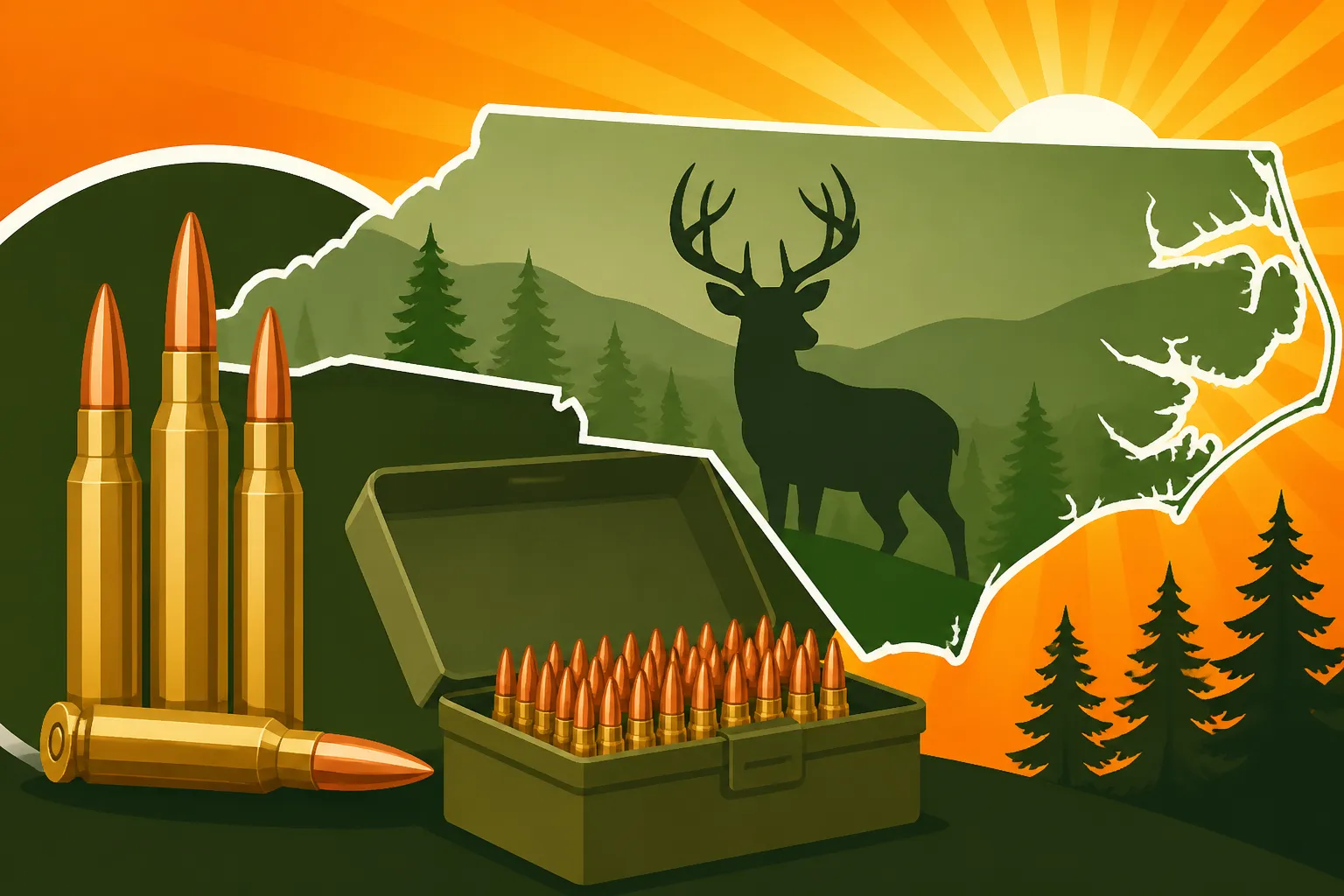
The scramble for ammunition before opening day can turn a hopeful pre-season into a frantic dash, leaving many hunters frustrated and worried if they'll even get enough rounds to sight in their rifle, let alone fill their tags. Nothing sours the excitement of an approaching season like realizing your preferred load for that big whitetail buck or wily gobbler is completely sold out. This comprehensive guide is here to help North Carolina hunters understand the dynamics of ammunition availability, implement proactive strategies, and ensure they're well-stocked and ready long before the season kicks off.
The Perennial Ammo Scramble: Why It Happens
For years, many of us took ammunition for granted. You'd swing by the local sporting goods store a week or two before deer season, grab a box of your go-to .30-06, and maybe a few extra .22s for plinking. Those days often feel like a distant memory now. The reality is, the market for ammunition has fundamentally shifted, and understanding why certain calibers or loads become scarce is the first step toward never being caught unprepared again.
Supply Chain Volatility and Manufacturing Hurdles
Manufacturing ammunition is a complex process, far more intricate than just loading powder into a casing. It involves sourcing raw materials like copper, lead, brass, and specific chemical compounds for primers and propellants. Any disruption in this global supply chain – be it a geopolitical event, a natural disaster, or even a sudden spike in the cost of a key component – can ripple through the entire industry. Factories operate at peak capacity, but they can only produce so much, and catching up after a major hiccup takes time. It’s not just the finished rounds; even components like primers or certain powders can become incredibly difficult to find, which impacts those of us who reload our own ammunition.
Think about the specialized machinery, the quality control checks, and the skilled labor required. These aren't simple widgets churned out overnight. A minor issue with a particular brass supplier or a delay in shipping a critical die can hold up production for weeks, leading to empty shelves that might not be restocked until well into the hunting season. This is especially true for less common calibers or premium hunting loads, which might be produced in smaller batches anyway.
Unpredictable Demand and Panic Buying Cycles
Beyond supply issues, demand plays an enormous role, and it's notoriously difficult to predict. We've seen periods where unforeseen events, public sentiment, or legislative discussions cause a sudden, massive surge in demand. When hunters, sport shooters, and everyday citizens perceive a potential future shortage, or simply want to stock up, they tend to buy in bulk. This "panic buying" can clear shelves literally overnight. It's a self-fulfilling prophecy: the fear of scarcity creates actual scarcity.
For North Carolina hunters, this often means that popular deer calibers like .308, .30-06, 6.5 Creedmoor, and even shotgun slugs can become prime targets for these buying sprees. When everyone rushes to buy their deer hunting rounds in the late summer or early fall, the market gets flooded with demand that current production simply can't meet. This surge is further exacerbated by new hunters entering the fold and existing hunters expanding their arsenals, all contributing to an ever-growing appetite for ammunition.
Niche Calibers and Specific Loads
While common calibers face high demand, hunters pursuing more specialized game or using less popular firearms face a different challenge: limited production. If you're hunting with an older rifle chambered in, say, .257 Roberts, or a more specialized cartridge like 7mm-08 Remington, you already know the struggle. Manufacturers produce these in smaller runs because the overall market isn't as large. When the broader market experiences a shortage, these niche calibers often get deprioritized in favor of mass-market rounds.
It's not just the caliber, but the specific load itself. A hunter might swear by a particular bullet weight or projectile type – perhaps a 150-grain Nosler Partition for their .30-06, or a specialized lead-free round for areas requiring it. If a manufacturer scales back production of that specific bullet type or load configuration, it can become virtually impossible to find, leaving you scrambling for an alternative you haven't tested. This means you might have to re-sight your rifle with a different load, which takes precious time and more ammunition, adding to the pre-season stress.
Strategies for Proactive Ammunition Acquisition
Navigating the modern ammunition market requires a strategy, not just a last-minute shopping trip. Thinking ahead, diversifying your sourcing, and maintaining a reasonable personal inventory are key to ensuring you're never left unprepared when deer season, turkey season, or even just a trip to the range rolls around.
The Power of Planning Ahead
The single most effective strategy is to buy early and often. Don't wait until October to realize you're down to three hunting rounds for your Rifle Setups for North Carolina Deer Hunting. Start monitoring your ammunition levels well in advance, ideally immediately after a season closes. If you shot six rounds during deer season, plan to replace those six rounds, plus a box for practice, as soon as possible. This means purchasing during the off-season, when demand is typically lower and shelves are more likely to be stocked.
Keep a running inventory of your hunting ammunition. Knowing exactly what you have for each firearm and how many practice rounds you need for Zeroing at 100 Yards for Woods Hunting will prevent those last-minute panic attacks. Consider setting a personal minimum for each caliber you own – perhaps two full boxes of hunting loads and two full boxes of practice ammo. When you dip below that, it's time to start looking for replacements, even if hunting season is months away. Remember that North Carolina Muzzleloader Tactics and Muzzleloaders for a North Carolina December also require specific projectile and powder supplies that need similar foresight.
Navigating Online vs. Brick-and-Mortar Retailers
Both online and local stores have their pros and cons when it comes to ammunition availability, and a smart hunter uses both. Local gun shops, big box sporting goods stores, and even general merchandise retailers can be great for immediate needs or finding common calibers. The advantage is instant gratification – you can walk out with your ammo in hand. Plus, supporting your local gun shop helps ensure they stay in business, and their staff often has invaluable local insights into what's available or coming in. However, their stock is often limited, prices can be higher, and they can be completely picked clean right before a major season opening.
Online retailers, on the other hand, offer a vast selection, often at more competitive prices, and you can shop from the comfort of your home. They're excellent for bulk purchases, finding less common calibers, or securing specific loads that local stores don't carry. The downside? Shipping costs, potential delays, and sometimes the requirement for an FFL transfer for certain ammunition types (though this is less common for standard rifle/shotgun ammo). For North Carolina hunters, always verify shipping restrictions to your address. Many hunters, including those who consult resources like GoHunt for gear recommendations, often turn to online sources for the widest selection of niche components or specific bullet types they need for hunting the White-Tailed Deer Across North Carolina or North Carolina's Black Bear Population.
Here's a quick comparison to help you strategize:
| Sourcing Method | Pros | Cons | Best For |
|---|---|---|---|
| Local Retailers | Immediate need, expert advice, support local economy | Higher prices, limited stock, crowded pre-season | Last-minute buys, uncommon calibers (sometimes), quick range trips |
| Big Box Stores | Often competitive pricing, wider common selection, loyalty programs | Variable stock, less personal advice, lines, corporate policies | Common calibers, bulk deals when available, impulse buys |
| Online Retailers | Vast selection, often best prices, convenience | Shipping costs/delays, no physical inspection, potential FFL transfer (rarely for ammo) | Bulk orders, hard-to-find calibers, planning ahead, specialty loads |
| Gun Shows / Private | Rare finds, direct interaction, potential deals, components | Crowds, travel, cash-only sometimes, no returns, vetting sellers | Collectibles, specific component searching, unique offerings |
Building a Smart Ammunition Stash
Having a smart ammunition stash isn't about hoarding; it's about preparedness. Aim for enough hunting ammunition for a couple of seasons, plus sufficient practice rounds for annual sighting-in and skill maintenance. This might mean having 2-4 boxes of your preferred hunting load per firearm and perhaps 4-6 boxes of corresponding practice ammunition. For popular calibers like those used for North Carolina Deer Season Structure Explained, this ensures you're never caught flat-footed.
When purchasing, consider buying in bulk when you find a good price or a rare caliber. Keep your ammunition stored properly – in a cool, dry place, away from extreme temperature fluctuations. Label your boxes with the purchase date, caliber, and load information. This organized approach allows you to rotate stock, ensure you’re always using fresh ammunition, and easily track what you have. Many successful North Carolina hunters, especially those who utilize the insights found on platforms like GoHunt for their long-term planning, understand the importance of building this kind of sustainable supply for all their hunting needs.
North Carolina Hunting: Calibers, Regulations, and Local Insights
North Carolina hunters have a unique landscape of regulations and local market dynamics that influence ammunition availability. Understanding these specifics can give you an edge in securing the rounds you need. It's not just about what's available, but what's legal and effective for your hunt.
Popular Calibers and Regional Demand
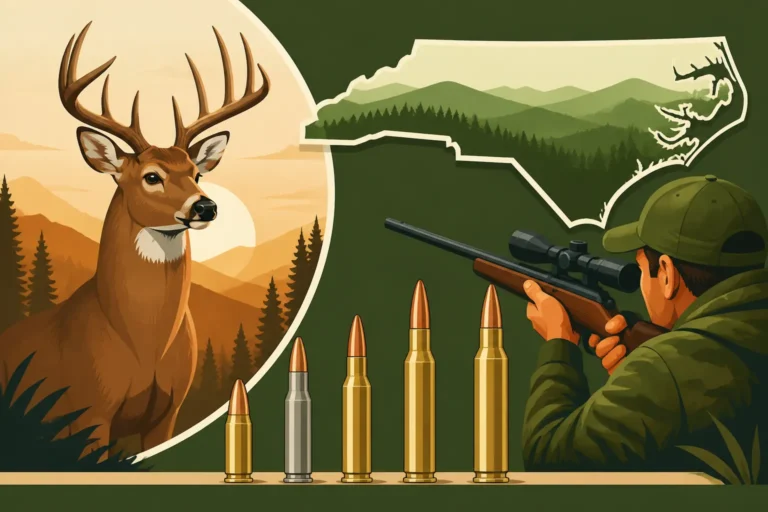
In North Carolina, certain rifle calibers consistently top the list for deer hunting: .30-06 Springfield, .308 Winchester, .270 Winchester, and increasingly, 6.5 Creedmoor. These rounds are effective across the diverse terrain, from the dense coastal pocosins to the sprawling Piedmont farmlands and the rugged mountains. For bear hunting, many hunters stick with these same powerful calibers or opt for something with a bit more punch like a .300 Winchester Magnum for North Carolina's Black Bear Population. Shotgun slugs are also popular in some areas and for specific hunts. Because of this popularity, these calibers are generally more widely produced and stocked, but also face the highest demand, especially leading up to hunting season. You should also consider Choosing a Rifle Caliber for North Carolina Deer and Rifle Calibers for North Carolina Bear as you build your ammo strategy.
Small game hunters will find .22LR rimfire ammunition is perennially popular for squirrels and rabbits, though it has seen its own periods of scarcity. Shotgun shells for Dove Hunting North Carolina Opening Weekend and Waterfowl Hunting Currituck Sound and the Coast also see seasonal spikes in demand. It's important to remember that certain areas or specific game require Where Nontoxic Shot Is Required in North Carolina, adding another layer of specialization to your ammunition search. Knowing the primary calibers for your planned hunts well in advance, and researching their typical availability pattern, is crucial.
Understanding State-Specific Ammunition Rules
North Carolina has specific regulations regarding firearms and ammunition for hunting. While there isn't a complex list of "approved" cartridges, hunters must be aware of certain rules, such as those related to North Carolina Legal Firearms for Deer Hunting and North Carolina Minimum Rifle Caliber Rules for specific game. For instance, there are rules on using pistols for big game, and considerations for Crossbow Rules During North Carolina Archery Season (which refers to bolts and broadheads rather than metallic cartridges, but still falls under "ammunition" in a broader sense for the weapon). Additionally, certain public lands or wildlife refuges might have specific prohibitions on lead ammunition, requiring you to source steel, bismuth, or tungsten loads, like specialized Tungsten Turkey Loads Worth the Price or Waterfowl Loads for Sound-Side Divers.
Always consult the latest North Carolina Wildlife Resources Commission (NCWRC) regulations well before the season. These rules can impact not only what you hunt with but also what ammunition you need to purchase. For instance, if you plan to hunt within a North Carolina's Chronic Wasting Disease Areas, there might be additional guidelines or recommendations regarding carcass movement or specific hunting methods, which can indirectly influence your gear choices, including ammunition. Resources like GoHunt can be incredibly helpful for keeping track of seasonal regulation changes and informing your ammunition purchases.
Tapping into Local Gun Shops and Communities
Beyond the major retailers, don't underestimate the power of your local, independent gun shops. These smaller businesses often have loyal customers, but they also tend to cultivate relationships with distributors that might grant them access to harder-to-find loads, or they might receive shipments at different times than the big box stores. The staff at these shops often hunts themselves, giving them an intimate understanding of local hunting pressure, popular calibers in your area, and current ammo trends.
Engaging with local hunting communities, whether through online forums, local club meetings, or even just chatting with folks at the range, can also be a goldmine of information. Hunters are often happy to share tips on where they've seen certain ammunition in stock, or even offer to sell a box or two if they have surplus. Just be sure to conduct any private transactions legally and safely. These local networks, much like the broader hunting community discussions often featured on platforms like GoHunt, are invaluable for real-time intel on inventory.
Beyond Buying: Practice, Preparedness, and Post-Season Habits
Securing your ammunition is only half the battle. What you do with it – and how you maintain your supply – is just as critical for a successful North Carolina hunting season. True preparedness extends beyond the purchase.
The Essential Role of Range Time
Having ammunition sitting in your safe does you no good if you haven't sighted in your rifle or practiced your shooting skills. Every hunting season, you should dedicate time to the shooting range. This isn't just about ensuring your scope is still zeroed; it's about reacquainting yourself with your firearm, practicing different shooting positions, and getting comfortable with your hunting load. For many North Carolina hunters, this might mean practicing at varying distances to prepare for shots on a Ridge-Top Saddle for Rutting Bucks or a Setting Up on a Piedmont Field Edge.
It’s easy to get complacent, especially if you think your rifle was dead-on last year. But scopes can get bumped, cold bores shoot differently, and our own shooting habits can change. Use enough practice ammunition to confidently group your shots and make any necessary adjustments. This is why having extra practice rounds on hand is so important – you don't want to run out of ammo just as you're getting your groups dialed in. If you're a bowhunter, practice for Bowhunting North Carolina's Statewide Archery Season might involve broadhead tuning, which, while not metallic ammunition, requires its own supply of "practice" (field points) and "hunting" (broadheads) rounds.
Pre-Season Gear Checks and Contingency Planning
As opening day approaches, your ammunition should be just one part of your overall gear check. Inspect your hunting rounds for any signs of damage – dents, corrosion, or loose bullets. Ammunition, especially if stored improperly, can degrade over time. Ensure your firearm is clean, properly lubricated, and functioning smoothly. This thorough check includes your optics, scope mounts, and sling. You don't want to discover a loose scope ring or a faulty firing pin when you're already in the stand.
Contingency planning is also vital. What if your primary hunting load isn't performing as expected, or you encounter a last-minute issue that requires a different ammunition type? Having a backup load that you've tested, even if it's not your absolute favorite, can save a hunt. For instance, if your preferred 165-grain .308 is suddenly unavailable, having previously tested a 150-grain or 180-grain option means you can switch without a complete re-sight-in nightmare. Thinking through these "what if" scenarios, and having a plan, can greatly reduce stress and increase your chances of success.
Making Post-Season Purchases a Priority
The quiet period right after hunting seasons close is often the absolute best time to replenish your ammunition supply. Most hunters have put their gear away, and the intense demand of the pre-season has subsided. This is when shelves are most likely to be restocked, and you might even find sales on common calibers. Instead of waiting for the next panic buying cycle, make it a habit to assess your inventory in January or February and purchase what you need for the next season.
This proactive approach spreads out your costs, ensures better availability, and removes the stress of a last-minute search. By adopting this simple discipline, you'll find that ammunition availability before opening day ceases to be a major concern and becomes a minor logistical detail you've already handled. This kind of forward-thinking is a hallmark of truly prepared hunters, much like those who delve into the deep dive hunting reports and gear reviews available on sites like GoHunt to refine their strategy year after year.
Disclaimer
This article is for general informational purposes only and does not constitute professional advice. Laws, prices and regulations vary by location and change over time. Consult a qualified professional for guidance on your specific situation.