Waterfowl Loads for Sound-Side Divers
Alright, let's talk about chasing those fast-flying diver ducks on North Carolina's sounds. If you've spent any time out on the vast, open waters of Currituck Sound or Pamlico, you know it's a completely different ballgame than jump-shooting wood ducks in a flooded timber hole. The wind, the waves, the long retrieves, and especially the incredibly tough hide and resilient nature of birds like bluebills, redheads, and canvasbacks can make selecting the right ammunition feel like a real head-scratcher. It's not just about what's legal; it's about what consistently brings those birds down cleanly, reducing cripples and making your hunt both more ethical and more rewarding. This guide is all about helping you understand the specific ammunition choices that will give you the edge when targeting divers in our unique coastal environment.
Why Sound-Side Divers Demand Specific Ammunition
Hunting diver ducks on North Carolina's expansive sounds presents a set of unique challenges that directly influence your ammunition choices. Unlike dabblers that feed in shallower, calmer waters, divers spend their lives on big water, constantly battling strong winds and rough chop. This lifestyle makes them incredibly hardy birds, often carrying more fat and having tougher feathers than their puddle-duck cousins. When they’re decoying, they can be a real sight to behold, rocketing in low over the waves. But if they don't commit fully, or if that North Carolina wind plays tricks, you might find yourself taking longer shots than anticipated.
These birds also fly at astonishing speeds, and when they're hit, their tendency to dive deep and swim away, even when mortally wounded, means you absolutely need a load that delivers maximum energy and consistent patterns to ensure a clean kill. A load that might be adequate for a teal over a pond often falls short—literally and figuratively—when facing a canvasback streaking across the Currituck at 50 yards on a blustery day. The sheer volume of water you're hunting over also means that cripples are often lost, making ethical shot placement and powerful loads paramount. You’re not just trying to knock them down; you’re trying to anchor them right there.
Understanding Non-Toxic Shot Options for North Carolina Waterfowl
Back in the day, lead shot was the king, but for environmental reasons, non-toxic shot is now mandatory for all waterfowl hunting, and for good reason. Lead shot, when ingested by waterfowl or other animals, can cause poisoning. Thankfully, today's non-toxic options have come a long way from the early days of steel, offering impressive performance. Understanding these options is crucial for sound-side diver hunting.
Steel Shot
Steel shot is by far the most common and often the most affordable non-toxic option. It's lighter than lead, which means it loses energy faster and doesn't penetrate as deeply at longer ranges. However, advancements in propellants, wad design, and manufacturing have made modern steel loads incredibly effective. For divers, especially when they're working the decoys within 40 yards, good quality steel can certainly get the job done. The key with steel is often to go one or two shot sizes larger than you might with lead to compensate for its lighter weight and lower density. For example, if you would have used lead 4s, you might consider steel 2s or 1s for divers.
One of the biggest advantages of steel is its cost-effectiveness, allowing you to practice more and fill your decoy spreads with more shots without breaking the bank. However, because it's a harder material, it can sometimes produce slightly wider patterns or "blown" patterns if not matched correctly with your choke. When hunting over vast bodies of water like North Carolina's sounds, where shots can stretch out, understanding your steel load's effective range and patterning it properly is non-negotiable. Don't just assume; take it to the pattern board.
Bismuth Shot
Bismuth is a fantastic middle-ground option for hunters looking for better performance than steel without the premium cost of some tungsten-based loads. It's denser than steel, closer to lead in density, which means it retains energy better and offers improved penetration. This increased density allows you to often drop down one shot size compared to steel for similar performance, or use the same size for a significant upgrade in knockdown power. Bismuth also has the advantage of being softer than steel, making it safer for older shotguns, including many classic guns that aren't rated for steel shot. This is a big plus for hunters who cherish their vintage firearms.
For diver hunting, bismuth offers a noticeable improvement in lethality, especially on those slightly longer shots or when facing the toughest of diver species like canvasbacks. You'll find that bismuth hits harder and is less prone to crippling birds than comparable steel loads, leading to fewer lost ducks. The patterns with bismuth can also be more consistent due to its softer nature. While more expensive than steel, many serious waterfowl hunters find the investment worthwhile for its enhanced performance and reduced ethical concerns about lost birds.
Tungsten-Alloy Shot
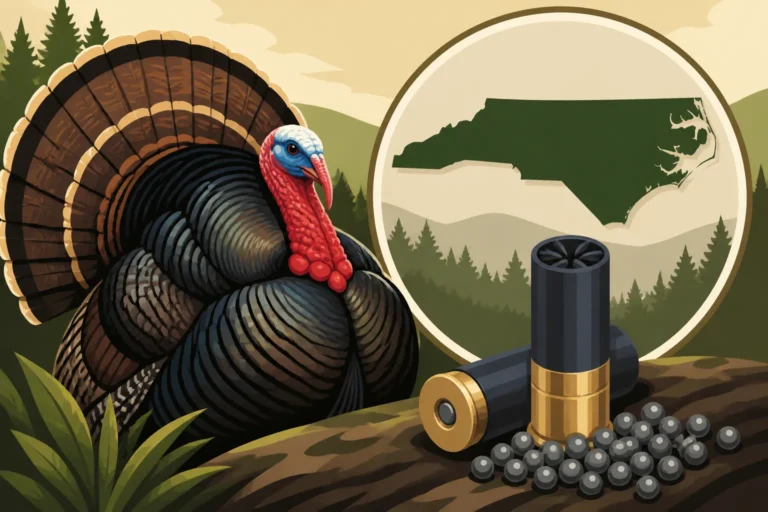
When it comes to ultimate performance, tungsten-alloy shot reigns supreme. These loads are incredibly dense – often significantly denser than lead – providing superior energy retention, penetration, and knockdown power at all ranges. Tungsten-alloy shot, which comes in various forms and blends, allows for smaller shot sizes to achieve the same or even greater killing power than much larger steel or bismuth pellets. This means more pellets in your pattern, leading to a higher probability of vital hits, especially on those challenging long-range diver shots.
The downside, of course, is the cost. Tungsten-alloy shells are considerably more expensive than steel or even bismuth. However, for those crucial first shots at the outer edges of your effective range, or when targeting particularly resilient birds, many hunters consider them indispensable. If you're passionate about minimizing cripples and want the absolute best chance of cleanly killing every bird you shoot at, especially those fast, tough divers out on the big water, tungsten-alloy is definitely worth exploring. They can truly extend your ethical range, giving you confidence even when the birds are a bit further out. Some hunters even load their first two shells with tungsten-alloy for those critical initial shots, then switch to steel for birds working closer.
Selecting the Right Shot Size and Choke for Diver Ducks
Choosing the correct shot size and choke combination is paramount to success when hunting diver ducks on the sound. It's not a one-size-fits-all situation, and what works perfectly for one type of duck or hunting scenario might be completely ineffective for another.
Ideal Shot Sizes for Divers
For diver ducks, you generally want larger shot sizes than you might use for smaller puddle ducks like teal. The increased mass of larger pellets carries more energy, which is crucial for penetrating the thick feathers and dense bone structure of birds like canvasbacks, redheads, and bluebills.
Here's a general guideline for non-toxic shot sizes:
| Shot Material | Small Divers (Ringnecks, Buffleheads) | Medium Divers (Bluebills, Redheads) | Large Divers (Canvasbacks) |
|---|---|---|---|
| Steel | #3 or #2 | #2 or #1 | #1 or BB |
| Bismuth | #4 or #3 | #3 or #2 | #2 or #1 |
| Tungsten | #6 or #5 | #5 or #4 | #4 or #3 |
- Steel: For steel, moving up to #1 or even BB is common for large divers, especially if your shots might be on the longer side (40+ yards). Smaller divers like ringnecks or buffleheads might be handled effectively with #3 or #2 steel.
- Bismuth: Given its higher density, bismuth allows you to drop down a size or two from steel. #3 or #2 bismuth is excellent for most divers, with #1 or even BB for the biggest canvasbacks or very long shots.
- Tungsten-Alloy: With tungsten, you're looking at significantly smaller shot sizes. #4 or #3 tungsten can be devastating on canvasbacks, while #5 or #6 will easily anchor smaller and medium divers. The smaller pellet size means you get a much higher pellet count in your pattern for the same shell weight, increasing your chances of multiple hits.
When deciding, think about the primary diver species you're targeting and the average shot distance you typically encounter on your North Carolina sound hunts.
Choke Selection for Open Water
The choke in your shotgun barrel constricts the shot charge, influencing how tightly the pellets group together downrange. For open-water diver hunting, where shots can be variable and birds are tough, you generally want a tighter pattern than you might use for close-range timber hunting.
- Modified (MOD): This is often a great starting point and a very versatile choke for diver hunting. It provides a good balance of pattern density and spread, effective out to about 40-45 yards. It's forgiving enough for birds working into the decoys, but still tight enough for reasonable shots just beyond the edge.
- Improved Modified (IM): Stepping up from modified, the improved modified choke gives you a denser pattern, extending your effective range slightly. This is an excellent choice when you anticipate more consistent shots in the 35-50 yard range, common for divers that might be a little shy.
- Full (FULL): A full choke delivers the tightest patterns, maximizing pellet density at longer ranges. This can be fantastic for those extended shots at wary canvasbacks, but it's less forgiving on closer birds. With modern steel shot, using a full choke can sometimes result in "blown" patterns where the pellets are deformed, leading to less consistent performance. Many manufacturers recommend against using full chokes with steel shot that is larger than #2 or #1. Always check your shotgun and choke manufacturer's recommendations.
- Light Modified/Light Full: Some specialized chokes, like light modified or light full, exist to provide pattern performance optimized for non-toxic shot, offering tighter patterns than a standard modified without the harshness of a traditional full choke. These can be great for those wanting a bit more reach with steel.
Ultimately, the best choke for you will depend on your chosen ammunition, your shotgun, and your typical shooting distances. The only way to know for sure is to pattern your gun.
Maximizing Your Effectiveness: Patterning for Success on the Sound
Choosing the right shells and choke is only half the battle; the other half is making sure your setup actually performs as expected. This is where patterning your shotgun becomes absolutely critical, especially when you're hunting challenging birds like sound-side divers. Neglecting to pattern your gun is like guessing at yardage when bowhunting – you might get lucky, but consistent success will be elusive.
Why Patterning Matters for Diver Hunting
Diver ducks are fast, tough, and often present varied shot opportunities across large, open water. A small gap in your pattern that might let a teal slip through unscathed could mean a lost canvasback that dives and is never seen again. Patterning allows you to:
- Confirm Effective Range: You'll discover the actual maximum ethical distance at which your chosen load and choke combination delivers a killing pattern. This isn't just about how far the pellets can fly, but how far they effectively hit with enough density and energy. For big water, knowing your ethical limits is paramount.
- Optimize Pellet Density: You'll see how evenly distributed your pellets are within a 30-inch circle at various distances (e.g., 20, 30, 40, and 50 yards). You're looking for a consistent spread with no major "holes" that a duck could fly through.
- Match Load to Choke: Different loads, even of the same shot size, can pattern differently through the same choke. Sometimes, a specific brand or type of shell just "likes" a certain choke better, yielding superior patterns.
- Improve Confidence: Knowing precisely what your gun and load can do builds immense confidence, which translates to more decisive, accurate shooting in the field. This confidence is especially important when you're facing those fast, hard-charging diver ducks that come in low over the waves.
How to Pattern Your Shotgun
Patterning isn't complicated, but it does require a bit of time and effort at the range.
- Gather Your Gear: You'll need your shotgun, the specific shells you intend to hunt with (multiple boxes, as you'll shoot a lot), various chokes if you have them, a sturdy rest, and large sheets of paper or cardboard (at least 3×3 feet). A permanent marker and measuring tape are also helpful.
- Set Up Your Target: Place your target at a known distance, typically 30 or 40 yards to start, as this is a common range for decoying birds. Draw a clear aim point in the center.
- Shoot from a Rest: Using a solid rest (like sandbags or a bipod) is crucial to eliminate human error. Aim precisely at the center of your target.
- Fire and Analyze: Fire a shot. Then, draw a 30-inch circle around the densest part of the pattern, even if it's not exactly centered on your aim point. Count the pellets within that circle. Note the spread and any gaps. Your aim point should be in the thickest part of the pattern. You might find you need to adjust your point of aim slightly, or that your gun shoots a bit high or low with certain loads.
- Repeat and Adjust: Shoot at least three to five patterns with each load/choke combination. Average the pellet counts and observe the consistency. Try different chokes and loads. You'll quickly see which combination works best. Many hunters even use software or apps that help analyze patterns, or simply trace patterns on transparent sheets for easier comparison. A great resource like GoHunt can provide useful insights into equipment reviews and community experiences that might guide your initial selections.
- Test at Different Ranges: Once you have a favored combination, test it at other relevant distances (e.g., 20, 50 yards) to understand its full performance envelope. This will give you a clear picture of when to take a shot and when to hold fire.
Knowing your gun's actual pattern performance is critical for ethical hunting and for consistently putting those challenging sound-side divers in your bag. Don't leave it to chance.
Environmental Considerations and Regulations
When you're out on North Carolina's beautiful sounds, it's not just about the shot; it's also about being a responsible steward of the environment and adhering to all regulations. Our coastal ecosystems are fragile, and our hunting privileges depend on our collective adherence to the rules.
Non-Toxic Shot Mandate
As mentioned, federal law mandates the use of non-toxic shot for all waterfowl hunting. This includes all ducks, geese, and coots. In North Carolina, this rule is strictly enforced on all public and private lands and waters. There are no exceptions for specific areas or methods when it comes to shot material for waterfowl. Always double-check your ammunition to ensure it is clearly marked "non-toxic" before heading into the field. Getting caught with lead shot for waterfowl can result in significant fines and loss of hunting privileges.
Shot Size Restrictions and Other Regulations
While non-toxic shot is required, there are generally no specific restrictions on shot size for waterfowl in North Carolina, as long as it's non-toxic. However, common sense and ethical hunting practices dictate that you use a shot size appropriate for the game you're pursuing. Extremely small shot sizes, while offering high pellet counts, often lack the energy to consistently kill larger divers, leading to cripples. Conversely, excessively large shot sizes may reduce your pattern density too much. Stick to the recommended sizes for divers discussed earlier.
It's also important to be aware of other general hunting regulations. This includes North Carolina Migratory Bird Certification, proper licensing (North Carolina Resident Hunting License Options or North Carolina Nonresident Hunting License Options), bag limits (North Carolina Duck and Goose Bag Limits), and shooting hours. Always carry your current hunting license and any required permits. Checking official resources, like the NC Wildlife Resources Commission's website or even community platforms like GoHunt, before each season, is a great habit to ensure you're always up-to-date with any changes.
Protecting the Habitat
Hunting on the sounds often means operating boats and decoys in sensitive marsh and estuarine environments. Be mindful of prop scarring in shallow areas, dispose of spent shells and other trash properly, and avoid disturbing critical nesting or resting areas for non-game birds. Remember, we are guests in these wild spaces, and preserving them for future generations of hunters and wildlife is a shared responsibility. Using non-toxic shot is a crucial part of this larger conservation ethic, reducing lead contamination in these vital wetlands.
Disclaimer
This article is for general informational purposes only and does not constitute professional advice. Laws, prices and regulations vary by location and change over time. Consult a qualified professional for guidance on your specific situation.