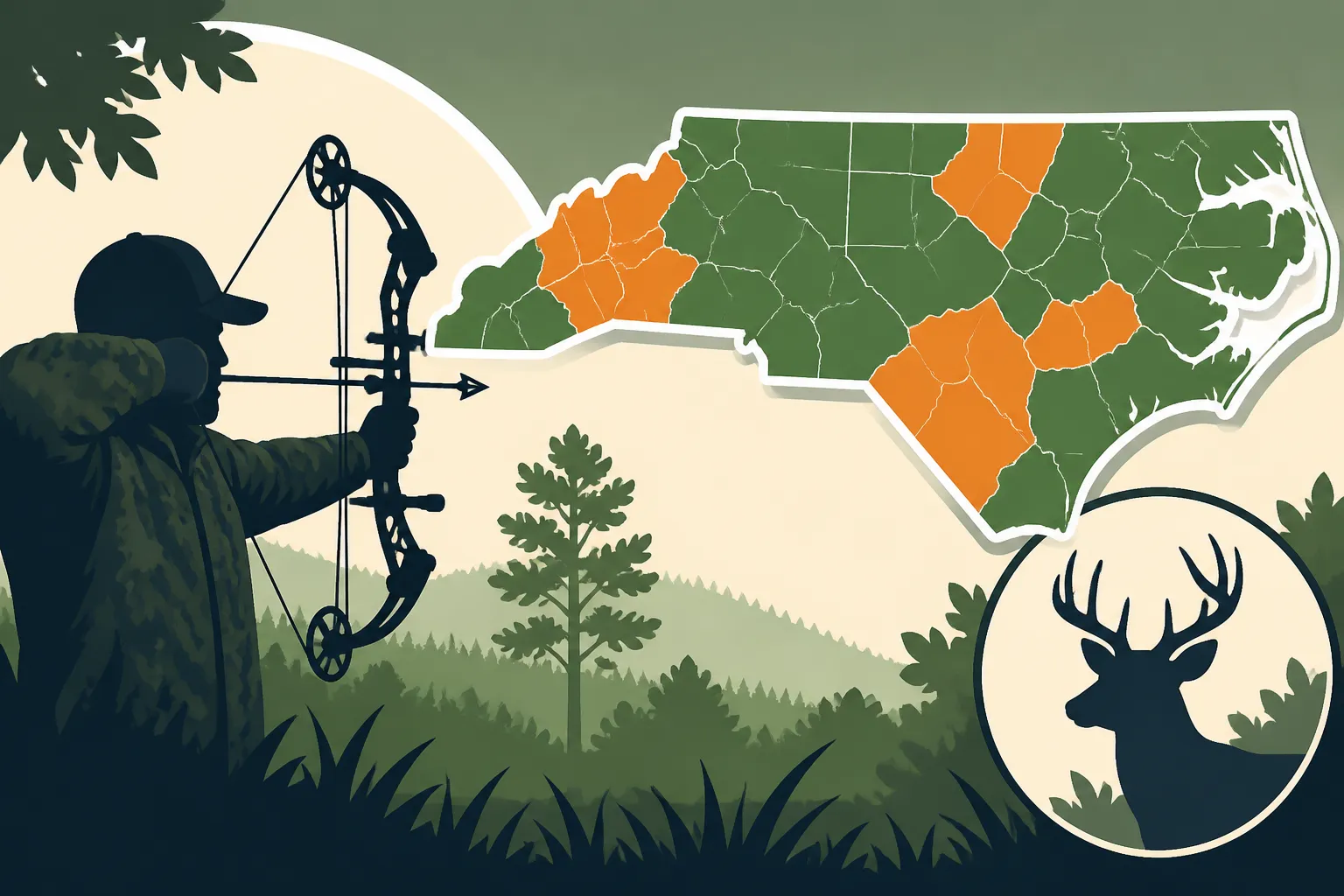
Where Nontoxic Shot Is Required in North Carolina
Ah, North Carolina hunting. It's a passion, a tradition, and sometimes, let's be honest, a bit of a head-scratcher when it comes to understanding all the rules. One area that often leaves hunters scratching their heads is the question of nontoxic shot: when do you really need it? It's easy to get confused by federal versus state rules, different game lands, and which species fall under which umbrella. This guide is here to clear up the confusion, helping you confidently choose your ammunition and stay on the right side of the regulations, so you can focus on the hunt.
Understanding Nontoxic Shot Regulations in North Carolina
Navigating the world of hunting regulations can sometimes feel like trying to untangle a stubborn fishing knot. You know there's a reason for every twist and turn, but figuring out the exact path can be tricky. Nontoxic shot requirements in North Carolina are a perfect example of this, driven by a combination of environmental stewardship and specific wildlife management goals.
The "Why" Behind Nontoxic Shot Rules
The primary reason for nontoxic shot regulations, particularly for waterfowl, is all about protecting our environment and the health of our wildlife. For decades, lead shot was the standard, and while effective, it unfortunately left behind a toxic legacy in wetlands. When waterfowl feed, they often ingest small pebbles and grit to help grind up food in their gizzards. If lead pellets are mixed in with that grit, ducks, geese, and other marsh birds can accidentally ingest them. Once ingested, the lead slowly poisons the bird, leading to sickness and eventual death. It's a slow, debilitating process that no hunter wants to contribute to. But it's not just waterfowl; scavengers, like eagles or even raccoons, can also be affected by eating contaminated carcasses. It’s a tragic cycle, and the shift to nontoxic shot is a crucial step in breaking it and ensuring the long-term health of our ecosystems and the game we cherish.
Federal Mandates Versus State-Specific Rules
Here's where some of the confusion often creeps in. The most significant and widespread nontoxic shot rule is a federal mandate: since 1991, it has been illegal to hunt any migratory waterfowl with lead shot throughout the entire United States. This means if you're chasing mallards in Currituck Sound or Canada geese in a Piedmont farm field, you must use nontoxic shot, no exceptions. North Carolina, like all states, adheres to this federal law. However, individual states and even specific hunting areas within states can impose their own additional restrictions that go beyond the federal mandate. This is why you can't just assume "waterfowl only." Some game lands or wildlife refuges might require nontoxic shot for all hunting, including deer or upland game, regardless of federal rules. Staying on top of these nuances can be tricky, which is why resources that consolidate information, like checking the official NCWRC website, are so important. Many hunters find tools like GoHunt invaluable for cross-referencing state and federal regulations in real-time.
Common Misconceptions About Nontoxic Shot
When nontoxic shot first became mandatory, there were legitimate concerns among hunters. Many worried about the cost, the availability, and perhaps most importantly, the performance of these new materials compared to the familiar lead. "It won't kill as cleanly," or "it flies differently," were common refrains. And frankly, in the early days, some of those concerns had a kernel of truth. Early steel shot, for instance, wasn't as dense as lead, meaning you often had to go up a shot size or two to get comparable knockdown power, and patterns could be finicky. However, modern nontoxic shot technology has come a long way. Today, options like high-quality steel, bismuth, and various tungsten blends offer incredible performance, often rivaling or even surpassing lead in certain applications. While some alternatives can still be pricier than traditional lead, the market has expanded, and many excellent, affordable steel loads are readily available. The key is understanding their characteristics and patterning your shotgun appropriately, which we'll dive into shortly.
Specific Areas and Species Requiring Nontoxic Shot
This is the nitty-gritty that every North Carolina hunter needs to understand. While the federal waterfowl rule is universal, North Carolina adds its own layers of complexity, especially when it comes to specific public hunting grounds.
Waterfowl Hunting: The Universal Rule
Let's make this crystal clear right out of the gate: if you are hunting any migratory waterfowl in North Carolina, you must use nontoxic shot. This includes ducks (mallards, wood ducks, teal, divers), geese (Canada geese, snow geese), swans, coots, rails, gallinules, snipe, and woodcock. This isn't just a suggestion; it's the law, enforced by both state and federal wildlife officers. Whether you're hunkered down in a blind on the mighty Currituck Sound, jump-shooting wood ducks on a secluded creek in the Piedmont, or busting geese off a cut cornfield in the Eastern Zone, your shotgun must be loaded with steel, bismuth, or another approved nontoxic material. The rationale is consistent: these birds feed in aquatic environments, and lead contamination in these areas poses a significant risk. For more on seasons and specific zones, be sure to check out North Carolina Waterfowl Zones and Seasons. Hunters often spend considerable time perfecting their setups for areas like Waterfowl Hunting Currituck Sound and the Coast, and proper shot selection is a non-negotiable part of that preparation.
Upland Game and Special Regulations
For most other game species in North Carolina – deer, bear, turkey, rabbit, squirrel, grouse, quail, and even doves (outside of specific managed fields) – lead shot is generally permitted on private lands and most public game lands. So, if you're taking your trusty 12-gauge out for Squirrel and Small Game Hunting in North Carolina in a local woodlot, traditional lead loads are typically fine. However, and this is the critical part, you absolutely must be aware that certain public lands, especially federal wildlife refuges and some specific North Carolina Game Lands, have stricter regulations. These areas might require nontoxic shot for all hunting, not just waterfowl. It's a common oversight that can lead to unexpected citations. Before heading out to any public land, it's your responsibility to know the specific rules of that particular area. Many hunters rely on detailed maps and regulatory summaries available through platforms like GoHunt or directly from the NC Wildlife Resources Commission website to ensure they're compliant. For a comprehensive overview of public hunting opportunities, consider our guide on Public Hunting Land in North Carolina.
Wildlife Refuges and Game Lands: Check Before You Hunt
This is where the homework really pays off. North Carolina is blessed with incredible public hunting opportunities, including vast National Forests, numerous Game Lands managed by the state, and several National Wildlife Refuges. While the National Forests (like Pisgah, Nantahala, Uwharrie, and Croatan) generally follow statewide regulations for upland game (allowing lead), the National Wildlife Refuges are a different beast entirely. Refuges such as Alligator River National Wildlife Refuge, Pocosin Lakes National Wildlife Refuge, and Mattamuskeet National Wildlife Refuge often have their own comprehensive hunting plans and rules. These plans frequently include stipulations for nontoxic shot for all hunting activities within their boundaries, sometimes even for big game like deer. For example, Alligator River National Wildlife Refuge Hunting or Pocosin Lakes National Wildlife Refuge Hunting might have these expanded requirements. It's not enough to assume; you must consult the specific regulations for the refuge or game land you plan to hunt. The NCWRC's website has specific sections for each Game Land, and the U.S. Fish and Wildlife Service maintains pages for each refuge. Using the NC Wildlife Map Tool is also an excellent way to pinpoint your location and quickly access associated rules. Always download or print the relevant regulations before you leave cell service!
Types of Nontoxic Shot and Their Characteristics
Choosing nontoxic shot isn't just about avoiding lead; it's about understanding the different materials available and how they perform. Each type has its own quirks and advantages, influencing everything from cost to patterning.
Steel Shot: The Workhorse
When most hunters think of nontoxic shot, steel is usually the first thing that comes to mind, and for good reason. It's the most common and often the most affordable option. Steel is lighter than lead, which means a given size of steel shot (e.g., #2 steel) will have less mass and, therefore, less energy than the same size of lead shot. To compensate for this, hunters often "size up" with steel, using #2 steel where they might have used #4 lead for ducks. Steel shot is also much harder than lead, which helps it maintain its spherical shape, leading to tighter patterns. However, that hardness also means it requires special attention to choke tubes; older, tighter chokes not rated for steel can be damaged. While it was once viewed as inferior, modern, high-velocity steel loads have proven incredibly effective on waterfowl, delivering clean kills when patterned correctly.
Bismuth, Tungsten-Matrix, and Other Alternatives
Beyond steel, a range of advanced nontoxic shot materials has emerged, offering performance closer to, or even exceeding, traditional lead. These typically fall into categories like bismuth or various tungsten alloys (e.g., tungsten-matrix, tungsten-iron, tungsten-super shot or TSS).
- Bismuth: This material is denser than steel and much softer. Its density allows it to retain energy better than steel, meaning you can often use a shot size closer to what you'd use with lead. Its softness also makes it safe for older shotguns and any choke tube, a huge plus for those classic fowling pieces. Bismuth delivers excellent performance but comes at a higher price point than steel.
- Tungsten Alloys: These are the densest and often the most expensive nontoxic options. Tungsten is significantly heavier than lead, meaning very small shot sizes (like #7 or #9 TSS) can carry incredible energy, making them devastatingly effective, especially for turkeys or longer-range waterfowl. Their extreme hardness also requires specialized choke tubes, similar to steel, but they offer unparalleled performance in terms of range and knockdown power. If you're looking for the absolute best performance, especially for challenging shots on geese or late-season ducks, tungsten blends are often the answer, as discussed in detail for Waterfowl Loads for Sound-Side Divers.
The choice among these options often boils down to a balance of performance needs, target species, and budget.
Matching Shot to Game and Gauge
Selecting the right nontoxic shot isn't just about legality; it's about ethics and effectiveness. You want a clean, humane kill. Here's a general guide to help you match your shot:
- Waterfowl (Ducks): For most duck hunting, #3, #2, or BB steel shot are popular choices. If using bismuth, you might go with #4 or #3. Tungsten options allow for even smaller shot, like #4 or #5. Remember to consider the specific duck species—smaller teal might be fine with #4 steel, while larger mallards might call for #2.
- Waterfowl (Geese): Geese are tougher birds, requiring more punch. BB, BBB, or T steel shot are common for large Canada geese. For bismuth, #2 or #1 are effective. Again, tungsten allows for smaller shot with incredible energy.
- Upland Game (on restricted lands): If you find yourself on a public land requiring nontoxic shot for upland species like rabbit or squirrel, options like #4 or #6 steel (if available in those smaller sizes) would work, or #5 or #6 bismuth. For turkey, if a nontoxic requirement were in place, TSS is overwhelmingly preferred due to its density and tight patterns, often in #7 or #9 shot sizes, which is a major consideration for Turkey Shotgun Gauge Choice.
Here’s a quick comparison table:
| Shot Type | Density (vs. Lead) | Hardness | Cost (vs. Steel) | Typical Use | Choke Considerations | Notes |
|---|---|---|---|---|---|---|
| Steel | ~70% | Very Hard | Baseline | All Waterfowl, Some Upland on restricted lands | Must use steel-rated chokes; avoid tight constrictions | Most common, affordable, need to 'size up' |
| Bismuth | ~90-95% | Softer | Higher | All Waterfowl, Classic Shotguns, Some Upland | Safe for all chokes, including older guns | Good lead-like performance, good for older guns |
| Tungsten | 120-180%+ | Very Hard | Significantly Higher | Long-range Waterfowl, Turkeys, Specialized Upland | Must use specialized chokes (often dedicated TSS chokes) | Highest performance, excellent density, premium price |
Practical Tips for Hunting with Nontoxic Shot
Making the switch or adapting to nontoxic shot requires a bit more than just buying a box of shells. To ensure you're as effective and ethical as possible, there are a few practical considerations that will make a big difference in the field.
Patterning Your Shotgun
This cannot be stressed enough: you must pattern your shotgun with your chosen nontoxic load. Different shot types, shot sizes, and even brands will pattern differently out of your specific shotgun and choke combination. Don't assume your steel #2s will print the same as your lead #4s, because they almost certainly won't. Grab a few boxes of your intended hunting load and head to the range. Shoot at various distances (e.g., 20, 30, 40 yards) at large paper targets. You're looking for consistent, even coverage and enough pellet energy within a vital area to ensure a clean kill. This process will tell you if you need to adjust your choke, try a different brand, or even change your shot size. It's an essential step that builds confidence and prevents frustrating misses or wounded game in the field.
Choke Tube Considerations
Because steel shot is so much harder than lead, it behaves differently as it passes through your shotgun's choke. Using a traditional, tight lead-only choke with modern steel shot can actually damage your barrel, bulging or even splitting it, particularly with older firearms. Always use choke tubes that are specifically rated for steel shot. Most modern shotguns come with chokes clearly marked for steel. For general waterfowl hunting with steel, many hunters find that more open chokes like Improved Cylinder or Light Modified actually provide better patterns than tighter Full chokes. This is because steel shot often patterns tighter than lead due to its hardness. If you're using softer nontoxic materials like bismuth, you typically don't have these concerns, as bismuth is safe for all choke types. However, for dense tungsten loads, especially TSS, you'll often want very specialized, tight choke tubes designed to maximize the incredible pellet count and density of these expensive loads.
Staying Informed with Current Regulations
Wildlife regulations, especially those concerning specific game lands or refuges, can change. What was true last season might not be true this season. It's your responsibility as a hunter to stay current. Always consult the official North Carolina Wildlife Resources Commission (NCWRC) website before each hunting season and before visiting a new public hunting area. They publish annual regulations digests and specific rules for all Game Lands and managed areas. Federal wildlife refuges also have their own websites outlining their specific hunting programs and requirements. Don't rely solely on what you heard from a buddy or what was true five years ago. Websites and apps are your friend here! Many hunters use platforms like GoHunt as a way to easily access and keep tabs on regulations, often providing maps layered with land ownership and specific rules. It's worth the extra few minutes of research to avoid a potential fine or, worse, having your hunt cut short. Make sure you're familiar with resources like Scouting With the NC Wildlife App for on-the-go information, and always check the overarching North Carolina Hunting Licenses and What They Cost information to ensure your paperwork is in order alongside your ammunition.
Disclaimer
This article is for general informational purposes only and does not constitute professional advice. Laws, prices and regulations vary by location and change over time. Consult a qualified professional for guidance on your specific situation.