Squirrel Hunting a North Carolina Oak Ridge
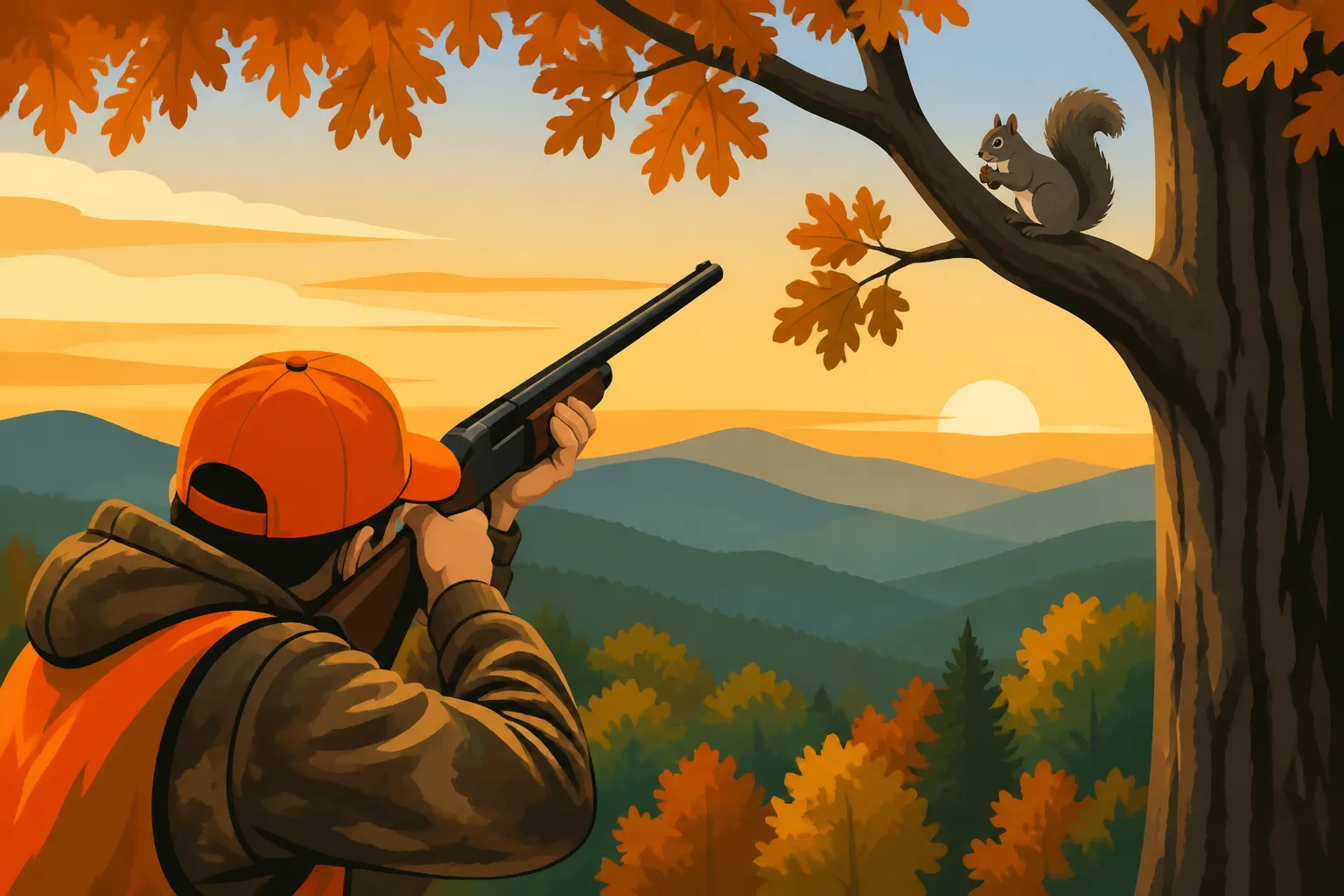
There’s something uniquely satisfying about chasing squirrels in the crisp North Carolina woods, isn't there? It’s often seen as a beginner’s pursuit, but anyone who’s spent a chilly morning trying to outsmart a bushy-tailed phantom knows it demands skill, patience, and a deep understanding of their woodland world. If you've ever felt overwhelmed by endless acres or just found yourself walking through quiet woods wondering where all the squirrels went, you're not alone. This guide aims to pull back the curtain on one of the most productive yet sometimes overlooked habitats: the humble oak ridge. We'll dive into the specifics of finding, understanding, and successfully hunting squirrels in these vibrant ecosystems across our beautiful state.
Understanding the North Carolina Oak Ridge Ecosystem for Squirrels
North Carolina's diverse landscape offers a rich tapestry for wildlife, and for squirrels, few places are as inviting as a mature oak ridge. These elevated sections of woodland aren't just pretty scenery; they're bustling hubs of activity, particularly when the acorn crop is plentiful. Knowing what makes these areas so attractive to squirrels is your first step toward consistent success.
Why Oak Ridges are Squirrel Magnets
Oak ridges, by their very nature, are squirrel supermarkets. The primary draw, of course, is the abundant mast crop, specifically acorns. These fatty, protein-rich nuts are a squirrel's preferred fuel source, especially heading into the lean winter months. You'll find a variety of oak species across North Carolina, each with its own timing for dropping acorns. White oaks, for instance, tend to drop their sweeter, less tannic acorns earlier in the fall, making them an initial hotspot. Red oaks, with their higher tannin content, might be less preferred initially but remain a critical food source later into the season, often lasting longer on the ground or providing a reliable backup when white oaks are depleted.
This consistent, high-energy food supply dictates squirrel movement and population density. When you find a healthy stand of oaks on a ridge, you've found a pantry that squirrels will visit daily. They don't just eat what falls; they're constantly burying and rediscovering acorns, creating a constant flurry of activity that's easy to spot if you know what to look for. A strong acorn year directly impacts North Carolina Squirrel and Rabbit Populations, leading to healthier, more numerous animals.
Reading the Land: Identifying Productive Ridges
Locating these squirrel havens starts well before you even step foot in the woods. Modern mapping tools, like those found on GoHunt, are invaluable for this pre-hunt scouting. You'll want to pore over topographic maps to identify elevated areas, then switch to aerial views to discern timber types. Look for extensive stands of mature hardwoods, particularly those dominated by oaks. A mix of different oak species is often ideal, as it provides a staggered food source throughout the fall and winter.
Productive ridges aren't always massive mountain features. Even subtle rises in elevation in the Piedmont or Coastal Plain can constitute an "oak ridge" if they host mature mast-producing trees. Pay attention to how these oak stands transition into other habitats, such as pine thickets, agricultural fields, or creek bottoms. These transition zones often act as travel corridors or bedding areas for squirrels, providing opportunities to intercept them moving between food and cover. Effective pre-season scouting, as outlined in guides like Scouting North Carolina Public Land Before Season, can save you countless hours of aimless wandering once the season opens.
Signs of Squirrel Activity Beyond Sightings
You don't always need to see a squirrel to know they're around. Often, the most reliable indicators are the subtle clues they leave behind. One of the strongest signs of recent activity is the presence of fresh cuttings. These are the small, chewed pieces of acorn shells, hickory nuts, or even pine cone scales that squirrels drop while feeding. Fresh cuttings will appear light-colored, often still showing the moist inner membrane of the nut, and will be concentrated directly under a feeding tree or along a well-used log. Understanding Reading Cuttings Under an Oak is a critical skill for any squirrel hunter.
Another clear sign is the presence of nests, often called dreys. These are bulky masses of leaves and twigs high up in tree branches, typically in the crotch of a limb or where several branches meet. While squirrels will also use tree cavities, visible dreys indicate a resident population. Look for multiple dreys in an area, suggesting a healthy, established community. Fresh tracks in soft dirt or, later in the season, in a dusting of snow, can also confirm their presence. You might even spot small rubb marks on the bark of smaller trees where squirrels regularly climb up and down, worn smooth from countless little paws.
Tactics for Successful Oak Ridge Squirrel Hunting
Hunting squirrels on an oak ridge is a dynamic game, requiring a blend of stealth, patience, and sometimes, a bit of vocal trickery. The methods you employ will often depend on the time of day, the amount of hunting pressure, and the specific terrain you're navigating.
Still-Hunting and Stalking for Skittish Squirrels
Still-hunting is perhaps the most rewarding and challenging method for squirrels. It involves moving incredibly slowly through the woods, taking a few steps, then pausing for several minutes to observe and listen. This deliberate pace allows you to pick apart the details of the forest. Use your eyes to scan not just the ground, but also the branches, looking for the tell-tale twitch of a tail, the outline of a body pressed against bark, or even the slight movement of leaves high in the canopy. Good binoculars, even a small, compact pair, are invaluable for this.
The key is to use the natural contours of the ridge and available cover to your advantage. Walk with the sun at your back if possible, to illuminate squirrels and minimize your shadow. Move into the wind to keep your scent from drifting ahead and to make it harder for squirrels to hear your approach over the rustling leaves. In steeper terrain, pay attention to how Wind and Thermals on a Blue Ridge Slope can affect squirrel movement and your ability to approach undetected. Stop frequently, leaning against a tree to break up your silhouette, and listen intently. The rustle of dry leaves, the chattering bark of a squirrel, or the tink of a falling acorn can all betray their presence.
Sit-and-Wait Strategy Around Active Trees
Sometimes, the best strategy is to let the squirrels come to you. This "sit-and-wait" method is particularly effective when you've identified a "hot" feeding tree or cluster of trees laden with fresh cuttings. Find a comfortable spot with a good backdrop that breaks up your outline – a wide tree trunk, a thick briar patch, or a dense cluster of rhododendrons. Ensure you have clear shooting lanes in several directions around the target trees.
Patience is paramount here. Squirrels are often active in bursts, disappearing for periods only to reappear unexpectedly. Set up and wait quietly for 15-30 minutes, sometimes longer. Early morning and late afternoon are prime times for this strategy, as squirrels are most actively feeding. Your camouflage should be effective, blending you into your surroundings, and minimizing any sudden movements. Once you hear or see movement, freeze and slowly bring your firearm to bear. This method can be incredibly productive, especially if you're targeting specific, heavily used feeding areas.
Barking and Calling Squirrels
Adding a vocal element to your squirrel hunting can dramatically increase your success, especially when squirrels are being shy or when you want to confirm their presence. Squirrel calls mimic the sounds of various squirrel barks and chatters, which can draw out curious or territorial animals. GoHunt offers a range of innovative hunting calls, and a good squirrel call can be a fantastic addition to your gear bag.
There are different types of calls: distress calls, barks, and chatters. A sharp, territorial bark can often elicit a response from a nearby squirrel, making them reveal their position. A series of rapid chatters might make a hidden squirrel think another squirrel is feeding, sometimes drawing them out into the open. Timing is everything; use calls sparingly and realistically. Over-calling can make squirrels even more cautious. Practice making the sounds yourself, or invest in a quality call that's easy to use. Sometimes, even mimicking the sound of a squirrel gnawing on a nut can be enough to pique their interest and bring them closer.
Essential Gear and Safety for Oak Ridge Hunting
Heading into the North Carolina woods, even for small game like squirrels, requires thoughtful preparation. The right gear enhances your effectiveness and comfort, while prioritizing safety ensures a responsible and enjoyable experience for everyone.
Firearms and Ammunition Choices
When it comes to squirrel hunting on an oak ridge, you have a few excellent options for firearms, each with its own advantages. The most popular choice, and for good reason, is the .22 caliber rimfire rifle. These rifles are inherently accurate, relatively quiet, and economical to shoot. A bolt-action .22 offers excellent precision, while a semi-automatic can provide quick follow-up shots if a squirrel is on the move. Regardless of the action, a good quality .22, zeroed properly, is a formidable tool for headshots, which are essential for maximizing meat yield and ethical harvesting.
Shotguns, particularly a 20 gauge or even a .410, are also effective, especially in dense cover or for fast-moving targets. They offer a wider pattern, making moving squirrels easier to hit, though they can cause more damage to the meat if not used carefully. #6 or #7.5 shot are common choices. Air rifles, with their increasing power and precision, are another quiet and effective option, especially useful in areas where firearm noise might be a concern. The choice ultimately comes down to personal preference and hunting style, but always remember that ethical shot placement is paramount, aiming for the head or vitals to ensure a quick, clean kill.
Optics, Apparel, and Ancillary Gear
Beyond your firearm, a few key pieces of gear will make your oak ridge squirrel hunt more productive and comfortable. A good pair of binoculars, 8×42 or 10×42, will be your best friend for spotting subtle movement high in the canopy or a squirrel camouflaged against a tree trunk. They allow you to survey an area without unnecessary movement. When considering optics, think about low-light performance, which can be critical during early morning or late evening hunts.
Layered clothing in quiet, natural camouflage patterns is essential. You'll be moving slowly, then sitting still, so versatility is key. Comfortable, sturdy boots are a must for navigating uneven terrain, fallen logs, and crunchy leaf litter – consider something like the durable options discussed for Boots for North Carolina Swamps and Ridges. A small game vest or a comfortable day pack, like those highlighted in Packs for a Day on Public Land, will allow you to carry your harvested squirrels, water, snacks, and any calls or other small essentials. Brands like GoHunt are known for quality gear that stands up to the rigors of the field, so be sure to check out their offerings for everything from packs to binoculars.
Safety Considerations on the Ridge
Safety should always be your top priority, especially when hunting in areas that might see other outdoor enthusiasts. While North Carolina doesn't always mandate hunter orange for small game, it's highly recommended, especially if you're hunting during an overlap with deer season, which is common in many areas. Wearing a blaze orange hat or vest, as discussed in How Much Blaze Orange North Carolina Requires, makes you visible to other hunters and significantly reduces the risk of accidents. Remember, North Carolina Deer Season Overlap With Small Game means you're sharing the woods.
Always positively identify your target and be absolutely certain of what is beyond it before taking a shot. Squirrels are often high in trees, so be mindful of where your bullet or shot might travel after passing through the target. Navigating uneven terrain, wet leaves, or rocky sections of a ridge requires careful footing to prevent falls. It's also wise to carry a fully charged phone or a GPS unit (many hunting apps, including those from GoHunt, offer excellent mapping features) to stay oriented, particularly on large tracts of public land. Familiarize yourself with your hunting area, and if possible, let someone know your hunting plan and expected return time.
Seasonality, Regulations, and Post-Harvest
Hunting squirrels in North Carolina is more than just heading to the woods; it involves understanding the best times to go, adhering to state regulations, and properly caring for your harvest. These details ensure a responsible and successful hunt.
Best Times to Hunt and Understanding Regulations
The timing of your squirrel hunt can significantly impact your success. North Carolina's squirrel season typically opens in early October, often overlapping with archery deer season. The early part of the season, when the leaves are still on the trees, offers excellent cover but can make spotting squirrels more challenging. As the leaves begin to fall, usually by late October and into November, visibility improves dramatically, making it easier to spot squirrels in the canopy. This is often a prime time, as squirrels are frantically gathering and caching acorns before winter.
Later in the season, after a few hard frosts, squirrels become even more predictable, focusing on remaining mast crops. However, they can also become warier due to hunting pressure. Always check the current North Carolina Inland Fishing, Hunting & Trapping Regulations Digest for specific dates, bag limits, and any other special rules. The North Carolina Squirrel Season Opening Day is a great time to be out there, but don't overlook the late season for some fantastic hunting opportunities. Always carry your valid North Carolina hunting license and adhere to all legal requirements for small game, as covered in North Carolina Small Game Season Rules.
Field Dressing and Meat Care
Harvesting a squirrel is just the first step; proper field dressing and meat care are crucial to ensuring a delicious meal. Squirrel meat is lean and flavorful, but like any wild game, it benefits from quick handling. As soon as you harvest a squirrel, it's best to field dress it to begin cooling the meat, especially on warmer days. This usually involves making a small incision and removing the entrails.
Once home, there are several methods for skinning squirrels. Many hunters use a technique that involves making an incision across the back, stepping on the tail, and pulling the hide off like a jacket. After skinning, thoroughly clean the carcass, removing any remaining hair, fat, or glands. Transporting your squirrels out of the woods in a game bag or a small cooler with ice is ideal, particularly if you're hunting in warmer early-season conditions. Squirrel meat is incredibly versatile, whether stewed, fried, or baked. If you're looking for inspiration, articles on Best-Eating Game in North Carolina often include fantastic small game recipes that truly celebrate the flavor of your hard-earned harvest.
| Feature | .22 Rimfire Rifle | Shotgun (20 Ga./.410) | Air Rifle (High Power) |
|---|---|---|---|
| Accuracy | Excellent for precise headshots | Good for moving targets, wider pattern | Excellent for precise headshots, very quiet |
| Range | Effective up to 75-100 yards | ~30-40 yards (depending on choke/shot) | Effective up to 50-70 yards (depending on power) |
| Noise Level | Low, especially with subsonic ammo | Moderate to high | Very low, almost silent |
| Meat Damage | Minimal with headshots | Higher potential, especially with body shots | Minimal with headshots |
| Ammunition Cost | Very affordable | Moderate | Moderate (pellets) |
| Hunting Style | Still-hunting, precise sitting | Bush-beating, fast action, jump shooting | Still-hunting, backyard/suburban hunting |
| Ideal Conditions | Clear shots, less cover, deliberate hunting | Thick cover, moving squirrels, quick reactions | Close range, quiet environments, ethical hunting |
Disclaimer
Hunting and firearm regulations are subject to change. Always consult the most current North Carolina Inland Fishing, Hunting & Trapping Regulations Digest published by the North Carolina Wildlife Resources Commission before heading afield. This guide is for informational purposes only and does not supersede state laws or regulations.