Orange Requirements for Archery Hunters
For North Carolina archery hunters, the question of whether to wear blaze orange can feel like a riddle wrapped in an enigma. You’ve probably heard conflicting advice around the campfire or while signing in at a game lands kiosk, leaving you scratching your head. This guide is here to untangle the legal requirements and practical considerations so you can head into the woods confidently, knowing you're both safe and compliant.
Understanding the "Why" Behind Blaze Orange Regulations
It’s easy to get frustrated with rules, especially when you feel like they contradict your primary goal as a bowhunter: to be as stealthy and hidden as possible. But the regulations around blaze orange aren't designed to make your hunt harder; they're fundamentally about keeping everyone safe.
The Core Principle: Hunter Safety
Think about it from a perspective broader than just your own hunt. When you’re out in the woods, whether on a crisp October morning or a colder December afternoon, you're rarely truly alone. Other hunters are often out there pursuing various game, sometimes with very different equipment and tactics. The primary reason for blaze orange requirements is to prevent mistaken identity accidents. Nobody wants to be mistaken for game, and nobody wants to mistakenly shoot another person. It’s a stark reality, but one we all need to take seriously.
Imagine you're still-hunting through a thick pine plantation, moving slowly, deliberately, trying to pick out a deer through the dense needles. Another hunter, perhaps on a deer drive or just walking to their stand, hears a rustle in the underbrush, sees a flash of brown, and their instincts kick in. If you're wearing blaze orange, that "flash of brown" becomes a "flash of orange," instantly signaling a human presence. This simple visual cue can literally be the difference between a safe encounter and a life-altering tragedy. This proactive visibility is crucial, especially in areas with heavy cover or limited sightlines.
Overlapping Seasons and Increased Risk
One of the biggest sources of confusion for bowhunters stems from North Carolina's often overlapping hunting seasons. Our state offers a wealth of opportunities, but that also means different weapons and species can be in season concurrently. While you might be focused solely on archery for deer, someone else might be hunting squirrels with a shotgun, or in some zones, the muzzleloader or even early gun deer season might be open.
Consider the Western Zone, where the archery season often starts earlier but then overlaps with muzzleloader season, and eventually the full gun season. Or perhaps you're in one of the Eastern Zones where North Carolina's Gun Deer Season by Zone begins earlier. If you're bowhunting during a period when firearms are also legal for big game, you are essentially sharing the woods with hunters who have a much greater effective range and different target acquisition methods. The risk of being unseen by a firearm hunter, or failing to identify another firearm hunter, dramatically increases during these overlapping periods. This is precisely why the regulations sometimes require archers to don orange even when they themselves are not using a firearm. It's about protecting you from other hunters, and vice versa.
North Carolina's Specific Blaze Orange Requirements for Archery
Navigating the exact rules can feel a bit like reading legal jargon, but let's break down North Carolina's specific requirements for bowhunters. It's not as complex as it might seem, but understanding the nuances is key to staying safe and legal.
When Archery Hunters Must Wear Orange
The core rule for North Carolina is straightforward: if you are hunting big game (which includes deer, bear, and feral hogs, when considered big game in specific contexts) with a bow or crossbow during any open firearm season for big game, you generally need to wear blaze orange. This applies whether you are on public game lands or certain private lands. Specifically, the law states that any person hunting bear, deer, or feral wild boar with a firearm or archer's equipment during a deer or bear firearm season must wear hunter orange.
What does this mean for a typical deer archery hunt?
- Public Lands: If you're on a North Carolina Game Land or in a national forest like Pisgah or Nantahala, and there's an open season for deer or bear where firearms are allowed, you must wear blaze orange. This isn't optional, even if you’re only carrying a bow. The rule is designed to make you visible to all hunters in the area. This applies during times like the latter part of the statewide archery season when it overlaps with muzzleloader season, or even the full gun season in various zones.
- Private Lands: On private property, the rules can be a little less restrictive but still crucial. If you are hunting on private land and a firearm season for deer or bear is open, you are required to wear blaze orange if there is any firearm hunter present on that private land. The intention here is again about preventing accidents in shared hunting spaces. If you're the only hunter on the property and only using archery equipment during an overlapping season, the legal requirement for orange might not apply to you personally, but it's always safer to err on the side of caution. Always check current regulations, as state laws can evolve.
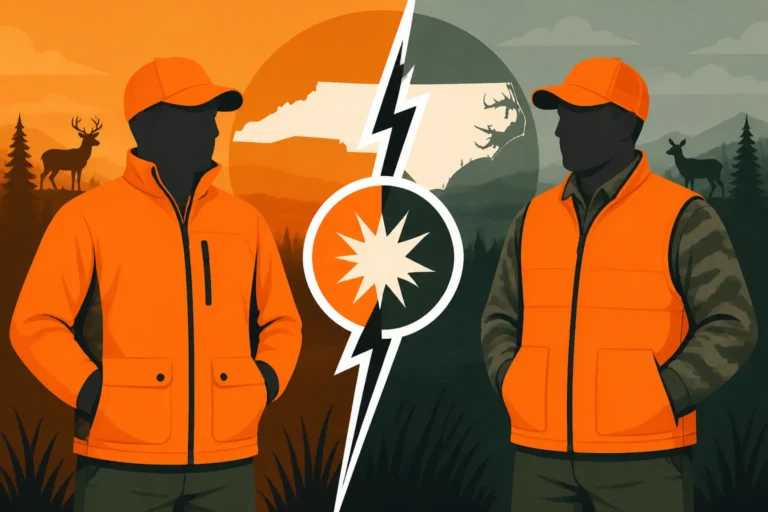
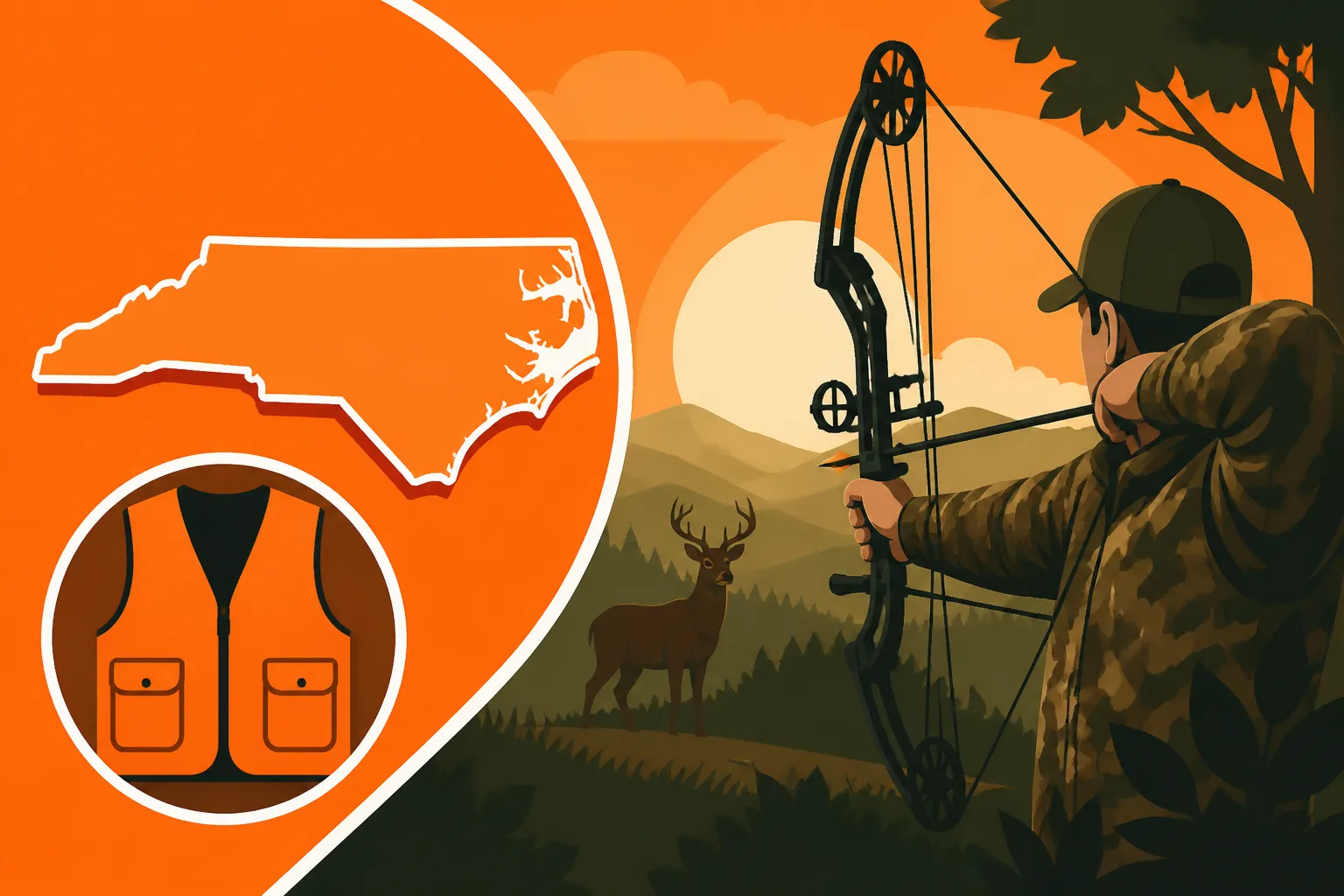
When orange is required, the standard is clear: you need to wear at least 500 square inches of solid blaze orange material, visibly worn above the waist, and visible from all sides. This isn't just a patch; it's a substantial amount designed for maximum visibility. For more detailed information, you can always refer to the official North Carolina Blaze Orange Requirements. Keeping track of season dates, especially how North Carolina's Four Gun Deer Zones affect overlap, is crucial.
When Archery Hunters Can Skip the Orange
There are specific scenarios where North Carolina's regulations allow archery hunters to forgo blaze orange. Understanding these exceptions is just as important as knowing when it’s required.
The primary exception for bowhunters is during an archery-only season for big game when no firearm (including muzzleloader) season for big game is open in that specific area. For example, the very beginning of North Carolina's archery deer season often falls into an "archery-only" window before any gun or muzzleloader seasons commence. During these exclusive archery periods, on both public and private land, you are generally not required to wear blaze orange. This is when bowhunters can truly embrace full camouflage without legal concern for visibility to firearm users.
However, even in archery-only periods, common sense and local conditions should always prevail. If you are on private land where only archery hunting is taking place and no firearm seasons for big game are open, you are not mandated to wear orange. But as soon as a firearms season for big game opens in your area, or if firearm hunters are present on the private land you're hunting, the requirement kicks in.
It's also worth noting that specific types of hunting have their own rules. For instance, waterfowl hunters in a blind, or those hunting in specific dove fields, have different considerations, which aren't typically relevant to big game archery but highlight how regulations can vary. The key takeaway for deer archers is the presence or absence of an open big game firearm season. Tools like the GoHunt app can really help you visualize property lines and check local regulations, helping you confirm if you're truly in an archery-only scenario, especially when hunting close to boundaries or in areas with complex season structures.
Practical Considerations for Bowhunters
For many bowhunters, the thought of wearing blaze orange can feel like a direct contradiction to the art of archery, which relies heavily on stealth and camouflage. But safety doesn't have to completely compromise your hunting strategy. There are ways to integrate blaze orange effectively and practically.
Balancing Camouflage with Safety
This is the eternal dilemma for archers. You spend countless hours scouting, practicing your draw, and selecting the perfect camouflage pattern, only to be told you might need to wear a bright, highly visible vest. It feels counterintuitive, but remember, the primary goal of orange is human safety, not game avoidance. Deer, while colorblind in the way humans perceive color, can still detect movement and light intensity changes quite effectively. A block of bright orange against a dark background is still a block of color, and any movement can alert them.
So, how do you balance it?
- Removable Options: Many archers opt for blaze orange vests that can be easily put on and taken off. When walking to your stand on public land during an overlapping season, wear your vest. Once you're safely in your treestand or ground blind, you might carefully remove it, as long as it's safe to do so given your specific setup and visibility. However, always be mindful of when other hunters might be moving through the area, such as during a deer drive on public land.
- Strategically Placed Orange: Some camouflage patterns now incorporate small, subtle orange elements. While these might not meet the 500 square inch requirement, they can be a component of your strategy. The most effective method is usually a dedicated orange vest or hat worn over your camo.
- Concealment in the Stand: Once you're positioned, the orange doesn't move as much. If you're truly tucked into cover or up in a dense tree, the orange might be less visible to deer but still highly visible to other hunters scanning the woods. Your movement is what spooks deer, not necessarily the static color. Many archers use mapping tools, like those found in GoHunt, to plan their approach and exit routes, minimizing time spent walking without orange in areas where it's required.
Choosing the Right Blaze Orange Gear
Not all blaze orange is created equal. For bowhunters, who prioritize quiet movement and minimal bulk, selecting the right gear can make a big difference.
- Quiet Fabrics: Avoid noisy, crinkly materials that will amplify every movement. Look for fleece, brushed cotton, or other quiet synthetic blends. The last thing you want is your safety vest announcing your presence with a swish-swish.
- Breathability: North Carolina hunting can involve warm days, even in late fall. A heavy, unventilated orange vest can lead to sweating, which then makes you cold when the temperature drops. Look for vests with mesh panels or lightweight fabrics.
- Types of Gear:
- Vests: The most common and versatile option. Easy to layer over your existing hunting clothes. Ensure it meets the 500 sq. inch requirement.
- Hats: An orange hat is a great addition, but usually won't meet the full 500 sq. inch requirement on its own. Often worn in addition to a vest.
- Jackets/Coats: If you're hunting in colder weather, a full blaze orange jacket might be a better option than layering a vest over a heavy coat.
- Blaze Pink: North Carolina also allows "blaze pink" as an alternative to blaze orange. It serves the same safety purpose and is legally equivalent. If you prefer the color or find gear that suits your needs, this is a viable option. You can find more details on Blaze Pink Options Under North Carolina Law.
Here's a quick summary table for common scenarios:
| Scenario | Orange Required? | Notes |
|---|---|---|
| Archery-Only Season (no gun/muzzleloader open) | No | On both public and private land, as long as no firearms seasons are open for big game in the area. |
| Archery Season Overlapping Gun/Muzzleloader (Public Land) | Yes | Always required. At least 500 sq. inches visible above the waist, from all sides. |
| Archery Season Overlapping Gun/Muzzleloader (Private Land) | Yes | If any firearm hunter is present on that specific private land. |
| Archery Season (Private Land, Archery-Only Hunters) | No | If only archery hunting is taking place on that specific private parcel and no gun seasons are open. |
| Archery Hunter Walking to/from Stand (Overlapping Season) | Yes | Even when not actively hunting, if a gun season is open on public land or shared private land. |
Staying Informed About Overlapping Seasons
The biggest variable for archery hunters regarding blaze orange is the precise timing of overlapping seasons, which can vary not only year to year but also by specific zone and county in North Carolina. It's a hunter's responsibility to know the rules for their exact hunting location and date.
- Annual Regulation Digest: Always get a copy of the current North Carolina Wildlife Resources Commission (NCWRC) hunting and trapping regulations. Read it cover to cover, paying special attention to the deer and bear season tables for your specific hunting zone. This is your bible for compliance.
- Zone-Specific Dates: North Carolina has distinct hunting zones, each with its own season dates. For instance, Hunting the Rut in the Eastern Zones will have different start and end dates for various weapons than Hunting the Rut in the Western Zone. You need to know which zone you are in.
- Digital Tools: Websites and apps, like GoHunt, are invaluable for quickly checking real-time regulations, season dates, and even property boundaries. A quick check on the GoHunt platform before heading out can confirm the exact season dates for your specific county, ensuring you're never caught off guard. Knowing When North Carolina's Archery Season Opens is just the first step; understanding the full North Carolina Deer Season Structure Explained is critical.
Beyond Legal Requirements: The Spirit of Safety
While understanding the letter of the law is essential, truly embracing hunter safety goes beyond simply checking a box. It's about cultivating a mindset that prioritizes the well-being of all individuals in the woods, even when legal mandates don't strictly apply.
Thinking Like a Gun Hunter
As an archery hunter, you're accustomed to much closer shots and a more intimate engagement with your quarry. Your world is often measured in yards, not hundreds of yards. However, during overlapping seasons, you share the woods with firearm hunters whose effective range can extend significantly further. A rifle hunter might be glassing a distant ridge, looking for movement, or setting up a long shot across a field. Their methods for target acquisition, trajectory, and ethical shot placement are fundamentally different.
By putting yourself in their shoes, you can better appreciate why blaze orange is so critical. A firearm hunter needs to be absolutely certain of their target and what lies beyond it. Your orange, even if you're standing perfectly still against a tree, makes you unequivocally human. This simple act of identification removes doubt and vastly reduces the risk of an accident. Even on private land where you're legally "safe" to not wear orange during an overlapping season if no firearm hunters are present, consider the possibility of someone trespassing, or a landowner checking fences with a rifle. Thinking proactively, rather than reactively, is a hallmark of a responsible hunter. It's about anticipating scenarios and taking steps to mitigate risk.
Educating Fellow Hunters
Hunter education isn't just for beginners. It's an ongoing process of learning and sharing knowledge. By demonstrating excellent safety practices, including appropriate blaze orange use, you set a positive example for everyone else in the field. This is particularly important for newer hunters or those who might be less familiar with overlapping season nuances. If you hunt with a North Carolina Mentored Youth Hunting Rules license holder, showing them the importance of blaze orange, even when it feels inconvenient, instills lifelong safety habits.
When you're out on public land, which often sees significant Hunting Pressure on North Carolina Public Land, your actions contribute to the overall safety culture. By being clearly visible when required, you're not just protecting yourself; you're making the woods safer for everyone who is Scouting North Carolina Public Land Before Season, setting up Treestand Setups in Pisgah National Forest, or simply hiking. Our shared responsibility as hunters means looking out for each other, and sometimes that means wearing something bright even when you’d prefer to blend in. Always ensure you have your North Carolina Game Lands License Requirements sorted before venturing out. Remember, the goal is to enjoy the hunt, harvest game ethically, and most importantly, come home safely.
Disclaimer
This article is for general informational purposes only and does not constitute professional advice. Laws, prices and regulations vary by location and change over time. Consult a qualified professional for guidance on your specific situation.