Clothing for a North Carolina Late Season
Oh, the North Carolina late season! If you've spent any time in the woods after Thanksgiving, you know the frustration: one day it's shirt-sleeve weather, and the next you're shivering uncontrollably as a cold rain sweeps in. Trying to dress appropriately for these wild swings can feel like a losing battle, often leading to either sweating buckets on the walk in or freezing solid on stand. This comprehensive guide is here to unravel the mysteries of dressing for North Carolina's unpredictable late-season hunts, helping you stay comfortable, focused, and effective, no matter what Mother Nature throws your way.
Understanding North Carolina's Late Season Weather Volatility
North Carolina's climate is famously varied, stretching from the misty peaks of the Blue Ridge Mountains to the windswept barrier islands of the coast. This geographical diversity means that "late season" can feel dramatically different depending on where you're hunting, and even within a single day, conditions can shift from mild to bone-chilling. It's not just about cold; it's about the combination of elements that truly test a hunter's resolve and gear.
The Unpredictable Swings from Piedmont to Mountains to Coast
Let's be real, you've probably experienced it: you check the forecast, bundle up for a 30-degree morning, and by noon, you're peeling layers off because it's suddenly 55 and sunny. Or, conversely, you dress for a mild day, and a cold front unexpectedly barrels through, leaving you regretting every piece of gear you left in the truck. This isn't just an annoyance; it's a genuine challenge that can shorten your sit or even ruin a hunt. The mountains, for instance, are prone to colder temperatures, sharper winds, and often receive snow and ice that the lower elevations might only dream of. A late-season hunt in Pisgah National Forest will require a very different clothing strategy than one in the coastal plain.
Meanwhile, the Piedmont, our most populous region, often feels like a grab bag of weather. It can be mild and damp, or dry and frigid, sometimes within the same week. The coastal plain and Outer Banks, while generally milder in temperature, bring their own unique miseries: biting winds off the water that cut through inadequate layers, and persistent dampness that makes even moderately cold temperatures feel far worse. This constant uncertainty means that simply grabbing the "warmest jacket" isn't a viable strategy; adaptability is the name of the game.
Dealing with Cold, Rain, and Wind: The Hunter's Trifecta of Misery
Any single one of these elements is a challenge for a hunter. Cold makes you shiver, impacts your dexterity, and drains your energy. Rain soaks you to the bone, strips away insulation, and makes everything miserable. Wind, especially a relentless North Carolina gust, will penetrate even seemingly warm layers, stealing your body heat at an alarming rate. But when you combine them – a cold, windy, rainy day – that's when you truly face the hunter's trifecta of misery.
This isn't just about discomfort; it's about performance and safety. Shivering uncontrollably makes it impossible to hold steady for a shot. Numb fingers can't work a safety or adjust a scope. Hypothermia, though less common in North Carolina than in more northern states, is still a real risk when you're wet and exposed to cold temperatures for extended periods. When you’re spending hours in a Treestand Setups in Pisgah National Forest, a leaky jacket or insufficient insulation isn't just uncomfortable; it's a hazard. You need gear that stands up to all three challenges, ensuring you can maintain focus and stay in the field as long as it takes.
The Core Principle: Layering for Adaptability
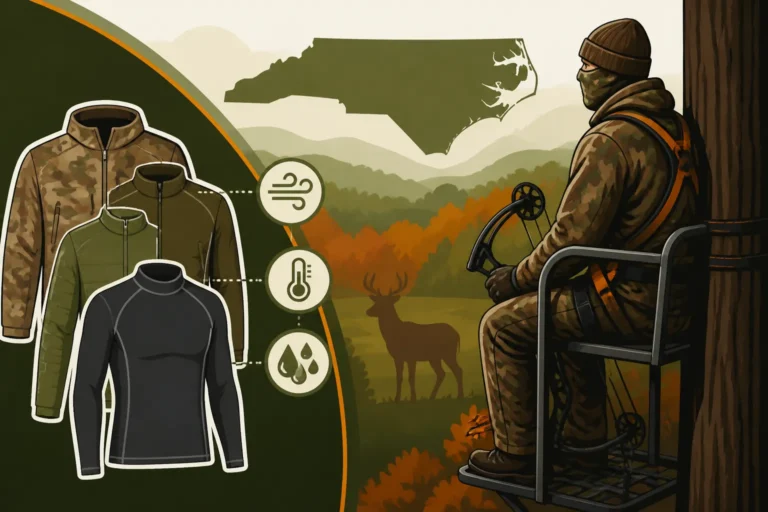
Given North Carolina's temperamental late-season weather, the single most important concept in hunting clothing is layering. Forget the idea of one "super jacket" that does it all. Instead, think of your clothing system as a series of specialized components, each with a specific job, that you can add or subtract to precisely match the conditions and your activity level. This allows for maximum adaptability, keeping you comfortable whether you're breaking a sweat walking to your stand or sitting motionless for hours in a biting wind.
The Base Layer: Managing Moisture is Key
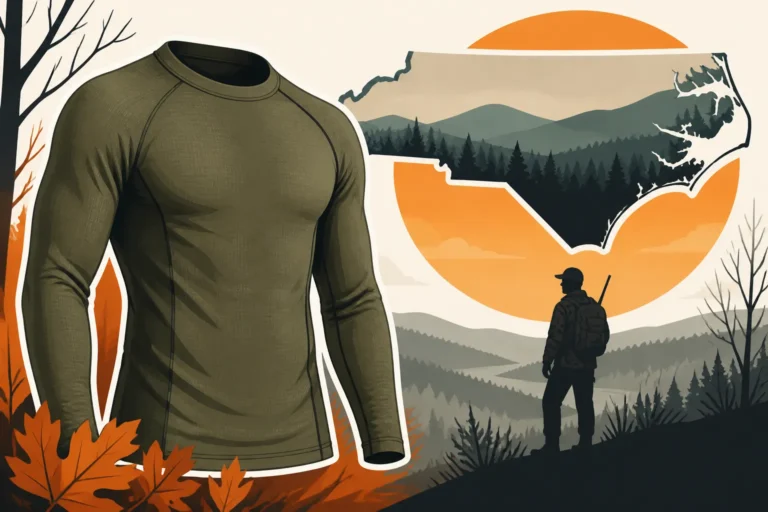
Your base layer is the foundation of your entire clothing system, and its primary job is not to keep you warm, but to manage moisture. Picture this: you've just hiked a good half-mile, maybe uphill, to get to your favorite stand location. You're probably sweating, even on a cold morning. If that sweat stays next to your skin, it will cool rapidly once you stop moving, turning into a chilling, clammy sensation that zaps your core warmth. This is why the old adage "cotton kills" rings true for hunting. Cotton absorbs moisture and holds it, acting like a cold, wet rag against your skin.
Instead, you want materials that wick sweat away from your body, transferring it to outer layers where it can evaporate. Merino wool is an absolute champion here. It's incredibly soft, naturally odor-resistant, and surprisingly warm even when damp. Synthetic fabrics, often made from polyester blends, are another excellent choice, known for their rapid drying times and durability. These materials keep you feeling dry and comfortable, preventing that sudden chill that sets in after exertion. A good base layer is truly the unsung hero of a comfortable late-season hunt.
The Mid-Layers: Insulation for Static Warmth
Once your base layer is taking care of moisture, your mid-layers step in to provide the crucial insulation that keeps you warm. These layers are designed to trap warm air close to your body, creating a thermal barrier against the cold. Depending on the day's temperature and your activity, you might wear one light mid-layer or multiple heavier ones. Think fleece jackets, insulated vests, or heavier wool sweaters. The beauty of mid-layers is their versatility. You can start your walk to the stand with fewer mid-layers, preventing overheating and excessive sweating, then add a heavier fleece or a puffy jacket once you're settled in your spot.
The thickness and material of your mid-layers will dictate their warmth-to-weight ratio. A lightweight grid fleece might be perfect for a milder late-season day, while a thicker, high-loft fleece or a synthetic puffy jacket offers substantial warmth when the mercury truly plunges. Having a few different options allows you to fine-tune your insulation throughout the day. This adaptability is vital for those North Carolina days that start frigid, warm up unexpectedly, and then get cold again as the sun sets. When you're sitting for extended periods, especially during North Carolina's Gun Deer Season by Zone, adequate mid-layers are what prevent you from packing it in early.
The Outer Layer: Your Shield Against the Elements
Your outer layer, also known as your shell, is your ultimate defense against the external forces: wind, rain, and snow. While your base and mid-layers focus on internal comfort and insulation, the outer layer's job is to create an impermeable barrier. For hunting, this means a few critical features: it must be windproof to prevent those brutal North Carolina gusts from stealing your body heat, and it must be waterproof (or at least highly water-resistant) to shed rain and melting snow. Nothing undermines a fantastic layering system faster than a leaky outer shell.
Beyond protection, breathability is a key factor. A completely waterproof shell that doesn't allow any moisture vapor to escape from the inside will trap sweat, making you feel clammy and eventually cold. Look for outer layers that incorporate breathable membranes, allowing internal moisture to escape while blocking external moisture. Finally, for hunting, the outer layer must be quiet. A rustling, crinkling jacket can spook game at critical moments. Many modern hunting-specific outer layers utilize soft-faced fabrics that are bonded to waterproof/windproof membranes, offering protection without the noise. It’s truly frustrating when you’ve done everything else right, but your jacket sounds like a plastic bag every time you move.
Material Matters: Natural vs. Synthetic for Late Season
Choosing the right materials for your hunting clothing can make or break your comfort in the North Carolina late season. It’s not just about how warm a fabric feels to the touch, but how it performs under dynamic conditions – when you're sweating, when it's raining, and when the wind is howling. Understanding the strengths and weaknesses of natural fibers like merino wool and modern synthetics will help you build a more effective wardrobe.
Merino Wool: The Unsung Hero
Merino wool has become a favorite among serious hunters for very good reason, especially for base and mid-layers. Its natural properties are almost perfectly suited to the demands of hunting. First, it offers an incredible warmth-to-weight ratio; a relatively thin merino garment can provide surprising warmth. More importantly, merino wool retains much of its insulating properties even when it gets damp – a huge advantage over cotton. If you work up a sweat on the way to your stand, that merino base layer will still keep you significantly warmer than a sweat-soaked cotton tee.
Beyond warmth, merino is naturally odor-resistant. This is a massive benefit for multi-day hunts or when you can't wash your clothes frequently. The complex structure of merino fibers resists the buildup of odor-causing bacteria, meaning you can wear it longer without smelling like a locker room. It's also remarkably soft and comfortable against the skin, unlike traditional scratchy wools, and it's naturally very quiet, which is crucial when trying to get close to game. The downsides? It can be more expensive than synthetics, and while it insulates when damp, it can take longer to dry completely. Nonetheless, for socks, base layers, and mid-layers, merino wool truly shines.
Synthetics: Performance and Practicality
Modern synthetic fabrics, primarily made from polyester, nylon, and various blends, have come a long way and are indispensable for a hunter's wardrobe. Their key advantages lie in their excellent moisture-wicking capabilities, rapid drying times, durability, and often, more accessible price points compared to high-end merino. Many popular hunting clothing brands leverage advanced synthetics for everything from base layers to waterproof outer shells.
For base layers, synthetic blends excel at pulling sweat away from the skin and spreading it across the fabric's surface for quick evaporation. This rapid drying is a huge plus if you're active or if your clothes get wet. Mid-layer fleeces made from synthetic materials offer lightweight warmth and are often very durable, standing up to the snags and abrasions of thick cover. For outer layers, advanced synthetic membranes (like those used in Gore-Tex or similar proprietary technologies) provide outstanding waterproof and windproof protection while still offering breathability. The main drawback of synthetics is that they tend to hold odor more readily than merino wool, requiring more frequent washing with scent-eliminating detergents. However, their performance, practicality, and often lower cost make them a staple for any hunter. Comparing Wool Versus Synthetics in Mountain Cold really highlights the benefits of each.
Down and Other Fillers: The Static Warmth Powerhouses
When it comes to pure, unadulterated warmth for static sits, down insulation is king. Nothing beats the warmth-to-weight ratio of high-quality goose or duck down. A lightweight down puffy jacket can provide an incredible amount of warmth, packing down into a tiny bundle in your backpack – perfect for those cold, motionless hours in a late-season deer stand. The secret to down's insulating power lies in its loft, the ability to trap vast amounts of air, which then warms up against your body.
However, down has one major Achilles' heel: it loses almost all its insulating power when wet. A soaked down jacket is not only heavy and cold, but it takes an incredibly long time to dry. This makes it a risky choice if there's any significant chance of rain or heavy snow during your hunt, which is always a possibility in North Carolina. This is where synthetic alternatives like PrimaLoft, Thinsulate, or other proprietary synthetic fills come into play. These materials are designed to mimic the loft and warmth of down but retain much of their insulating ability even when wet. While they might be a little heavier or bulkier than an equivalent down garment, their wet-weather performance makes them a much more reliable choice for North Carolina's damp late-season conditions. For sitting through the coldest parts of North Carolina's Gun Deer Season by Zone, a heavy synthetic-filled "puffy" jacket or vest is a game-changer.
Head, Hands, and Feet: Critical Contact Points
While your core body temperature is paramount, don't underestimate the impact of keeping your extremities warm. Your head, hands, and feet are crucial contact points with the environment, and they can bleed heat rapidly if not properly insulated. Neglecting these areas will quickly lead to discomfort, a loss of dexterity, and an overall chilling effect that can send you back to the truck prematurely.
Head Protection: Where You Lose Most Heat
It’s a common misconception that you lose the majority of your body heat through your head, but it's undeniable that your head and neck play a significant role in overall thermal regulation. Our heads are highly vascularized, and when cold, our bodies prioritize keeping vital organs warm, constricting blood flow to extremities and diverting heat to the core. This means that an uninsulated head can quickly make your whole body feel colder.
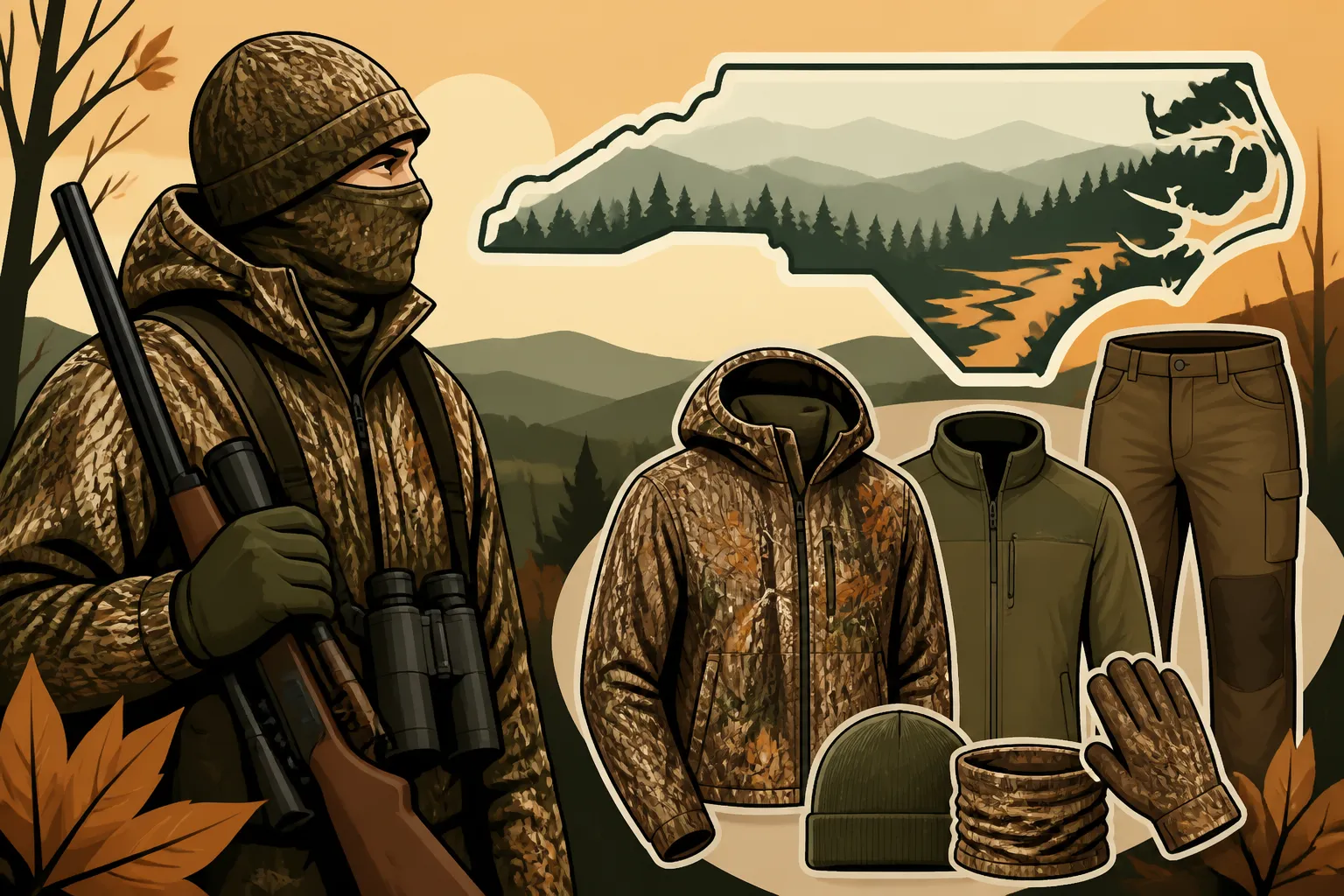
A warm hat, balaclava, or neck gaiter is absolutely essential for late-season hunting in North Carolina. On milder days, a simple beanie might suffice. But when the temperatures truly drop or the wind picks up, a thicker wool or fleece hat, perhaps combined with a balaclava that covers your face and neck, will make a huge difference. Neck gaiters are incredibly versatile, offering warmth without bulk and easily pulled up over the mouth and nose when the wind is biting. Consider options that are quiet and don't interfere with your hearing. Having multiple options allows you to adjust for conditions. Trust me, feeling your ears burn from the cold is a terrible way to start a morning hunt.
Gloves and Mitts: Maintaining Dexterity and Warmth
This is often the trickiest part of late-season clothing. You need to keep your hands warm, but you also need to maintain the dexterity required to operate your firearm or bow, use your binoculars, rangefinder, or check your phone app. Numb, stiff fingers are useless in the woods and can compromise safety and success. The solution often lies in a layered approach to handwear.
Start with a thin, wicking liner glove, preferably made of merino wool or a thin synthetic. This layer provides a baseline of warmth and wicks away any sweat. Over this, you can wear a more substantial shooting glove, which offers more insulation but still allows for good trigger feel or bow grip. When sitting static on stand in truly cold conditions, you'll want a pair of heavy, insulated over-mitts or "heater muff" that you can slip your hands into. These provide maximum warmth, and you can easily pull your hands out to perform tasks with your liner or shooting gloves on. Chemical hand warmers are also an absolute godsend for keeping your digits functional. Trying to load a Muzzleloaders for a North Carolina December with frozen fingers is not only frustrating but dangerous. Invest in good hand protection!
Footwear: The Foundation of Your Comfort
If your feet get cold and wet, you're done for the day. Period. Cold, wet feet are a fast track to misery and will send you back to the truck faster than almost anything else. For late-season hunting in North Carolina, insulated, waterproof boots are non-negotiable. Look for boots with appropriate insulation levels for the temperatures you expect to encounter. While 400-600 grams of Thinsulate might be fine for milder late-season days, you might want 800-1200 grams or more for bitter cold or long, static sits in the mountains.
Equally important are your socks. Again, ditch the cotton. A thin, wicking liner sock (synthetic or merino) paired with a heavier, insulating wool sock (merino or blend) is an excellent combination. The liner helps prevent blisters and wicks moisture, while the outer wool sock provides warmth. Make sure your boots fit well, allowing for thick socks without pinching or restricting circulation, which can actually make your feet colder. Consider rubber boots for extremely wet conditions, especially when Hunting Coastal Plain Pocosin Swamps or crossing muddy creek bottoms. Remember, your feet are carrying you through the woods; they deserve the best protection. For a deeper dive, check out Boots for North Carolina Swamps and Ridges.
Strategic Gear for North Carolina's Late Season Specifics
Beyond the core layering system, there are specific pieces of gear and considerations that become particularly vital when facing North Carolina's late-season challenges. From unexpected downpours to the need for stealth and safety, smart gear choices can significantly improve your hunting experience.
Rain Gear: Not an Option, a Necessity
In North Carolina, especially during the late season, "chance of rain" often means "it will rain." And when it does, it can be a slow, steady drizzle that soaks you over hours, or a sudden, torrential downpour that leaves you drenched in minutes. Many hunters make the mistake of relying on "water-resistant" jackets or hoping for the best. Don't be that hunter. Truly waterproof rain gear is not an option; it's a necessity.
Look for outer layers that feature fully waterproof, seam-taped membranes. While "water-resistant" gear might shed a light shower for a short time, it will inevitably fail in prolonged or heavy rain. Packable rain suits that can be easily stowed in your Packs for a Day on Public Land and quickly deployed are excellent for unexpected changes in weather. Alternatively, some high-end hunting jackets are designed with integrated waterproof membranes, meaning your primary outer layer doubles as your rain gear. Whatever you choose, ensure it's breathable to prevent that clammy feeling inside. There's nothing worse than getting soaked and then having the temperature drop, putting you at risk. For more details on this vital protection, refer to Rain Gear for a North Carolina Downpour.
Layering for Quietness: Stalking in the Late Season
Late-season hunting often means crunchier leaves on the ground and game that is more alert due to increased hunting pressure. This makes quiet movement absolutely paramount, and your clothing plays a huge role. Noisy fabrics can ruin a stalk or betray your position on stand. Think about the sound your jacket makes when you raise your arm, or how your pant legs rub together when you walk.
When selecting outer and mid-layers, prioritize soft-faced fabrics like brushed fleece, quiet wool blends, or specialized hunting textiles designed for silent movement. Even zippers and pocket closures can create unwanted noise, so look for quiet magnetic closures or covered zippers. Furthermore, how you layer can impact noise. Too many stiff or bulky layers can rub together, creating a symphony of rustles with every movement. Experiment with your layering system before the hunt. Walk around, raise your arms, bend down – listen to the sounds your clothes make. Trying to Still-Hunting Nantahala Forest Ridges requires absolute stealth, and noisy clothing will certainly give you away.
Blaze Orange/Pink: Safety First in Gun Season
Safety is always the top priority, and during North Carolina's gun deer season, this means adhering to blaze orange (or blaze pink) requirements. These highly visible colors dramatically increase your visibility to other hunters, significantly reducing the risk of accidental shootings. While archery season often has different rules, once the guns come out, it's non-negotiable.
North Carolina law specifies how much blaze orange or pink must be visible from all sides. This typically means wearing a vest or an outer garment with a significant amount of the color. A blaze orange hat is also a smart addition, even if not explicitly required by law as your primary visible piece. For those who prefer it, blaze pink offers the same level of visibility and is a legal option in North Carolina. Always double-check the current regulations, especially if hunting on specific Game Lands or National Forests, as rules can sometimes vary slightly. Your life, and the lives of others, depend on it. For specific details on requirements, see North Carolina Blaze Orange Requirements and Blaze Pink Options Under North Carolina Law.
Practical Advice and Common Pitfalls
Even with the best gear, how you manage and care for your clothing can have a huge impact on your comfort and effectiveness in the field. Avoiding common mistakes and adopting smart habits will make your late-season hunting much more enjoyable and successful.
Packing Smart: Bringing What You Need Without Overdoing It
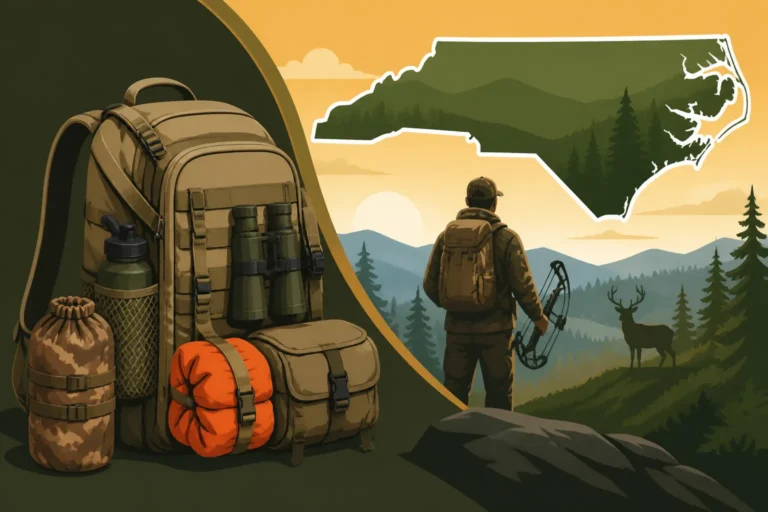
The layering system is fantastic, but it only works if you actually use it. This means carrying extra layers in your pack and being willing to adjust throughout the day. A common mistake is putting on all your layers before the walk-in, leading to overheating and sweating. Instead, start with fewer layers, maybe just your base and a light mid-layer, for the hike. Carry your heavier mid-layers and your outer shell in your backpack.
Once you reach your stand or hunting location, take a few minutes to cool down, dry off if you've sweated, and then add the necessary insulation. This "active dressing" prevents the dreaded post-exertion chill. A quality hunting backpack with external straps or compartments for easy access to layers is invaluable. Remember, it's always better to have an extra layer you don't use than to be freezing cold with no way to warm up. Layering for a North Carolina Deer Stand is all about having the right clothes at the right time.
Pre-Season Prep: Testing Your Gear
Don't wait until opening day to discover your rain jacket leaks, your boots pinch, or your "quiet" fleece rustles like a bag of chips. Take the time before the season to test all your late-season gear. Go for a walk in your hunting boots and socks to break them in and identify any hot spots. Wear your full layering system and practice drawing your bow or shouldering your rifle. Check zippers, snaps, and pockets for ease of use and noise.
If you have waterproof gear, test it in a shower or with a hose to ensure it's still shedding water effectively. This pre-season check allows you to identify any issues and make necessary repairs or replacements long before you're out in the field facing miserable conditions. A little preparation goes a long way in ensuring comfort and performance when it counts.
GoHunt and Beyond: Finding Quality Gear
Building a reliable late-season clothing system is an investment, but it's one that pays dividends in comfort, safety, and ultimately, your enjoyment of the hunt. While you don't need to break the bank, choosing quality over cutting corners is almost always the smarter move. Cheap gear tends to fail when you need it most – zippers break, seams leak, and fabrics lose their insulating properties.
Many specialized outdoor retailers and hunting-specific brands offer excellent late-season clothing options. Resources like GoHunt are great for researching and comparing different products, reading reviews, and understanding the features that truly matter for specific hunting conditions. Whether you're looking for advanced merino base layers or a top-tier waterproof shell, GoHunt often highlights gear designed to perform in challenging environments. Remember, the cost of quality gear is often forgotten once you're comfortable and successful in the field, while the memory of shivering and being miserable lasts far longer than the savings from cheap clothing. Investing in good gear means investing in your experience.
Caring for Your Late Season Clothing
You’ve invested time and money into a quality late-season clothing system, and like any investment, it requires proper care to maintain its performance and longevity. Neglecting your gear can quickly diminish its effectiveness, leading to issues like reduced waterproofing, impaired insulation, and lingering human odor that can spook game. A little attention to washing, drying, and storage will ensure your clothing is ready to perform season after season.
Washing and Storage: Maintaining Performance
One of the biggest mistakes hunters make is treating their technical hunting apparel like everyday clothes. Many performance fabrics, especially those with waterproof membranes, DWR (Durable Water Repellent) coatings, or advanced insulation, require specific washing techniques. Using harsh detergents, fabric softeners, or high heat in the dryer can strip DWR treatments, clog pores in breathable membranes, or degrade insulation fibers. This can significantly reduce the garment's ability to shed water, block wind, or retain warmth.
For most technical garments, you'll want to use a scent-free, performance-specific detergent designed for outdoor gear. Always follow the care instructions on the garment's tag. After washing, low-heat drying or air drying is often recommended to preserve fabric integrity. For waterproof shells, occasional reapplication of a spray-on DWR treatment can restore their water-shedding capabilities. When storing your gear during the off-season, ensure it's clean and completely dry to prevent mildew. Store it in a cool, dark, and scent-free environment, away from strong odors that could leach into the fabric. Proper washing and storage are key to ensuring your gear maintains its effectiveness, helping you stay undetected and protected from the elements.
Repair and Replacement: Extending the Life of Your Investment
Even the best gear will eventually show signs of wear and tear. Small rips, torn seams, or failing zippers are common culprits that can compromise a garment's performance. Don't immediately discard a piece of clothing for a minor issue. Many small tears can be patched with durable fabric repair tape designed for outdoor gear, or professionally sewn. Replacing a broken zipper can give a favorite jacket a new lease on life. Learning basic field repairs or finding a reliable gear repair service can extend the life of your expensive hunting apparel.
However, there comes a point when a garment's performance is truly degraded beyond repair. If your waterproof shell consistently wets out despite DWR reapplication, or if the insulation in your puffy jacket is clumping and no longer providing adequate warmth, it might be time to consider a replacement. Pay attention to how your gear performs. Is it still keeping you warm and dry? Is it still quiet? If not, it might be time to start researching new options. Sites like GoHunt are excellent for finding reputable brands and models that incorporate the latest fabric technologies to ensure you're getting the best performance for your money. Think of your gear as an investment in your comfort and success, and treat it accordingly, knowing when to repair and when to responsibly replace.
Disclaimer
This article is for general informational purposes only and does not constitute professional advice. Laws, prices and regulations vary by location and change over time. Consult a qualified professional for guidance on your specific situation.