Best Shotgun Gauge for Mountain Grouse
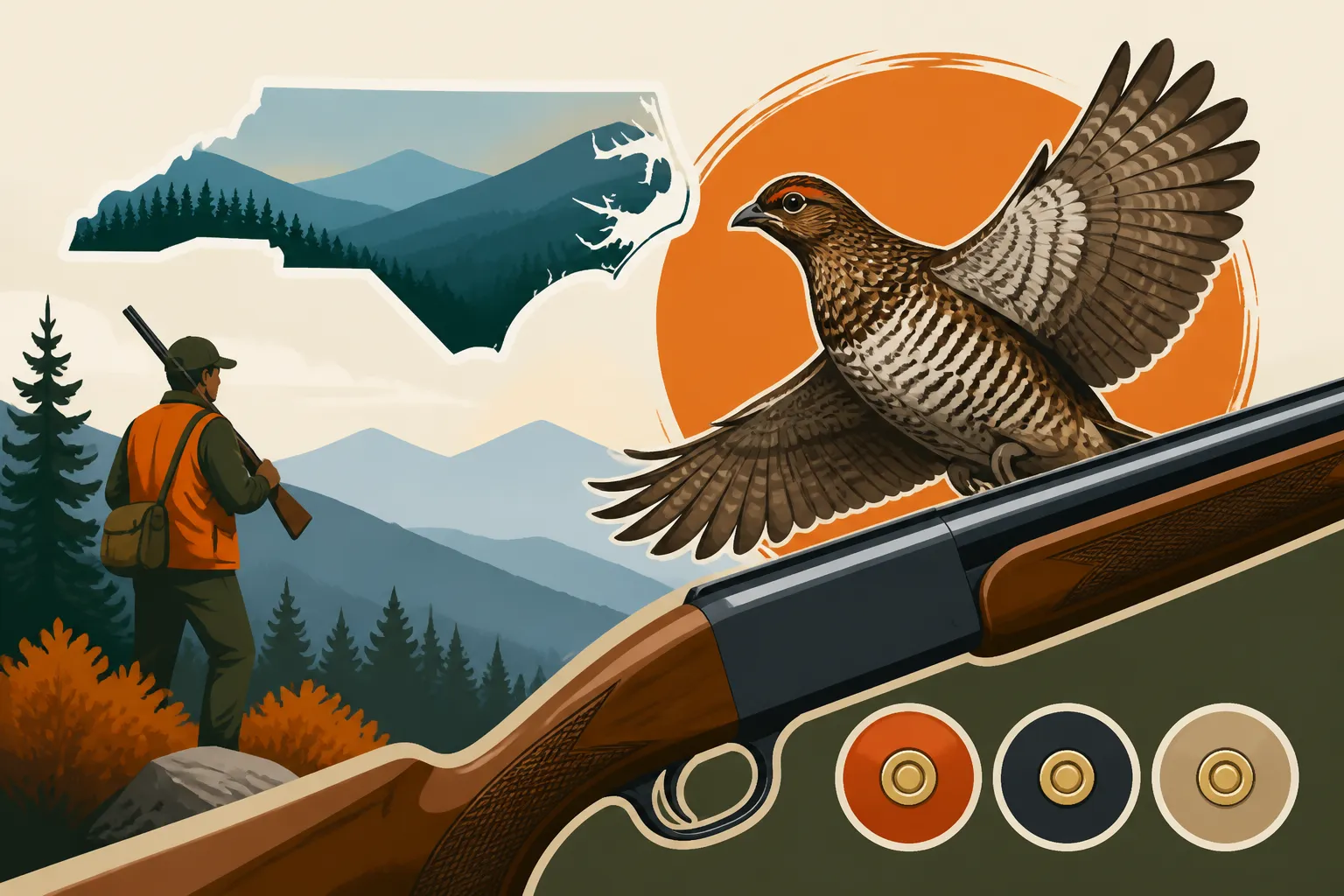
Hunting ruffed grouse in the North Carolina mountains is an experience unlike any other, demanding quick reflexes and an intimate knowledge of the rugged terrain. Many hunters, especially those new to this challenging pursuit, often grapple with the question of what shotgun gauge truly gives them the best chance in the thick mountain laurel and rhododendron thickets. This guide is here to cut through the noise and offer clear, actionable insights into selecting the ideal shotgun gauge for North Carolina's elusive mountain grouse.
The Unique Challenges of North Carolina Grouse Hunting
Let's be real, grouse hunting in our mountains isn't for the faint of heart. It’s a far cry from walking open fields for pheasant or sitting in a blind for ducks. The very nature of the North Carolina high country, particularly in areas like the Pisgah and Nantahala National Forests, presents a unique set of obstacles that directly impact your gear choices, especially your shotgun.
The cover here is brutal – dense, interwoven mountain laurel and rhododendron thickets that can feel impenetrable. Imagine pushing through a wall of green, your dog working just out of sight, when suddenly a grouse explodes from seemingly nowhere, rocketing away through a gap in the foliage that closes almost instantly. These are rarely long, drawn-out flushes. Instead, you're talking about a bird appearing for a fleeting second or two, giving you just enough time for a desperate snap shot. The shooting windows are incredibly tight, often measured in feet, not yards.
Then there's the terrain itself. We're not strolling through manicured woodlands. You're climbing steep, often slippery slopes, navigating rocky streambeds, and traversing uneven ground that can throw you off balance at a moment's notice. Swinging a heavy, long-barreled shotgun through this kind of environment is exhausting, and it can seriously hinder your ability to get on a fast-flushing bird. Every ounce of weight you carry feels like a pound after a few hours of climbing and pushing through the brush. This intense environment is why understanding the capabilities and limitations of different shotgun gauges is so crucial for success, and for simply enjoying the hunt without utter exhaustion.
Understanding Shotgun Gauges and Their Role in Upland Hunting
Before we dive into which gauge is "best," let's quickly break down what we're talking about when it comes to shotgun gauges. The most common gauges you'll encounter in upland hunting are 12, 16, 20, 28, and sometimes the little .410 bore. Each offers a different balance of power, recoil, and weight, which in turn affects pattern density and how quickly you can get back on target for a second shot.
The fundamental difference lies in the amount of shot a particular shell can hold. A 12-gauge shell, for instance, typically carries a heavier payload of pellets than a 20-gauge. More pellets generally mean a denser pattern downrange, which theoretically increases your chances of hitting a fast-moving target. However, this increased payload often comes with more recoil, which can be jarring on follow-up shots, and the guns chambered for 12-gauge tend to be heavier. This weight can be a significant factor when you're covering miles of steep, rough terrain, as you often do when Grouse Hunting the Blue Ridge Escarpment.
Conversely, smaller gauges like the 20, 28, and .410 are typically housed in lighter, more nimble firearms, which can be a huge advantage for quick handling in dense cover. The trade-off is often a lighter shot payload, meaning fewer pellets in the air. However, modern ammunition technology has made incredible strides, allowing smaller gauges to achieve surprisingly effective patterns at typical upland ranges, sometimes rivaling what larger gauges could do with older loads. The challenge then becomes hitting the bird within that effective pattern, which requires good gun fit and quick, decisive mounting. It’s a delicate balance between carrying comfort and on-target performance.
Making the Case for the 20 Gauge in Mountain Cover
When it comes to Upland Guns for Mountain Grouse Cover in North Carolina, many seasoned hunters will tell you that the 20 gauge hits that elusive sweet spot, offering the perfect blend of maneuverability, stopping power, and reduced recoil. It’s light enough that you won’t feel like you’re dragging an anchor up those steep ridges by the end of the day, yet it carries enough punch to bring down a grouse reliably.
Think about those explosive flushes we talked about. A 20-gauge shotgun, especially a lightweight over-under or a trim pump-action, can be brought to bear incredibly quickly. It swings with ease through the dense branches of mountain laurel or the close-quarters of a regenerated timber cut. The lighter weight of the gun means less fatigue in your arms and shoulders, which translates to steadier aiming and quicker target acquisition when that bird thunders out of the cover. This nimbleness is paramount when you're moving fast, trying to keep up with your dog, and need to make a split-second decision.
Furthermore, with today's ammunition, a 20 gauge can lay down a dense and effective pattern at the short to medium ranges typical of grouse hunting. We're rarely shooting grouse at 40 yards in the thick stuff; most shots are much closer, often inside 25 yards. At these distances, a good 20-gauge load, particularly with the right choke, delivers plenty of pellets on target without excessive recoil. This gentler kick makes it easier to stay on the bird, allowing for faster and more accurate follow-up shots if your first one misses. Many hunters find that for chasing Ruffed Grouse in the North Carolina Mountains, a 20-gauge provides a confidence boost, knowing they can carry it comfortably all day and still have enough firepower for those challenging shots. This is why you'll often see hunters favoring classic options like 20 Gauge Doubles for Grouse Cover when they hit the woods.
Other Viable Options: 12 Gauge and Smaller Gauges
While the 20 gauge shines in many North Carolina grouse hunting scenarios, it's certainly not the only option. Other gauges have their place, depending on your personal preference, physical conditioning, and the specific cover you're hunting.
The 12 gauge, for example, is the workhorse of American shotgunning. Its primary advantage is its ability to deliver the largest payload of shot, creating a very dense pattern. This can be beneficial in slightly more open timber or if you're not as confident in your snap-shooting ability, as the larger pattern offers a bit more margin for error. However, a 12 gauge typically means a heavier gun and more recoil. After a long day of climbing the Blue Ridge slopes or pushing through heavy briar patches, that extra weight can become a real burden. The increased recoil, while manageable for a few shots, can lead to fatigue over an entire day of hunting, affecting your ability to make precise follow-up shots. It can be a good choice if you encounter some less strenuous terrain or hunt primarily from specific, relatively open spots.
Moving to the other end of the spectrum, the 28 gauge is often lauded as the "gentleman's gauge" for upland hunting. It’s incredibly light, offers minimal recoil, and in the hands of an experienced shooter, can be devastatingly effective on grouse. The guns are typically slender and elegant, making them a joy to carry all day. The challenge with the 28 gauge lies in its lighter shot payload compared to the 20 or 12, meaning a smaller, less forgiving pattern. You need to be more precise with your shooting, and ammunition selection can sometimes be a bit more limited or expensive than for the more common gauges. It's a fantastic choice for those who have mastered grouse shooting and appreciate the finesse of a lighter gun. The .410 bore is even smaller and lighter, but it’s an exceptionally challenging gauge for grouse. Its extremely light shot payload and tight pattern demand near-perfect shooting. It’s usually reserved for expert shots or very specific, incredibly close-range situations, acting more as a personal challenge than a practical tool for most North Carolina grouse hunters.
Chokes, Shot Size, and Practical Considerations
Beyond the gauge itself, several other factors play a critical role in your success in the grouse woods. Chief among these are choke selection and shot size. For grouse hunting, where shots are typically close and fast, you generally want more open chokes. An Improved Cylinder (IC) or even a Cylinder (CYL) choke is often ideal. These chokes allow the shot pattern to spread out more quickly after leaving the barrel, providing a wider pattern for those tight, snap shots at a bird flushing just feet in front of you. A tighter choke, like a Modified or Full, will keep the pattern too concentrated at close range, making it harder to hit a fast-moving target and potentially blowing a bird apart if you do connect at extremely close distances. You want a forgiving pattern that covers a decent area, and that’s what open chokes deliver. Make sure to pattern your chosen shotgun with your preferred loads to see how it performs, which is a crucial step before the North Carolina Grouse Season Status opens. Checking a resource like GoHunt might offer insights on what other hunters are finding effective in similar conditions.
Regarding shot size, the consensus for grouse typically falls around #7.5 or #8 shot. These smaller pellets offer a higher pellet count per shell, which contributes to a denser pattern. While individual pellets are lighter, the sheer number of them ensures that enough strike the small body of a grouse to bring it down cleanly. Heavier shot, like #6, might carry more energy, but you sacrifice pellet count, making for a sparser pattern. Given the dense cover and typically short shooting distances, the higher pellet count of #7.5 or #8 is generally preferred. For further reading on this, check out Shot Size for Grouse and Woodcock.
Finally, don't overlook the importance of gun fit and overall handling. A shotgun that fits you well will point naturally and swing smoothly, almost becoming an extension of your body. This is invaluable when you're trying to get on a bird in a fraction of a second. Consider the Barrel Length for Walking Thick Cover – shorter barrels (24-26 inches) are often preferred for grouse in dense woods because they are easier to maneuver through brush and won't snag as often. Also, think about the ancillary gear you'll need, like durable Brush Pants for North Carolina Mountain Laurel and sturdy Boots for Walking North Carolina Ridges to make those long treks more manageable. Remember, a light, well-balanced gun makes a long day of hunting much more enjoyable, allowing you to focus on the chase, not the burden of your equipment.
| Shotgun Gauge | Typical Weight (Unloaded) | Recoil Level | Typical Shot Payload (ounces) | Ideal Use for NC Grouse |
|---|---|---|---|---|
| 12 Gauge | 7-9 lbs | Moderate-High | 1 1/8 – 1 1/4 oz | More open timber, less strenuous terrain |
| 20 Gauge | 5.5-7 lbs | Low-Moderate | 7/8 – 1 oz | General purpose, dense cover, balanced |
| 28 Gauge | 5-6 lbs | Very Low | 3/4 oz | Experienced hunters, light carry, precise shots |
| .410 Bore | 4-5.5 lbs | Very Low | 1/2 oz | Expert challenge, extremely close shots |
Ultimately, while many elements come into play when chasing North Carolina Small Game and Furbearers, especially in the demanding environment of Hunting the North Carolina Mountains, the 20 gauge stands out as a top contender for the serious mountain grouse hunter. Its balance of manageable weight, effective pattern density, and reduced recoil makes it an incredibly versatile and forgiving choice for those lightning-fast flushes in our rugged Appalachian cover. While other gauges certainly have their merits, if you're looking for a reliable and comfortable companion for long days in the grouse woods, the 20 gauge is hard to beat.
Disclaimer
This article is for general informational purposes only and does not constitute professional advice. Laws, prices and regulations vary by location and change over time. Consult a qualified professional for guidance on your specific situation.