How Many Coyotes North Carolina Has
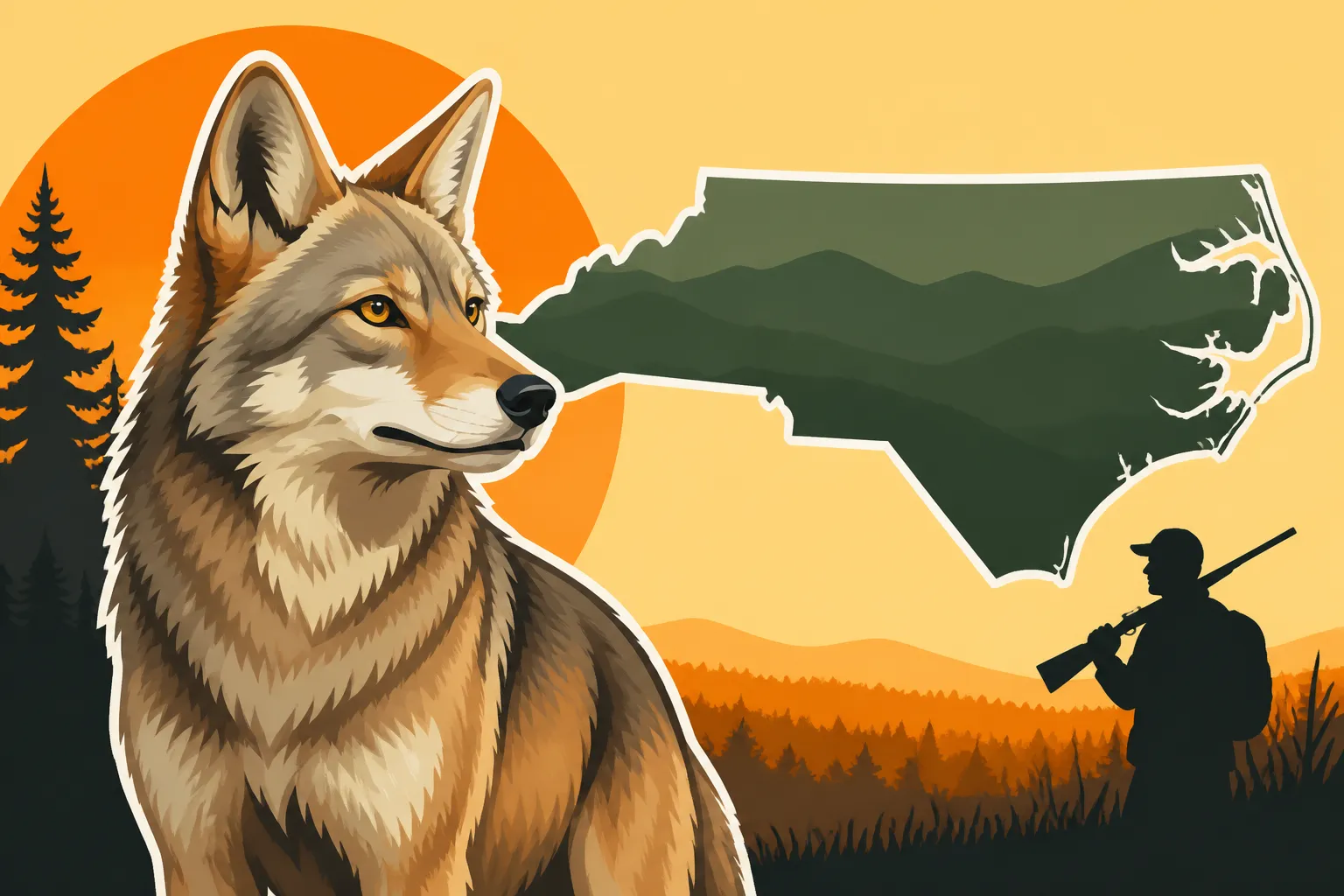
It's no secret that coyotes have become a firmly established part of the North Carolina landscape, and if you've spent any time in the woods, or even near the edge of town, you've likely heard their distinct calls. Many hunters and landowners are left wondering just how many coyotes roam our fields and forests, and what impact they're truly having. This guide aims to shed light on the coyote population in North Carolina, exploring their journey here, their ecological role, and how we as hunters and residents are learning to live with them.
The Coyote's Journey to North Carolina
It might surprise some folks to learn that coyotes aren't native to North Carolina. For generations, they were primarily creatures of the American West. But these incredibly adaptable canids have proven to be master opportunists, slowly but surely expanding their range eastward over the last century. Their journey to our state is a fascinating tale of perseverance and ecological shifts.
Originally, coyotes were largely confined to the prairies and deserts of the western United States. However, with the decline of top predators like wolves in many parts of the country due to habitat loss and eradication efforts, a void was created. Coyotes, with their flexible diet and remarkable ability to reproduce and thrive in diverse environments, were perfectly positioned to fill that niche. They began their eastward expansion, following river systems, agricultural lands, and even highway corridors. It wasn't a rapid invasion, but a steady, persistent push that saw them cross the Mississippi River and eventually trickle into the Appalachian Mountains and then our Piedmont and Coastal Plain. You can dive deeper into their presence and spread by checking out North Carolina Coyote Range and Density.
Their arrival in North Carolina wasn't met with open arms by everyone, and understandably so. Farmers worried about livestock, hunters fretted over deer and small game populations, and suburban homeowners grew concerned about pets. However, the reality is that coyotes are here to stay. They've found a home in every single county in North Carolina, from the highest peaks of the Blue Ridge to the salt marshes of the Outer Banks. This remarkable adaptability is a testament to their intelligence and resilience. They can thrive in deep wilderness, suburban greenways, and even agricultural landscapes right alongside human activity, often going unnoticed until their tell-tale howl breaks the quiet of the night.
Understanding North Carolina's Coyote Population Dynamics
Trying to pin down an exact number of coyotes in North Carolina is like trying to count individual leaves in a forest – it's practically impossible. Unlike deer or bear populations, which are often estimated through extensive harvest data, spotlight surveys, or specific research projects, coyotes don't lend themselves to easy enumeration. They're elusive, nocturnal for a good portion of their activity, and incredibly skilled at avoiding human detection.
Why Exact Numbers Are Elusive
Wildlife biologists don't conduct a statewide "coyote census." There's no reliable way to get a precise head count for a species that is so widespread and secretive. What we rely on instead are population indices and trends. This means looking at indicators like harvest numbers (though many coyotes are taken incidentally or without being reported), roadkill data, observation reports, and localized research studies. These indicators give us a picture of whether the population is generally increasing, stable, or decreasing in certain areas, rather than a definitive "number."
Factors Influencing Population Growth
Several factors contribute to the coyote's success and population dynamics here in North Carolina. A primary driver is the sheer availability of food. Coyotes are omnivores and will eat almost anything. Their diet can include rodents, rabbits, deer fawns, wild turkeys, insects, berries, fruits, and even carrion. This broad diet means they can find sustenance in almost any environment. Furthermore, their reproductive rates are impressive. A healthy female coyote can have a litter of 4-8 pups, and in areas where food is abundant or population densities are low (meaning less competition), they can even have larger litters.
Another significant factor, as mentioned earlier, is the relative lack of natural predators. In their historical western range, mountain lions and wolves helped keep coyote numbers in check. Here in North Carolina, adult coyotes face very few natural threats. This absence of top-tier predators allows their populations to expand without the same ecological pressures they might face elsewhere. Hunters do play a role in managing numbers, but it's often a localized impact rather than a statewide population control.
Estimates and Trends
While we can't give you a precise statewide tally, the general consensus among North Carolina wildlife biologists is that coyote populations are widespread and well-established across all three physiographic regions: the mountains, Piedmont, and Coastal Plain. In many areas, their populations have likely peaked or are stabilizing after an initial period of rapid expansion. However, localized increases or decreases can occur based on food availability, habitat changes, and hunting pressure.
For hunters, understanding these dynamics means adjusting strategies. A service like GoHunt can be invaluable for analyzing game trends and potentially identifying areas where predator populations might be higher based on observed deer or turkey behavior. This might sound disheartening if you're concerned about deer numbers, but it's important to recognize that coyotes are now a permanent fixture. Instead of focusing on eradication, which is largely impractical, the conversation often shifts to management and understanding their ecological role.
Table: Factors Influencing Coyote Population in North Carolina
| Factor | Description | Impact on Population |
|---|---|---|
| Food Availability | Wide-ranging diet: rodents, rabbits, fawns, birds, insects, fruit, carrion. | High food availability supports larger, healthier populations. |
| Habitat Adaptability | Thrives in wilderness, farmland, suburban areas. | Allows colonization of diverse landscapes. |
| Lack of Predators | Few natural predators (wolves, mountain lions) in North Carolina. | Permits unchecked growth without natural population control. |
| Reproductive Rate | Can produce 4-8 pups per litter; larger litters in favorable conditions. | Enables rapid population recovery and expansion. |
| Human Tolerance/Management | Hunting pressure, trapping, coexistence efforts. | Can exert localized control, but broad impact is limited. |
| Disease/Parasites | Mange, parvovirus, distemper, heartworm. | Can cause localized die-offs, especially in dense populations. |
The Impact of Coyotes on North Carolina's Ecosystem and Hunters
The presence of coyotes has undoubtedly reshaped North Carolina's ecological landscape, bringing both challenges and a new dynamic to how we view our wild spaces. For hunters and landowners, understanding these impacts is crucial for effective management and realistic expectations.
Impact on Deer Fawns and Small Game
One of the most talked-about impacts of coyotes, especially among deer hunters, is their predation on deer fawns. Studies in various regions, including those bordering North Carolina, have shown that coyotes can be significant predators of fawns, particularly in the first few weeks of a fawn's life. While adult, healthy deer can generally outrun or defend themselves against coyotes, newborn fawns are vulnerable. This doesn't mean coyotes are solely responsible for deer population declines; habitat quality, disease, and hunting pressure also play huge roles. However, it's a factor that deer managers consider. To understand this balance better, consider reading North Carolina Predator Impact on Fawn Recruitment.
Beyond deer, coyotes also prey on small game species like rabbits, squirrels, and even ground-nesting birds. This is part of their natural role as a predator. While some might see this as detrimental to hunting opportunities for these species, it's also a part of the ecological balance. Coyotes help control rodent populations, which can benefit agriculture and forest health. The ecosystem is a complex web, and while we might focus on one aspect, the ripple effects are far-reaching.
Impact on Livestock and Domestic Pets
For farmers and rural residents, the impact of coyotes can be more direct and personal, often translating to economic loss or emotional distress. Coyotes are opportunistic and will sometimes prey on livestock, especially smaller animals like chickens, lambs, and goat kids. Calves can also be targeted, though it's less common. This is a legitimate concern, and it's why many landowners employ various deterrents and management strategies. The issue of North Carolina Coyote Attacks on Livestock is a real one, and understanding mitigation techniques is important.
Similarly, coyotes can pose a threat to domestic pets, particularly outdoor cats and small dogs. While many suburban coyotes are adept at avoiding humans, a hungry coyote might see an unsupervised pet as an easy meal. This highlights the importance of keeping pets secure, especially in areas where coyote activity is known.
The Hunter's Role in Management
Given these impacts, many hunters question their role in coyote management. In North Carolina, coyotes are largely unregulated as a game species; they can be hunted year-round on private land during daylight hours, and often at night under specific conditions, which you can learn more about in Night Hunting Rules for North Carolina Coyotes. There are also specific seasons for hunting them on public lands. North Carolina Coyote Hunting Season Status provides more detail on this.
Coyote hunting and trapping can be effective tools for localized population control and mitigating specific depredation issues on private property. However, it's often recognized that recreational hunting alone isn't likely to significantly reduce a statewide coyote population. Their high reproductive rate and adaptability make broad eradication efforts nearly impossible and, from an ecological perspective, potentially undesirable. Instead, hunters often focus on strategies like Coyote Calling in North Carolina Farm Country or Predator Calling North Carolina Pine Plantations to protect specific areas or simply for the challenge and sport of it. Hunters who understand coyote behavior and their diet, such as what's covered in North Carolina Coyote Diet in Farm Country, can be more effective.
Living and Hunting with Coyotes in North Carolina
The reality is that coyotes are a permanent resident of North Carolina, and learning to coexist and manage their presence is a key part of our modern wildlife landscape. This involves a blend of education, responsible practices, and strategic hunting efforts.
Coexistence Strategies for Landowners
For homeowners and landowners, simple steps can go a long way in minimizing potential conflicts with coyotes. Securing garbage cans, removing pet food and water bowls from outdoor areas, and keeping pets indoors, especially at night, are crucial. Fencing can deter coyotes from livestock, and sometimes, the presence of guardian animals like donkeys or llamas can help protect smaller herds. It's about making your property less attractive as a food source or safe haven for coyotes. Understanding their patterns and how to deter them without resorting to lethal measures can be very effective. Programs for North Carolina Wildlife Cooperator Agreements can sometimes offer resources and advice for dealing with specific wildlife issues on private land.
Hunting Regulations and Opportunities
For hunters, coyotes represent a year-round hunting opportunity that can provide challenge and contribute to localized population management. As mentioned, they can be hunted with very few restrictions on private land, offering excellent off-season activity. Public lands have more specific regulations, often tied to existing big game seasons, so always check the North Carolina Wildlife Resources Commission (NCWRC) regulations for the specific game land you intend to hunt.
Many hunters are finding success and enjoyment in pursuing coyotes. It requires different skills than deer or turkey hunting, often involving strategic calling, careful camouflage, and patience. Whether you're setting up a long-range shot over a field or trying to call one into thick cover, it's a unique and engaging experience. Plus, by reducing local coyote numbers, you might indirectly benefit other game species, like boosting the fawn survival rate within a specific area for North Carolina Deer Herd Size.
Shifting Perspectives on Predator Management
The conversation around coyotes in North Carolina is evolving. While initial reactions often focused on eradication, the current understanding recognizes them as an established part of the ecosystem. The focus has shifted to managing their numbers where necessary and promoting coexistence. This means understanding the complex role they play, acknowledging their impacts on game and livestock, and using hunting and other management tools responsibly and strategically.
It's also important to stay informed about potential wildlife diseases, as coyotes, like other carnivores, can be carriers. Learning about North Carolina Wildlife Disease Monitoring can help hunters and landowners recognize signs of sick animals and report them to the proper authorities, contributing to overall wildlife health. While we may never have an exact "count" of coyotes, by understanding their behavior, diet, and population dynamics, we can make more informed decisions about living alongside them and managing our wildlife resources for the benefit of all species. And let's not forget the importance of small game, as coyotes also impact populations of North Carolina Small Game and Furbearers.
Disclaimer
This article is for general informational purposes only and does not constitute professional advice. Laws, prices and regulations vary by location and change over time. Consult a qualified professional for guidance on your specific situation.