North Carolina Duck Harvest Numbers
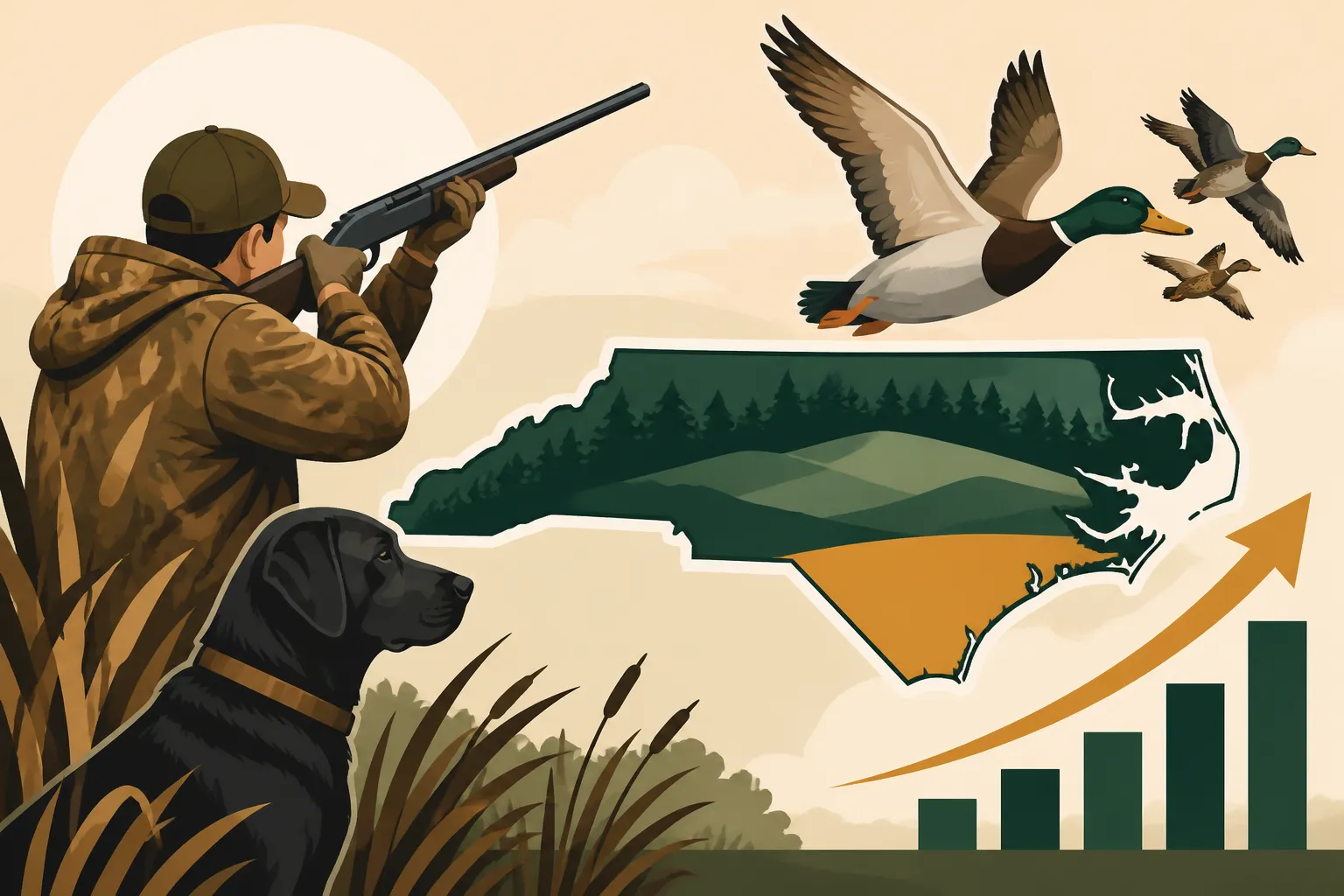
It can be incredibly frustrating to head out to your favorite duck blind, having scouted diligently, only to find the birds just aren't flying like you'd hoped. Many North Carolina waterfowlers wonder year after year if it's just them, or if the duck population, and thus the overall harvest, is truly down. This guide is here to shed some light on North Carolina's duck harvest numbers, explaining where this data comes from, what it tells us, and how you can use it to better understand the hunting landscape.
Understanding North Carolina's Duck Harvest Data
When you're slogging through a freezing marsh before dawn, the last thing on your mind might be statistics. But for many hunters, the big picture of duck harvest numbers can offer a valuable perspective on the health of the waterfowl population and the success rates across the state. It’s more than just bragging rights; it's about understanding the migratory patterns and habitat conditions that dictate our seasons.
Why Harvest Numbers Matter to Waterfowlers
As duck hunters, we often feel like we're constantly trying to solve a puzzle. One year, the birds are everywhere, and the next, it feels like they've skipped our state entirely. This boom-and-bust cycle can be incredibly disheartening, making you question your scouting, your calling, or even your gear. Harvest numbers provide a crucial piece of that puzzle. They offer a broad look at how many ducks were successfully taken across the state, broken down by species, which can help confirm suspicions about whether a "slow" season was truly slow statewide or just in your particular neck of the woods.
Beyond personal success, these numbers are vital for conservation. Wildlife agencies use harvest data, alongside breeding ground surveys and other scientific measures, to set season lengths, bag limits, and other regulations. If hunters consistently report low harvests for a particular species, it signals a potential issue that needs investigation, influencing future management decisions. So, while it might not feel like it when you're shivering in a blind, every duck you report contributes to this larger effort.
How North Carolina Collects Duck Harvest Information
North Carolina's system for tracking duck harvest is part of a larger federal effort, primarily coordinated by the U.S. Fish and Wildlife Service (USFWS). It's a two-pronged approach that relies heavily on hunter participation. First, every migratory bird hunter in North Carolina, and across the nation, is required to register with the Migratory Bird Harvest Information Program (HIP). When you purchase your North Carolina Migratory Bird Certification, you're enrolled in HIP, and this provides a crucial contact list for the second part of the data collection process.
From the HIP registration list, a subset of hunters is randomly selected each year to participate in a more detailed survey. These chosen hunters receive a questionnaire that asks them to report their actual harvest, specifying the species and number of birds taken. It's a voluntary survey, but participation is incredibly important. By extrapolating the data from these diligent hunters, biologists can generate estimates for the total duck harvest across North Carolina. This method allows for a comprehensive overview without requiring every single hunter to report every single bird, which would be an enormous logistical challenge.
Interpreting Annual Harvest Reports
Looking at annual harvest reports can feel a bit like reading a foreign language if you're not used to them. You'll typically see numbers broken down by species—like Mallards, Wood Ducks, Green-winged Teal, and various diver species. You might also see regional breakdowns, although detailed regional data can sometimes be harder to come by publicly. When you're looking at these reports, remember that they are estimates. They represent the best scientific approximations based on the survey data, not precise counts.
What you're really looking for are trends. Is the harvest for Mallards consistently high or showing a decline over several years? Are Wood Duck numbers stable? Don't get too caught up in a single year's fluctuation; waterfowl populations are dynamic and can be heavily influenced by weather, habitat, and even the timing of specific migration pushes. A single "bad" year doesn't necessarily spell doom, just as a single "good" year doesn't mean everything is perfect. Resources like GoHunt can sometimes help you visualize these trends with their analytics, giving you a clearer picture of long-term patterns, which are far more informative than isolated figures.
Key Trends in North Carolina's Duck Harvest
North Carolina is a unique state for waterfowl, sitting right on the Atlantic Flyway. Our varied habitats, from the coastal sounds and impoundments to the inland swamps and agricultural fields, attract a wide array of species. Understanding the general trends in their harvest helps paint a picture of the health of these populations and the challenges they face.
Species-Specific Harvest Breakdowns
When you dive into the numbers, you'll see certain species consistently make up the bulk of North Carolina's duck harvest. Wood Ducks are almost always a top contender. These beautiful birds are prolific breeders in our bottomland hardwoods and swamps, and their presence provides reliable hunting opportunities. Hunters often find them in Hunting Flooded Timber for Wood Ducks across the state. Mallards, of course, are another perennial favorite. While we don't have the vast breeding grounds of the Midwest, plenty of migrant Mallards make their way down the flyway to our state, particularly to agricultural areas and managed impoundments.
Other species that frequently appear in significant numbers include various teal (Green-winged and Blue-winged), Gadwalls, and Wigeon. On the coast, especially around places like Currituck Sound, hunters also find good numbers of diver ducks like Redheads, Canvasbacks, and Scaup, as explored in articles like Mallards and Divers on Currituck Sound. The proportions of these species can shift from year to year, depending on breeding success up north, migration timing, and local habitat conditions. For example, a mild fall might mean fewer northern migrants push south early, affecting the harvest of certain species more than others.
Factors Influencing Yearly Fluctuations
Many elements play into why one duck season might be fantastic and the next a bust. Weather is a huge one. A harsh winter up north can push birds down to us earlier and in greater numbers, while a mild winter might keep them further north, providing less opportunity for North Carolina hunters. Early season cold fronts can funnel birds our way, setting up good hunting days. Conversely, prolonged warm spells can delay migrations or scatter birds.
Habitat conditions also weigh heavily. Droughts or excessive rain can impact breeding success in the prairie potholes, directly affecting the number of birds available to migrate. Locally, the availability of flooded agricultural fields, healthy marshes, and productive impoundments is crucial. Hunters who use tools like GoHunt to scout water levels and food sources often have an advantage because they can predict where birds might congregate. Changes in land use, such as wetland drainage or urbanization, can reduce available habitat over time, impacting local and regional duck populations. Human-caused factors like hunting pressure can also play a role, making birds warier on public lands, as discussed in Hunting Pressure on North Carolina Public Land.
Long-Term Changes and Conservation Efforts
Looking at the broader sweep of history, North Carolina's duck harvest numbers reflect larger continental trends and the impact of concerted conservation efforts. The early 20th century saw significant declines in waterfowl populations due to market hunting and habitat loss. The creation of organizations like Ducks Unlimited and the implementation of programs like the Federal Duck Stamp, a mandatory purchase for all waterfowl hunters, have been instrumental in funding wetland restoration and protection across the continent.
These ongoing efforts are critical. While specific harvest numbers might rise and fall, the overall health of many duck populations has improved dramatically since those lean years. North Carolina plays its part by managing numerous game lands and impoundments that provide vital wintering habitat for migrating birds, and our own state biologists continually monitor local conditions. When you're out Waterfowl Hunting Currituck Sound and the Coast, you're witnessing the fruits of generations of conservation work, not just the vagaries of a single season. It's a testament to what can be achieved when hunters and conservationists work together for the future of these incredible birds.
Using Harvest Data for Better Hunting Decisions
It's easy to look at big numbers and feel overwhelmed, or to think they don't apply to your personal hunting experience. But by learning to read and interpret these North Carolina duck harvest numbers, you can gain insights that genuinely inform your scouting, your strategy, and even your gear choices.
Adjusting Tactics Based on Reported Numbers
Understanding long-term harvest trends for specific species can help you prioritize your efforts. For instance, if overall Wood Duck harvests remain strong year after year, it reinforces the idea that focusing on their preferred habitat—like flooded timber and beaver swamps—is a sound strategy. If a particular season shows a dip in Mallard harvest, it might signal that the main migration hasn't arrived yet, or that conditions are pushing them elsewhere, prompting you to delay your hunting efforts or target different areas.
Think of it like this: if statewide numbers for a certain duck are consistently low in October but jump significantly in November, it suggests that waiting for the later migratory push is often more productive. This type of information can influence when you apply for specific quota hunts or even when you take time off work. It helps you manage expectations and plan your hunt more strategically. Knowing the general timing of Duck Migration Timing Through North Carolina is a huge advantage, and harvest data often confirms these patterns.
Regional Differences in Duck Harvest
North Carolina is a large state with diverse ecosystems, and duck hunting isn't uniform across its regions. The Coastal Plain, with its vast sounds, impoundments, and agricultural fields, often sees the highest overall duck harvest, particularly for species like divers and dabblers. Places like the Outer Banks and the sound country, or the fertile fields further inland, are prime waterfowl destinations. Hunting in a layout blind on Layout Blind Hunting Coastal Plain Fields will be a very different experience than jump-shooting a small creek in the Piedmont.
In contrast, the Piedmont and Mountain regions, while still offering excellent hunting, especially for Wood Ducks and sometimes Mallards, typically have lower overall harvest numbers due to less extensive waterfowl habitat. Harvest reports might show a higher percentage of Wood Ducks in inland counties compared to the coast, where a more diverse bag is common. This regional breakdown is critical. If you hunt mostly in the Piedmont, comparing your season to coastal harvest numbers might be misleading. Instead, focus on data relevant to your specific hunting zone or a similar geographic area. GoHunt often provides layers and data that can help you dial into specific areas rather than just statewide averages.
Beyond the Numbers: Other Scouting Resources
While duck harvest numbers are a fantastic tool, they're not the only tool in your belt. Successful duck hunting involves a holistic approach to scouting and preparation. Combine the historical insights from harvest data with real-time observations and mapping resources. Before the season, pore over aerial photos, especially using tools like the GoHunt app, to identify potential resting and feeding areas, water levels, and new habitat changes. Look for isolated ponds, small creeks, and areas near larger bodies of water that might hold birds.
Keep a close eye on weather forecasts, particularly major cold fronts to our north that could push new birds into the state. Talk to other hunters (if they're willing!), check local bird sighting reports, and pay attention to specific regulations for different zones, like the North Carolina Coastal Duck Zone Rules. The harvest data gives you a historical roadmap; your boots-on-the-ground scouting, combined with modern mapping technology and weather awareness, provides the real-time intelligence you need to pinpoint exactly where those ducks are likely to be this season.
| Factor Influencing Duck Harvest | Potential Impact on Numbers (General Trend) | Hunter Action to Consider |
|---|---|---|
| Northern Breeding Success | High = More birds; Low = Fewer birds | Check USFWS breeding surveys |
| Severe Northern Cold Fronts | Push birds south earlier and in greater numbers | Hunt early season, target fresh migrants |
| Mild Winter Temperatures | Birds stay north longer, delaying migration | Delay peak hunting efforts, focus on resident birds |
| Local Habitat Conditions | Good food/water = More birds hold; Poor = Birds move on | Scout water levels, food sources, use mapping tools |
| Heavy Hunting Pressure | Birds become warier, shift patterns | Hunt obscure spots, use realistic decoy spreads |
| Crop Harvest Timing | Availability of waste grain for feeding | Monitor local farm activity, find recently cut fields |
| Early Ice-Up North | Strong early migration, concentrated birds | Be ready for an influx, target traditional migration routes |
Disclaimer
This article is for general informational purposes only and does not constitute professional advice. Laws, prices and regulations vary by location and change over time. Consult a qualified professional for guidance on your specific situation.