North Carolina Predator Impact on Fawn Recruitment
One of the most disheartening things for any hunter, especially those of us who spend countless hours scouting and managing land, is seeing a noticeable drop in the number of fawns during the late summer and early fall. You dedicate time, you manage habitat, and you hope for a healthy deer population, but sometimes it feels like the hard work isn't translating into more young deer making it to adulthood. This guide is all about digging into one of the most critical, yet often misunderstood, factors influencing those numbers here in North Carolina: the impact of predators on fawn recruitment.
Understanding Fawn Recruitment: More Than Just Births
When we talk about a healthy deer herd, it’s not just about how many does drop fawns in the spring. It's about how many of those little guys actually survive long enough to join the main population and, eventually, contribute to the herd themselves. This can be a real head-scratcher because you might see plenty of pregnant does, only to find the woods feel quieter than they should later in the season.
What "Fawn Recruitment" Really Means to Hunters
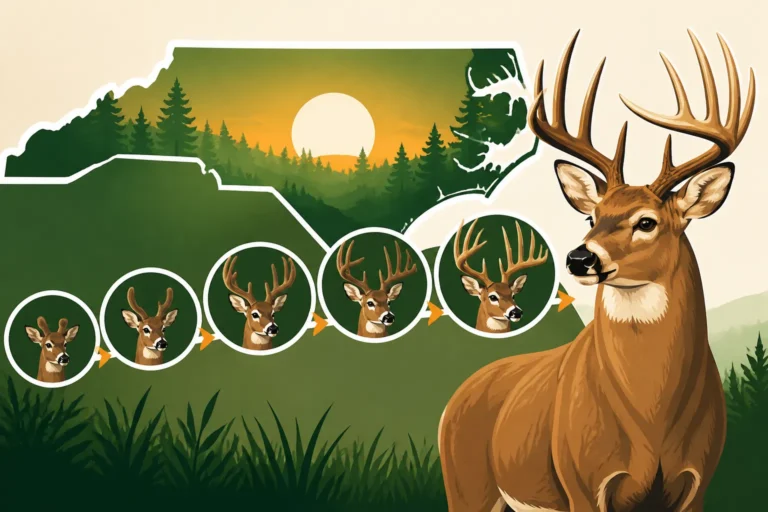
"Fawn recruitment" is essentially the measure of how many fawns born in a given year survive to become part of the hunting-age population, typically around 6 months old. For us hunters, it’s the difference between seeing a vibrant, growing herd with plenty of young deer and seeing a static or even declining one, regardless of how many deer were around during the previous rut. It’s a critical indicator of herd health and future hunting opportunities. If recruitment is low, it means fewer young deer are replacing older ones, and that can lead to a shrinking population over time. You might be seeing plenty of does, but if their fawns aren't making it, your deer numbers aren't going to grow.
The Natural Cycle of Fawn Survival
Deer are built to be prolific; does often have twins, and sometimes even triplets, especially in areas with good nutrition. This is nature's way of ensuring that despite natural mortality factors, enough fawns survive to maintain the species. However, that survival isn't guaranteed. From the moment they hit the ground, fawns are vulnerable. They spend their first few weeks hiding motionless, relying on camouflage and a lack of scent to evade detection. Their survival is a delicate balance influenced by habitat quality, weather, disease, and, yes, predation. While some fawn mortality is completely natural and expected, excessive predation can throw that natural balance out of whack, leaving hunters scratching their heads about why deer numbers aren't bouncing back as expected. You might want to consider understanding the larger picture by checking out White-Tailed Deer Across North Carolina.
North Carolina's Primary Fawn Predators
While a variety of creatures might opportunistically prey on a fawn, a few species stand out as consistent and significant threats to young deer in North Carolina. It's not just a single culprit; it's a complex interaction of several animals, each playing its part in the natural, and sometimes unnaturally amplified, cycle of life and death.
The Ever-Present Coyote
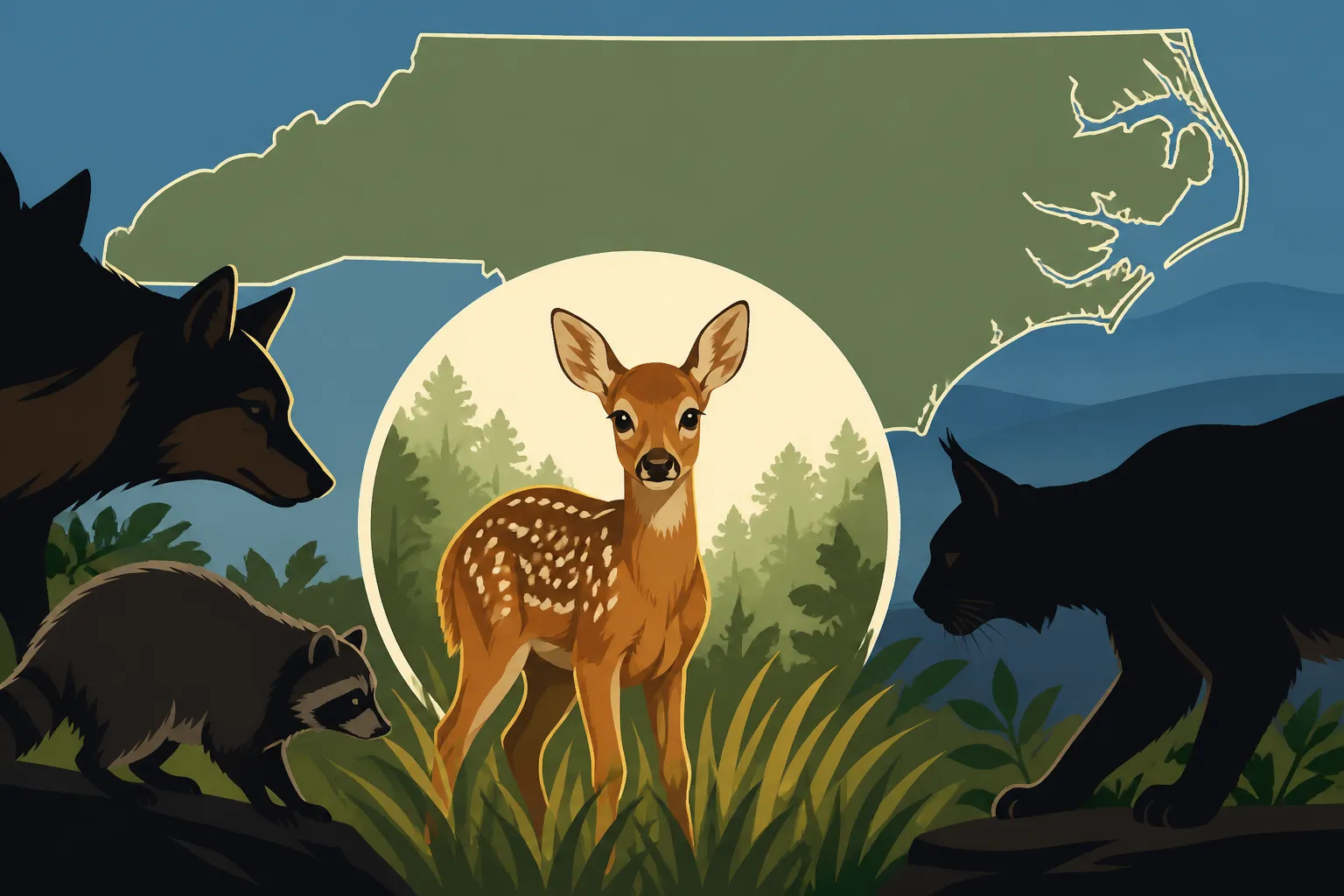
There's no denying it: the coyote is North Carolina's most widespread and impactful fawn predator. They've expanded their range throughout the state over the last several decades and are now a permanent fixture from the coast to the mountains. Coyotes are incredibly adaptable and efficient hunters, and fawns, especially in their vulnerable first few weeks of life, are a relatively easy meal. Studies in various parts of the Southeast, including here, have consistently shown coyotes to be responsible for a significant percentage of fawn mortality. Their presence can severely depress fawn recruitment, even in areas with seemingly robust deer populations. They learn quickly where fawns are likely to be bedded and will systematically search these areas. For a deeper dive into these adaptable carnivores, you might find Coyotes and Predators in North Carolina enlightening. Hunters and landowners often consider various methods, including year-round hunting, to manage their populations, which is legal for Night Hunting Rules for North Carolina Coyotes.
The Role of Black Bears, Especially in Certain Areas
While coyotes are the generalist fawn predators across the entire state, black bears play a more localized, but often highly significant, role, particularly in the mountain and coastal plain regions where their populations are densest. Bears are opportunistic omnivores, and a newborn fawn is an easy source of protein. In areas like the mountainous western counties or the vast coastal pocosins, where bear populations are thriving, they can be major contributors to fawn mortality. Unlike coyotes, which might actively hunt fawns, bears are often stumbled upon by fawns while foraging, or they may target bedding areas if they've learned to associate them with easy meals. For those interested in the distribution and habits of these impressive animals, North Carolina's Black Bear Population offers a comprehensive look.
Other Opportunistic Predators
Beyond coyotes and bears, other predators can also contribute to fawn mortality, though generally to a lesser degree. Bobcat populations are rebounding in some areas of North Carolina, and these stealthy hunters are certainly capable of taking a fawn. Feral hogs, while not strictly predators in the same way, can disturb fawning grounds, consume fawns they stumble upon, or compete for critical food resources with deer, indirectly impacting overall herd health. Even domestic dogs, especially those allowed to roam freely, can be a serious localized threat, particularly near rural subdivisions or farmlands. It’s a harsh reality that a fawn's early life is fraught with danger from many angles.
How Predator Impact Varies Across North Carolina's Diverse Landscapes
North Carolina is a state of incredible ecological diversity, and this variety in landscape directly influences how and where predators impact fawn recruitment. A strategy that works in the mountains might be completely ineffective in the coastal plain, simply because the habitat, and thus the predator-prey dynamics, are so different.
Mountain and Piedmont Challenges
In the rugged mountains and the rolling hills of the Piedmont, fawn recruitment often faces different pressures. Dense forest cover, steep terrain, and widespread public lands define much of these regions.
- Mountain Zones: Here, fawns often seek dense cover in thickets of rhododendron, laurel, or young timber. However, these same areas are prime habitat for black bears. While the terrain can make it harder for coyotes to operate as efficiently as they might in more open country, they are still a major factor. Hunters in these areas have to contend with predators that thrive in thick, vertical landscapes. Knowing the terrain and where fawns might bed is crucial. Using mapping tools like GoHunt can help you identify these specific thickets and potential bedding areas, allowing you to gauge predator access.
- Piedmont Farm-Woodlots: The Piedmont presents a mosaic of agricultural fields, mature hardwoods, and smaller woodlots. Fawns here might bed in standing crops, thick fencerows, or dense briar patches. This fragmented landscape can sometimes create higher densities of deer, but it also creates ideal edge habitat for coyotes. The proximity to human development can also mean more issues with free-ranging domestic dogs. Understanding North Carolina Deer Herd Size in these varying regions can help contextualize predator pressures. Landowners in these areas often find themselves needing to be particularly proactive in managing predator populations.
Coastal Plain Considerations
The Coastal Plain is a world unto itself, characterized by vast expanses of pine plantations, pocosins (dense, swampy shrub bogs), and agricultural fields.
- Pocosin and Swamp Country: These incredibly dense, wet habitats provide excellent cover for fawns, making it challenging for coyotes to move through effectively. However, these are also strongholds for North Carolina's massive black bears, which can navigate the thick cover with ease. Fawns born in these areas might escape coyote predation but fall victim to a bear. Hunting Coastal Plain Pocosin Swamps also gives you an idea of the challenging terrain for both deer and hunters, and how dense cover plays a role in fawn hiding spots.
- Farm Country: Similar to the Piedmont, agricultural fields in the Coastal Plain offer both food and bedding opportunities. Fawns might be found in tall grass, standing corn, or thick field edges. Here, coyotes can be very efficient hunters, especially in the transitional areas between fields and woodlots. The sheer scale of some agricultural operations can concentrate fawns, making them more vulnerable. Understanding how to interpret satellite imagery and topo maps can be immensely helpful in identifying these areas, and GoHunt offers excellent tools for this kind of detailed scouting, even from your living room, which is crucial for early season planning, even before North Carolina Archery Season Opening Day.
Mitigating Predator Impact: What Hunters and Land Managers Can Do
Given the reality of predator impact on fawn recruitment, many hunters and land managers feel a sense of frustration or helplessness. However, there are actionable steps that can be taken to help fawns beat the odds and ensure a healthier, more robust deer population for the future. It’s not about eradication, but about balancing the scales where they've tipped too far.
Habitat Management as the First Line of Defense
Ultimately, healthy fawns come from a healthy habitat. Creating and maintaining quality fawning cover is perhaps the most effective long-term strategy to boost fawn survival. Fawns need dense, thick cover where they can hide undetected during their vulnerable first few weeks.
- Creating Sanctuary Areas: Identify areas on your property or public lands (where allowed) with thick brush, briar patches, or young regenerating timber. Work to enhance these areas by allowing natural regrowth, planting native thorny shrubs, or strategically leaving standing cover after timber harvests. The thicker the cover, the harder it is for a coyote or bear to find a hidden fawn. These areas effectively become "fawn nurseries."
- Food and Water Sources: While not directly related to predator avoidance, ensuring does have access to high-quality forage and water before and after fawning season means healthier, stronger does, which in turn produce healthier fawns. Healthy fawns have a better chance of surviving any challenge, including predator encounters. Consider Reading Aerial Photos for Piedmont Deer to identify potential food sources near fawning cover.
- Prescribed Burns and Timber Management: In appropriate habitats, prescribed burns can create mosaic patterns of cover and forage, which can be beneficial. Similarly, responsible timber harvesting that leaves dense pockets of regeneration can provide excellent fawning cover. It's all about providing diverse habitat structures. Understanding Habitat Work on North Carolina Game Lands can give you insights into how these strategies are implemented on a larger scale.
Targeted Predator Management
While habitat improvement is paramount, in some situations, direct predator management can be a necessary tool to address excessive fawn mortality. This is a topic that can spark strong opinions, but from a deer management perspective, it's about achieving balance.
- Coyote Control: Since coyotes are the primary fawn predator across most of North Carolina, targeted coyote removal efforts during the late winter and spring (prior to fawning season) can significantly reduce pressure on fawns. This might involve trapping, calling, or other hunting methods. The goal is typically not to eliminate coyotes entirely, but to reduce their numbers in specific areas during critical times to give fawns a better chance. For residents, Running a Trapline in Rural North Carolina offers options.
- Bear Management (Where Applicable): In areas with very high bear densities and documented fawn predation issues, regulated bear hunting seasons serve as the primary management tool. Understanding North Carolina Bear Season Dates in the Mountains and North Carolina Bear Season Dates on the Coast is crucial for those who participate in these seasons. It's a complex issue, and the impact varies greatly depending on the specific location and bear population dynamics.
- Consistency is Key: If you decide to engage in predator management, consistency is crucial. Coyotes, especially, have high reproductive rates, so sporadic efforts often have limited long-term impact on fawn recruitment. It’s an ongoing commitment, not a one-time fix.
Understanding When and Where to Focus Efforts
Knowing when fawns are most vulnerable and where they're most likely to be found is key to making management efforts effective.
- Fawning Season Focus: The period from late April through early June is generally when the majority of fawns are born in North Carolina. This is the critical window when predator pressure has the most profound impact. Any efforts to improve fawning cover or manage predators should be timed to maximize benefit during this sensitive period.
- Scouting for Fawn Sign: Pay attention to areas where you've seen does frequently in late spring. Look for thickets, dense brush, or edges of fields that offer good concealment. These are the places fawns will be hidden. Mapping tools from services like GoHunt can be invaluable for identifying these areas from aerial photography and then verifying them on the ground during off-season scouting. Understanding North Carolina Deer Harvest Records can also help identify trends in your area that might indicate recruitment issues.
- Monitor Recruitment: The best way to know if your efforts are paying off is to monitor fawn recruitment. This can be done through trail camera surveys in late summer and early fall, or simply by keeping careful notes on the fawn-to-doe ratios you observe while hunting. It helps you track the overall North Carolina Deer Population Estimate in your hunting area. By understanding the intricate dance between prey and predator, we can all contribute to a healthier, more resilient deer population for North Carolina's hunting future.
Disclaimer
This article is for general informational purposes only and does not constitute professional advice. Laws, prices and regulations vary by location and change over time. Consult a qualified professional for guidance on your specific situation.