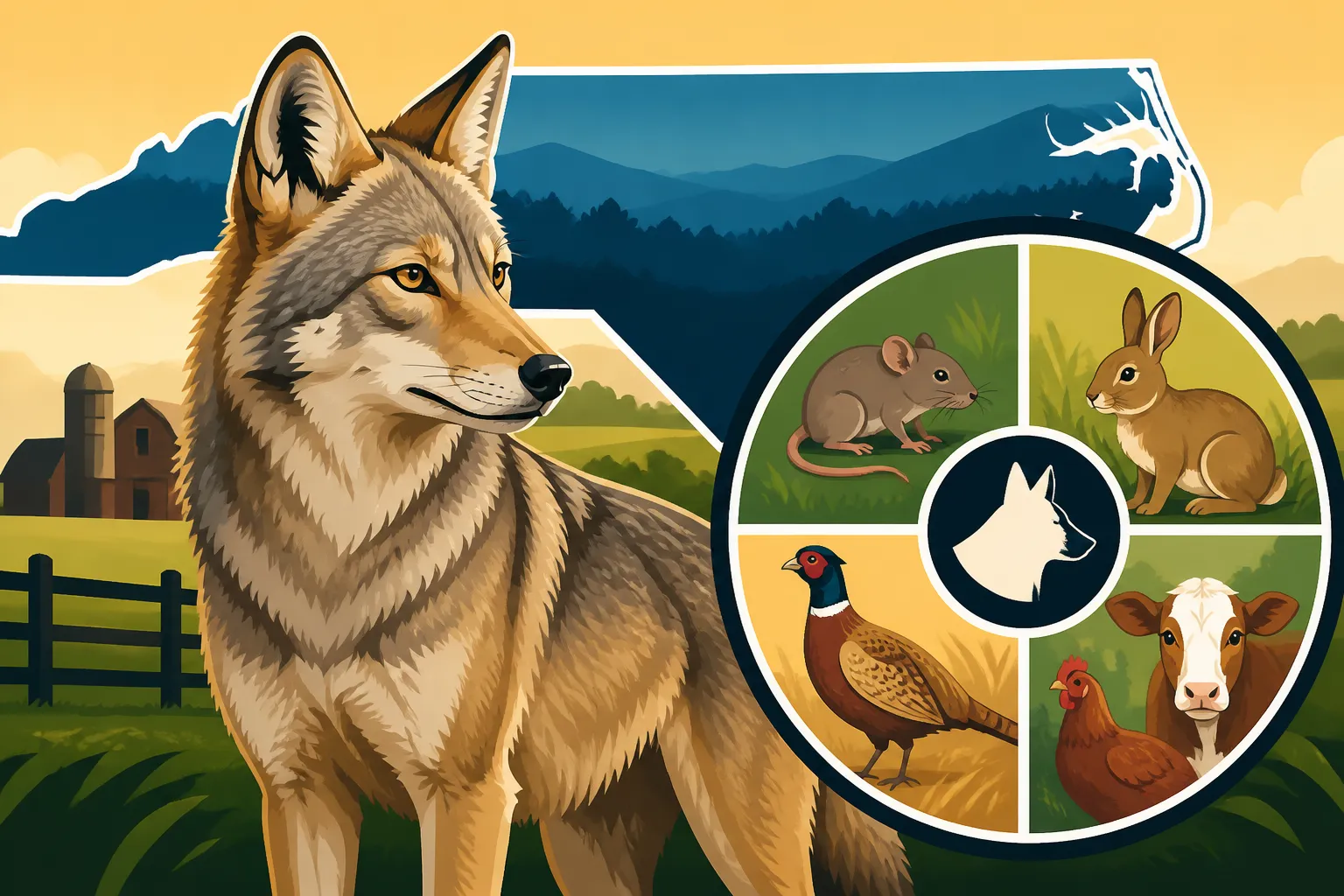
North Carolina Coyote Diet in Farm Country
It's no secret that coyotes have firmly established themselves across North Carolina, from the mountains to the coast, and nowhere is their presence felt quite as acutely as in our rural farm country. For landowners and hunters, understanding what these adaptable predators eat is critical to managing their populations and mitigating their impact on livestock, local wildlife, and even pets. This guide will dive deep into the diverse and often surprising diet of coyotes living amidst North Carolina's agricultural landscapes, helping you understand their opportunistic nature and how their food choices influence everything from deer fawn survival to poultry losses.
The Opportunistic Hunter: What Defines a Coyote's Diet
When you think about coyotes, you likely picture a sleek, elusive predator chasing down a rabbit or perhaps a deer. While that's certainly part of their story, the truth is far more complex, especially in North Carolina's rich and varied farm country. Coyotes here are the epitome of an opportunistic feeder, meaning they'll eat almost anything available, shifting their diet with the seasons, the availability of prey, and the specific agricultural practices of a given area. They’re not picky eaters; they're survivalists, constantly adapting to what the landscape provides.
Why Farm Country is a Coyote Buffet
North Carolina farm country, with its mosaic of cultivated fields, woodlots, fencerows, and creek bottoms, provides an incredibly diverse and abundant food base for coyotes. Unlike deep wilderness areas, agricultural zones concentrate many potential food sources. Fields offer rodents and insects, while the edges and thickets provide cover for rabbits, ground-nesting birds, and even deer fawns. Farmsteads themselves, with their domestic animals, feed spills, and refuse, can also be unwitting attractants. This rich environment allows coyotes to thrive, often reaching higher densities than in less disturbed habitats.
Consider a typical Piedmont farm: you might have vast corn or soybean fields, patches of dense woods, a winding creek, and maybe a pasture with cattle or sheep. Each of these elements contributes to a coyote's potential menu. A coyote patrolling the edge of a cornfield in late summer might be feasting on grasshoppers and field mice, while the same animal in winter could be scavenging deer carcasses or targeting rabbits hunkered down in a briar patch. This dietary flexibility is a huge part of why coyotes have spread so successfully and why they can be such a persistent challenge for farmers and wildlife managers alike.
The Seasonal Shift in Food Sources
A coyote's menu isn't static; it's a dynamic, ever-changing list influenced heavily by the calendar. What's available in spring is very different from what's abundant in winter, and coyotes are masters at exploiting these seasonal shifts. Understanding these patterns can give hunters and landowners an edge in predicting coyote movements and behaviors throughout the year.
In spring, for instance, fresh plant growth and the birth of young animals become primary attractions. Tender grasses, berries, and fruits start appearing. More significantly, this is when deer fawns are born, and small game like rabbits and turkeys are nesting or raising young. North Carolina Turkey Brood Survey Results can tell us about what prey might be available. As summer progresses, insects become a major food source, alongside ripening fruits and berries. The bounty of rodents in maturing crops is also a draw. Fall brings a shift to mast crops like acorns, and as hunting seasons open, an increase in available carrion from gut piles. Winter often sees coyotes relying more on small game like rabbits and voles, as well as scavenging deer carcasses, especially after hard weather or the close of hunting seasons. Tools like GoHunt, which allow you to view satellite imagery and topo maps, can be immensely helpful in identifying these seasonal food-rich areas, whether it's a berry patch in summer or a dense thicket for rabbits in winter.
Primary Food Groups: A Closer Look
When we break down the typical North Carolina farm country coyote diet, it usually falls into a few distinct categories. It's not always the big, dramatic hunts that sustain them; often, it's the smaller, more consistent food sources that form the backbone of their caloric intake. Knowing these primary groups helps us understand their ecological role and potential conflicts.
Small Mammals and Birds
By far, the most consistent and important food source for coyotes in agricultural settings is small mammals. Think about it: fields, fencerows, and brushy edges are teeming with mice, voles, shrews, and rats. These creatures reproduce rapidly and are relatively easy for a coyote to catch. A single hunting session in a freshly cut hayfield can yield a significant meal of rodents. Squirrels and rabbits are also high on the list, especially in the woodlots and dense cover that often border farm fields. North Carolina Squirrel and Rabbit Populations remain healthy in many areas, providing a steady food source.
Birds, particularly ground-nesting species or their eggs and chicks, also contribute to the diet. Turkeys, quail, and various songbirds are all vulnerable. While adult birds are harder to catch, nests are often easy targets, providing a protein-rich meal. This impact on ground-nesting birds is one reason wildlife managers carefully monitor coyote populations, especially in areas trying to boost game bird numbers.
Deer: Fawns and Carrion
Deer play a significant, though often misunderstood, role in a coyote's diet. It's not primarily about adult deer, which are generally too large and fast for a single coyote to take down unless the deer is sick, injured, or severely stressed. Instead, the focus is on two key areas: fawns and carrion.
Deer fawns, particularly in their first few weeks of life, are incredibly vulnerable. They are small, have limited mobility, and rely on camouflage and staying still to avoid detection. This makes them relatively easy prey for opportunistic coyotes, especially in spring and early summer when does are dropping their young in thickets, tall grass, or dense cover along field edges. North Carolina Fawn Survival Rates can be significantly impacted by coyote predation, which is a major concern for deer management.
Carrion is the other big deer component. After deer hunting season, gut piles and deer that succumb to injuries or other causes (like EHD or vehicle collisions) provide a massive food source. Coyotes are exceptional scavengers, and these easy meals are a huge boon, especially during the lean winter months. They'll also readily eat roadkill or any other deceased animal they come across. This scavenging behavior makes them nature's clean-up crew but also means they can thrive even when live prey is scarce. Understanding where deer tend to concentrate, perhaps using tools like GoHunt to scout bedding areas or travel corridors, can also give you insight into where coyotes might be finding this carrion.
Livestock and Domestic Animals
This is where the direct conflict with humans often arises. While small mammals and deer carrion might form the bulk of their diet, coyotes are notoriously adaptable and will absolutely prey on livestock and domestic animals if the opportunity arises. This is the source of many frustrations for North Carolina farmers.
Poultry, like chickens and turkeys, are highly vulnerable, especially if not securely penned. Young calves, lambs, and goat kids are also at risk. These animals, particularly when young, are often easy targets compared to wild prey. North Carolina Coyote Attacks on Livestock are a real and painful issue for many rural communities. Even household pets, particularly outdoor cats and small dogs, can become prey if coyotes are regularly passing through yards or farm areas. This aspect of their diet often drives the strongest desire for population control, as the economic and emotional toll on landowners can be significant.
Insects, Fruits, and Vegetables
It might surprise some, but coyotes are not exclusively carnivores. Their diet includes a significant amount of plant matter, especially fruits, berries, and even some vegetables and grains. In fact, studies often show these items making up a notable percentage of their stomach contents.
Wild berries, persimmons, muscadines, and even cultivated crops like watermelons, cantaloupes, corn, and soybeans can all be part of a coyote's meal. They’re not necessarily "grazing" in a field like a deer, but they will certainly opportunistically consume these items, especially when ripe and easily accessible. Insects, such as grasshoppers, crickets, and beetles, also provide a readily available protein source, particularly during warmer months. This omnivorous streak further highlights their adaptability and ability to survive in diverse environments, including heavily farmed areas.
Impact on Wildlife and Farming
The widespread presence of coyotes and their varied diet have significant implications for both local wildlife populations and agricultural operations across North Carolina. Their adaptable nature means they slot into many ecological niches, sometimes causing ripple effects that are felt throughout the ecosystem.
Pressures on Native Wildlife
For hunters and wildlife enthusiasts, one of the biggest concerns about coyotes in North Carolina farm country is their impact on native game species. While they contribute to a natural balance by preying on rodents, they also exert pressure on deer, turkey, and rabbit populations. North Carolina Predator Impact on Fawn Recruitment is a frequently debated topic, with many biologists agreeing that coyotes are a primary predator of young deer, especially in their first few weeks of life. This doesn't mean coyotes are the sole reason for deer population changes, but they are a definite factor.
The same goes for ground-nesting birds like wild turkeys and bobwhite quail. Coyote predation on nests, poults, and adult hens can contribute to declines, particularly when other factors like habitat loss or harsh weather are also in play. Managing coyote populations is often seen as one component of a broader strategy to boost numbers of these desired game species. Understanding coyote habits, such as their preference for dense cover near food sources, can help wildlife managers and hunters identify key areas of interaction.
Economic Costs for Farmers
The direct economic impact on North Carolina farmers is perhaps the most tangible consequence of a coyote's diet. Losses of poultry, lambs, goat kids, and even calves can add up quickly, cutting into a farmer's livelihood. These are not just statistics; they are real animals, real investments, and real emotional losses for families who work hard to raise them.
Farmers often employ various methods to deter coyotes, including fencing, guard animals (like donkeys or llamas), and trapping or hunting. The costs associated with these mitigation efforts, whether it's building more robust enclosures or spending time actively managing coyote presence, also represent a significant burden. The ability of coyotes to learn and adapt quickly means that farmers often have to stay one step ahead, constantly adjusting their strategies to protect their livestock.
Mitigating Coyote Conflicts
Living alongside coyotes in farm country requires a multi-faceted approach. While complete eradication is neither feasible nor desirable, managing their impact is crucial. For farmers, this means proactive measures to protect livestock. Secure fencing, bringing young animals into barns at night, and investing in guard animals can all reduce depredation. Reporting losses to local wildlife authorities can also help track problem areas.
For hunters concerned about game populations, responsible coyote management can be part of a larger wildlife management plan. Learning about Coyote Calling in North Carolina Farm Country or Night Hunting Rules for North Carolina Coyotes (where legal) can be effective strategies. Tools like GoHunt can aid in scouting prime areas for both game and predators, helping hunters understand where these interactions are most likely occurring. Ultimately, minimizing the availability of easy food sources — like securing trash, cleaning up fallen fruit, and properly disposing of carcasses — can also help reduce the allure of farmsteads for these intelligent and persistent predators.
Disclaimer
This article is for general informational purposes only and does not constitute professional advice. Laws, prices and regulations vary by location and change over time. Consult a qualified professional for guidance on your specific situation.