North Carolina Turkey Harvest Numbers
It can be incredibly frustrating to head out for spring turkey season, full of anticipation, only to have a quiet morning where the birds just don't seem to be talking, or worse, not showing up at all. We all have those seasons that feel slower than others, leaving us wondering about the health of the turkey population. This comprehensive guide will dive deep into North Carolina's wild turkey harvest numbers, helping you understand the trends, regional differences, and management insights that shape our spring hunts.
Understanding North Carolina's Turkey Harvest Data
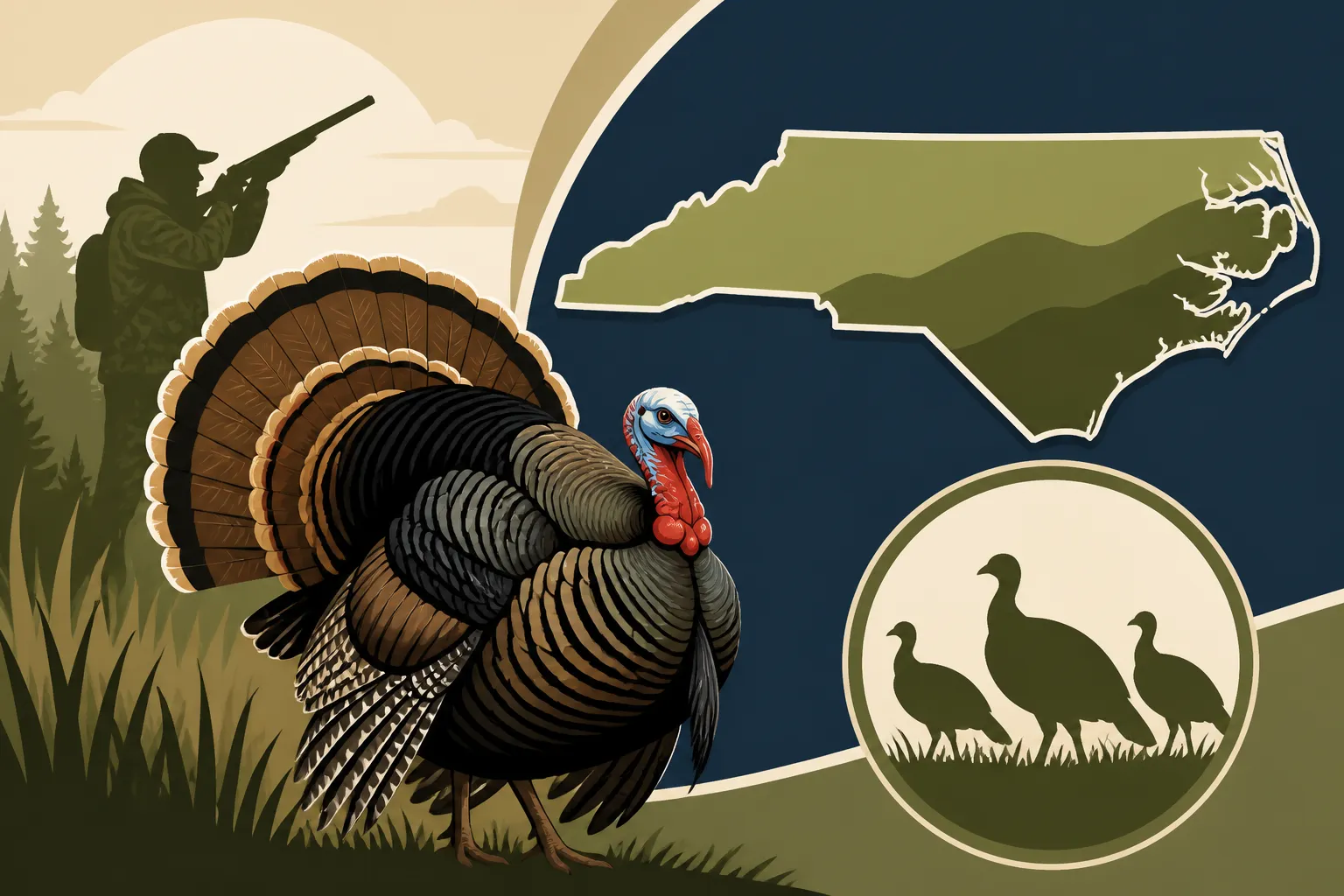
When we talk about "turkey harvest numbers," we're not just throwing out random guesses about how many birds were taken. This data is meticulously collected by the North Carolina Wildlife Resources Commission (NCWRC) and serves as a vital tool for understanding the state of our wild turkey populations. It's more than just a tally; it’s a snapshot of the health and distribution of one of our most cherished game birds.
What Hunter-Reported Data Reveals
Every time a successful hunter checks in a wild turkey in North Carolina, that information becomes a piece of a much larger puzzle. Hunters are legally required to report their harvests through the NCWRC's online system, via the mobile app, or by calling in. This reported data includes critical details such as the county of harvest, the date, and whether the bird was a gobbler or a jake. While individual hunters might just see it as a mandatory step, collectively, this information paints a detailed picture of hunting pressure, turkey distribution, and overall hunter success across the state. Without this consistent reporting, biologists would be flying blind, making it much harder to implement effective conservation strategies.
This ongoing stream of data allows the NCWRC to track year-to-year fluctuations and long-term trends. For instance, if harvest numbers suddenly dip in a particular region, it might prompt biologists to investigate potential issues like habitat loss, disease outbreaks, or poor poult survival in that area. Conversely, sustained high harvest numbers can indicate a thriving population, potentially allowing for more liberal hunting opportunities in the future. It's a direct feedback loop that connects individual hunter actions to the broader management of the resource, ensuring that future generations will also have the chance to experience a vibrant spring turkey season.
Why Harvest Data is Essential for Management
The NCWRC relies heavily on turkey harvest data to make informed management decisions. It's one of the primary indicators they use to gauge the health and stability of the state's wild turkey population. Think of it like a doctor monitoring a patient's vital signs; consistent tracking helps them understand what's normal, what's concerning, and what interventions might be needed. This data, combined with other biological surveys like spring gobbler counts and poult-to-hen ratios, provides a holistic view.
Without accurate harvest numbers, setting appropriate season dates, bag limits, and other regulations would be largely guesswork. For example, if a severe winter or a particularly wet spring leads to poor reproduction and subsequent lower harvest numbers, the NCWRC might consider adjustments to the following season to protect the breeding stock. This proactive approach ensures sustainable hunting opportunities rather than simply reacting to population crashes. It's a testament to the dedication of both the wildlife commission and responsible hunters who contribute to this vital dataset every year, helping to secure the future of Wild Turkeys in North Carolina.
Analyzing Statewide Turkey Harvest Trends
Looking at the big picture of turkey harvest numbers across North Carolina reveals some fascinating trends over the years. We've seen periods of incredible growth, followed by more stable, and sometimes challenging, plateaus or even slight dips. Understanding these overarching patterns helps us appreciate the resilience of the wild turkey and the careful balance required for effective wildlife management.
The Historic Resurgence of Wild Turkeys
It's hard to imagine, but at one point, wild turkeys were practically non-existent in much of North Carolina. Decades ago, over-hunting and widespread habitat destruction had decimated populations. Thanks to dedicated conservation efforts, primarily through trap-and-transfer programs that relocated wild birds to suitable habitats, turkeys have made a remarkable comeback. This resurgence is clearly reflected in the historical harvest data, which shows a steady and impressive climb in reported kills from the latter half of the 20th century into the 21st.
This incredible success story is a testament to what focused wildlife management can achieve. Early on, when populations were low, harvest numbers were minimal, but as birds re-established themselves and expanded their range, those numbers began to swell. It's truly inspiring to look back at how far we've come, knowing that the robust turkey populations we enjoy today are a direct result of these long-term investments and careful stewardship. This historical data is crucial for understanding current North Carolina Turkey Population Trends.
Recent Trends and What They Tell Us
While the long-term trend for North Carolina's wild turkeys has been overwhelmingly positive, recent years have shown a more complex picture. We're seeing harvest numbers that, while still strong, might indicate a plateau or even slight fluctuations rather than continuous exponential growth. This doesn't necessarily mean the sky is falling, but it does mean biologists are paying close attention. Several factors can contribute to these recent trends, including habitat saturation in some areas, changes in weather patterns affecting reproduction, and increased predator pressure.
For example, a string of wet springs can negatively impact poult survival, leading to fewer jakes and two-year-old gobblers in the harvest a year or two down the line. Similarly, a particularly mild winter might mean fewer birds perish, but also less incentive for them to concentrate in areas where hunters might find them. Tools like those found on GoHunt can help hunters review harvest data for specific counties, offering a granular look at where numbers might be holding steady or where they've softened. These trends are important because they directly influence decisions about North Carolina Spring Turkey Season Rules and bag limits.
Here's a simplified look at North Carolina's statewide turkey harvest over a few recent years, demonstrating these trends (actual numbers would vary year to year, consult NCWRC for official figures):
| Year | Total Harvest (Gobblers) | Youth Weekend Harvest | Success Rate (Estimated) |
|---|---|---|---|
| 2021 | 18,500 | 1,200 | 25% |
| 2022 | 17,800 | 1,150 | 24% |
| 2023 | 19,100 | 1,300 | 26% |
| 2024 | 18,300 | 1,250 | 25% |
(Note: These numbers are illustrative. For the most accurate and up-to-date data, always refer to the official reports from the North Carolina Wildlife Resources Commission.)
Regional Differences in Turkey Harvest Success
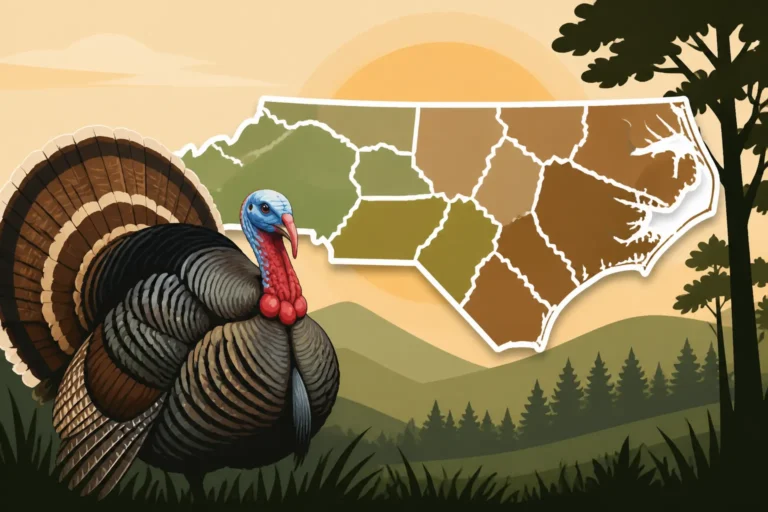
North Carolina is a state of incredible ecological diversity, stretching from the high peaks of the Appalachian Mountains to the vast coastal plains. This varied landscape creates distinct habitats, which in turn affect wild turkey populations and, consequently, hunter success. What works in the western mountains might not apply in the eastern swamps, and harvest data clearly reflects these geographical nuances.
Mountain Zone Harvest Comparisons
The Mountain Zone, encompassing the rugged terrain of Western North Carolina, presents a unique set of challenges and opportunities for turkey hunters. Here, turkeys often roam large tracts of public land within Pisgah and Nantahala National Forests, where steep slopes and dense cover can make finding birds a real workout. Harvest numbers in this region tend to be lower per square mile compared to other zones, but the quality of the hunt—the challenging terrain, the solitude, and the stunning scenery—is often unparalleled. Success in the mountains often comes down to intense scouting, understanding Wind and Thermals on a Blue Ridge Slope, and being in peak physical condition.
While the sheer number of birds harvested might be less than in more agricultural areas, the Mountain Zone can still produce impressive gobblers. Hunters often focus on ridge systems, creek bottoms, and bench areas where birds frequent. The harvest data helps to confirm that these mountainous areas, while less dense in turkeys, consistently contribute to the statewide total, proving that the birds are well-established even in these challenging environments. For hunters looking to truly experience the wild, the mountain harvest, though perhaps smaller, represents a hard-earned trophy.
Piedmont Zone Productivity
The Piedmont region, with its mix of agricultural fields, hardwood forests, and suburban fringes, often boasts some of the highest turkey densities and, consequently, some of the strongest harvest numbers in the state. The patchwork of private lands, often including rich food sources like corn and soybean fields, coupled with ample roosting cover, creates ideal conditions for wild turkeys to thrive. This makes areas like the Uwharrie National Forest and surrounding counties particularly productive. Hunters in the Piedmont frequently find success by focusing on property edges, creek bottoms, and areas with diverse habitat types. Understanding Hunting Piedmont Farmland Deer can also offer insights into turkey patterns, as both species often utilize similar food and cover.
The harvest data from the Piedmont consistently shows its strength, making it a popular destination for many North Carolina turkey hunters. The relatively easier access to private land, combined with abundant bird populations, contributes to a higher overall success rate here. However, this also means birds can be more pressured, requiring hunters to be strategic with their calls and setups. Using a platform like GoHunt, hunters can pinpoint specific counties within the Piedmont that consistently show higher harvest numbers, guiding their preseason scouting and hunt planning.
Coastal Plain and Sandhills Harvest
Moving eastward, the Coastal Plain and Sandhills offer yet another distinct turkey hunting experience. This region, characterized by vast tracts of pine forests, pocosin swamps, and agricultural fields, might not have the same overall turkey density as parts of the Piedmont, but it can still be incredibly productive. Birds here are often found along the edges of swamps, in mature pine stands, and near agricultural openings. The challenges include navigating thick cover and understanding how turkeys utilize the unique hydrology of the coastal environment. Tactics for Hunting Coastal Plain Pocosin Swamps for deer can often be adapted for turkeys, especially in terms of understanding movement corridors.
Harvest numbers from the Coastal Plain and Sandhills zones show a steady contribution to the statewide total, with particular hotspots emerging in areas with good habitat management and less hunting pressure. These birds can be incredibly vocal, but also notoriously shy, especially after the initial rush of the season. Success often depends on being able to penetrate thick cover, locate birds on the roost, and work them patiently. The specific data for these regions highlights the importance of adapting hunting strategies to the unique environments found here.
Factors Influencing Annual Turkey Harvests
While turkey populations in North Carolina are generally robust, annual harvest numbers can fluctuate quite a bit. It’s not just about how many hunters are out there; a complex interplay of environmental factors, biological realities, and human activity all play a significant role. Understanding these influences can help temper expectations for any given season and shed light on why some years feel more abundant than others.
Weather Patterns and Poult Survival
Perhaps one of the most significant natural drivers of future turkey harvest numbers is the weather during nesting and poult rearing seasons. Wild turkeys typically nest in late spring, and the survival of their young (poults) is highly dependent on favorable conditions. Cold, wet springs can be devastating for young poults, making them vulnerable to hypothermia and increasing their susceptibility to disease. If a significant portion of the hatch is lost, it translates to fewer jakes the following spring and fewer two-year-old gobblers a year after that.
Conversely, mild, dry springs typically lead to higher poult survival rates, setting the stage for stronger turkey populations and, eventually, higher harvest numbers in subsequent years. This lag effect means that the weather we experience this spring directly impacts our hunting prospects two to three years down the road. Biologists carefully track Poult-to-Hen Ratios and What They Mean to predict these future trends, offering valuable insights into the health of the upcoming turkey crop.
Habitat Quality and Availability
The quality and availability of suitable habitat are foundational to healthy wild turkey populations. Turkeys need a diverse landscape that provides nesting cover, roosting sites, foraging areas, and escape cover from predators. Areas with a mix of mature hardwood forests, open fields, and regenerating clear-cuts tend to support the highest turkey densities. When habitat is degraded or fragmented by development, agricultural expansion, or poor forestry practices, turkey populations can suffer, which will inevitably be reflected in lower harvest numbers.
The NCWRC and conservation partners work tirelessly to improve and maintain turkey habitat across the state, particularly on public lands. This includes prescribed burns to promote new growth, timber thinning to create diverse forest structures, and the planting of beneficial food sources. These efforts directly influence where North Carolina Gobblers Roost and where hens choose to nest, ultimately impacting the number of birds available for harvest. Access to these quality habitats often determines a hunter's success, making programs focused on habitat preservation crucial for long-term turkey hunting opportunities.
Predator Populations and Disease
While turkeys are incredibly resilient, they face constant pressure from predators, especially during nesting and poult-rearing phases. Raccoons, opossums, bobcats, foxes, and coyotes are all known to prey on turkey eggs, poults, and sometimes even adult birds. A surge in predator populations, particularly in localized areas, can put a dent in turkey recruitment and affect harvest numbers. However, wildlife populations are complex, and healthy predator populations are also a sign of a balanced ecosystem.
Disease can also play a role, though typically on a more localized scale. Avian pox or other illnesses, while not usually catastrophic on a statewide level, can affect turkey health and survival in specific areas. The NCWRC monitors for disease outbreaks and uses harvest data to help identify areas where populations might be stressed. While hunters can't control these factors directly, being aware of them helps us understand the broader ecological picture that influences our spring hunts.
How Harvest Data Informs North Carolina's Turkey Management
The NCWRC doesn't just collect turkey harvest data for fun; it's a critical component of their science-based wildlife management strategy. Every data point helps them evaluate past decisions, forecast future trends, and adapt their approach to ensure sustainable turkey populations for generations of hunters. This proactive management is what keeps our spring seasons healthy and exciting.
Setting Season Dates and Bag Limits
One of the most direct ways harvest data influences management is in the setting of North Carolina Spring Turkey Season Rules and North Carolina Spring Turkey Bag Limit. Biologists analyze the harvest numbers in conjunction with other population indicators like breeding success, poult-to-hen ratios, and overall population trends to determine appropriate season lengths and bag limits. If data suggests a strong and growing population, the Commission might maintain or even slightly liberalize opportunities, like extending the season a few days or maintaining a generous bag limit.
Conversely, if there are signs of population decline or significant drops in harvest, they might consider more conservative measures to protect the breeding stock. This careful balancing act ensures that hunters have ample opportunity to pursue turkeys while safeguarding the long-term health of the resource. It's a dynamic process, and the flexibility to adjust regulations based on real-time data is a cornerstone of effective wildlife management, reflecting the importance of every reported harvest.
Identifying Population Hotspots and Declines
Harvest data is incredibly useful for pinpointing specific areas where turkey populations are thriving or, conversely, where they might be struggling. By analyzing harvest numbers down to the county level, biologists can identify "hotspots" that consistently produce high numbers of birds. This information can then be used to guide habitat improvement efforts or to focus research on what makes those areas so productive. This granular data helps in understanding Where North Carolina Turkeys Are Densest.
On the other hand, if a particular county or region shows a consistent decline in harvest, it signals a potential problem. This could trigger further investigation into localized issues like habitat loss, increased predation, or disease. This targeted approach allows the NCWRC to direct resources where they are most needed, rather than implementing blanket regulations that might not be appropriate for the entire state. It's a testament to the value of every hunter's contribution to the harvest reporting system.
Informing Conservation and Habitat Projects
Beyond just regulations, turkey harvest data plays a crucial role in guiding long-term conservation and habitat management projects. If data consistently shows that certain habitat types are correlated with higher turkey populations and harvests, it informs decisions about land acquisition, forest management practices, and agricultural incentive programs. For example, if mature pine stands with open understories are linked to strong harvests, the NCWRC might prioritize managing public lands to create more of that specific habitat.
The data can also highlight the importance of diverse landscapes, reinforcing the need for a mosaic of fields, forests, and riparian zones to support healthy turkey populations. This comprehensive understanding allows conservation dollars and efforts to be spent most effectively, ensuring that the foundational elements for thriving turkey populations are in place. Hunters who understand this connection are often the strongest advocates for these habitat projects, recognizing their direct impact on future hunting seasons.
Practical Implications for Hunters
For us, the hunters who spend countless hours scouting, practicing calls, and enduring early mornings in the spring woods, understanding turkey harvest numbers isn't just academic. This information can actually help us be more successful, make better decisions about where and when to hunt, and appreciate the larger context of our passion.
Using Data for Preseason Scouting and Planning
Before you even step foot in the woods, taking a look at historical harvest data can give you a significant advantage. If you're planning a trip to a new area or trying to decide between a couple of public land spots, checking the harvest numbers for those counties can provide insights into which areas consistently produce birds. While high harvest numbers don't guarantee success, they do indicate a healthy turkey population, increasing your odds. For example, if you're eyeing a game land near the Piedmont, looking at past harvest data for that specific region can help you gauge its potential.
Beyond just the raw numbers, analyze the trends. Has a county's harvest been consistently strong, or has it seen a dip in recent years? This might influence your choice of hunting grounds. Combining this information with aerial maps and scouting apps like those offered by GoHunt, which can layer public and private land, food sources, and topography, can help you narrow down your focus and make your preseason scouting much more efficient. Instead of wandering blindly, you can arrive with a more informed plan of attack. This kind of research helps you pick your spots for North Carolina Statewide Turkey Opener.
Understanding Daily and Seasonal Hunter Success
Harvest data also provides insights into when success rates are highest during the season. Generally, the opening weeks of the spring season tend to see the highest harvest numbers, as gobblers are often most vocal and responsive early on in their breeding cycle. As the season progresses, birds can become more pressured, and calling tactics might need to shift. Data can reveal how quickly harvest numbers drop off, helping you decide if you should focus your efforts on those early weeks or if specific tactics might still pay off later in the season.
It’s also interesting to see the comparison between the general season and the North Carolina Youth Turkey Weekend Rules. This special early weekend often has a respectable harvest, indicating good opportunities for young hunters. Knowing these patterns can help you time your hunts for when birds are most active and receptive. For instance, if you're planning a run-and-gun approach, understanding that birds might be more spread out later in the season could inform your strategy for Run-and-Gun Turkey Tactics on Public Land.
Contributing to Future Management Efforts
Finally, and perhaps most importantly, as hunters, we have a direct role to play in the continued success of North Carolina's wild turkey management by simply reporting our harvests. It sounds simple, but every single reported bird contributes to the robust dataset that the NCWRC uses to make crucial decisions about season structures, bag limits, and conservation efforts. Whether you harvest a mature gobbler or a jake, taking those few minutes to log your success (or even your unsuccessful efforts, if you're tracking personal data) provides invaluable information.
Think of it as your ongoing contribution to the resource that provides us with so much enjoyment. Without accurate reporting, the NCWRC's data becomes less complete, potentially leading to less precise management decisions. So, next time you fill your North Carolina Turkey Daily Bag Limit or even just tag your one bird for the season, remember that you're not just concluding your hunt, you're also helping to shape the future of turkey hunting in North Carolina. It's a small action with a big impact, ensuring that the rich tradition of spring turkey hunting continues long into the future, right up to the North Carolina Turkey Season Closing Date.
Disclaimer
Please remember that hunting regulations, seasons, and reporting requirements can change. Always consult the most current regulations directly from the North Carolina Wildlife Resources Commission (NCWRC) before planning any hunting trip. This article provides general information and should not be considered a substitute for official sources.