North Carolina Youth Turkey Weekend Rules
Let's be honest, introducing a young hunter to the incredible world of spring turkey hunting in North Carolina can be both exciting and, frankly, a little overwhelming. You want to make sure they have a safe, successful, and most importantly, legal experience. The special Youth Turkey Weekend is designed exactly for this, but navigating all the specific rules and regulations can feel like trying to call in a quiet gobbler on a windy day. This guide is here to break down everything you need to know, from licenses to bag limits and safety tips, ensuring your young hunter's first strut into the spring woods is a memorable one.
Understanding the North Carolina Youth Turkey Weekend
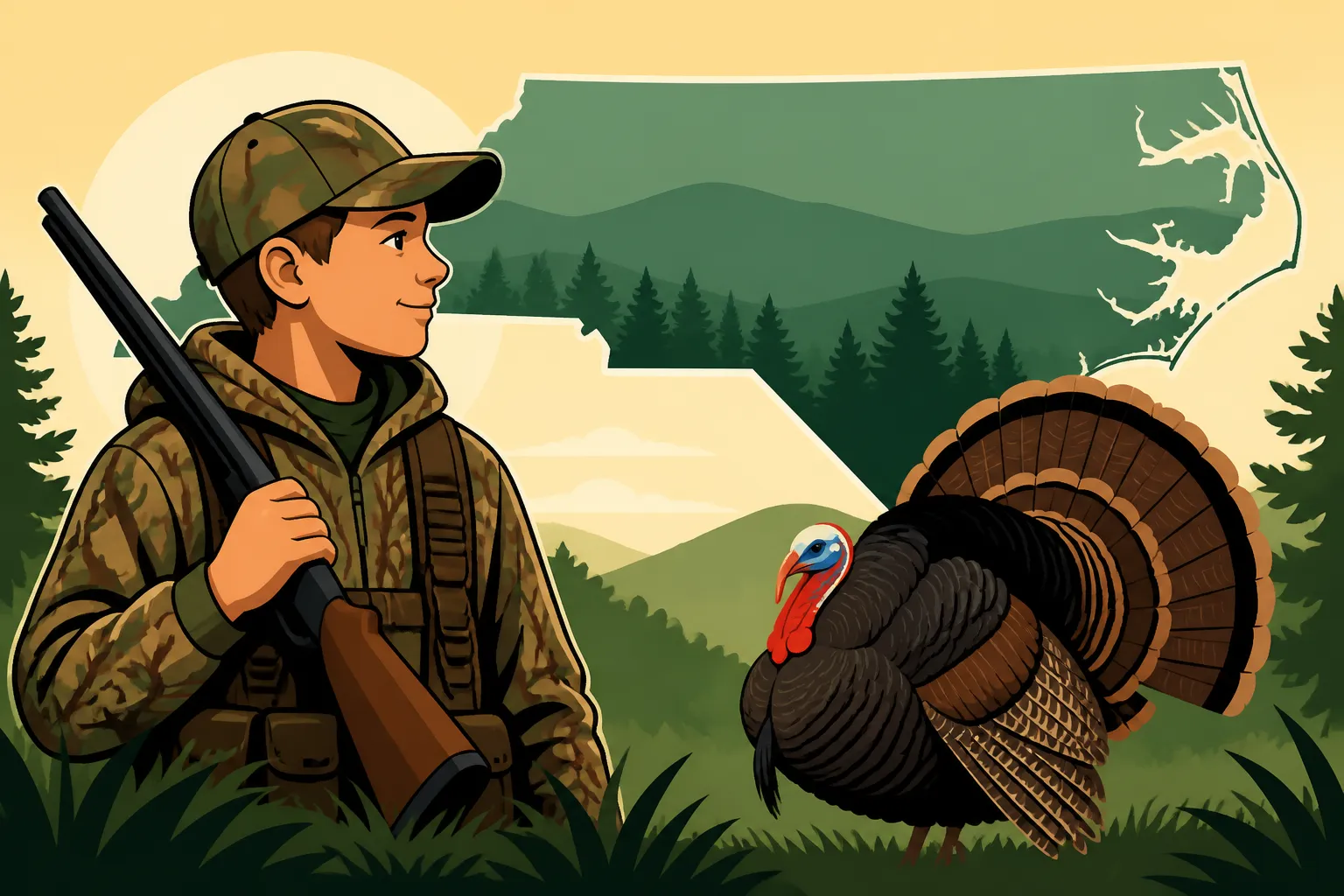
The North Carolina Youth Turkey Weekend is a fantastic opportunity, a dedicated time slot carved out just for our younger generation to experience the thrill of spring gobbler hunting before the statewide general season kicks off. It's truly a special window designed to prioritize their experience, reducing competition and giving them a head start on those elusive longbeards.
What Makes the Youth Weekend Special?
The beauty of the youth weekend lies in its exclusivity. It typically falls the first full weekend in April, right before the regular statewide season opens. For 2024, for instance, that means April 6-7. This gives young hunters aged 17 and younger a full two days to pursue wild turkeys. Imagine the excitement of having the woods (relatively) to themselves, the pressure of competition somewhat lessened. This early access isn't just a treat; it’s a strategic move by the North Carolina Wildlife Resources Commission (NCWRC) to foster a love for hunting, give young folks a better chance at success, and ensure a safer, more focused environment. It's a chance for mentors to really connect with their young charges, focusing purely on the hunt, the calls, the setup, and the incredible experience of sitting silently as the woods wake up around you, listening for that first gobble. It can alleviate some of the intensity that comes with the general season opener, making it a much more relaxed and enjoyable introduction to the sport.
Age Requirements and Eligibility
So, who qualifies as a "youth hunter" for this special weekend? In North Carolina, it's pretty straightforward: anyone 17 years of age or younger is eligible. This covers quite a range, from eager youngsters just starting out to older teenagers who might already have some hunting experience but still fall within the age bracket. It’s important to remember that even if a young hunter has completed their hunter education course and holds a lifetime license, they still need to adhere to the "youth" rules during this specific weekend. For those really young ones, say 10 or 12 years old, it’s often their first real foray into big game hunting, and this structured, less-pressured environment is absolutely ideal. It allows for patience, teaches them how to sit still, how to listen, and how to identify various calls, all without the added stress of feeling rushed by other hunters. For the 16 or 17-year-olds, it might be their last chance to hunt during this special weekend, making it an extra poignant experience for them and their mentors.
Licensing and Permitting for Young Hunters
Getting a young hunter set up with the correct license can sometimes feel like trying to decode an ancient scroll, especially with all the different options available. But don's worry, it's more straightforward than it seems, and making sure they're properly licensed is the first crucial step toward a successful hunt.
Required Licenses for Youth Turkey Hunting
For any youth hunter participating in the North Carolina Youth Turkey Weekend, they’ll need to have a valid hunting license. The good news is, North Carolina offers several excellent options designed specifically for young people, making it accessible and affordable. The most common license for youth is the "Youth Hunter Apprentice Permit," which is perfect for those under 16 who haven't yet completed their hunter education course. This permit allows them to hunt game when accompanied by a properly licensed adult at least 18 years old. This is a fantastic entry point because it removes the immediate barrier of mandatory hunter education for their very first experiences, allowing them to try hunting to see if they like it.
However, if your young hunter is 16 or 17 years old, or if they've already completed their safety course, they'll need a different type of license. A "Youth Lifetime Sportsman's License" or an annual "Hunting License" (with the appropriate big game privileges) would be required. The lifetime options, while an upfront investment, are often the best long-term value, covering all hunting and fishing needs for life. For any youth under 16, they are generally exempt from buying a big game privilege license if they are hunting under the supervision of a licensed adult. This really simplifies things for families just getting started. It's also worth noting how important the North Carolina Hunter Education Requirements are for their long-term hunting journey, even if the apprentice permit offers a temporary workaround. Encourage them to take the course when they're ready; it builds confidence and knowledge that lasts a lifetime.
Mentored Youth Hunting Rules
North Carolina's mentored youth hunting program is a cornerstone of safely introducing new hunters to the field. If your young hunter is using an apprentice permit, or if they are under 16 and not fully licensed, the rules regarding the supervising adult, or mentor, are absolutely critical. The mentor must be at least 18 years old, fully licensed, and remain within "sight and sound" of the youth hunter at all times. This isn't just a suggestion; it’s a legal requirement. The idea behind this is constant supervision, ensuring immediate intervention if needed, whether for safety, ethical decision-making, or even just explaining a missed call or tracking a bird.
This means you can't drop your child off at one end of a field and go hunt the other, or sit in a blind while they're 100 yards away in a different one. You must be close enough to communicate, observe their actions, and step in if there's any confusion or danger. This direct oversight is paramount, especially when handling firearms or making split-second decisions about shot placement. The How Close a North Carolina Mentor Must Stay rule is designed to instill confidence in both the young hunter and the mentor, knowing that an experienced eye is always watching and guiding. It transforms the hunt into a true teaching moment, where every sound, every movement, and every decision becomes a valuable lesson. This close mentorship also allows for immediate feedback and reinforces safe firearm handling practices, making the hunt much more educational and secure for everyone involved.
Bag Limits and Harvest Reporting
Alright, so you've got your licenses in order and you're out in the field. The next crucial elements are understanding exactly how many turkeys your young hunter can harvest and what to do once that beautiful gobbler is on the ground. These rules are non-negotiable and essential for responsible hunting.
Specific Bag Limits for the Youth Weekend
This is where it can get a little tricky, so pay close attention. For the North Carolina Youth Turkey Weekend, the daily bag limit is one (1) male or bearded turkey. This means that within that two-day window (typically Saturday and Sunday), your youth hunter can take one bird per day, for a maximum of two birds over the entire weekend if they manage to be that lucky. However, and this is a big however, this doesn't mean they automatically get two birds for the entire spring season. The statewide spring turkey season has an overall bag limit of two (2) male or bearded turkeys per hunter, regardless of age.
Here’s the kicker, and this is where the Why Only One of Two Birds Can Come From Youth Season rule comes into play: only one of those two statewide birds can be taken during the youth-only weekend. So, even if your young hunter manages to harvest a gobbler on Saturday and another on Sunday during the youth weekend, they have already reached their statewide season limit of two birds, and effectively, their maximum for the youth weekend is one toward their season total. This rule is in place to manage harvest pressure and ensure sustainability across the entire turkey population. It encourages youth hunters to participate in the general season too, fostering a continued interest in hunting throughout the spring. It’s important to plan accordingly and understand this distinction clearly. If they tag a bird on the youth weekend, they still have one more opportunity during the regular season, provided they follow all other regulations. Always refer to the North Carolina Spring Turkey Bag Limit for the most current and comprehensive details.
Here's a quick summary table for clarity:
| Category | Youth Turkey Weekend Rule | Statewide Season Rule (Youth/Adult) |
|---|---|---|
| Dates | First full weekend in April (e.g., April 6-7, 2024) | Varies by zone, typically mid-April through mid-May |
| Eligibility | Hunters 17 years old and younger | All licensed hunters |
| Daily Bag Limit | 1 male or bearded turkey | 1 male or bearded turkey |
| Weekend Bag Limit | 2 male or bearded turkeys (1 per day) | N/A |
| Season Bag Limit | Only 1 of the 2 statewide birds can be taken this weekend | 2 male or bearded turkeys (total for entire spring season) |
| Mentor Required | Yes, if using Apprentice Permit or under 16 | No, if fully licensed (16+) |
| Firearms Allowed | Shotguns, Bows, Crossbows | Shotguns, Bows, Crossbows |
Reporting Your Youth Turkey Harvest
After the excitement of a successful hunt, the administrative side might feel like a chore, but harvest reporting is a vital part of conservation and a legal obligation in North Carolina. Every single turkey harvested, whether during the youth weekend or the general season, must be reported to the NCWRC. It's not just a suggestion; it's the law. This data is critical for wildlife biologists to monitor turkey populations, set future season dates, and manage the resource responsibly.
The process is fairly simple and can be done quickly. You have a few options:
- Online: The easiest and most common method is to report through the NCWRC's online harvest reporting system. You'll need your license number and details about the bird (county, date, sex).
- Go Outdoors NC App: The NCWRC offers a convenient mobile app for both Android and iOS devices. You can report your harvest directly from your phone while still in the field, even if cell service is spotty, as it often syncs once you get signal. This is a real lifesaver when you're out deep in the woods.
- By Phone: You can call the NCWRC toll-free reporting number.
Regardless of the method, the key is timeliness. You need to report the turkey before you leave the county in which it was killed and before it is dismembered. This ensures accuracy and compliance. This reporting isn't just for adults; it's a fantastic teaching moment for youth hunters. Involving them in the reporting process helps them understand the importance of their role in conservation. It reinforces that hunting isn't just about the harvest, but about responsible stewardship. Make sure you're familiar with the North Carolina Turkey Checking Requirements to avoid any issues.
Legal Firearms and Equipment for Youth
Equipping a young hunter for turkey season involves more than just a shotgun; it's about matching the gear to their size, skill, and the demands of the hunt. Safety and effectiveness go hand-in-hand, especially when introducing someone new to the sport.
Approved Firearms and Ammunition
When it comes to firearms for North Carolina youth turkey hunting, shotguns are the primary choice. Legal gauges include 10, 12, 16, 20, and .410. While any of these are technically allowed, a 20-gauge or even a .410 are often excellent choices for youth hunters. Why? Recoil. A 12-gauge, especially with heavy turkey loads, can be quite punishing for a smaller, lighter-framed shooter, potentially leading to flinching or developing a negative association with shooting. A 20-gauge, perhaps even a youth model with a shorter stock, offers a much more manageable recoil impulse while still delivering plenty of punch for a close-range turkey.
Ammunition choice is also critical. North Carolina requires the use of non-toxic shot for waterfowl, but for turkeys, lead shot is generally permitted. However, with the rise of modern non-toxic loads like bismuth or tungsten-super-shot (TSS), many hunters are opting for these regardless. They offer superior patterns and knockdown power at slightly longer ranges, often in smaller shot sizes (like #9 TSS), which means less recoil. For a youth hunter, a quality TSS load in a 20-gauge can be devastatingly effective without the heavy kick of a 12-gauge magnum. Always ensure the firearm fits the shooter well; a gun that's too long or too heavy will hinder their ability to shoulder it quickly and comfortably, leading to missed opportunities and discomfort. This is often an overlooked aspect, but proper fit is paramount for accuracy and confidence.
Decoy and Calling Strategies for Youth Hunts
Turkey hunting is an interactive sport, and incorporating decoys and calls can greatly enhance the experience for a young hunter. For decoys, simplicity is often best. A single hen decoy or a jake and a hen can be incredibly effective. Place them where the gobbler will see them clearly but where you have a safe, clear shot lane. For youth hunters, having the decoy at a comfortable range (20-30 yards) gives them a larger margin of error and increases their chances of a clean kill. Safety with decoys is paramount; always place them in an open area where you can clearly identify any approaching turkeys and where you won't be mistaken for a bird by another hunter. Never "stalk" a decoy.
When it comes to calling, start simple. A box call or a slate call are often the easiest for beginners to learn and produce realistic sounds. Let the young hunter experiment and make some basic yelps and clucks. It's not about being a championship caller; it's about engaging the bird and having fun. Often, less is more with calling, especially with pressured birds. A few soft yelps every 15-20 minutes can be enough to draw a curious gobbler in. Focus on teaching them to listen intently to the woods, to pick out subtle sounds, and to understand the rhythm of a turkey's approach. This interactive aspect, hearing a bird respond to their calls, is incredibly rewarding and can hook a young hunter for life. For more detailed strategies, you might want to look into articles like Calling a North Carolina Gobbler Off the Roost or Turkey Tactics for Piedmont Field Edges.
Safety Considerations and Best Practices
Safety, especially when hunting with youth, is not just a priority; it's the absolute foundation of a responsible and ethical hunt. There’s no shot, no bird, and no experience worth compromising safety. This weekend is as much about teaching safe habits as it is about hunting.
Emphasizing Hunter Safety with Youth
Before you even step foot into the woods, safety discussions should be paramount. For spring turkey hunting, while blaze orange is generally not required (and often detrimental to success), the core tenets of hunter safety remain absolute. Teach your young hunter the "Four Rules of Firearm Safety" until they can recite them in their sleep:
- Treat every firearm as if it's loaded.
- Always point the muzzle in a safe direction.
- Be sure of your target and what is beyond it.
- Keep your finger off the trigger until ready to shoot.
Beyond these basics, specific to turkey hunting, emphasize target identification. Turkeys are masters of camouflage, and movement can easily be misinterpreted. Never shoot at a sound or movement without first positively identifying the bird's head and neck. Teach them to look for the distinct blue, white, and red coloring of a gobbler's head. Discuss "zone of fire" – making sure they know where their safe shooting lanes are and where they should never point their gun. If you're hunting from a ground blind, ensure they understand the limited shooting angles. The mentor's role here is constant vigilance. You are the safety officer, the guide, and the final decision-maker. This is especially important when Setting Up Against a Big Oak or in dense cover where visibility might be limited.
Preparing for a Successful and Ethical Hunt
Success in turkey hunting isn't just about pulling the trigger; it's about the entire experience, from preparation to post-shot procedures. Involve your young hunter in as much of the preparation as possible. Pre-season scouting, even just a walk in the woods to look for tracks, droppings, and strut marks, builds excitement and teaches them about turkey behavior. This also provides an opportunity to choose safe setup locations beforehand. GoHunt's mapping features can be incredibly useful for scouting, showing topography and potential roosting areas, and letting you mark likely spots.
When a turkey approaches, coach your young hunter on patience. The urge to move or raise the gun too soon can be overwhelming. Teach them to wait for the bird to commit, to come into comfortable range, and to offer an ethical shot. The ideal shot placement for a turkey is the head and neck, which leads to a clean, instantaneous kill. Discuss the importance of waiting for the turkey to extend its head and neck, providing a clear target. After the shot, emphasize staying vigilant. Turkeys are incredibly tough, and a seemingly dead bird can sometimes flop away. Watch the bird intently, then approach cautiously. Teach them how to quickly dispatch a flopping bird if necessary and how to properly tag and field dress the turkey. These lessons aren't just about hunting; they're about respect for the animal and the privilege of the hunt.
Public and Private Land Access for Youth Hunters
Finding a good spot to hunt can be one of the biggest challenges for any hunter, and it’s no different when you’re taking a youth out for their special weekend. Knowing where you can go and how to gain access is crucial for a stress-free experience.
Accessing Public Game Lands
North Carolina boasts a fantastic system of public hunting lands, including Game Lands managed by the NCWRC, National Forests like Pisgah, Nantahala, and Croatan, and National Wildlife Refuges. Many of these areas offer excellent spring turkey hunting opportunities. To hunt on most NCWRC Game Lands, hunters (including youth, unless specifically exempt by age or license type) will need a North Carolina Game Lands License Requirements in addition to their regular hunting license. This permit helps fund the management of these vital public resources.
Before heading out, it’s imperative to do your homework. The NCWRC website is an invaluable resource, offering detailed maps and regulations for each Game Land. Apps like GoHunt are also incredibly helpful, allowing you to layer property boundaries, topo maps, and even recent satellite imagery to identify promising areas. Look for features like mature timber (for roosting), open ridges, field edges, and creek bottoms – all prime turkey habitat. Be aware that public lands can experience significant hunting pressure, especially on opening weekends. Consider seeking out areas that require a bit more walking or have challenging terrain; these spots often see fewer hunters and might offer a more peaceful experience for your young hunter. Teaching them to read aerial photos for features like timber cuts or habitat changes can give them a real edge.
Gaining Private Land Permission
While public lands are a wonderful resource, securing private land permission can often provide a more controlled and less pressured hunting environment, which can be ideal for a youth hunter's first experiences. This means reaching out to landowners and respectfully asking for access. It might seem daunting, but a polite, honest approach can open many doors.
Start by identifying potential landowners through local connections, farming communities, or even by simply driving around and noting properties that might hold turkeys (e.g., properties with large woodlots adjacent to fields). When you approach a landowner, be clear about your intentions: you're looking to take a young hunter out for the special youth turkey weekend. Offer to share your harvest, help with chores, or simply show your appreciation. Emphasize that you will respect their property as if it were your own, leave no trace, and adhere to all their specific rules. A handshake deal is often enough, but it's always wise to understand Do You Need Written Permission in North Carolina?. While North Carolina law typically requires written permission for hunting on posted land, having it for any private land provides clarity and protection for both you and the landowner. Building these relationships is a cornerstone of ethical hunting and can lead to years of enjoyable hunting access, creating incredible memories for your young hunter in less crowded settings.
Disclaimer
Please remember that hunting regulations can change. While this guide aims to provide accurate and up-to-date information, it is always your responsibility to consult the official North Carolina Wildlife Resources Commission (NCWRC) regulations before heading afield. Verify all dates, license requirements, and bag limits directly with the NCWRC to ensure compliance.