North Carolina Waterfowl Zones and Seasons
Figuring out North Carolina’s waterfowl hunting regulations can feel like trying to hit a fast-flying teal with your eyes closed – confusing, frustrating, and often leaving you scratching your head. Between the different zones, split seasons, and a myriad of stamps and certifications, it's easy to get lost in the bureaucratic weeds. This comprehensive guide is here to untangle that complexity, providing you with a clear roadmap to understanding North Carolina's waterfowl zones and seasons, so you can spend less time interpreting regulations and more time enjoying the marsh, the fields, and the incredible flights our state offers.
Demystifying North Carolina's Waterfowl Zones
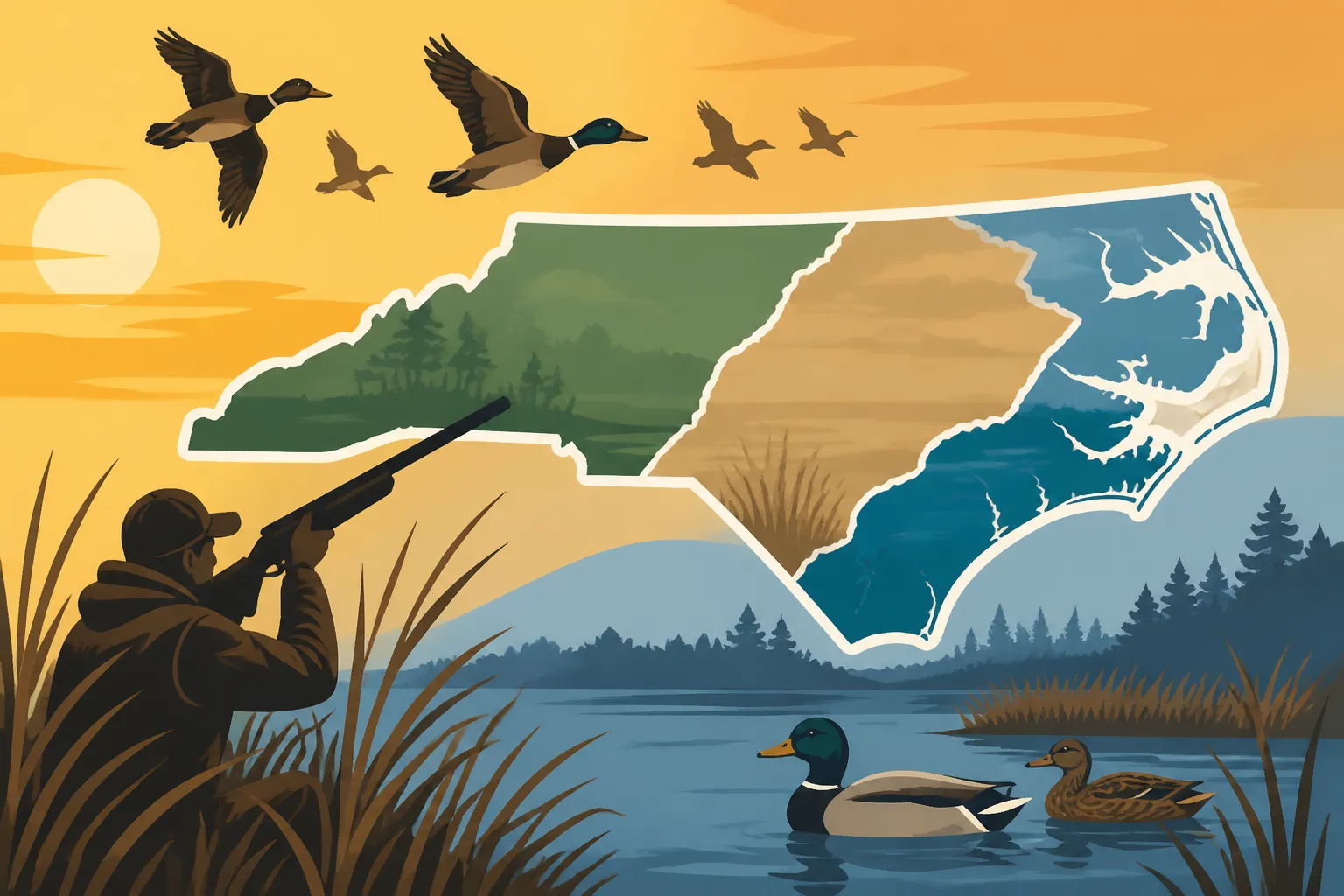
North Carolina is a phenomenal state for waterfowl hunting, boasting diverse habitats from the high mountains to the vast coastal sounds. However, to manage this resource effectively and account for varying migration patterns and local bird populations, the state is divided into specific zones for ducks and sometimes geese. Understanding which zone you're in and how it impacts your season dates is the first, most crucial step for any aspiring or seasoned waterfowler.
Understanding the Coastal Duck Zone
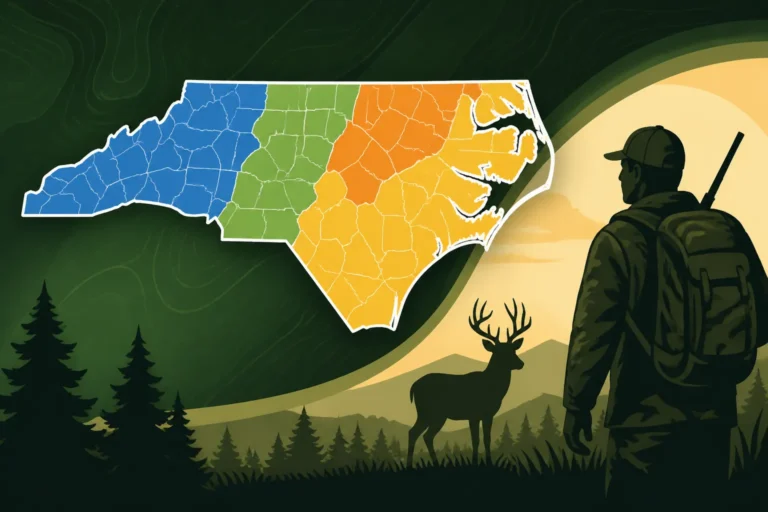
The Coastal Duck Zone encompasses a significant portion of eastern North Carolina, stretching from the Virginia border down to South Carolina. This zone is generally defined by its proximity to the Atlantic Ocean and the extensive network of brackish and freshwater sounds, bays, and estuaries that make up our incredible coastline. Think of places like Currituck Sound, Pamlico Sound, and the smaller sounds and rivers that feed into them. These areas are vital wintering grounds and migratory stopovers for a huge variety of waterfowl. Hunting here often involves marsh boats, layout blinds on large open water, or setting up on tidal creeks. The unique conditions, like vast expanses of open water, saltmarsh, and a blend of freshwater impoundments, dictate different hunting strategies and, consequently, different season dates than the state's interior. When you're planning a trip to places like the Outer Banks marsh, knowing you're in the Coastal Zone is paramount because the season structure here is distinct.
The species you'll encounter in the Coastal Duck Zone are often diverse, ranging from dabbling ducks like American Wigeon and Green-winged Teal that prefer shallower, vegetated waters, to robust divers such as Canvasbacks, Redheads, and Lesser Scaup, which thrive in the deeper, open waters of the sounds. Hunters frequently target sea ducks like Surf Scoters and Oldsquaw (Long-tailed Ducks) in the sounds and nearshore ocean waters. The challenge here isn't just the ever-changing weather and tides, but also the sheer scale of the habitat. Decoy spreads need to be larger, calling louder, and boat handling skills are often essential. This zone is a bucket-list destination for many hunters, offering some of the most classic East Coast waterfowling experiences imaginable, but it demands a thorough understanding of its specific rules.
Navigating the Inland Duck Zone
Moving west from the Coastal Plain, you enter North Carolina's Inland Duck Zone. This zone covers the vast majority of the state, encompassing the Piedmont and Mountain regions. While it might not have the grand sounds of the coast, it offers exceptional waterfowl hunting on its own terms. Here, hunting typically takes place on rivers, smaller lakes, beaver swamps, flooded timber, and increasingly, on agricultural fields. Think of the Roanoke River bottomlands, the vast network of creeks and rivers in the Piedmont, or even high-elevation mountain impoundments. The habitats are often more intimate, requiring different scouting and hunting tactics compared to the expansive coastal waters.
The duck species encountered in the Inland Zone tend to lean more towards dabblers and puddle ducks, with Wood Ducks often being king, especially in the flooded timber and cypress swamps. Mallards are prevalent, along with Gadwall, Green-winged Teal, and Pintails, especially in agricultural areas or larger river systems. While you might occasionally see a stray diver, they are far less common than on the coast. The season dates for the Inland Zone are designed to coincide with migratory patterns through the state's interior flyways, which can differ significantly from the coastal movements. If you're planning to hunt waterfowl near Raleigh or deep in the mountains, you'll be operating under Inland Zone regulations, which is a crucial distinction to remember to avoid any unfortunate violations.
Goose Zones and Local Flock Considerations
When it comes to geese in North Carolina, the zoning can sometimes feel like an extra layer of complexity on top of the duck zones. Historically, there have been specific Canada Goose zones, though these can change based on population management needs. Generally, Canada Goose seasons often align with the duck zones, but it's critical to verify the exact regulations annually. Resident Canada Geese, those that breed and stay in North Carolina year-round, offer earlier and often more liberal hunting opportunities, particularly in specific agricultural areas. These birds are often found in cut cornfields or winter wheat fields in the Piedmont and Coastal Plain, providing fantastic field hunting opportunities.
Beyond Canada Geese, North Carolina is also a significant wintering ground for Snow Geese and Brant. Snow Goose hunting can be incredibly popular, especially with the Light Goose Conservation Order which allows for extended seasons, electronic calls, and unplugged shotguns in specific areas to help manage their booming population. These birds are often found in massive flocks in coastal agricultural fields, like those found around Mattamuskeet National Wildlife Refuge or Pocosin Lakes National Wildlife Refuge. Brant, a smaller sea goose, are primarily hunted in the Coastal Duck Zone, often over open water. Hunters need to pay close attention to the specific dates and bag limits for each goose species, as they can vary greatly, and penalties for misidentification or exceeding limits are stiff. Consulting the North Carolina Duck and Goose Bag Limits is a yearly ritual for serious waterfowlers.
Decoding North Carolina's Waterfowl Season Dates
Once you’ve got a handle on the different waterfowl zones, the next hurdle is understanding the various season dates. North Carolina, like many states along the Atlantic Flyway, employs "split seasons" and special early seasons to maximize hunting opportunities while also managing wildlife populations responsibly. These dates are set annually in coordination with federal guidelines and state biologists, reflecting migration patterns, nesting success, and population health.
Early Teal Season – A Quick Start
For many waterfowlers, the early teal season is a highly anticipated kickoff to the fall hunting calendar. Typically held in September, this short, intense season specifically targets migrating Blue-winged Teal and Green-winged Teal. These birds are some of the earliest migrants to push south, often appearing in North Carolina before the first real cold fronts hit further north. It’s a fantastic opportunity to shake off the summer rust, test out new gear, and get some wingshooting in before the main duck season opens.
The early teal season is usually quite short, often lasting only a week or two, and the bag limit is specific to teal. You won't find many other duck species around during this time, so positive identification is critical. Hunters often set up on shallow ponds, flooded agricultural fields, or quiet backwaters of larger river systems where teal prefer to feed on aquatic insects and small seeds. This season provides a unique challenge, as teal are famously fast and erratic fliers, demanding quick reflexes and good shooting skills. It’s a great way to ease into the full waterfowl season, reminding you what you’ve been missing all summer.
Main Duck Season Splits and Their Rationale
North Carolina’s main duck season is characterized by its "split" structure. This means the season isn't continuous; instead, it has an initial segment, a closure period, and then reopens for a later segment. This system is implemented by the NC Wildlife Resources Commission (NCWRC) for several strategic reasons. Firstly, it allows hunters to target different waves of migrating birds. An early split might catch local birds and early migrants, while a later split capitalizes on the bulk of the wintering population that pushes south with colder weather. Secondly, the mid-season break can provide a "rest period" for the birds, allowing them to settle into their wintering grounds without constant pressure, potentially holding them in the state longer.
The exact dates for these splits vary by zone (Coastal and Inland) and are determined annually, so checking the current year's regulations is non-negotiable. For example, the Coastal Zone might see an earlier first split, perhaps in October or early November, followed by a mid-December to late January second split. The Inland Zone might have a slightly different timing. These splits significantly impact hunting strategy. An early split might mean hunting warmer weather, targeting birds that haven't seen much pressure yet. The late split, often in the dead of winter, can mean dealing with ice, severe cold, but also potentially larger numbers of birds concentrated in remaining open water. Staying flexible and adaptable to these shifting dates and conditions is key to consistent success.
Goose Seasons – Lights, Dark, and Tundra Swans
Goose seasons in North Carolina are layered, with different dates and regulations for Canada Geese, Snow Geese, and Brant. Canada Goose seasons typically run concurrently with duck seasons for a portion of the year, but there can be special early or late seasons, especially for resident populations. These dates are crucial for hunters targeting these larger, often field-feeding birds. Knowing when the season opens and closes for Canada Geese, and whether you are hunting within a specific goose management zone, is essential for compliance.
Snow Goose hunting often involves a much longer season, especially under the Light Goose Conservation Order. This order is a special federal authorization designed to reduce the overpopulation of certain goose species that are causing significant habitat degradation. This conservation order typically extends from late fall through mid-winter and into early spring, offering hunters extensive opportunities. It also permits more liberal methods, such as unplugged shotguns and electronic calls, though always double-check current regulations for specific dates and rules. Finally, North Carolina offers a unique Tundra Swan hunt, but this is a highly controlled, permit-only draw hunt. Successful applicants receive a special tag, and the season is very limited in duration and specific geographical areas. This hunt provides an unforgettable experience but requires prior planning and luck in the draw.
Essential Waterfowl Species and Bag Limits
Understanding North Carolina's bag and possession limits is just as important as knowing the season dates and zones. These limits are put in place by the NCWRC to ensure sustainable harvest and healthy waterfowl populations for future generations. Misidentifying a duck or losing count can lead to serious legal trouble, so it pays to be vigilant and informed.
Diving Ducks vs. Dabbling Ducks – Know Your Target
One of the fundamental distinctions in waterfowl hunting, especially when it comes to bag limits, is between diving ducks and dabbling (or puddle) ducks. Dabbling ducks, like Mallards, Green-winged Teal, American Wigeon, Gadwall, and Wood Ducks, feed primarily by "tipping up" in shallow water, leaving their tail feathers pointing skyward. They typically spring directly into the air when startled. Bag limits for these species are often grouped, but with specific sub-limits for certain species like Mallards (hen vs. drakes), Pintails, and Black Ducks, which may have lower individual limits due to population concerns.
Diving ducks, such as Canvasbacks, Redheads, Scaup (bluebills), Ring-necked Ducks, and Buffleheads, forage by diving completely underwater for food. They typically need to run across the water's surface to gain enough speed to become airborne. These birds are often found in larger, deeper bodies of water. Their bag limits are generally more restrictive than dabblers, and specific species like Canvasbacks or Redheads often have very low individual limits (sometimes just one or two birds) because of lower populations or specific management goals. Correctly identifying these birds in flight, especially in low light or at long range, is a critical skill for any North Carolina waterfowler. This distinction is vital for accurately reporting your harvest through the North Carolina Deer Reporting Requirements for waterfowl.
Goose Species and Their Specific Limits
Just like ducks, different goose species in North Carolina have their own distinct bag and possession limits, which hunters must adhere to. For Canada Geese, limits can vary depending on the specific zone and whether you are hunting during an early resident goose season or the main migratory season. Generally, the daily limit for Canada Geese is fairly generous, but it's important to differentiate them from other large waterfowl to avoid mistakes.
Snow Geese, particularly under the Light Goose Conservation Order, often have the most liberal bag limits, sometimes as high as 25 birds per day with no possession limit. This reflects the management goal of reducing their numbers due to the ecological damage they cause on their Arctic breeding grounds. Brant, however, being a less common and more specialized coastal species, usually have a much lower daily bag limit, typically one or two birds. This reinforces the need for accurate identification and careful counting while hunting. Always carry a copy of the current regulations or check the NCWRC website to confirm the North Carolina Duck and Goose Bag Limits for the season you're hunting.
Other Migratory Birds (Mergansers, Coots, Rails)
While ducks and geese tend to get all the glory, North Carolina also offers seasons for other migratory game birds that fall under waterfowl regulations. Mergansers, often called "fish ducks" due to their diet and appearance, are legally huntable and have their own distinct bag limit, separate from other ducks. Hooded Mergansers are particularly common in many of North Carolina's freshwater swamps and rivers, while Common and Red-breasted Mergansers are more often found in coastal waters.
Coots, those often-overlooked black birds with white bills, are also migratory game birds with a generous daily bag limit. They are commonly found feeding amongst ducks in many wetlands and can provide additional shooting opportunities. Additionally, species like Rails (Clapper, King, Sora, Virginia) and Gallinules have specific seasons and bag limits. These smaller marsh birds offer a unique hunting experience, often requiring a boat or dog to access their dense habitat. While not the primary target for most waterfowl hunters, being aware of their seasons and limits demonstrates a comprehensive understanding of migratory bird regulations in North Carolina.
Navigating the Legal Landscape: Permits and Stamps
Beyond just understanding zones and dates, successful and legal waterfowl hunting in North Carolina requires specific permits and stamps. These aren't just bureaucratic hurdles; they are vital components of wildlife conservation, directly funding habitat restoration and management efforts across the continent. Ignoring these requirements isn't just illegal; it undercuts the very resource we cherish.
The Federal Duck Stamp – Your Ticket to Hunt
The Federal Migratory Bird Hunting and Conservation Stamp, universally known as the Federal Duck Stamp, is absolutely mandatory for all waterfowl hunters aged 16 and older. This isn't just a North Carolina rule; it's a federal requirement that applies across the entire United States. When you purchase a Federal Duck Stamp, 98 cents of every dollar goes directly to conserve vital wetland habitats and acquire new lands for the National Wildlife Refuge System. This means your purchase directly contributes to the places ducks, geese, and countless other wildlife species need to survive and thrive. It’s truly one of the most successful conservation programs ever devised.
You can buy the Federal Duck Stamp at most post offices, many sporting goods stores, or online through the U.S. Fish and Wildlife Service. While you might receive a temporary e-stamp immediately, the physical stamp needs to be signed across its face and carried with you while hunting. It's a small price to pay for the immense benefit it provides, essentially being your North Carolina Federal Duck Stamp Requirement to enter the world of waterfowl hunting. Without it, even if you have all your state licenses, you are hunting illegally.
North Carolina Migratory Bird Certification (HIP)
In addition to the Federal Duck Stamp, North Carolina requires all migratory bird hunters (including doves, woodcock, and snipe, not just waterfowl) to obtain a Harvest Information Program (HIP) certification. This certification is usually free and can be obtained when you purchase your North Carolina hunting license. It's not a physical stamp, but rather an endorsement on your license that indicates you've registered with the HIP program.
The purpose of HIP is to collect vital data on migratory bird harvest. When you register, you'll be asked a few simple questions about your previous year's hunting activity for various migratory species. This data is then used by the U.S. Fish and Wildlife Service and state agencies like the NCWRC to estimate harvest numbers, monitor population trends, and ultimately make informed decisions about season lengths and bag limits. Failing to get your North Carolina Migratory Bird Certification means the valuable data your hunting activity provides is lost, hindering conservation efforts. It's a quick, easy step that has a significant impact on sound wildlife management.
Game Lands Permit and Other Special Access
For many North Carolina waterfowlers, public land opportunities are a lifeline. However, accessing and hunting on the state's extensive Game Lands system often requires an additional permit: the North Carolina Game Lands License. This license grants you the privilege to hunt, fish, and trap on the more than 2 million acres of Game Lands managed by the NCWRC. These areas include diverse waterfowl habitats, from impoundments specifically managed for ducks to river bottoms and coastal marshes.
Beyond the general Game Lands Permit, some specific public hunting areas, particularly National Wildlife Refuges like Mattamuskeet, Pocosin Lakes, or Alligator River, might have additional permit requirements or draw systems for blind allocations. These special access permits are often competitive and require applications well in advance of the season. Always check the specific regulations for the refuge or Game Land you intend to hunt. For example, if you're planning to go Waterfowl Hunting Currituck Sound and the Coast on certain public access points, you'll want to ensure you have all the necessary state and federal permits, plus any site-specific requirements. Resources like GoHunt can be invaluable for pinpointing specific public hunting lands and their associated permit requirements, helping you navigate the sometimes-complex rules for different management units.
| Species Category | Zone | Typical Early Season Dates | Typical Late Season Dates | Bag Limit (Ducks) | Bag Limit (Geese) |
|---|---|---|---|---|---|
| Ducks | Coastal | Mid-October (short split) | Mid-Dec to Late-Jan (main split) | 6 ducks, specific species limits apply | See Goose Row |
| Inland | Early Nov (short split) | Mid-Dec to Late-Jan (main split) | 6 ducks, specific species limits apply | See Goose Row | |
| Early Teal | Statewide | Mid-Sept (approx. 2 weeks) | N/A | 6 teal | N/A |
| Canada Geese | Statewide | Early Sept (resident, limited) | Mid-Oct to Late-Jan (varies by zone) | N/A | Varies by zone & season (e.g., 5-8 birds) |
| Snow/Ross' Geese | Statewide | Early Nov – Mid-March (Conservation Order) | N/A | 25 (Conservation Order) | N/A |
| Brant | Coastal | Late Nov – Late Jan | N/A | 1-2 birds | N/A |
| Tundra Swan | Specific Zones | Mid-Nov to Late Jan (permit draw) | N/A | 1 swan (by permit only) | N/A |
| Mergansers | Statewide | Concurrent with duck seasons | Concurrent with duck seasons | 5 mergansers (e.g., 2 Hooded) | N/A |
| Coots | Statewide | Concurrent with duck seasons | Concurrent with duck seasons | 15 coots | N/A |
Note: This table provides general, typical season dates and bag limits. Always consult the current year's North Carolina Inland and Coastal Waterfowl Regulations provided by the NC Wildlife Resources Commission for exact dates, zone boundaries, and specific species limits before hunting. Seasons and limits are subject to change annually.
Strategic Planning for North Carolina Waterfowlers
Success in waterfowl hunting, particularly in North Carolina's diverse and sometimes challenging environments, isn't just about knowing the rules; it's about meticulous planning, adapting to conditions, and putting in the legwork. The birds are constantly moving, responding to weather, food sources, and pressure. Being strategic about your approach can drastically improve your odds.
Scouting Your Hunting Grounds – Before the Birds Arrive
One of the biggest mistakes a new waterfowler can make is showing up on opening day without having scouted the area beforehand. Waterfowl are creatures of habit, but those habits can change. Pre-season scouting is absolutely critical. This involves identifying potential food sources like flooded cornfields, smartweed patches, or areas with abundant submerged aquatic vegetation. Look for roosting areas where birds rest overnight, often open water or secluded ponds, and observe their flight paths between feeding and roosting locations. Tools like aerial photos on mapping apps (such as GoHunt) can be incredibly helpful for identifying these key features, distinguishing between different wetland types, and even mapping out your access points and potential blind locations.
For coastal hunters, scouting might involve taking a boat out to observe tidal creeks and shallow bays, looking for concentrations of birds or preferred feeding areas. For inland hunters, it could mean driving backroads around agricultural fields, walking river bottoms, or monitoring local ponds. Pay attention to water levels, as they can dramatically alter accessible habitat. A low water year might push birds to different areas than a high water year. Even though it's tempting to just show up, putting in the time before the season opens to understand bird movements and habitat conditions will pay dividends once the hunting starts.
Adapting to Weather and Migration Patterns
North Carolina's weather can be notoriously fickle, and successful waterfowl hunters are master meteorologists and bird behaviorists. Cold fronts are often a waterfowler's best friend, as they push new birds south and can trigger significant migrations. Pay close attention to temperature drops, high-pressure systems, and shifts in wind direction. A strong north wind after a cold front can mean a fresh influx of birds, making a quiet marsh suddenly come alive. Conversely, mild, stagnant weather can mean fewer new birds and more pressure on resident flocks.
Adaptability is key. If a big freeze locks up your usual hunting spots, you need to have a backup plan for open water, perhaps a flowing river or a deeper impoundment. If birds are passing high due to clear skies, larger decoy spreads and louder, more aggressive calling might be necessary. During foggy conditions, birds might fly lower and respond differently. Understanding the annual North Carolina Waterfowl Migration Timing and how local conditions influence it is a continuous learning process that makes the hunt more engaging and, ultimately, more successful. This isn't just about reading a forecast; it's about reading the birds and their environment.
Public Land vs. Private Land Waterfowl Opportunities
North Carolina offers a mix of public and private land waterfowl hunting, each with its own set of advantages and challenges. Public lands, particularly Game Lands and National Wildlife Refuges, provide accessible hunting opportunities for all, but often come with more competition and potential pressure from other hunters. Areas like the Hunting Coastal Plain Pocosin Swamps can hold good numbers of birds, but they demand rigorous scouting to find less pressured spots. Similarly, public access points on large sounds require knowledge of currents and navigation. The NCWRC website and mapping tools are excellent resources for locating public hunting grounds and understanding their specific rules and regulations.
Private land, while requiring permission or a lease, often offers less pressure and the potential for more consistent hunting, especially if managed for waterfowl. This could involve hunting over flooded agricultural fields, private impoundments, or secluded creek bottoms. Securing permission on private land, particularly in the fertile agricultural areas of the Piedmont, can open up incredible opportunities for field-feeding ducks and geese. Many serious waterfowlers will join a Joining a North Carolina Hunting Club or seek out leases to gain consistent access. Regardless of where you hunt, respecting property boundaries, understanding landowner expectations, and adhering strictly to regulations are paramount.
Gear Up: Essential Waterfowl Equipment
Waterfowl hunting can be a gear-intensive pursuit, and for good reason. From decoys designed to trick wary birds to specialized clothing that keeps you warm and dry in the harshest conditions, having the right equipment can make or break your hunt. Investing in quality gear isn't just about comfort; it's about effectiveness and safety.
Decoys and Spreads for North Carolina Ducks and Geese
Decoys are the cornerstone of almost every waterfowl hunt. For ducks, a realistic spread can entice birds to commit, bringing them into shotgun range. The type and size of your spread will vary significantly depending on where you’re hunting. On large coastal sounds or open fields, a substantial spread of dozens or even hundreds of decoys might be needed to attract attention. For Hunting Coastal Plain Pocosin Swamps or small beaver ponds, a dozen realistic decoys might be perfectly adequate. Consider motion decoys, such as spinning-wing decoys or jerk rigs, which can add lifelike movement and be incredibly effective, especially on calm days.
For goose hunting, especially for Canada Geese in fields, full-body decoys are often preferred for their realism, though shells and silhouettes can also be effective. Snow Goose hunting can sometimes involve spreads of hundreds or even thousands of decoys to mimic large feeding flocks. The key is to create a realistic scenario that birds will find inviting. Think about the species you’re targeting, the habitat, and the number of birds you expect to encounter. Learning to set up a pattern that looks natural from the air, considering wind direction and landing zones, is an art form that develops with experience.
Blinds and Camouflage for Different Habitats
Staying concealed from keen-eyed waterfowl is paramount. Your choice of blind and camouflage will depend heavily on your hunting location. For field hunting, particularly for geese or field-feeding ducks, a layout blind is indispensable. These low-profile blinds allow you to lie hidden in a field, blending seamlessly with the stubble, and popping up when birds are in range. Learning Layout Blind Hunting Coastal Plain Fields techniques is a game-changer for field hunters. For marsh hunting, a sturdy boat blind or a natural blind brushed in with local vegetation is often the best choice.
In flooded timber or swamp environments, hunters often use natural cover, positioning themselves against a large tree trunk or within a thicket. For these situations, camouflage patterns that mimic bark, leaves, or marsh grasses are most effective. Even if you're using a manufactured blind, always take the time to brush it in with local vegetation to break up its outline and make it disappear into the surroundings. Remember, birds have exceptional eyesight, and any unnatural shape or movement will quickly flare them.
Shotguns, Ammunition, and Cold Weather Gear
Your shotgun is your primary tool, and reliability is key. Most waterfowl hunters opt for 12-gauge semi-automatics or pump-actions, as they offer the necessary firepower and capacity for follow-up shots. Choke selection is also important, with modified or improved-modified often being versatile choices for varying shot distances.
Crucially, all waterfowl hunting in North Carolina (and federally) requires the use of non-toxic shot. Lead shot is strictly prohibited for migratory birds to prevent lead poisoning in ducks and geese that ingest spent pellets. Steel shot is the most common and affordable option, but bismuth, tungsten-iron, and other heavier-than-lead alloys offer superior performance at higher costs. Always ensure you're using non-toxic shot appropriate for your gauge and the species you're targeting. Consulting Where Nontoxic Shot Is Required in North Carolina regulations is not optional.
Finally, North Carolina waterfowl hunting can mean braving cold, wet, and often windy conditions. Layering your clothing is essential for staying warm and dry. Waterproof outer layers, insulated waders (especially for marsh or shallow water hunting), and warm underlayers are critical. Good quality waterproof boots are a must. Gloves, hats, and even hand warmers can make those frigid mornings much more bearable. When you're sitting still for hours, exposed to the elements, proper Waders for Sound-Side Marsh Hunting and layering can be the difference between an enjoyable hunt and a miserable one.
Conservation and Ethical Hunting Practices
Hunting is more than just harvesting game; it's a profound connection to nature and a commitment to conservation. As waterfowlers, we bear a special responsibility to uphold ethical standards and contribute to the long-term health of the resource. Without conservation, there would be no hunting.
The Importance of Waterfowl Identification
Accurate waterfowl identification is perhaps the most critical ethical and legal responsibility of any duck or goose hunter. Bag limits often have specific restrictions on certain species or even sexes (e.g., hen mallards vs. drake mallards), and exceeding those limits, even accidentally, is a violation. Beyond legal compliance, misidentification means you're not targeting the birds that are most abundant, potentially putting pressure on less robust populations.
Before you ever head afield, spend time studying waterfowl identification guides. Learn to distinguish ducks in flight by their size, shape, wingbeat, and call. Pay attention to color patterns, especially on the wing, which can be visible even at a distance. When a flock approaches, take your time to identify the birds before shouldering your shotgun. If you're unsure of the species, it's always best to err on the side of caution and pass on the shot. This practice not only keeps you legal but also ensures that you're an informed and responsible steward of the resource.
Respecting the Resource and Other Hunters
Ethical hunting extends beyond just legal limits. It encompasses how we interact with the wildlife we pursue and with our fellow hunters. Always strive for clean, humane kills by taking shots at birds within your effective range. Avoid "sky-busting" (shooting at birds that are too far away), which only wounds birds and educates them, making them harder for everyone to hunt. After a shot, make every effort to quickly and efficiently retrieve any downed birds, using a good retriever dog if possible. Wounded birds that are lost are a tragic waste of the resource.
On public lands, especially, courtesy to other hunters is paramount. Give other hunting parties ample space, avoid setting up too close, and don't intentionally "block" birds from approaching another hunter's spread. A simple nod or wave, rather than an aggressive encroachment, goes a long way. This shared respect ensures that public lands remain enjoyable and accessible for everyone. Remember, we're all out there to enjoy the same pursuit, and fostering a positive atmosphere benefits the entire hunting community.
Contributing to Waterfowl Conservation Efforts
Every time you purchase a North Carolina hunting license, a Federal Duck Stamp, or a North Carolina Migratory Bird Certification, you are directly contributing to waterfowl conservation. The funds generated by these purchases are channeled into habitat acquisition, restoration, and management programs, not just in North Carolina but across the continent. These programs ensure that ducks and geese have healthy wetlands for breeding, staging, and wintering.
Beyond monetary contributions, hunters can actively participate in conservation. If you harvest a banded bird, report the band number to the U.S. Geological Survey website. This data is invaluable for tracking migration routes, survival rates, and population dynamics. Supporting organizations like Ducks Unlimited, Delta Waterfowl, or the North Carolina Wildlife Federation also provides critical funding and advocacy for waterfowl and wetland conservation. Being an active participant in conservation isn't just a duty; it's an investment in the future of the sport we love, ensuring that North Carolina will continue to offer incredible waterfowl hunting for generations to come.
Disclaimer
The information provided in this guide is for general informational purposes only and is subject to change. Waterfowl hunting regulations, including zones, season dates, and bag limits, are set annually by the North Carolina Wildlife Resources Commission (NCWRC) in cooperation with federal guidelines. It is the responsibility of every hunter to consult the most current and official North Carolina Inland and Coastal Waterfowl Regulations available from the NCWRC before engaging in any hunting activity. Failure to comply with all applicable laws and regulations may result in penalties.