Waders for Sound-Side Marsh Hunting
There's nothing quite like the draw of North Carolina's sound-side marshes when the ducks are flying, but anyone who has ever waded out into that vast, often mucky expanse knows the immediate, chilling frustration of inadequate gear. Cold water seeping in, boots getting stuck in the thick, silty bottom, or worse yet, a tear from a submerged oyster shell can ruin a hunt faster than a missed shot. This guide is all about equipping you with the knowledge to choose the absolute best waders, ensuring you stay dry, warm, and ready to enjoy every moment of your North Carolina marsh hunting adventure.
The Indispensable Role of Waders in North Carolina Sound-Side Hunting
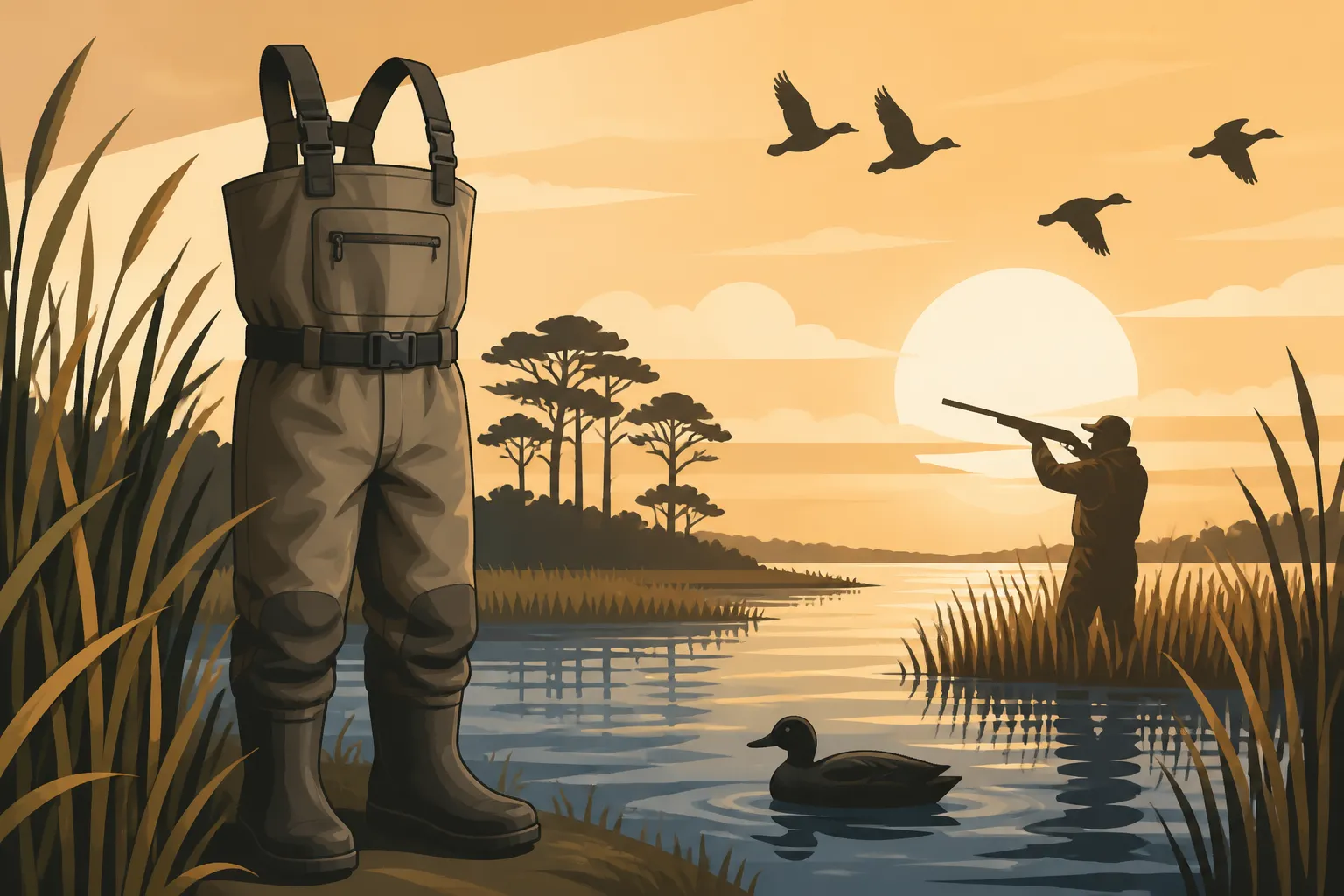
Hunting the vast, sprawling marshes of North Carolina's coast is a truly unique experience, a world away from timber hunting in the Piedmont or still-hunting mountain ridges. But this distinct environment, from Currituck Sound to the tidal creeks further south, demands specialized gear, and at the top of that list are reliable waders. Without them, you're not just uncomfortable; you're often out of the hunt entirely. Imagine trying to set decoys or retrieve a bird in chest-deep, freezing water without proper protection – it's simply not feasible, or safe.
Battling the Brine: Navigating Coastal Mud and Water
The sound-side marshes are a dynamic landscape, constantly shaped by tides, currents, and the relentless churn of wind and water. What might look like firm ground from a distance can quickly turn into a knee-deep bog of muck, or a hidden channel suddenly drops you into water over your head. Your waders are your first, last, and often only line of defense against these unpredictable conditions. They allow you to cross shallow flats, push through dense marsh grass, and even wade out to retrieve ducks that fall in deeper water without risking hypothermia or getting bogged down. Without the ability to move freely and confidently through this challenging terrain, much of the marsh becomes inaccessible, severely limiting your hunting opportunities.
This isn't just about comfort; it's about effective hunting. Think about setting up your spread of decoys. To create a truly realistic setup that fools wary waterfowl, you often need to get out into positions that are impossible to reach from the shore. This might mean wading a hundred yards or more through varying depths, sometimes sinking into soft mud with every step. Good waders mean you can focus on the decoy placement, adjusting lines and anchors, rather than constantly worrying about your feet getting wet or a leak forming. They are the enabler for effective Hunting Currituck Sound Diving Ducks or setting up for puddle ducks in a tidal creek.
Defying the Chill: Staying Warm Against the Coastal Winds
North Carolina's waterfowl season often coincides with some truly bracing weather. The raw, damp cold that whips across the sounds, especially in December and January, can penetrate even the warmest layers if you're not adequately protected. And when you're standing in waist-deep water for hours on end, the water itself acts as a massive heat sink, drawing warmth from your body at an alarming rate. This isn't just unpleasant; it's a serious health concern.
Insulated waders provide a critical barrier against this chilling effect. They trap a layer of warm air close to your body, much like a wetsuit, preventing rapid heat loss. The thicker the insulation, generally measured in grams, the better they'll perform in truly frigid conditions. A hunter shivering uncontrollably can't focus on calling, tracking birds, or making a clean shot. By keeping you warm, waders allow you to stay alert, responsive, and enjoy the hunt, even when the thermometer dips and the wind howls off the Atlantic. This is especially true when considering Layout Blind Hunting Coastal Plain Fields where you might be exposed to the elements even more directly.
Shielding Against the Unseen: Protection from Marsh Hazards
The marsh environment, while beautiful, is also full of hidden dangers. Sharp oyster shells can easily slice through regular boots or clothing. Submerged branches, forgotten fishing tackle, or even broken glass can cause serious injury if your lower body isn't properly armored. And let's not forget about the critters – anything from snapping turtles to venomous snakes, though less active in cold weather, can still be a concern in certain areas.
Waders provide a tough, durable shell that protects your legs and feet from these unseen threats. The robust materials and reinforced construction of quality waders are designed to withstand punctures and abrasions, offering peace of mind as you navigate unfamiliar terrain. This protection extends beyond just cuts and scrapes; it also prevents chafing and irritation from prolonged exposure to saltwater or abrasive marsh grass. It’s an essential piece of safety equipment that lets you move with confidence, knowing you’re shielded from the myriad sharp edges and rough surfaces that lurk beneath the murky water.
Deciphering Wader Types for North Carolina's Unique Environment
When you start looking at waders, you'll quickly realize there's a whole world of options out there. It’s not just about color or brand; the material and construction are designed for different conditions and preferences. For North Carolina's diverse waterfowl seasons and varied coastal landscape, understanding these types is crucial to making the right investment. What works for early teal season might leave you freezing during a late-season goose hunt, and vice-versa.
The Warm Embrace of Neoprene Waders
Neoprene waders are the traditional workhorse for many waterfowl hunters, and for good reason. Made from the same synthetic rubber material used in wetsuits, neoprene provides excellent insulation by trapping a thin layer of water against your skin (or your base layers) that quickly warms up from your body heat. This makes them incredibly effective at keeping you warm in cold water and chilly air. They typically come in thicknesses like 3mm or 5mm, with 5mm being the choice for truly frigid conditions common during the colder parts of the North Carolina Waterfowl Zones and Seasons.
The trade-off with neoprene is its bulk and breathability. While warm, neoprene doesn't breathe well, meaning if you're doing a lot of walking or if the weather is mild, you can quickly overheat and sweat. This sweat then chills you when you stop moving. They're also heavier and less flexible than breathable waders, which can make long treks through dense cover more tiring. However, for those long, stationary waits in a cold marsh, or when wading through truly icy waters, neoprene is often king for comfort and warmth. For hunters who typically hunt specific cold-weather splits or static positions, neoprene remains a fantastic choice.
The Versatility of Breathable Waders for Varying Conditions
Breathable waders represent the cutting edge in comfort and flexibility. Constructed from materials like Gore-Tex or similar proprietary fabrics, these waders are designed to allow perspiration vapor to escape while still preventing water from entering. This means you stay drier and more comfortable, especially if you're doing a lot of walking, carrying gear, or if the weather is milder. They're lighter, less bulky, and offer much greater freedom of movement than neoprene. Many modern hunters, especially those who prioritize mobility or hunt a wider range of temperatures during the Duck Migration Timing Through North Carolina, lean towards breathable options.
The primary consideration with breathable waders is insulation. While they keep you dry, they offer very little inherent warmth. Your insulation comes entirely from your layering system underneath. This is where the versatility shines: you can adjust your layers to suit the conditions, from a thin base layer on a warm September teal hunt to multiple fleece and wool layers for a January diver hunt. This adaptability makes them a popular choice, particularly for hunters who might face varying temperatures throughout the day or across different hunting trips. However, investing in a good layering system is paramount for warmth when choosing breathable waders.
Choosing Between Bootfoot and Stockingfoot Styles
This is another fundamental decision that impacts comfort and practicality.
Bootfoot waders have the boots permanently attached to the wader legs. This offers a seamless, waterproof connection and means you don't need to buy separate wading boots. They're quick and easy to put on and take off, which is a huge advantage when you're gearing up in the dark or shedding layers after a successful hunt. The integrated boot often features some insulation, making them a popular choice for cold-weather waterfowl hunting. The convenience is undeniable, especially if you're frequently in and out of the water.
However, bootfoot waders often sacrifice some fit and flexibility in the boot itself. The integrated boot may not fit as snugly or offer the same level of ankle support as dedicated wading boots. If the boot is too loose, it can make walking through thick mud or climbing over obstacles more cumbersome, and you risk getting your foot sucked out of the boot in deep muck. For hunters who do a lot of walking over varied terrain, this can be a real consideration.
Stockingfoot waders, on the other hand, feature neoprene "socks" at the bottom of the legs, and you wear separate wading boots over these socks. This setup provides a much more customizable fit, as you can choose wading boots specifically for your foot size, desired ankle support, and tread pattern. This often results in superior comfort and stability, especially when covering long distances or navigating uneven, slippery terrain common in marsh environments. You can opt for insulated wading boots or uninsulated ones depending on the conditions, adding another layer of versatility.
The main drawback is the added step of putting on and taking off separate boots, and the initial cost of buying both waders and boots. You also need to ensure your wading boots are designed for the specific challenges of marsh hunting, particularly in terms of traction and mud-shedding capabilities. Many serious waterfowl hunters prefer stockingfoot waders for the custom fit and performance, especially if they are logging serious miles or demanding maximum agility in the field.
Here’s a quick comparison:
| Feature | Neoprene Waders | Breathable Waders |
|---|---|---|
| Material | Neoprene (synthetic rubber) | Gore-Tex, Toray, other proprietary breathable fabrics |
| Insulation | Excellent inherent warmth (3mm, 5mm) | Minimal inherent warmth (relies on layering) |
| Breathability | Poor; can cause sweating | Excellent; wicks moisture away |
| Weight | Heavier, bulkier | Lighter, more packable |
| Flexibility | Less flexible | More flexible, better range of motion |
| Best Use | Cold, static hunts; deep water | Active hunts, variable temps; long walks |
| Drying Time | Longer to dry completely | Faster drying |
Critical Features That Make or Break Your Marsh Waders
Beyond the basic material type, the devil is truly in the details when it comes to waders for North Carolina’s sound-side marshes. A good pair of waders isn’t just about keeping water out; it’s about enduring harsh conditions, offering mobility, and providing the functionality you need when the action heats up. Skimping on these features can lead to a ruined hunt, or worse, a prematurely worn-out pair of waders that leave you frustrated and wet.
Unyielding Durability: Materials and Seam Construction
The marsh is a relentless environment. Oyster beds, sharp reeds, submerged stumps, and dense thorny bushes are all waiting to snag, abrade, or puncture your waders. This is why material durability is paramount. Look for waders constructed from robust, multi-layer fabrics, especially in high-wear areas like the knees, seat, and shins. Many high-quality breathable waders, for instance, incorporate heavier denier fabrics in these critical zones, specifically designed to resist tears and abrasions. For neoprene, thicker material generally means more resilience.
Just as important as the material itself is the seam construction. The seams are often the weakest point in any wader. Quality waders will feature welded, taped, or stitched-and-taped seams, which create a much stronger and more waterproof bond than simple stitching alone. Flat-lock seams or sonic welding reduce bulk and potential points of failure. When researching options, a company like GoHunt often provides detailed specs on how their waders are constructed, emphasizing these critical durability features. Always inspect the seams carefully; a poorly constructed seam is a guaranteed leak waiting to happen, often at the worst possible moment.
Strategic Insulation for North Carolina's Waterfowl Seasons
As discussed, North Carolina's coastal waterfowl season can swing wildly from relatively mild late-October mornings to truly frigid January days. Your wader's insulation needs to match the conditions you'll face. For neoprene waders, this is straightforward: choose 3mm for moderate cold and 5mm for severe cold. Consider that the water temperature will often be colder than the air temperature, making effective insulation crucial for your lower body.
For breathable waders, the insulation comes from your layers, but the integrated boots on bootfoot breathable waders still offer their own insulation. Look for boots with Thinsulate or similar insulation, typically in weights ranging from 800 to 1600 grams. More grams mean more warmth. A common mistake is to over-insulate for a long walk in, only to sweat profusely and then get cold once you’re stationary. Conversely, under-insulating will lead to shivering and discomfort. It's often better to have slightly more insulation than you think you need, especially in the boots, and then manage your core temperature through layering, easily adding or shedding as conditions dictate. This adaptability is key for navigating the changing conditions of Waterfowl Hunting Currituck Sound and the Coast.
Traction and Comfort: The Importance of Your Wader Boots
Whether you choose bootfoot or stockingfoot, the quality and design of the boots are non-negotiable for marsh hunting. You’ll be walking through deep, clinging mud, over slippery roots, and potentially on oyster shells. Poor traction can lead to falls, which are not only uncomfortable but potentially dangerous when carrying a firearm.
For bootfoot waders, look for aggressive lug patterns on the sole designed to shed mud and provide grip on soft, uneven surfaces. Reinforced toe and heel caps also add durability and protection. For stockingfoot waders, your choice of wading boot is even more critical. Many hunters opt for specialized wading boots with felt soles for slick riverbeds, but for marsh hunting, felt will quickly clog with mud and lose effectiveness. Instead, look for heavy-duty rubber outsoles with deep, widely spaced treads. Some boots even have integrated studs or offer the option to add them for extreme traction. Comfort is also vital; a well-fitting boot will prevent blisters and provide essential ankle support, crucial when you’re slogging through the sticky gumbo of a tidal flat for hours. Your boots are literally your foundation in the marsh, so choose wisely.
Achieving the Perfect Fit and Maximizing Comfort in the Field
There’s nothing worse than ill-fitting gear when you’re trying to focus on hunting. Waders that are too tight restrict movement and can be uncomfortable. Waders that are too baggy create excess material that can snag, chafe, and make wading cumbersome. The right fit isn't just about comfort; it's about safety, mobility, and ultimately, your enjoyment of the hunt. Many hunters get this wrong, either buying based on their regular clothing size or underestimating the need for layering.
The Art of Measuring: Getting Your Wader Size Right
Wader sizing can be notoriously tricky because it’s not just about your waist or inseam. You need to consider your chest measurement, torso length, and foot size, especially if you’re going with bootfoot waders. Most reputable wader manufacturers provide detailed sizing charts that include chest, inseam, and foot dimensions. Do yourself a huge favor: take accurate measurements of yourself while wearing the base layers you'd typically hunt in. Don't just guess your size. Use a cloth tape measure and get a friend to help if possible, especially for inseam and torso length.
When you try on waders (or consult a sizing chart), pay close attention to the following:
- Chest and Torso: You need enough room to layer comfortably, but not so much that the waders become baggy and catch water. You should be able to squat, bend, and raise your arms without feeling constricted.
- Inseam: The leg length needs to be appropriate so the boots sit comfortably without pulling or bunching excessively. Too short, and you'll feel stretched. Too long, and the excess material can sag and become a nuisance.
- Foot Size (Bootfoot): This is critical. You need enough room for a thick sock, but the boot shouldn't be so loose that your foot slides around. Ill-fitting boots lead to blisters and instability. If you're a half size, generally size up.
Remember, a slightly larger size that allows for adequate layering and freedom of movement is usually better than a tight fit that restricts you. This is where researching on platforms like GoHunt can be invaluable, as they often have user reviews detailing fit experiences.
Layering Strategies for Optimal Warmth and Mobility
Especially with breathable waders, your layering system beneath is what dictates your warmth. Even with neoprene, thoughtful layering enhances comfort. Avoid cotton as a base layer, as it loses its insulating properties when wet. Instead, opt for moisture-wicking synthetics or merino wool. These materials draw sweat away from your skin, helping you stay dry and warm.
A good layering strategy typically involves:
- Base Layer: A thin, moisture-wicking layer directly against your skin.
- Mid-Layer: A fleece, wool, or synthetic insulated layer to provide warmth. You might use one or two of these depending on the temperature.
- Outer Layer (within the wader): Sometimes a third, thicker insulation layer is needed for extreme cold, particularly over your legs.
The beauty of layering is its adaptability. You can add or shed layers as the temperature changes throughout the day, or as your activity level varies (e.g., long walk-in versus sitting still in the blind). Make sure your layers aren't so bulky that they make your waders uncomfortably tight, which can restrict blood flow and actually make you colder. Practice getting dressed in your waders with your chosen layers at home to ensure everything fits properly before you're fumbling in the predawn darkness.
Testing Your Waders for Field Readiness
Don't wait until opening morning to discover your waders don't fit or have a factory defect. Once you've received your waders and tried them on with your layers, it's wise to give them a "dry run" or even a "wet run" if possible.
- Mobility Test: Wear them around the house or yard. Can you bend, squat, kneel, and walk comfortably? Simulate the movements you'd make in a blind or retrieving a bird. Are the suspenders comfortable? Does the crotch feel restrictive?
- Leak Test (Optional but Recommended): For new waders, especially stockingfoot, a quick leak test in the bathtub can save you a lot of misery. Fill the waders with water (or climb into a tub of water yourself) and inspect for any immediate leaks. For breathable waders, if you can fill them with water and hang them for a bit, any pinhole leaks will usually become apparent as small drips. This is a crucial step if you're concerned about quality control or just want peace of mind before heading out to Reading a Sound-Side Marsh for a Morning Flight.
Addressing any fit or defect issues before your first hunt of the season is far less stressful than discovering them shivering in a blind at 5 AM. A little preparation goes a long way in ensuring a successful and comfortable waterfowl season.
Extending the Life of Your Waders: Care and Maintenance
Waders are an investment, and like any good piece of hunting gear, they’ll last much longer and perform better with proper care. Many hunters are meticulous about cleaning their firearms or sharpening their knives, but often neglect their waders. This is a mistake, especially with the harsh environment of coastal marsh hunting. Saltwater, mud, and prolonged dampness can quickly degrade materials and adhesives, leading to leaks and premature wear.
The Post-Hunt Ritual: Cleaning and Drying Your Waders
As soon as you get home from a marsh hunt, resist the urge to just toss your waders in a corner. The saltwater and mud need to be addressed promptly.
- Rinse Thoroughly: Use a hose to rinse all mud, grit, and saltwater from the outside of your waders. Pay extra attention to the boots, seams, and any folds where mud might collect. For stockingfoot waders, also rinse your wading boots.
- Clean the Inside: If you've sweated inside your waders (common with neoprene, but can happen with breathable too), turn them inside out and rinse the interior with fresh water. This removes sweat and body oils that can also degrade the material over time.
- Dry Completely: This is perhaps the most critical step. Hang your waders upside down first to allow any water to drain from the boots. Then, turn them right-side out and hang them in a well-ventilated area, out of direct sunlight. A dedicated wader hanger can help maintain their shape. Once the outside is dry, turn them inside out again to ensure the interior dries completely. Never store damp waders, as this is a recipe for mildew, funky odors, and material degradation. This can take 24-48 hours, so plan accordingly if you have back-to-back hunting days.
Proper cleaning not only extends the life of your waders but also prevents the spread of invasive species and helps maintain hygiene, which is something you certainly appreciate when you're pulling them on again in the dark before a hunt.
Smart Storage Solutions to Prevent Damage
Once your waders are thoroughly clean and dry, how you store them makes a big difference.
- Hang Them Up: The best way to store waders is to hang them. This prevents creasing, especially in neoprene, which can weaken the material over time and create stress points that lead to leaks. A heavy-duty plastic wader hanger, often designed to support the boots, is ideal. These prevent the shoulder straps from taking all the weight and deforming.
- Avoid Extreme Temperatures: Don't store your waders in a hot attic or a freezing garage for extended periods. Extreme heat can degrade glues and materials, while extreme cold can make neoprene brittle. A cool, dry place like a closet or basement is ideal.
- Keep Away from Pests: Mice and other critters love to chew on neoprene, leaving you with unexpected holes. Store them in a place where they are protected from rodents. If hanging isn't an option, roll them loosely rather than folding tightly, and store them in a secure, critter-proof container.
By taking these few extra steps, you can significantly extend the lifespan of your waders, meaning fewer frustrating leaks and more seasons chasing North Carolina Waterfowl on the Atlantic Flyway.
Field Repairs and Emergency Patching
Even with the most durable waders and the best care, accidents happen. A sharp twig, a slip on an oyster bank, or a barbed wire fence can result in a dreaded pinhole or tear. Being prepared for a quick field repair can save a hunt. It's always a good idea to carry a small wader repair kit in your Blind Bags and Cold-Weather Gear. These kits typically include:
- Aquaseal or similar waterproof adhesive: A small tube of this can seal small punctures.
- Patch material: Often pieces of neoprene or breathable fabric, depending on your wader type.
- Sandpaper or alcohol wipes: For cleaning and roughing up the surface around the hole to ensure good adhesion.
For small punctures, you can often apply a dab of Aquaseal directly. For larger tears, clean the area, rough it up with sandpaper, apply the adhesive, and then press a patch firmly over the hole. While not a permanent fix, a good field repair can get you through the rest of the hunt, keeping you dry until you can perform a more robust repair at home. Some larger tears might even require sewing before sealing. Learning how to perform a basic field repair is a valuable skill for any serious waterfowler.
Essential Wader Companions: Accessories for the Serious Hunter
Waders are the foundation, but a few well-chosen accessories can significantly enhance their performance, comfort, and longevity. These aren't just add-ons; they're often critical components that address specific frustrations and improve the overall hunting experience, especially in the demanding environment of North Carolina’s coastal marshes.
The Unsung Hero: Wader Belts and Suspenders
Most waders come with suspenders and a wader belt, but their importance is often underestimated.
Wader Suspenders: These are crucial for holding your waders up and distributing their weight comfortably across your shoulders. Look for suspenders that are adjustable, wide enough to prevent digging, and made from a durable, non-slip material. Some feature quick-release buckles, which are a blessing when nature calls or when you just need to shed a layer quickly. Well-designed suspenders ensure your waders don't sag, which can create excess material that causes chafing or gets in the way.
Wader Belt: This often overlooked piece of equipment is far more than just a fashion statement. A tight-fitting wader belt serves two crucial functions:
- Safety: In the event of a fall into deep water, a snug wader belt can help prevent your waders from filling completely with water. While they will still take on some water, it can buy you precious seconds, or even minutes, to regain your footing or make your way to shallower ground. This is a critical safety feature, especially when wading in potentially swift currents or deep channels.
- Support: A wader belt also offers some lumbar support, which can be a huge benefit when you’re carrying a heavy load of decoys or slogging through deep mud for extended periods. It helps to keep the waders correctly positioned and prevents them from riding down. Many experienced marsh hunters opt for a heavy-duty, reinforced wader belt for maximum security and support.
Enhancing Traction: Boot Studs and Grips
If you opt for stockingfoot waders and separate wading boots, or if your bootfoot waders' traction isn't quite cutting it, boot studs or grip systems can be a game-changer. The bottom of North Carolina's sound-side marshes can be unbelievably slick. Between the slick mud, submerged logs, and often slimy oyster shells, maintaining footing is a constant challenge.
Boot studs, often made of carbide or hardened steel, screw directly into the soles of your wading boots. They provide aggressive, pinpoint traction that can bite into slippery surfaces where traditional rubber lugs might fail. This is especially helpful when navigating rocky bottoms, slick clay, or dense marsh grass. Some boots have pre-drilled holes for easy stud installation, while others require you to screw them in directly. Just be mindful that studs can be noisy on hard surfaces and can scratch boat decks, so consider removable options if this is a concern. For those truly treacherous stretches of marsh, studs can mean the difference between staying upright and taking an unexpected, chilling dip.
Handy Holders: Chest Pockets and D-Rings
While not strictly about keeping you dry, the organizational features of your waders play a significant role in convenience and efficiency during a hunt.
- Chest Pockets: Many waders feature large, fleece-lined hand-warmer pockets and waterproof chest pockets. The hand-warmer pockets are a godsend on cold mornings, offering a quick refuge for chilled fingers. Waterproof chest pockets are ideal for keeping essential items like your phone, keys, or hunting license dry and accessible. Some pockets are designed to be "pass-through" so you can warm your hands without removing them from gloves.
- D-Rings and Gear Loops: These small attachment points are incredibly useful for clipping on lanyards, call holders, dog whistles, or even a small first-aid kit. Keeping essential items close at hand and secure prevents fumbling in your blind bag or losing things in the muck. You'll often find these on the suspenders or the top edge of the wader chest. For instance, a lanyard with your duck calls and dog whistle attached to a D-ring means they're always within reach when that flock of mallards suddenly banks overhead. These details contribute to a smooth, efficient hunt, allowing you to focus on the birds rather than searching for gear.
Choosing the right waders and accompanying accessories means you're not just ready for the hunt; you're prepared for the unique, challenging, and incredibly rewarding experience of North Carolina sound-side marsh hunting. With the right gear, you can truly immerse yourself in the wild beauty of the coast, knowing you’ll stay warm, dry, and safe.
Disclaimer
This article is for general informational purposes only and does not constitute professional advice. Laws, prices and regulations vary by location and change over time. Consult a qualified professional for guidance on your specific situation.