How Close a North Carolina Mentor Must Stay
Many new hunters, especially youth, are eager to get out into the North Carolina woods, but their mentors often find themselves scratching their heads about the exact rules for supervision. The question of "How close a North Carolina mentor must stay" isn't just a legal technicality; it's a critical safety and ethical consideration that impacts the entire hunting experience. This comprehensive guide will clear up the confusion, explaining the official requirements and offering practical advice to ensure a safe, educational, and enjoyable hunt for both mentor and mentee, fostering a lifelong love for the outdoors.
Understanding North Carolina's Mentored Youth Hunting Rules
Navigating the regulations around mentored hunting can feel like trying to find your way through a thick briar patch without a map. Thankfully, North Carolina's rules for mentored youth are designed to be straightforward, prioritizing safety and education. Before you even pack your gear, it's essential to understand the foundation of these regulations.
Who Qualifies as a Mentor and a Mentee
First and foremost, let's define the roles. A mentor in North Carolina must be a licensed adult, at least 18 years of age. This individual is responsible for the safety and actions of the mentee. They need to hold a valid North Carolina hunting license for the game being pursued. For instance, if you're taking a youth deer hunting, you, as the mentor, must possess the appropriate big game privileges.
A mentee is typically a youth under 16 years of age who has not yet completed the state's required hunter education course. The beauty of the North Carolina Mentored Youth Hunting Rules is that it allows these aspiring young hunters to gain invaluable real-world experience in the field before completing their formal education. This "apprentice" period is crucial for sparking interest and providing hands-on learning, but it comes with specific supervision requirements to ensure everyone's safety. It's a fantastic program for introducing the next generation to hunting traditions without immediate barriers.
The Legal Proximity Requirement
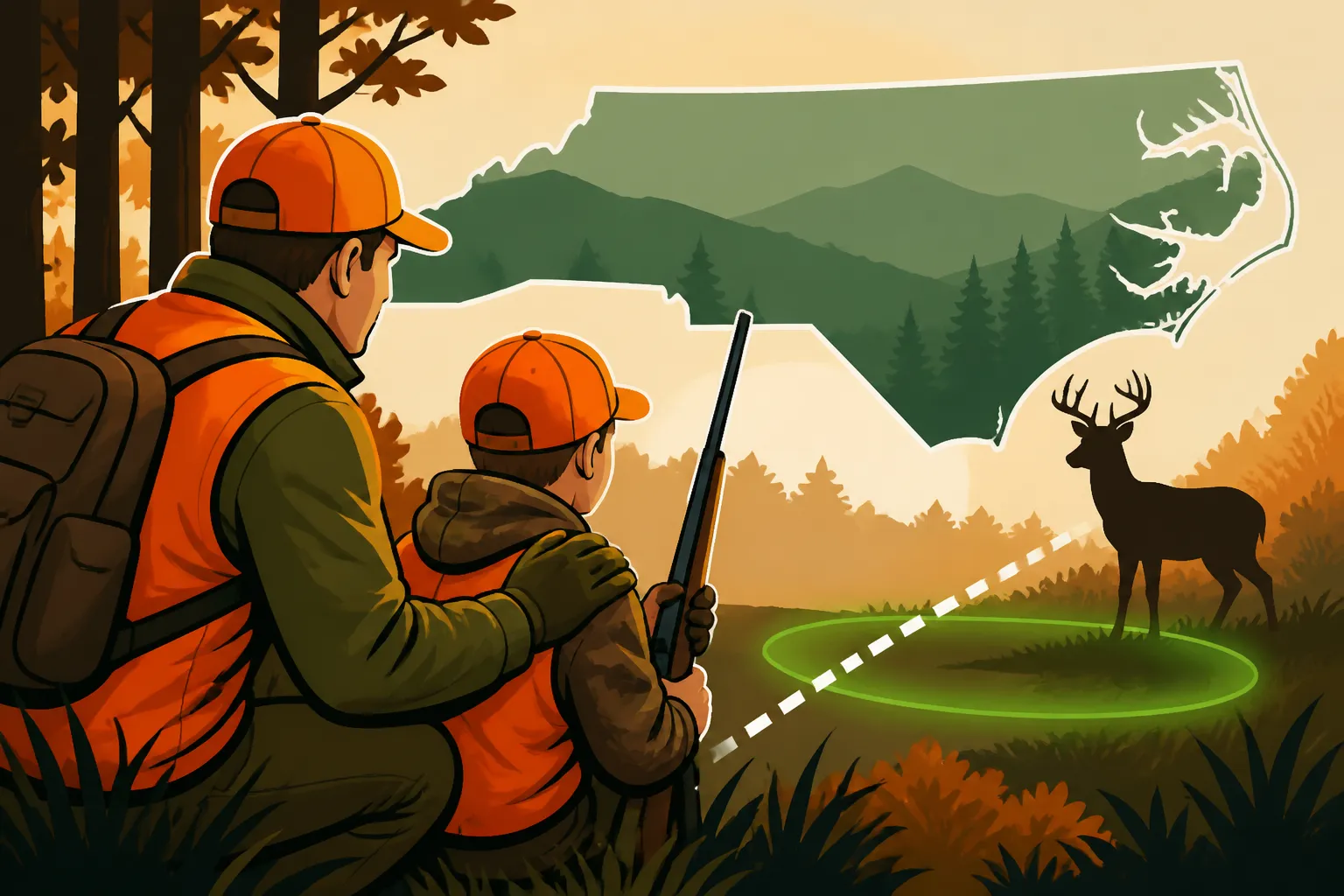
This is where the rubber meets the road, and often where the most confusion lies. The North Carolina Wildlife Resources Commission (NCWRC) defines "direct supervision" as the mentor being "within sight and normal voice contact of the apprentice hunter." Notice there isn't a specific foot-count or yardage stated in the regulations. Instead, it relies on the practical ability to see and communicate with your mentee.
What this means in practice is that you must be close enough to verbally instruct, warn, or intervene if necessary, and also be able to visually confirm your mentee's actions and surroundings. If your mentee is in a dense thicket 50 yards away where you can't see them, or if the wind is howling making normal conversation impossible, you're not in compliance, regardless of the actual distance. This flexibility allows for different terrains and hunting styles while maintaining the core principle of immediate oversight. Think of it as a dynamic bubble of awareness that moves with both of you.
Why the Proximity Rule Exists
The reasoning behind the "within sight and normal voice contact" rule is multi-faceted and deeply rooted in safety, education, and ethics. Primarily, it's about safety first. Hunting involves firearms or archery equipment, and while accidents are rare, direct supervision ensures that an experienced hand is immediately available to correct unsafe gun handling, prevent accidental discharges, or guide a safe shot. A mentor can quickly identify potential hazards, like an unseen obstruction or an unsafe background, and direct the mentee away from danger.
Beyond immediate safety, this proximity is critical for skill transfer and immediate feedback. Imagine a young hunter trying to identify a deer in thick cover, or struggling with proper shooting form. Being close allows the mentor to whisper instructions, point out details, and demonstrate techniques on the spot. This isn't just about pointing out deer tracks; it's about teaching them how to interpret wind and thermals on a Blue Ridge slope or how to properly read a ridge for mountain zone deer movement. This active coaching makes the learning process much more effective and reinforces good habits right from the start.
Finally, the rule helps instill ethical behavior enforcement. A mentor can immediately address any ethical dilemmas that arise, such as taking an unsafe shot, misidentifying an animal, or exhibiting disrespectful behavior towards wildlife. It’s an opportunity to teach the principles of fair chase, respect for the animal, and responsible land stewardship, ensuring the mentee understands the broader context and moral responsibilities that come with hunting.
Practical Implications of Mentor Proximity in the Field
Knowing the rule is one thing, but actually putting it into practice in the dynamic environment of the North Carolina outdoors is another. The "within sight and normal voice contact" guideline needs to be interpreted with practical wisdom, adapting to various hunting scenarios and ensuring a smooth, safe, and educational experience.
Safety Considerations and Communication
When you're out in the woods with a mentee, maintaining visual contact and clear communication is paramount. This means more than just occasionally glancing their way. It's about being constantly aware of their position, their weapon's muzzle direction, and their surroundings. In dense coastal plain pocosin swamps or thick Piedmont timber, "within sight" might mean a much shorter physical distance than in an open agricultural field. You need to adjust your spacing based on the terrain and vegetation.
Auditory communication is equally vital. Your ability to speak in a normal voice, without yelling, and be heard by your mentee ensures you can give quick instructions or warnings. This is particularly important when tracking game or moving through unfamiliar territory. Consider using pre-arranged hand signals for silent communication, but always stay close enough for verbal commands when noise isn't an issue or is necessary. For example, if you're walking through a field and you spot an obstruction, a quick, quiet "stop" can prevent a fall or an accidental trip. This immediate feedback loop is a cornerstone of safe hunting practices, especially when teaching someone new.
Learning Opportunities and Active Guidance
The close proximity mandated by the regulations creates an unparalleled opportunity for active, hands-on teaching. This isn't just about letting them pull the trigger; it's about immersing them in every aspect of the hunt. You can teach them proper shot placement on a North Carolina black bear, how to use a grunt call in mature North Carolina timber, or identify different types of game sign. Imagine sitting side-by-side in a ground blind, quietly discussing why a certain track looks fresh, or how the wind is swirling around your setup.
You can also provide immediate assistance with gear, like helping them load a muzzleloader for a North Carolina December hunt, ensuring the safety is engaged, or helping them adjust their optics. When a deer appears, you're right there to talk them through the shot process – breathing, aiming, trigger control. This continuous dialogue transforms the hunt into a dynamic classroom, building confidence and competence far more effectively than any book or video ever could. It’s about more than just finding a deer; it’s about understanding the entire ecosystem and the role they play within it.
Navigating Different Hunting Scenarios
The "within sight and normal voice contact" rule can play out differently depending on your chosen hunting method. If you're hunting from a treestand, a two-person stand is often the best solution, allowing you to be physically next to your mentee. This setup ensures constant communication, shared viewing, and immediate intervention. If separate stands are used, they must be very close, often within the same tree cluster, and positioned so that both hunters have clear sightlines to each other, maintaining voice contact. Safety harnesses and lifelines are absolutely non-negotiable in any treestand scenario, but especially when mentoring.
When utilizing a ground blind on North Carolina public land, a larger blind offers ample space for a mentor and mentee to sit comfortably side-by-side, maximizing proximity and minimizing movement. This is an excellent option for newer hunters who might be uncomfortable with heights or need more stability for shooting. For still-hunting or stalking, the mentor and mentee need to move as a cohesive unit, with the mentor typically leading or walking slightly behind but always within reach and sight. This teaches quiet movement, observation, and reading the terrain. Even during deer drives on North Carolina public land, if the mentee is a stander, the mentor must be right there with them, ensuring they understand the shooting lanes and safety protocols. The key is never to compromise the ability to see and speak to your mentee, regardless of the situation.
Choosing the Right Setup for Mentored Hunts
Successful mentored hunts aren't just about showing up; they're about thoughtful preparation, especially when it comes to your setup. Every decision, from the gear you bring to where you place your stand, directly impacts your ability to maintain legal proximity and create an effective learning environment.
Gear Considerations for Staying Close
When hunting with a mentee, your gear choices should actively facilitate maintaining that "within sight and normal voice contact" rule. For elevated hunting, two-person treestands are often the best investment. Brands like Muddy, Big Game, or Millenium offer comfortable and safe two-person stands that ensure you and your mentee are shoulder-to-shoulder, able to whisper and share observations. Safety harnesses are mandatory for both of you, and it's a great opportunity to teach proper use.
If you prefer hunting from the ground, a large ground blind like those from Primos, Barronett Blinds, or Ameristep can easily accommodate two people and all their gear. This setup is particularly effective for younger hunters as it reduces exposure to the elements, minimizes movement visibility, and provides a comfortable, enclosed space for learning. You can also share optics more easily when you're close together. Consider bringing an extra pair of binoculars, or even a spotting scope, so you can both observe animals simultaneously. Remember, your clothing needs to be appropriate for the weather, and you both must adhere to North Carolina's Blaze Orange Requirements. A good pair of comfortable, quiet boots is also essential for stealthy movement, whether you're walking in or shifting in a stand.
Scouting and Stand Placement with a Mentee
Effective scouting is always crucial, but it takes on added importance when mentoring. You want to find locations where the chances of a close encounter are high, minimizing the need for long shots and maximizing the learning opportunity. This means focusing on funnels, pinch points, and established travel corridors. Using modern mapping tools like the GoHunt app can be incredibly helpful here. You can sit down with your mentee, show them aerial photos of potential hunting spots, identify bedding areas, and trace likely deer routes. This shared scouting process teaches them how to read the landscape before you even set foot in the woods.
When it comes to stand placement, think about areas that offer good visibility for both of you, but not so open that it becomes difficult to stay concealed. A field edge with thick cover behind you, or a saddle along a ridge line, can provide excellent opportunities. Consider placing your stand or blind in areas known for consistent deer movement, like where deer might be working a creek bottom for late-season deer or crossing an entry route through standing soybeans. Also, be mindful of hunting pressure on North Carolina public land; sometimes the less-traveled spots offer better success and a more relaxed learning environment. The goal is to maximize the chance of seeing game while ensuring a safe, ethical shot presentation that is manageable for a new hunter.
Dealing with Unexpected Situations
Even the most meticulously planned hunt can throw curveballs. Being close to your mentee allows for immediate response and guidance during these moments. If you have a shot opportunity but the deer bolts and you need to track it, you're right there to begin the process of blood trailing after dark in North Carolina if needed. This teaches patience, proper tracking techniques, and the importance of thorough recovery efforts.
Safety hazards are another critical area where proximity matters. A mentor can quickly identify and warn a mentee about a venomous snake, a thorny bush, or unstable ground. If a piece of gear malfunctions or a minor injury occurs, you're there to provide immediate assistance. Additionally, North Carolina weather can change rapidly. If a sudden rainstorm rolls in or temperatures drop unexpectedly, being together allows you to quickly assess the situation, adjust clothing, or decide to pack up safely. These aren't just challenges; they're teachable moments that build resilience and preparedness in a young hunter.
Beyond the Legal Minimum: Fostering a Hunting Future
While adhering to the letter of the law regarding mentor proximity is crucial, true mentorship extends far beyond simply meeting legal requirements. It’s about cultivating a lasting passion for hunting, instilling a deep respect for nature, and creating cherished memories that will last a lifetime.
Building Confidence and Skills
The greatest gift a mentor can give is confidence. This means more than just telling your mentee what to do; it means empowering them to participate actively in every stage of the hunt. Let them help with scouting, even if it's just pointing out a good looking tree. Involve them in hanging a stand on a Pisgah ridge (with appropriate safety measures, of course), or brushing in a blind on a field edge. When a shot opportunity arises, patiently talk them through the mechanics, but also encourage them to make their own decisions within safe parameters. If they miss, offer encouragement and analyze what happened together, rather than criticizing.
Celebrate the small victories – spotting a squirrel, identifying a bird, or simply sitting still and observant for an extended period. These moments build a foundation of enjoyment and self-efficacy. Teach them how to properly hold their rifle, how to read a North Carolina mud for fresh deer movement, and how to check a North Carolina deer harvest online. The more involved and successful they feel, the more likely they are to continue hunting for years to come. Remember, the journey is just as important as the destination.
Instilling Ethical Hunting Practices
A mentor serves as the primary role model for ethical hunting. Being close to your mentee allows you to immediately address ethical considerations and reinforce good judgment. Discuss the concept of fair chase and responsible harvesting. Explain why knowing your target and what lies beyond it is so important, reinforcing the North Carolina Legal Firearms for Deer Hunting guidelines. Talk about the role of hunters in conservation and how license fees directly contribute to wildlife management.
In areas affected by disease, like North Carolina's Chronic Wasting Disease Areas, it’s an opportunity to educate them about the importance of proper carcass handling and mandatory testing, showcasing a hunter’s role in protecting the herd. Share stories of responsible hunting and emphasize respect for the animal after the shot. These conversations during quiet moments in the stand or blind are invaluable for shaping a young hunter's moral compass and ensuring they become a responsible steward of our natural resources. It’s about teaching them that hunting is a privilege, not a right.
Making the Experience Enjoyable
At the end of the day, hunting should be fun and memorable. While the thrill of the harvest is powerful, it shouldn't be the only reason to go afield. Focus on the adventure, the camaraderie, and the simple joy of being outdoors. Bring plenty of snacks and drinks, especially if you're planning a long sit. Dress comfortably and encourage your mentee to do the same. If the weather turns foul, don't be afraid to cut the hunt short; forcing an uncomfortable experience can quickly sour a new hunter on the activity.
Share North Carolina Deer Camp Traditions, even if it's just telling stories around a portable heater in a ground blind. Point out interesting birds, discuss the different trees, or simply sit in companionable silence, appreciating the quiet beauty of the woods. Encourage them to help process game, teaching them the full circle of the hunting experience. Utilizing tools like the GoHunt app together can make planning the next adventure an exciting activity in itself. By making the experience enjoyable, you're not just creating a hunter; you're nurturing a conservationist, an outdoors enthusiast, and a partner for future adventures.
| Aspect | Mentor Requirements | Mentee Requirements | Proximity Rule | Key Goal |
|---|---|---|---|---|
| Age | 18+ years old | Under 16 years old (no Hunter Ed required) | Mentor within sight & normal voice contact | Safety, Skill Transfer |
| License | Valid NC Hunting License (with relevant privileges) | North Carolina Apprentice Hunter License (or exempt) | N/A (rule is about mentor's physical presence) | Legal Compliance, Participation |
| Hunter Education | May be required (if not born before Jan 1, 1951) | Not required under direct supervision | N/A | Remove barrier to entry, facilitate learning |
| Communication | Active verbal instruction & observation | Listening, asking questions, following directions | Within sight & normal voice contact | Immediate Feedback, Hazard Prevention |
| Intervention | Immediate ability to correct unsafe actions/guide shots | Learning to follow direction, safe weapon handling | Within sight & normal voice contact | Prevent accidents, ensure ethical shots |
| Learning Environment | Hands-on guidance, real-time teaching | Experiential learning, observation, active participation | Facilitates shared experience & direct instruction | Foster skills, build confidence |
Disclaimer
The information provided in this guide is for general informational purposes only and does not constitute legal advice. Hunting regulations in North Carolina can change, and it is the hunter's responsibility to review and comply with all current North Carolina Wildlife Resources Commission (NCWRC) rules and regulations. Always consult the official NCWRC website or publications for the most up-to-date and accurate information before going afield.