Why the Nonresident Bear Stamp Costs So Much
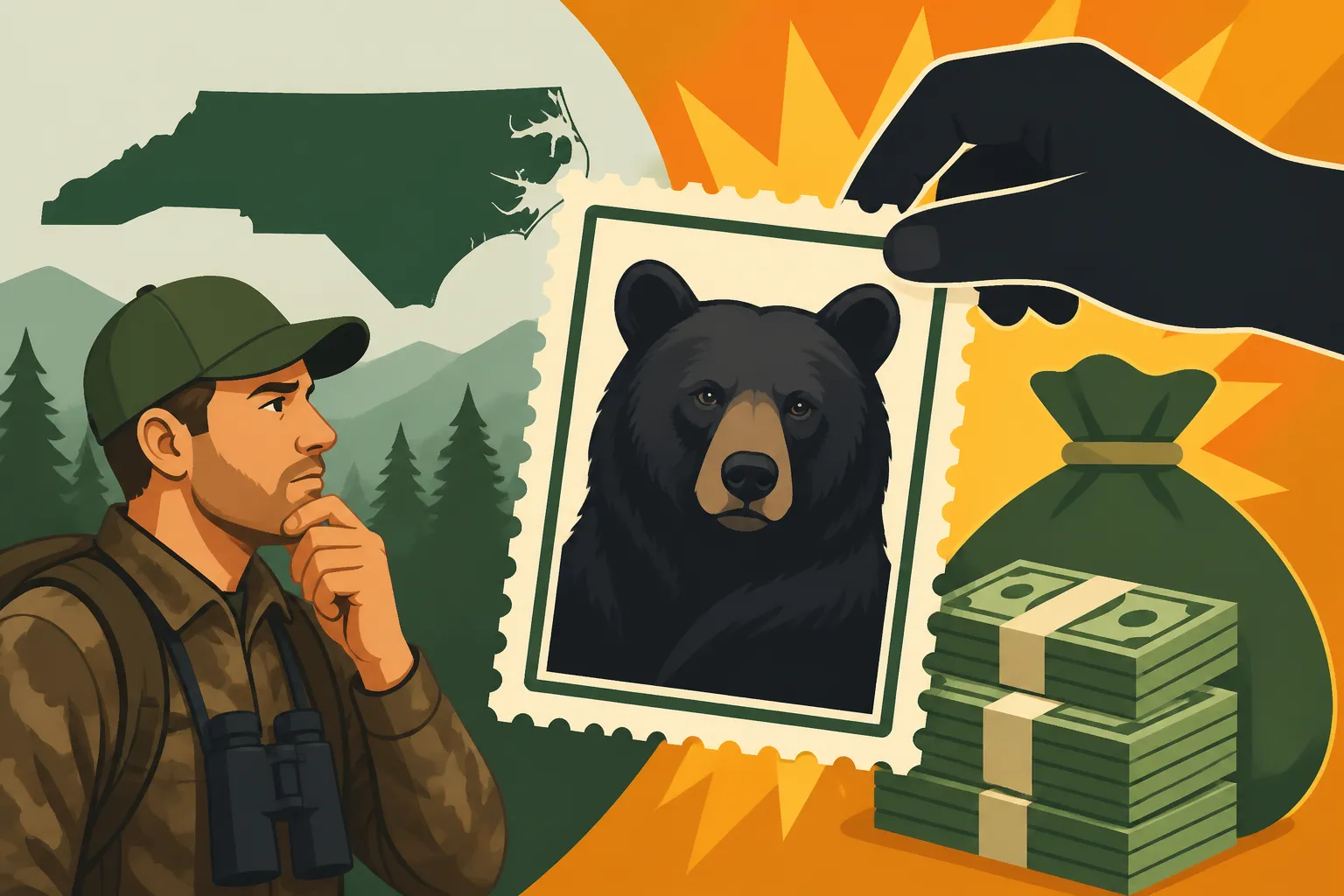
It’s a tale as old as time for many hunters: you’re dreaming of chasing big game in another state, you start looking at license fees, and then BAM! You hit the nonresident bear stamp cost for North Carolina, and your jaw drops. It’s a common frustration, feeling like you’re being charged an arm and a leg just for the privilege of stepping foot in someone else’s woods. But trust me, there’s a method to the madness, and this guide is going to break down exactly why that North Carolina nonresident bear stamp carries such a hefty price tag.
The Sticker Shock: Understanding the Nonresident Bear Stamp Cost
Let’s be honest, that initial glance at the fee schedule can be startling. You see the numbers, and your first thought might be, "Are they trying to keep us out?" It's a valid question, especially when you compare it to what residents pay. But before you throw your hands up in exasperation, let's peel back the layers and understand the true figures and the reasoning behind them. The goal here isn't to deter you, but to inform you so you can make the best decisions for your hunting adventures in the Tar Heel State.
The Bare Bones Numbers: What You Actually Pay
When you're a nonresident planning to hunt black bears in North Carolina, the bear stamp isn't the only cost you'll incur, but it's a significant one. As of recent seasons, the Nonresident Bear Management E-Stamp alone will set you back approximately $125.00. This is a specific stamp dedicated solely to bear hunting, and it's mandatory if you plan to pursue these incredible animals.
However, that $125 is just one piece of the puzzle. To even be eligible to purchase that bear stamp, you'll first need a foundational hunting license. This typically means purchasing a Nonresident Annual Hunting License, which is often around $100. On top of that, you'll also need a Nonresident Big Game Hunting Privilege which can add another $150 or so to your total. Suddenly, your bear hunting expedition is looking at an upfront investment of well over $300 just for licenses and stamps, before you even factor in travel, lodging, or gear.
This can feel like a lot, especially if you're used to different fee structures in your home state. But it's crucial to understand that each component serves a purpose, contributing to the broader management and conservation efforts within North Carolina. Knowing these numbers upfront allows you to budget properly and manage expectations, rather than being caught off guard when you're ready to hit the woods. If you're using a platform like GoHunt, you can usually find these fee structures clearly laid out, helping you plan your expenses more accurately.
Comparing Apples to Oranges: Resident vs. Nonresident Fees
The stark contrast between resident and nonresident fees is often where the real head-scratching begins. While a nonresident is shelling out $125 for the bear management stamp, a North Carolina resident only pays around $10.00 for the same stamp. That's a massive difference, and it naturally leads to questions about fairness.
Let's look at a quick comparison table to visualize this disparity:
| License/Stamp Type | North Carolina Resident Cost (Approx.) | Nonresident Cost (Approx.) |
|---|---|---|
| Annual Hunting License | $20 – $25 (or included in combo) | $100 |
| Big Game Hunting Privilege | $15 – $20 | $150 |
| Bear Management E-Stamp | $10 | $125 |
| Total Minimum Cost to Hunt Bear | ~$45 – $55 | ~$375 |
Note: These are approximate costs and can change. Always check the official North Carolina Wildlife Resources Commission (NCWRC) website for the most current pricing.
The difference is undeniable. What might seem unfair at first glance, however, is rooted in fundamental principles of state wildlife management. Residents contribute to the state's infrastructure and conservation efforts through various taxes, year-round. They fund schools, roads, and a host of other state programs, a portion of which indirectly supports the NCWRC and its mission. Nonresidents, while they do contribute through these license fees, don't have that same continuous, broader tax contribution. Therefore, the higher fee for the privilege to hunt is seen as a way to balance that contribution and ensure everyone using the state's resources is paying their fair share. It’s not about keeping you out; it’s about equitable contribution to a shared resource.
Beyond the Price Tag: Why Nonresidents Pay More
It's easy to get fixated on the dollar amount, but the reasoning behind these higher nonresident fees is multifaceted and deeply tied to the philosophy of wildlife conservation and public resource management. States, including North Carolina, operate under the North American Model of Wildlife Conservation, which dictates that wildlife belongs to all citizens and is managed by government agencies for current and future generations. License sales are the primary funding mechanism for these agencies.
Funding Wildlife Conservation Efforts
The most significant reason for the higher nonresident bear stamp, and all nonresident licenses, is funding. The North Carolina Wildlife Resources Commission (NCWRC) is primarily funded by hunting and fishing license sales, federal excise taxes on hunting and fishing equipment (through the Pittman-Robertson and Dingell-Johnson Acts), and boat registration fees. Unlike many other state agencies, the NCWRC receives very little general tax revenue. This means that hunters and anglers are directly paying for the management of the state’s wildlife and natural habitats.
When you purchase that nonresident bear stamp, a substantial portion of that money goes directly into critical conservation programs. This includes everything from bear research projects, like tracking populations and understanding their movements in areas such as the Coastal Plain Pocosin Swamps and Hunting the Mountain Bear Zones, to habitat restoration efforts across public lands. It funds wildlife biologists who monitor bear health and population trends, game wardens who enforce regulations to prevent poaching, and staff who manage Game Lands for optimal wildlife habitat.
Think about it: North Carolina boasts a thriving black bear population, one of the largest in the Southeast, and that's no accident. It's the result of decades of careful management, which requires significant financial resources. Without these funds, the health and abundance of the state's wildlife, including its impressive bears, would undoubtedly suffer. So, while it feels like a high cost, it's an investment in the very resource you're hoping to enjoy.
Managing Hunter Pressure and Opportunity
Another critical reason for differential pricing is the management of hunter pressure and maintaining opportunity for resident hunters. North Carolina has a finite amount of huntable land and a specific number of bears it can sustainably harvest each year. If nonresident licenses were priced identically to resident licenses, there could be an overwhelming influx of hunters. This could lead to overcrowded public lands, reduced success rates for everyone, and potentially unsustainable harvest levels for the bear population.
By setting higher fees for nonresidents, the state essentially uses price as a tool to regulate demand. It ensures that while nonresidents are welcome and contribute significantly to conservation funding, their numbers remain at a level that doesn't unduly impact the quality of the hunting experience for residents who contribute year-round to the state. This helps preserve the integrity of the hunting seasons and ensures that the wildlife resource isn't overtaxed. For detailed information on specific hunt opportunities, particularly for quota hunts or special seasons, sources like GoHunt can often provide valuable insights into application success rates, which are directly impacted by hunter pressure.
It's about balancing access with sustainability. North Carolina wants to share its rich hunting heritage, but it also has a primary responsibility to its resident hunters and, more importantly, to the wildlife itself. This management strategy helps ensure that future generations, both resident and nonresident, will continue to have opportunities to pursue bears across North Carolina's diverse landscapes.
Investing in North Carolina's Black Bears: Where Your Money Goes
It’s easy to feel like your money just disappears into a bureaucratic black hole, but in reality, that nonresident bear stamp fee is a direct investment in the long-term health and abundance of North Carolina’s black bear population. The North Carolina Wildlife Resources Commission (NCWRC) uses these funds strategically to ensure sustainable hunting opportunities for years to come.
Supporting Research, Habitat, and Enforcement
The funds generated from bear stamps and other big game licenses are critical for the NCWRC's comprehensive bear management program. A significant portion goes into research. Biologists conduct studies on bear population dynamics, cub survival rates, denning behaviors, and migration patterns. This isn't just academic curiosity; it directly informs management decisions, such as setting appropriate season lengths, bag limits, and even determining the boundaries of North Carolina's Twenty-Two Bear Management Zones. For example, understanding when North Carolina Bear Denning Behavior occurs helps set hunting seasons to avoid disturbing sows with cubs.
Habitat improvement and protection are also massive beneficiaries. Bears need large tracts of undisturbed land with ample food sources. Your license dollars contribute to projects that enhance these habitats, whether it's through controlled burns to promote new growth, planting mast-producing trees, or acquiring and preserving crucial wildlife corridors. This work ensures bears have the necessary resources to thrive, ultimately leading to a healthier and more robust population.
Finally, enforcement is paramount. Wildlife enforcement officers patrol vast areas, ensuring hunters adhere to regulations, protecting bears from poaching, and investigating wildlife crimes. Their presence is vital for maintaining ethical hunting practices and safeguarding the resource for legal hunters. The high fees help fund the training, equipment, and salaries for these dedicated professionals, ensuring that the rules designed to protect the bear population are respected and upheld. When you consider the vastness of areas like Pisgah National Forest Hunting or Croatan National Forest Hunting, the resources needed for effective enforcement are substantial.
Ensuring a Sustainable Bear Population for Everyone
Ultimately, the higher cost of the nonresident bear stamp is an investment in sustainability. North Carolina's black bear population is a conservation success story. From historical lows, bears have rebounded remarkably and expanded their range across the state. This wasn't by chance; it was through diligent management efforts, largely funded by hunters.
By contributing to these efforts, you, as a nonresident hunter, are helping to ensure that the bears you seek today will be there for your children and grandchildren to pursue tomorrow. These funds help the NCWRC:
- Monitor Population Health: Regularly assess the health of the bear population, identifying any disease concerns or changes in their distribution.
- Balance Human-Wildlife Conflicts: With bears expanding into more suburban areas, funds help educate the public and manage potential conflicts, which is increasingly important as bears move into Piedmont Suburbs.
- Adapt to Environmental Changes: Research helps understand how factors like climate change or habitat fragmentation might impact bears and allows the NCWRC to develop adaptive management strategies.
Without this consistent funding from license sales, including those from nonresidents, the comprehensive management of North Carolina's impressive black bear population would simply not be possible. It's a system designed to ensure that the privilege of hunting these magnificent animals remains a viable and ethical pursuit for generations to come. Your contribution helps maintain the healthy population of How Many Black Bears North Carolina Has.
Navigating Your North Carolina Bear Hunt as a Nonresident
Understanding why the nonresident bear stamp costs what it does is one thing, but actually navigating the process and planning your hunt is another. Don't let the upfront costs deter you. With careful planning and a clear understanding of the rules, a North Carolina bear hunt can be an incredibly rewarding experience.
Essential Licenses Beyond the Bear Stamp
As we touched on earlier, the bear stamp is just one component of your hunting license requirements. As a nonresident, you'll need a few other crucial items before you can hit the woods:
- Nonresident Annual Hunting License: This is your basic hunting permit, allowing you to legally hunt in North Carolina for a full year. It’s the foundation upon which all other privileges are built.
- Nonresident Big Game Hunting Privilege: This privilege is required to hunt deer, bear, and turkey. You can't just buy the bear stamp; you need this overarching big game privilege first.
- Game Lands License (if applicable): If you plan to hunt on any of North Carolina's extensive Game Lands (which you absolutely should consider for bear hunting), you'll also need a separate Game Lands License. These lands are specifically managed for public hunting and offer vast opportunities, but require this additional permit for access. Remember, some of the best bear hunting can be found on these public tracts, from the vast national forests to specific game lands with high bear densities.
- Federal Duck Stamp and HIP Certification (if multi-species hunting): While not relevant for bear hunting, if you plan to combine your trip with other species like waterfowl, you’d also need a Federal Duck Stamp and a Harvest Information Program (HIP) certification.
It's highly recommended to visit the official NCWRC website well in advance of your trip or use a reputable online platform like GoHunt to ensure you purchase all necessary permits. The system can be a bit layered, and you don't want to find yourself in the woods without proper documentation. Always check current regulations regarding North Carolina Nonresident Hunting License Options and North Carolina Big Game Privilege Requirements.
Planning Your Hunt to Maximize Your Investment
Given the investment required for nonresident bear hunting, maximizing your experience is key. Here are a few tips for planning your hunt:
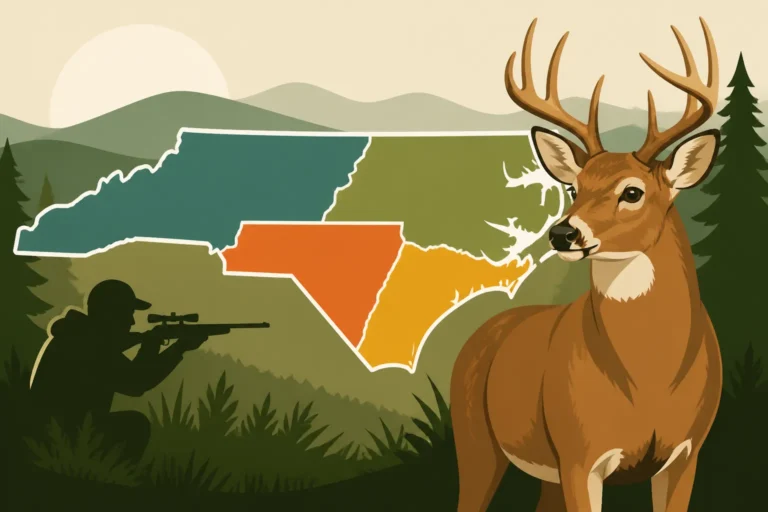
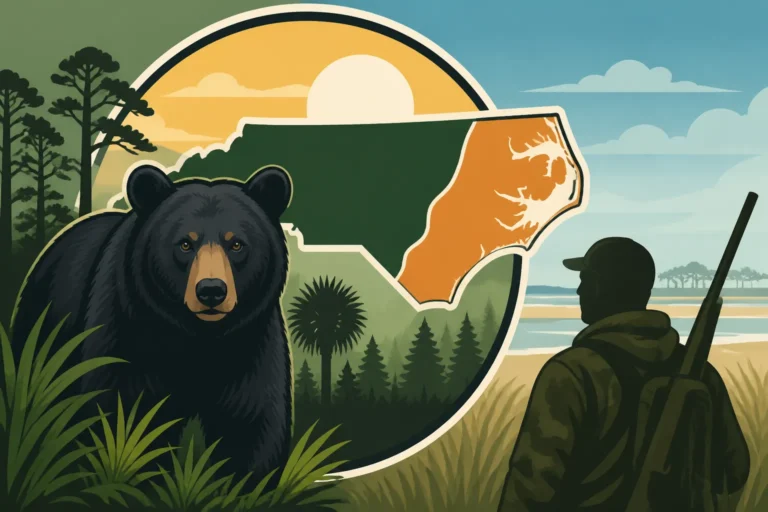
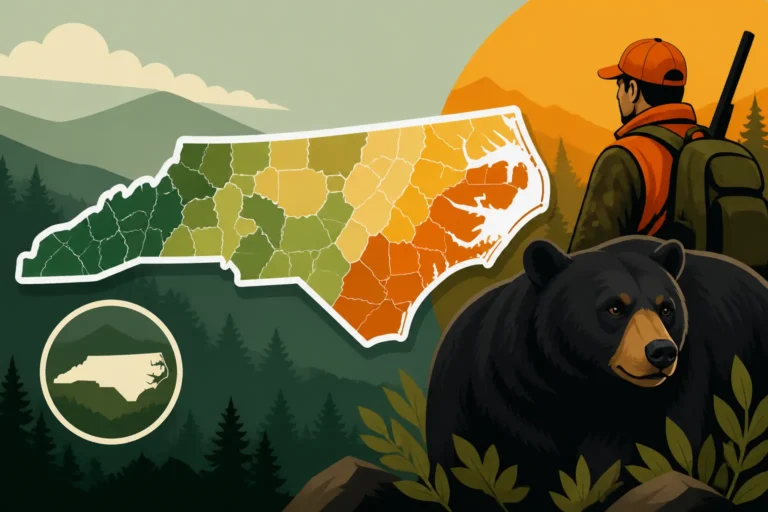
- Understand the Zones: North Carolina is divided into various bear management zones, each with specific season dates and regulations. Researching these zones is crucial. Do you plan to hunt the short, intense coastal seasons or the longer mountain seasons? Knowing the North Carolina Bear Management Zones and their unique characteristics, like when North Carolina Bear Season Dates in the Mountains begin versus the Coastal Bear Zones, will inform your timing.
- Scout Ahead (Virtually and Physically): If possible, take a scouting trip before the season. Even virtual scouting using aerial maps can give you a significant advantage. Look for natural food sources, thick cover, and potential travel corridors. Websites and apps can help you pinpoint public lands and property boundaries.
- Consider a Guide: Especially for your first nonresident bear hunt, hiring a local guide can be an invaluable investment. They know the land, the bear patterns, and the regulations inside out, dramatically increasing your chances of success and ensuring a safe, legal hunt. They can also help you understand nuances like Hunting Coastal Bears in Thick Pocosin Cover or navigating the challenging terrain for Spot-and-Stalk Tactics for Mountain Bears.
- Be Prepared for Diverse Conditions: North Carolina's terrain ranges from vast coastal swamps to rugged mountain peaks. Be prepared for varied weather, insects, and physical challenges. Having the right gear, from sturdy boots to reliable rain protection, is essential.
- Know Reporting Requirements: After a successful harvest, nonresidents, like residents, are required to report their bear. Understanding the North Carolina Bear Checking Requirements beforehand will save you stress.
While the nonresident bear stamp, and the associated licenses, represent a significant financial commitment, viewing it as an investment in a premier hunting experience and the sustained health of a magnificent wildlife resource can shift your perspective. North Carolina offers incredible black bear hunting opportunities, and with proper planning, your investment will yield unforgettable memories.
Disclaimer
The information provided in this guide is for general informational purposes only and does not constitute legal advice. Hunting regulations, license costs, and season dates are subject to change. Always consult the official North Carolina Wildlife Resources Commission (NCWRC) website or official publications for the most current and accurate information before planning any hunting activity. Strict adherence to all applicable laws and regulations is the responsibility of the individual hunter.