How North Carolina’s Gun Zones Split the Calendar
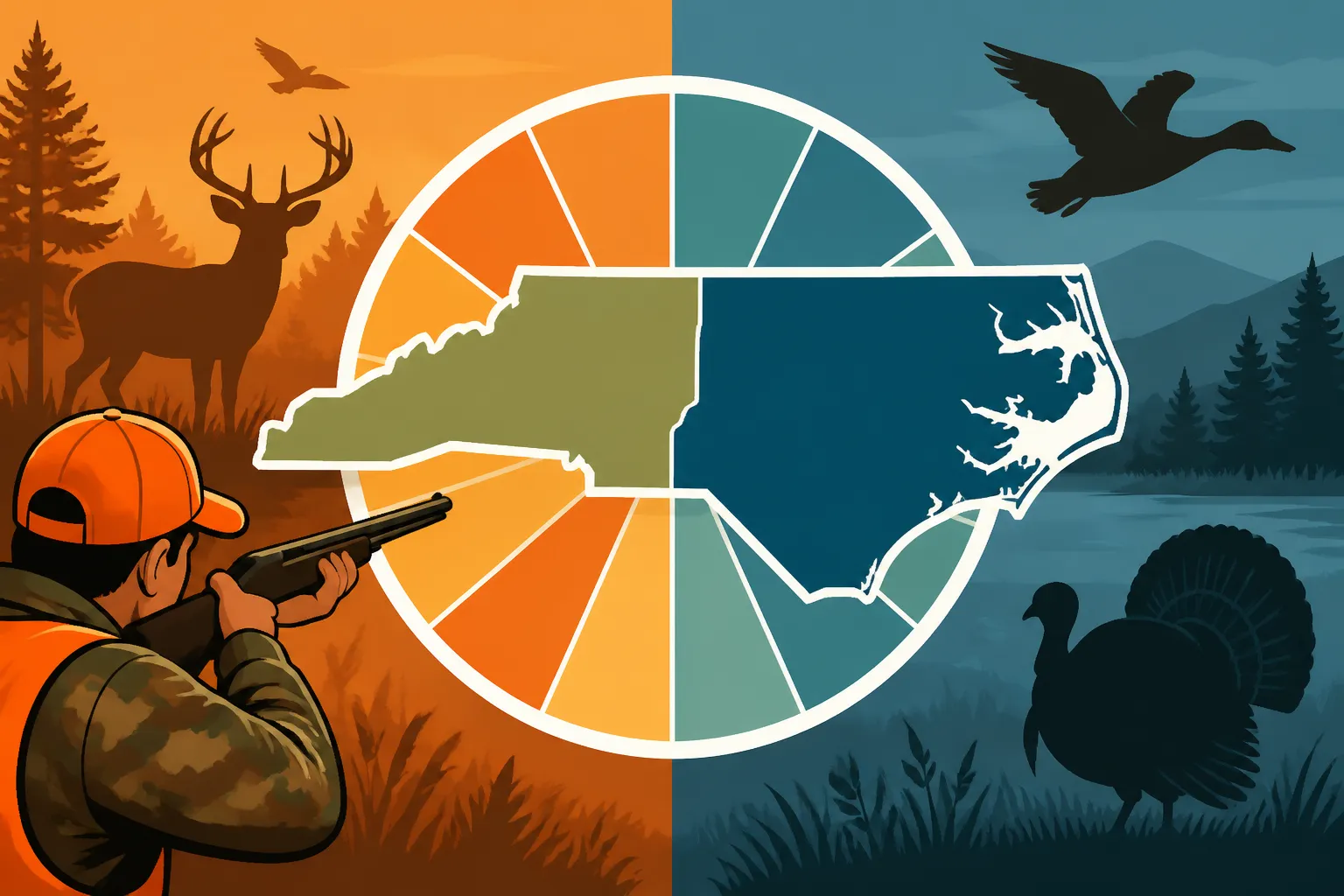
Few things are more frustrating for a North Carolina deer hunter than trying to keep track of hunting season dates. Just when you think you've got the general statewide calendar down, you remember that North Carolina isn't just one big hunting ground; it's a diverse patchwork of different landscapes, and that means a drastically different deer season calendar depending on whether you're chasing bucks in the mountains or the coastal plain. This guide is here to untangle the confusion, helping you understand how North Carolina's unique gun zones split the calendar and what that means for your deer hunting strategy.
The Frustrating Reality of North Carolina's Deer Zones
It's easy to assume that deer season just opens and closes on a couple of dates across the state, but North Carolina is anything but simple. We've got a vast state, from the rugged Appalachians to the flat, swampy coast, and the deer herds in these areas behave differently. Their breeding cycles, food sources, and even their natural predators can vary wildly. The North Carolina Wildlife Resources Commission (NCWRC) has done its best to manage these differences, but for the average hunter, it can feel like a pop quiz every time you cross a county line.
Why Zone Understanding is Critical for Deer Hunters
Imagine setting up your stand, having scouted diligently for weeks, only to realize on opening morning that you've got the wrong date. Or worse, you're out hunting and an enforcement officer informs you that your county's gun season hasn't even opened yet. These aren't hypothetical scenarios; they happen every year. Understanding which of North Carolina's four gun deer zones your hunting spot falls into is not just a suggestion, it's a legal necessity. It dictates when you can hunt, how long you can hunt, and even influences the deer behavior you're likely to encounter. Without this fundamental knowledge, you're essentially hunting blind, missing prime opportunities or risking a citation.
For instance, a hunter accustomed to the early archery and gun seasons in the Eastern Zone might travel to the Western Zone and unknowingly violate the law by hunting too early. Conversely, a mountain hunter might miss out on valuable late-season opportunities if they don't realize the Coastal Plain's season extends further into January. It's about maximizing your time afield responsibly. Knowing your zone empowers you to plan more effectively, whether you're focusing on your home county or exploring new public lands across the state.
The Confusion of Overlapping and Distinct Dates
The challenge isn't just identifying your zone; it's remembering that while some seasons might overlap, others are completely distinct. You could be in a county where the archery season has been open for weeks, but the gun season is still a month away. Or you might be on a county border, where one side opens weeks before the other. This creates a mental minefield, especially for those who hunt in multiple counties or areas with different classifications. The NCWRC aims to align seasons with regional deer biology and hunting pressure, but the practical effect for hunters is a calendar that looks more like a spaghetti noodle diagram than a straight line.
Take the early special archery season in Chronic Wasting Disease (CWD) management areas, for example. This specific season adds another layer of complexity, opening earlier for antlered deer only in certain counties like Yadkin and Surry, which are part of the state's CWD response efforts. This means hunters in those areas might have an archery opener that's different from the general statewide archery opener, and then their gun season follows its own distinct zone calendar. It's this kind of nuance that can make tracking everything feel like a full-time job.
Deciphering North Carolina's Four Gun Deer Zones
North Carolina divides its vast landscape into four distinct gun deer zones: the Eastern, Central, Western, and Northwestern. Each zone is a response to the unique geographical features, habitat types, and deer populations found within its boundaries. Knowing these zones is the first step to truly understanding the state's deer hunting calendar.
The Eastern Zone Defined
Stretching across the vast coastal plain, the Eastern Zone encompasses the low-lying, often swampy, and heavily agricultural regions of North Carolina. Think vast fields of corn, soybeans, and peanuts interspersed with dense pocosins, pine plantations, and river bottom hardwoods. Counties like Bertie, Duplin, and Bladen fall squarely into this zone. The deer here often have access to abundant food sources and thick cover, leading to high population densities in many areas. The rut in the Eastern Zone tends to occur earlier than in other parts of the state, often peaking in late October or early November, which directly influences the early gun season start.
Hunting in the Eastern Zone often involves different tactics than in the mountains. Here, hunters might focus on field edges, cypress swamps, or pine thickets. The terrain is generally flat, making long walks easier but offering fewer natural vantage points. Understanding the nuances of hunting Coastal Plain Pocosin Swamps is crucial here. The early warmth often means focusing on water sources and shaded bedding areas, and adapting to the humidity is key for scent control.
Navigating the Central Zone
Moving west from the coastal plain, you enter the Central Zone, which covers the rolling hills of the Piedmont region. This is arguably the most populated and developed part of the state, with cities like Raleigh, Charlotte, and Greensboro. Despite the development, the Central Zone still boasts significant forested areas, mixed with farmlands, small woodlots, and sprawling suburban green spaces. Counties like Wake, Guilford, and Mecklenburg are found here. Deer populations are robust, adapting well to fragmented habitats and often exhibiting excellent antler growth due to diverse food sources. The rut here generally peaks in mid-November, making for a traditional, exciting gun season.
The Central Zone offers a blend of hunting challenges. You might be hunting a sprawling timber tract one day and a small woodlot bordering a subdivision the next. Hunters often utilize methods like Hunting Piedmont Farmland Deer, setting up on field edges, or still-hunting through oak ridges. The terrain is less extreme than the mountains but more varied than the coast, requiring a flexible approach to scouting and stand placement.
Understanding the Western Zone
The Western Zone plunges hunters into the rugged beauty of the Appalachian Mountains. This region includes counties like Ashe, Haywood, and Cherokee, characterized by steep slopes, dense hardwood forests, and vast expanses of public land, including the Pisgah and Nantahala National Forests. Deer densities are generally lower here than in the Eastern or Central zones, and the deer often have larger home ranges due to sparser food distribution. The rut occurs significantly later, often peaking in late November or early December, reflecting the harsher mountain climate and later onset of cold weather.
Hunting the Western Zone is a physical challenge, often involving steep climbs and long walks into remote areas. Success often hinges on understanding how deer use the terrain, such as finding sign in Big Pisgah Timber or reading a Ridge for Mountain Zone Deer. Tactics often include still-hunting, glassing clearcuts, and targeting mast crops. The later season opening here accounts for the later rut and colder conditions, making it a distinct experience from the rest of the state.
The Northwestern Zone's Unique Calendar
Nestled between the Central and Western zones, the Northwestern Zone often acts as a transition area, geographically and calendrically. Counties such as Surry, Yadkin, and Wilkes fall into this zone, blending the rolling hills of the Piedmont with the foothills of the Blue Ridge. While it shares some characteristics with both adjacent zones, its gun season dates are specifically tailored. The rut timing here is typically similar to the Central Zone, peaking in mid-November, but the season structure provides a unique hunting window.
This zone often feels like a hybrid, offering varied terrain that includes both agricultural fields and significant timber tracts leading up into the mountains. Hunters here might find themselves using tactics that blend techniques from both the Central and Western zones. It’s important to pay close attention to the specific dates for the Northwestern Zone, as they can differ from both its eastern and western neighbors, creating a unique window of opportunity for hunters.
Eastern and Central Zones: Early Starts and Longer Seasons
For many North Carolina hunters, the Eastern and Central Zones represent the heart of the deer season, offering earlier starts and generally longer periods for pursuing whitetails with a firearm. This calendar structure is deeply rooted in the ecological realities of these regions.
Eastern Zone Gun Season Dates
Historically, the Eastern Zone kicks off the gun deer season in North Carolina. Typically, hunters can expect the firearm season to open in early to mid-October, allowing for a substantial season that often runs well into January. For specific dates, you'll want to consult the official NCWRC regulations, but you can typically find the most up-to-date information under Eastern Zones Gun Season Dates. This early start is a direct response to the earlier rut period common in the coastal plain, where warmer temperatures mean deer activity, including breeding, can begin sooner than in cooler, higher elevations.
This early opener means hunters are often dealing with warmer weather conditions. Picture hunting a standing cornfield in Farm Country in late October, where temperatures can still easily hit the 70s. This demands different strategies, focusing on morning and evening movements, proximity to water, and avoiding heavy midday pressure. It's a time when deer are still heavily reliant on agricultural food sources and natural mast if it's available, and understanding their patterns before the leaves fully drop is crucial.
Central Zone Gun Season Dates
Following closely behind the Eastern Zone, the Central Zone typically sees its firearm season open around late October. Like the Eastern Zone, it extends well into January, offering a generous hunting window. This later start, compared to the Eastern Zone, aligns with the slightly later rut in the Piedmont, which often peaks around mid-November. You can find precise details on Central Zone Gun Season Dates in the current year's regulations.
The Central Zone's season often means hunters get to experience the peak of the rut with firearms. This is a highly anticipated time when bucks are actively seeking does, making them more visible and responsive to calling. However, it also means dealing with increased hunting pressure, especially on public lands or smaller private tracts near population centers. Knowing how to adapt your strategy to these conditions, perhaps by using a Ground Blind on North Carolina Public Land or focusing on less accessible areas, becomes paramount.
The Impact of Earlier Openers
The earlier gun season openers in the Eastern and Central Zones have a significant impact on hunting strategies and deer behavior. For one, hunters in these zones often start their season in relatively warm weather, which can make long midday sits uncomfortable and reduce deer movement during the brightest parts of the day. This necessitates focusing efforts during the cooler hours of dawn and dusk, or during periods of inclement weather like cold fronts.
Furthermore, the early pressure from gun hunters can shift deer patterns rapidly. Deer accustomed to feeding in open fields might become more nocturnal or retreat into thicker cover as soon as the shooting starts. This is where diligent scouting becomes even more critical, as understanding initial patterns allows you to predict where deer might move under pressure. The longer seasons, while offering more opportunities, also mean deer become warier over time, challenging hunters to adapt their tactics as the weeks progress.
Western and Northwestern Zones: Later Starts, Different Pressures
Shifting gears to the west, hunters in North Carolina's Western and Northwestern Zones operate on a significantly different calendar. These later season starts bring unique challenges and opportunities, influenced by the mountainous terrain, colder weather, and distinct rut timing.
Western Zone Gun Season Dates
The Western Zone has the latest gun season opener in North Carolina, typically not commencing until mid-November, sometimes even closer to Thanksgiving. This means a substantial wait for firearm hunters who might have been watching archery season unfold for weeks in other parts of the state. The season generally runs into early December. You can check the current year's specific schedule for Western Zone Gun Season Dates. This later start is purposefully aligned with the region's later rut, which often peaks in late November or early December, as well as the harsher winter conditions.
Hunting in the Western Zone demands rugged gear and a willingness to brave colder temperatures. Imagine sitting in a treestand on a Pisgah ridge, with frost on the trees and perhaps even a dusting of snow. Strategies often revolve around searching for late-season food sources like acorns that may still be available, or focusing on south-facing slopes that receive more sunlight and offer warmer bedding areas. Understanding Hunting the Rut in the Western Zone is key, as deer behavior will be highly focused on breeding, but with fewer daylight hours for movement compared to early season.
Northwestern Zone Gun Season Dates
The Northwestern Zone typically opens its gun season in late October or early November, falling between the Central and Western Zones in terms of its start date. The season usually closes in mid-December. This staggered schedule reflects its transitional geography, where some characteristics of the Piedmont meet the foothills of the mountains. While it's not as late as the true Western Zone, it's distinct enough to require careful planning.
Hunters in the Northwestern Zone might experience a broader range of weather conditions during their season, from mild autumn days to crisp, cold winter air. This necessitates a versatile clothing system and adaptability in hunting approaches. Given its proximity to the Western Zone, some of the challenges of Cold-Weather Sitting Strategy in the Mountains might apply, especially as the season progresses into December.
Adapting to Colder Weather and Rut Timing
The later gun seasons in the Western and Northwestern Zones mean hunters are often contending with significantly colder weather. This isn't just about personal comfort; it profoundly impacts deer behavior. Deer need more calories to stay warm, so food sources like remaining mast, agricultural fields, or browse become crucial. Their movement patterns might also shift, with midday activity becoming more common as they seek warmth from the sun or conserve energy. Layering for a North Carolina Deer Stand becomes less about managing warmth for comfort and more about survival in freezing conditions.
Furthermore, these zones offer the unique opportunity to hunt the peak of the rut with a firearm. Unlike the earlier zones where the rut might be winding down by the time gun season is in full swing, hunters in the Western Zone can experience intense buck activity. This means rattling, grunting, and even still-hunting through thick cover can be highly effective. Understanding Rattling and Grunting in North Carolina is a critical skill for success during this time. The later rut also means that bucks will be recovering from the intense breeding activity towards the end of the season, potentially making them more predictable as they focus on feeding and rest.
Strategic Planning Across Zone Lines
The varied nature of North Carolina's gun deer seasons isn't just a hurdle; it's an opportunity. For savvy hunters, understanding these zones allows for extended hunting opportunities, better strategic planning, and a more fulfilling season overall.
Hunting Multiple Zones in a Single Season
One of the biggest advantages of North Carolina's zone system is the potential to extend your hunting season by targeting different areas. If you're a resident hunter with the appropriate licenses, including your North Carolina Big Game Privilege Requirements, you could theoretically start your gun season in the Eastern Zone in October, move to the Central Zone for the peak rut in November, and then finish your season in the Western Zone in December. This multi-zone approach allows you to chase deer for a much longer period than if you were confined to a single set of dates.
However, hunting multiple zones requires meticulous planning. You need to be acutely aware of the specific regulations for each zone, including bag limits and harvest reporting requirements. Travel time, lodging, and scouting efforts all need to be factored in. For example, if you harvest a deer in one zone, remember the North Carolina Deer Reporting Deadline to ensure you remain compliant. It’s a commitment, but the reward is a significantly expanded hunting calendar, allowing you to experience different phases of the rut and varying hunting conditions across the state.
Tools and Resources for Zone Management
Keeping track of North Carolina's intricate deer zones and their respective season dates can feel like a full-time job without the right tools. Thankfully, modern technology and the NCWRC provide invaluable resources. The official NCWRC website and its interactive mapping tools are indispensable for Finding Which Zone Your County Sits In. These resources provide clear, visual representations of zone boundaries and specific dates.
Beyond official channels, a robust hunting app like GoHunt can be a game-changer. GoHunt allows you to overlay zone boundaries directly onto your mapping interface, giving you a crystal-clear understanding of where you stand relative to different season dates. You can mark potential hunting spots, track deer movement, and even get real-time weather updates crucial for planning. The GoHunt app can help you visualize North Carolina's Four Gun Deer Zones and track season dates on your phone, making it easier to plan trips to new areas or confirm regulations for existing spots. Utilizing such tools effectively for Scouting With the NC Wildlife App or GoHunt can dramatically reduce the stress of navigating complex regulations and free you up to focus on the hunt itself.
The Importance of Scouting Different Timelines
Successfully hunting across North Carolina's gun zones isn't just about knowing the dates; it's about understanding that deer behavior varies drastically with the calendar. A mature buck in the Eastern Zone in mid-October, still in velvet and focused on abundant early-season food, will behave entirely differently from a rut-crazed buck in the Central Zone in mid-November, or a cold-weather weary buck in the Western Zone in early December.
Therefore, your scouting efforts must be tailored to the specific timeline of each zone you plan to hunt. What works for Opening Weekend Tactics for the Eastern Zones might be completely ineffective for Late-Season Food Sources for North Carolina Whitetails in the mountains. This means preseason scouting is crucial, but it might involve multiple trips or using trail cameras strategically to monitor different areas as their seasons approach. Think about how food sources change, how hunting pressure accumulates, and how the rut progresses across the state. A comprehensive approach to Scouting North Carolina Public Land Before Season, adjusted for each zone's unique calendar, will dramatically increase your chances of success.
North Carolina Gun Deer Season by Zone: A Quick Reference
To help you keep it all straight, here's a general overview of North Carolina's gun deer zones and their typical season dates. Always confirm with the current year's official NCWRC regulations before heading afield, as dates can be adjusted.
| Zone | General Gun Season Start | General Gun Season End | Peak Rut Timing (Approx.) | Key Characteristics |
|---|---|---|---|---|
| Eastern | Early October | Early January | Late Oct – Early Nov | Flat, agricultural, swamps, high deer density, early rut. |
| Central | Late October | Early January | Mid-November | Rolling Piedmont hills, mixed habitat, good deer density. |
| Western | Mid-November | Mid-December | Late Nov – Early Dec | Mountains, steep terrain, dense forests, lower deer density. |
| Northwestern | Late Oct – Early Nov | Mid-December | Mid-November | Foothills, mixed terrain, transitional zone. |
This table provides a snapshot, but remember that specific county borders and occasional special regulations (like the early CWD season) can add further nuance to these general guidelines. Always carry your North Carolina hunting licenses and keep a digital or physical copy of the regulations handy.
Disclaimer
Please remember that hunting regulations, season dates, and license requirements can change. This guide is intended for informational purposes only and should not replace consulting the most current official North Carolina Wildlife Resources Commission (NCWRC) regulations and local ordinances before engaging in any hunting activities. Always prioritize safety, ethical hunting practices, and compliance with all applicable laws.