Which Seven Counties Sit in a CWD Management Area
It’s easy to feel overwhelmed and even a little frustrated when new hunting regulations pop up, especially when they involve something as serious as Chronic Wasting Disease (CWD). Many of us just want to enjoy our time in the woods without constantly worrying if we’re breaking a rule we didn't even know existed. This guide is here to cut through that confusion, clearly outlining the seven specific counties that currently comprise North Carolina's CWD Management Area and detailing what that means for you as a hunter.
Understanding Chronic Wasting Disease and Management Areas
Chronic Wasting Disease (CWD) is one of the most concerning issues facing deer populations across North America, and it's something every hunter needs to be aware of. It's a progressive, fatal neurological disease that affects deer, elk, moose, and reindeer, caused by abnormal proteins called prions. While there's no evidence CWD can spread to humans, it's always fatal to the deer it infects, and it can dramatically impact herd health and future hunting opportunities.
The Threat of Chronic Wasting Disease
Imagine seeing a deer that looks emaciated, disoriented, and maybe even drooling. That's often what CWD can look like in its later stages. It's a truly heartbreaking sight, and the thought of it spreading through our beloved whitetail herds here in North Carolina is enough to keep any deer hunter up at night. The prions, which are incredibly resilient, can persist in the environment for years, making it a persistent and challenging problem once it takes hold in an area. This is why early detection and proactive management are so critical. The NC Wildlife Resources Commission (NCWRC) is doing its best to stay ahead of this, and while their regulations can sometimes feel like a burden, they’re truly for the long-term health of our deer and our hunting heritage. If you're curious about the history, you can read up on Which County Confirmed North Carolina's First CWD Case to understand how it first appeared on our radar.
Why Management Areas Are Established
When CWD is detected in a specific region, wildlife agencies like the NCWRC establish CWD Management Areas (CWDMAs) to contain the spread. These aren't just arbitrary lines on a map; they're strategically drawn zones designed to mitigate the risk of the disease spreading to new areas. The goal is to intensely monitor deer populations, limit potential vectors of transmission, and educate hunters. For us hunters, this means different rules regarding carcass movement, mandatory testing, and sometimes even altered season structures within these zones. It’s a collective effort, and our participation is vital. Without these measures, the potential for CWD to become widespread throughout the state is a very real and terrifying prospect for anyone passionate about White-Tailed Deer Across North Carolina.
Identifying the Seven Counties in North Carolina's CWD Management Area
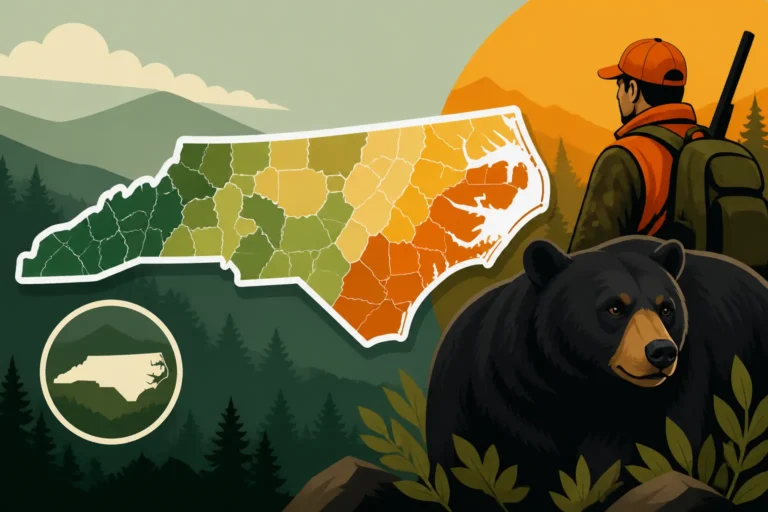
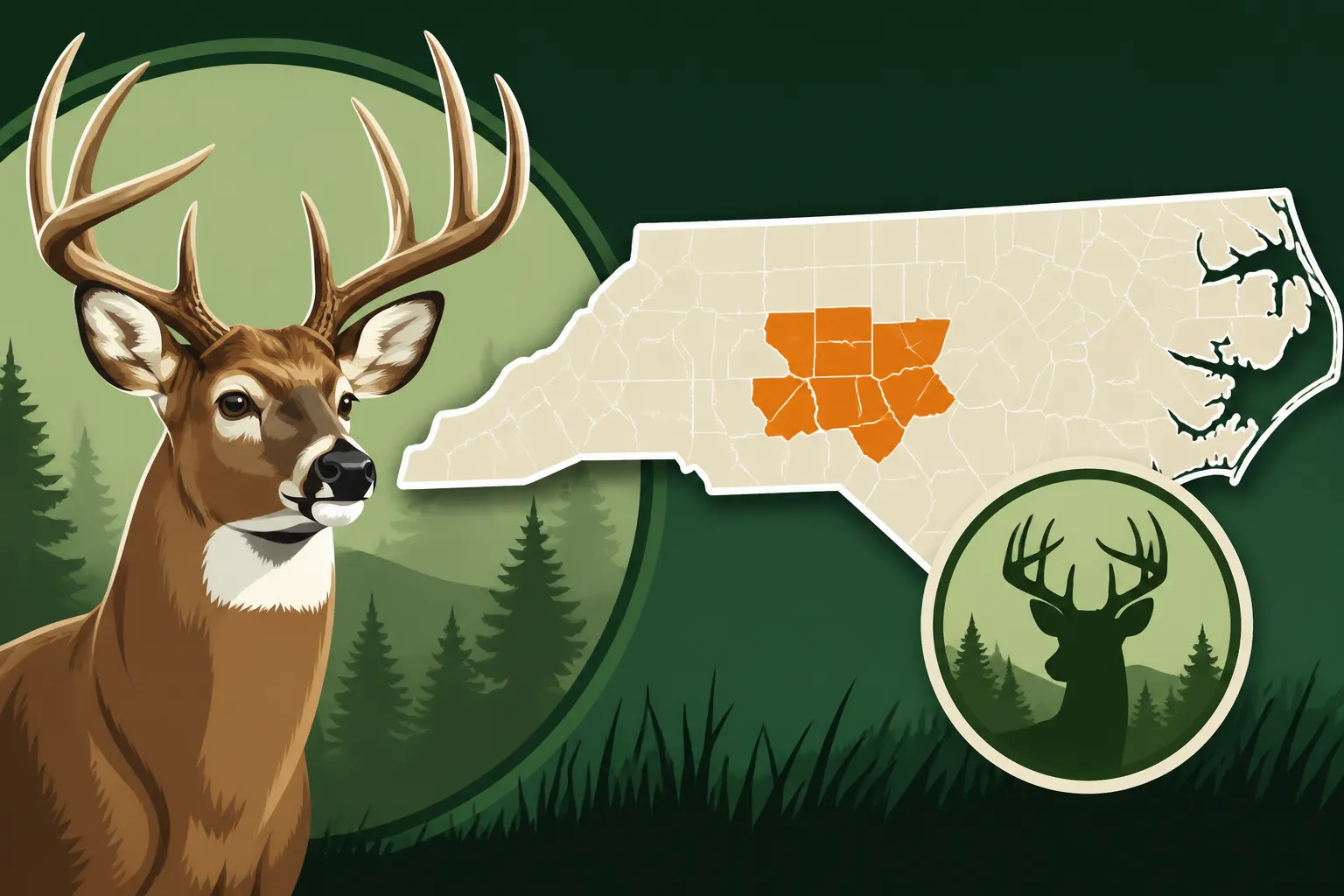
North Carolina currently has a clearly defined CWD Management Area, which includes seven specific counties. Knowing these boundaries is absolutely essential for any hunter planning to pursue deer in these regions, as the regulations within them differ significantly from the rest of the state.
Listing the Seven Designated Counties
As of the latest updates, the following seven counties are designated as part of North Carolina's CWD Management Area:
- Alleghany County
- Davie County
- Forsyth County
- Iredell County
- Surry County
- Wilkes County
- Yadkin County
It’s worth noting that Surry County often gets mentioned prominently when talking about CWD in North Carolina because it's where a significant number of positive cases have been identified. You can dive deeper into Why Surry County Drives North Carolina's CWD Count if you're interested in the specifics of the disease's presence there. These counties are primarily situated in the northwestern Piedmont and foothills region of the state, an area known for its strong deer populations and rich hunting traditions. For hunters who typically hunt adjacent counties, it's crucial to understand where these boundaries lie and how they might affect your hunting plans.
Understanding County Boundaries and Specific Zones
While it’s easy to list the counties, sometimes the practical reality of hunting near a county line can be tricky. It's not uncommon for hunters to have leases or properties that straddle a county line, with one side being in a CWD Management Area and the other just outside. This requires an extra layer of diligence. You can’t just assume; you must know. Tools like the NC Wildlife Map Tool are incredibly helpful here, allowing you to pinpoint your exact location and see if you’re within the CWDMA boundary. Companies like GoHunt, with their detailed mapping features, also provide excellent resources for verifying land status and county lines, which can be a real lifesaver when you're trying to stay compliant.
Here's a quick reference table for the CWD Management Area counties:
| County Name | Region in NC | CWD Management Area Status | Notes |
|---|---|---|---|
| Alleghany | Mountains | Yes | Located in the northernmost part of the CWDMA. |
| Davie | Piedmont | Yes | Central to the CWDMA, south of Yadkin. |
| Forsyth | Piedmont | Yes | Home to Winston-Salem, east of Yadkin. |
| Iredell | Piedmont | Yes | Southernmost county in the current CWDMA. |
| Surry | Piedmont | Yes | Primary county for CWD detections. |
| Wilkes | Mountains | Yes | Westernmost county in the CWDMA, mountainous terrain. |
| Yadkin | Piedmont | Yes | Central to the CWDMA, often seen as a core affected area. |
Always double-check the latest regulations from the NCWRC, as these areas and rules can change based on disease surveillance data. It’s always better to be overly cautious than to accidentally violate a regulation. For the most up-to-date information, the NCWRC website is your best friend. They even have interactive maps that can show you the exact boundaries of North Carolina's Seven-County CWD Footprint.
Rules and Regulations Within a CWD Management Area
Hunting in a CWD Management Area comes with a distinct set of rules designed to monitor and curb the spread of the disease. These regulations are crucial, and adhering to them is a non-negotiable part of hunting responsibly in these zones. It can feel like a lot to keep track of, but it’s all aimed at protecting our deer herds for future generations.
Mandatory Deer Reporting and Testing
One of the most significant requirements for hunters within a CWD Management Area is the mandatory reporting and, often, mandatory testing of harvested deer. This isn't just a suggestion; it's a critical tool for wildlife biologists to track the prevalence and spread of the disease. Hunters harvesting deer in these areas are typically required to report their harvest through the NCWRC's online system or mobile app, just as they would normally. However, in CWDMAs, there are specific requirements for submitting a sample for CWD testing.
During certain periods, particularly during opening weekends or specific seasons, the NCWRC will often set up designated drop-off locations or require hunters to bring their deer to a check station for sampling. It might mean a bit of extra driving or waiting, but it's vital information gathering. Sometimes, they'll even provide kits for self-sampling, or instruct you on where to take a head for a trained technician to collect samples. This information helps them determine How Many Deer Have Tested CWD-Positive in North Carolina and adjust their strategies accordingly. Before you head out, make sure you know the current North Carolina CWD Testing for Hunters protocols for your specific hunting dates and locations within the CWDMA. Using advanced mapping apps like GoHunt can also help you identify official check stations or drop-off points well in advance of your hunt, saving you time and stress when you have a deer on the ground.
Carcass Movement Restrictions
This is probably one of the most frustrating, but absolutely critical, rules within a CWD Management Area. To prevent the physical spread of CWD prions to unaffected areas, there are strict limitations on moving certain parts of a deer carcass out of a CWDMA. Generally, you cannot transport whole carcasses or high-risk parts (like the brain, spinal cord, lymph nodes, or spleen) out of the designated CWD counties.
What can you move? Typically, bone-out meat, capes (without the skull or spinal column), cleaned skulls, antlers, and hides are permitted to leave the area. The idea is to remove the parts of the animal most likely to harbor the CWD prions. If you process your own deer, this might mean a field-dressing and quartering job unlike what you're used to, particularly if you're taking your harvest to a processor outside the CWDMA. If you use a commercial processor, make sure they are aware of these regulations and that they are located within the CWDMA if you plan to leave high-risk parts with them. It’s a bummer, especially if you’ve got a long drive home, but this measure is really about protecting the wider deer population. The NCWRC has a comprehensive guide on North Carolina Carcass Movement Restrictions that every hunter in these areas should review.
Special Hunting Seasons and Bag Limits
In addition to testing and carcass movement rules, CWD Management Areas can sometimes have modified hunting seasons or bag limits. These changes are usually implemented to help manage deer populations more effectively, particularly antlerless deer, which can help reduce overall deer densities and, consequently, the potential for disease transmission. For instance, the NCWRC introduced The New Special Early CWD-Zone Season which allows for hunting antlered deer earlier in the season in specific CWD counties, often with specific weapon restrictions.
It’s not unheard of for antlerless deer harvest opportunities to be expanded in these areas as well, sometimes through increased bag limits or extended seasons. This can provide hunters with more opportunities to fill their freezers, while also serving a critical wildlife management function. Always check the current year’s North Carolina Inland Fishing, Hunting and Trapping Regulations Digest for the most up-to-date information on dates, bag limits, and legal weapons specific to the CWD Management Areas. This is where understanding North Carolina Deer Bag Limit Rules within these zones becomes paramount.
The Impact of CWD and Management on Hunting
The presence of Chronic Wasting Disease and the subsequent management efforts undoubtedly cast a long shadow over hunting, but it’s a necessary one. These measures, while sometimes inconvenient, are vital for maintaining healthy deer populations and ensuring the future of hunting in North Carolina.
How CWD Affects Deer Herds and Hunting Opportunities
The long-term effects of CWD on a deer herd can be devastating. As the disease becomes more prevalent, it can lead to a decline in deer populations, altered deer behavior, and a reduction in herd health overall. This, in turn, can diminish hunting opportunities, making it harder to find and harvest healthy deer. Nobody wants to see their favorite hunting grounds impacted by a disease that slowly decimates the deer.
Beyond the biological impact, CWD also affects the perception of deer hunting. There's understandable concern from some hunters about the safety of consuming venison from CWD-positive areas, even though current science suggests no human risk. This can lead to decreased hunter participation and reduced conservation funding, as license sales are a primary source of revenue for wildlife agencies. It’s a complex issue, and the more we, as hunters, understand it and comply with regulations, the better chance we have of mitigating its spread and preserving our deer. For a broader picture of the disease, consider checking out North Carolina's Chronic Wasting Disease Areas and the scientific efforts to understand and combat its effects.
Hunter Cooperation and the Future of Deer Management
Ultimately, the fight against CWD hinges on the cooperation of hunters. We are the frontline observers and the most critical partners in monitoring and managing deer populations. By taking the time to understand the regulations within the CWD Management Areas, submitting samples for testing, and adhering to carcass movement restrictions, we play an active and indispensable role in protecting North Carolina’s deer.
It might mean adjusting how we plan our hunts, especially if we hunt in or near counties like Yadkin or Wilkes, but these efforts are an investment in the future. The NCWRC, with the help of hunters like us, continues to gather data and refine its strategies. They constantly evaluate North Carolina CWD Prevalence in the Yadkin Valley and other affected areas to ensure their management approach is effective and adaptive. Our collective commitment to these guidelines is what gives us the best shot at containing CWD and ensuring that future generations can enjoy the rich tradition of deer hunting in the Tar Heel State.
Disclaimer
Please remember that hunting regulations can change. It is always your responsibility to consult the most current North Carolina Inland Fishing, Hunting and Trapping Regulations Digest or the official North Carolina Wildlife Resources Commission website before engaging in any hunting activities. This guide is for informational purposes only and should not be considered legal advice.