North Carolina Depredation Permit Process
There's nothing quite as frustrating for a North Carolina landowner as watching your hard work, whether it's a meticulously tended garden, an orchard of budding fruit, or acres of cash crops, fall victim to persistent wildlife damage. Deer, bears, and even turkeys can wreak havoc on property, leading to significant financial losses and endless headaches. This comprehensive guide is here to walk you through the North Carolina Depredation Permit process, offering a clear, step-by-step breakdown of how you can legally address these wildlife conflicts and protect your land and livelihood.
Understanding North Carolina Depredation Permits
Dealing with wildlife can be a delicate balance. We love our natural heritage in North Carolina, and seeing abundant game is a privilege. However, when certain species become overly numerous or habituated, they can cause serious and ongoing damage to agricultural crops, ornamental plants, timber, or even pose a threat to human safety. That's where a depredation permit comes into play. It's a critical tool, designed not for general hunting, but specifically to manage problem animals causing significant detriment.
What Exactly is a Depredation Permit?
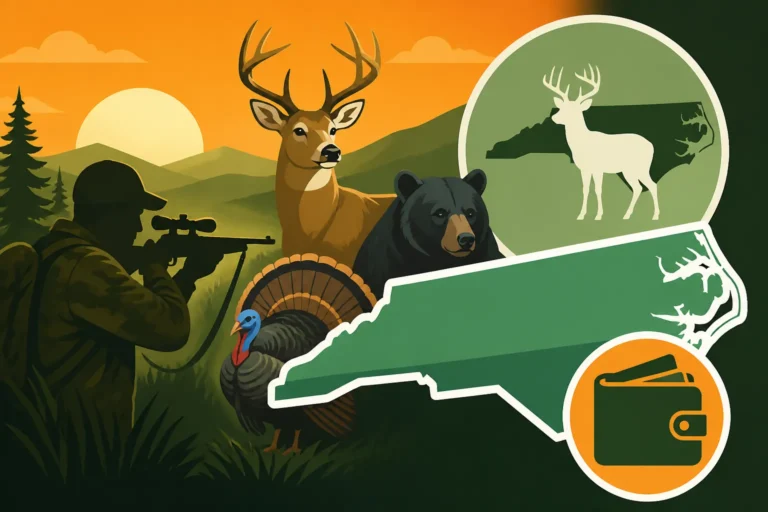
At its core, a depredation permit is an authorization issued by the North Carolina Wildlife Resources Commission (NCWRC) to a landowner or their designated agent, allowing for the lethal removal of specific wildlife species outside of regular hunting seasons or bag limits. It's not a free pass to hunt whenever you want; rather, it's a targeted solution for a specific problem. Think of it as a last resort, utilized when conventional methods of deterrence and regular hunting seasons haven't been enough to curb the damage. The focus is strictly on mitigating damage, not on sport hunting. These permits are most commonly issued for deer, wild turkey, and black bears, though other species might be considered depending on the specific circumstances and the type of damage being sustained. For landowners grappling with significant losses, understanding the nuances of these permits, including those for North Carolina Deer Damage Permits for Farmers, is paramount.
Why These Permits Are So Important for Landowners
For many farmers and rural property owners, wildlife depredation isn't just an annoyance; it's a direct threat to their economic stability. A field of young corn ravaged by deer, a blueberry patch stripped bare by bears, or even costly damage to irrigation systems can represent thousands of dollars in losses. Without a mechanism like the depredation permit, landowners would be left with few legal options to protect their investments. The NCWRC recognizes this reality, acknowledging that healthy wildlife populations must coexist with human enterprise. These permits serve as a vital compromise, allowing for localized management to protect private property while still conserving overall wildlife populations. It's about finding that difficult balance between conservation and economic viability, ensuring that those who bear the brunt of wildlife interactions have a recourse.
Eligibility and Types of Damage Covered
Before you even think about applying, it's crucial to understand if your situation fits the criteria for a depredation permit. The NCWRC doesn't issue these permits lightly, and there are specific requirements concerning who can apply and what kind of damage is considered.
Who Qualifies for a Depredation Permit?
Generally, a depredation permit is available to bona fide landowners who are experiencing actual, quantifiable damage to their property from wildlife. This isn't for nuisance animals that occasionally wander through your yard without causing harm. We're talking about consistent, significant damage that impacts crops, timber, personal property, or even threatens public safety. Farmers, especially those with high-value crops susceptible to deer or bear, are frequent applicants. However, private homeowners experiencing repeated and costly damage to landscaping, orchards, or even structural components of their homes can also qualify. The key is that you, as the landowner, must be able to demonstrate that the damage is ongoing and substantial, and that you've exhausted other reasonable non-lethal deterrents. It’s also important to remember that these permits are distinct from the general North Carolina Landowner Deer Permit Rules, which apply to hunting during regular seasons.
Documenting and Proving Wildlife Damage
This is perhaps the most critical step in the entire process. The NCWRC needs concrete evidence that wildlife is causing a problem severe enough to warrant a special permit. Simply saying "deer are eating my plants" isn't enough. You need to meticulously document the damage. This means taking clear photographs and videos of the affected areas, showing the specific plants, crops, or property that have been damaged. Try to capture the extent of the destruction and, if possible, signs of the animals themselves – tracks, droppings, rub marks, or even direct sightings of the animals causing the damage. Keeping a log of dates, times, and estimated monetary losses is also incredibly helpful.
For example, if deer are consistently browsing on your soybean fields, you might mark off a small section and photograph its condition weekly, showing the progression of the damage. If bears are destroying beehives or cornfields, clear photos of the torn-apart hives or flattened stalks are essential. The more thorough your documentation, the stronger your case will be for receiving a permit. This evidence will be vital for the NCWRC biologist who will conduct an on-site investigation.
Navigating the Application Process
Once you've determined you meet the eligibility and have documented your damage, it's time to initiate contact with the North Carolina Wildlife Resources Commission. This isn't an online application you fill out in minutes; it's a process that involves direct communication and an on-site assessment.
Initial Steps and Contacting NCWRC
The very first thing you need to do is reach out to the North Carolina Wildlife Resources Commission. You can find their contact information on their official website, typically under their wildlife enforcement or technical assistance sections. When you call or email, be prepared to clearly explain your situation: what type of damage you're experiencing, which species you suspect is causing it, the location of your property, and what efforts you've already made to deter the animals. They will typically connect you with a district biologist or a wildlife enforcement officer for your specific region. This initial conversation is crucial for setting the stage and will determine the next steps in your application. They will guide you on the specific information and documentation they require.
The On-Site Investigation and Recommendations
After your initial contact, an NCWRC biologist or wildlife officer will schedule a visit to your property. This on-site investigation is a non-negotiable part of the process. During this visit, they will personally assess the damage, verify the species involved, and evaluate the effectiveness of any non-lethal deterrents you've already implemented. They might walk your fields, inspect your orchards, or examine your timber stands. This is your chance to present all the documentation you've gathered – your photos, videos, and damage logs.
The biologist's role is not just to confirm the damage but also to recommend the most appropriate management strategies. This might include further non-lethal methods, habitat modification, or, if warranted, the issuance of a depredation permit. They'll consider factors like the severity and extent of the damage, the local wildlife population dynamics, and the specific needs of your operation. Their recommendation is a critical step in the permit approval process, so be honest, thorough, and cooperative during their visit.
Receiving and Understanding Your Permit
If the NCWRC determines that a depredation permit is the necessary and appropriate solution, they will issue one to you. It's incredibly important to understand that this permit comes with very specific conditions and limitations, and you must adhere to them strictly. These conditions typically include:
- Species: The exact species of animal(s) you are authorized to remove (e.g., antlerless deer, any deer, specific number of bears).
- Number: The maximum number of animals you are allowed to remove.
- Timeframe: The specific dates during which the permit is valid.
- Methods: The legal methods of take (e.g., firearm, archery equipment). It might specify no hunting at night, or it might allow for it under certain conditions, depending on the severity of the problem.
- Location: The specific property where the permit is valid.
- Reporting Requirements: Detailed instructions on how and when to report any animals taken under the permit.
Make sure you read every line of your permit and ask the issuing officer any questions you have. Misunderstanding or violating the terms of the permit can lead to serious legal consequences.
Hunting Under a Depredation Permit in North Carolina
Operating under a depredation permit is different from regular season hunting. It comes with a distinct set of rules and responsibilities that prioritize damage control and careful management.
Specific Rules and Restrictions
When you're issued a depredation permit, you're not just getting a general hunting license. You're receiving a highly specialized authorization with strict guidelines. These typically include:
- Species and Sex Restrictions: Permits often specify if you can only take antlerless deer, or if certain bear permits are for specific age/sex classes. You must positively identify your target.
- Bag Limits: The permit will clearly state the maximum number of animals you are authorized to remove. Exceeding this limit is a serious violation.
- Time of Day: While regular hunting often has sunrise-to-sunset rules, depredation permits might allow for hunting outside these hours, particularly if the animals are causing damage predominantly at night. Always check your specific permit.
- Method of Take: The permit will specify approved methods, such as firearms or archery equipment. Be aware of any restrictions on specific calibers or broadhead types.
- Reporting: This is critical. Every animal taken under a depredation permit must be reported according to the instructions provided by the NCWRC. This might involve an immediate phone call, online submission, or even the submission of biological samples. This is vital for the state to monitor wildlife populations and the effectiveness of depredation efforts. Remember that these kills are usually in addition to any deer taken during the regular North Carolina Deer Season Structure Explained.
It's a good idea to keep your permit on your person at all times while exercising its privileges, along with your valid North Carolina Hunting Licenses and What They Cost, and any other necessary tags.
Mandatory Reporting and Data Collection
The reporting requirements for depredation permits are often more stringent than for regular hunting. This is because the NCWRC uses the data collected from these permits to monitor population health, understand depredation trends, and evaluate the effectiveness of their management strategies. When an animal is taken under a depredation permit, you will likely be required to report it quickly, often within 24 hours. This could be through a dedicated online portal, a phone call to a regional office, or even directly to the biologist who issued the permit.
Some permits may also require you to submit specific biological samples, such as a tooth for aging, or even the entire head for disease testing, especially if you are in a Chronic Wasting Disease (CWD) surveillance area. For deer, this is in addition to the standard North Carolina Deer Reporting Requirements. Tools like the GoHunt app or website can be incredibly useful for hunters and landowners alike, allowing you to quickly access regulations, maps, and even facilitate reporting in some states (though always verify NCWRC's specific reporting portal). The data you provide helps the NCWRC make informed decisions, ensuring a healthy balance between wildlife conservation and the needs of landowners.
Dealing with Different Species
While the general permit process is similar, there can be specific nuances depending on the species causing damage.
- Deer: Often the most common culprit for crop damage, deer depredation permits typically focus on antlerless deer, especially outside the regular season. The goal is often to reduce the local population pressure.
- Black Bears: Bears can cause devastating damage to cornfields, beehives, and even property structures. Bear depredation permits might allow for removal in specific areas, and often involve more stringent reporting and carcass handling due to their protected status and robust population management. When considering bear management, especially if you are interested in Bear Hunting North Carolina's Coast and Mountains, remember that depredation permits are for nuisance animals, not sport hunting.
- Wild Turkeys: While less common than deer or bear, turkeys can damage crops, particularly those planted early in the spring. Permits for turkeys would focus on removing a specific number of birds causing the damage.
- Feral Hogs: It's important to note that in North Carolina, feral hogs are considered a destructive, non-native species. You generally don't need a specific depredation permit to hunt them year-round on private land with landowner permission. This is because the state actively encourages their removal due to the extensive damage they cause. However, a permit might be issued if specific methods (like trapping and dispatch) are needed outside typical hunting rules. You can learn more about Hunting North Carolina's Year-Round Feral Hogs and North Carolina Feral Hog Regulations for broader context.
Beyond the Permit: Prevention and Other Strategies
While depredation permits are a valuable tool, they are often considered a last resort. Proactive measures and alternative strategies can significantly reduce wildlife damage, potentially eliminating the need for a permit altogether.
Proactive Measures to Mitigate Damage
An ounce of prevention is truly worth a pound of cure when it comes to wildlife damage. Implementing deterrents and modifying habitat can often solve many problems before they escalate to permit-level issues.
- Fencing: This is often the most effective, albeit sometimes the most expensive, solution. Electric fences can be highly effective against deer and bears. Physical fences, tall enough and properly maintained, can also create a barrier. For smaller gardens or specific plants, temporary netting can work wonders.
- Repellents: Chemical repellents, especially those with strong odors or tastes, can deter deer and other animals from browsing. These need to be reapplied regularly, especially after rain, and their effectiveness can vary.
- Noise and Visual Deterrents: Motion-activated sprinklers, scarecrows, reflective tape, or even radios playing human voices can sometimes scare animals away, particularly for a short period. Animals often habituate to these, so rotating deterrents or using them intermittently can increase their effectiveness.
- Habitat Modification: Removing attractive food sources near your home or sensitive areas can help. For instance, picking fallen fruit promptly prevents attracting bears. Considering what you plant, perhaps opting for less palatable varieties, can also make a difference. Landowners might find resources on topics like Food Plots on North Carolina Private Land useful for understanding how intentional plantings can sometimes draw deer away from sensitive areas, or conversely, what not to plant.
When a Depredation Permit Isn't the Only Answer
It’s crucial to understand that depredation permits are for substantial, ongoing damage. For less severe or occasional issues, other avenues might be more appropriate. If you're encountering a single, transient animal, hazing it away might be sufficient. This could involve making loud noises, using air horns, or other non-lethal methods to scare the animal.
Working with neighbors to coordinate hunting efforts during regular seasons can also help manage local populations. If you have small private tracts in North Carolina, combining efforts with adjacent landowners can make a bigger impact. Sometimes, simply securing your property better, such as locking up trash cans or reinforcing garden enclosures, can solve problems with opportunistic feeders like bears. For instance, if you're retrieving game from private land in North Carolina, ensuring you have proper permission is crucial, just as it is for any wildlife interaction. Always remember to prioritize safety and legality in all interactions with wildlife on your property.
| Step in Process | Description | Key Requirement | Estimated Timeframe |
|---|---|---|---|
| 1. Document Damage | Collect photos, videos, and detailed logs of wildlife damage to property. | Clear, quantifiable evidence of ongoing, significant damage. | Ongoing (as damage occurs) |
| 2. Contact NCWRC | Reach out to your local NCWRC district biologist or enforcement officer. | Explain problem, species, location, and previous deterrent efforts. | Immediate |
| 3. On-Site Investigation | NCWRC personnel visit your property to assess damage and verify claims. | Cooperate, present documentation, discuss mitigation strategies. | Within 1-2 weeks of contact |
| 4. Permit Issuance | If warranted, NCWRC issues a permit with specific conditions. | Understand and agree to all terms: species, number, timeframe, methods, reporting. | Within 1 week of investigation |
| 5. Depredation Action | Lethal removal of authorized animals according to permit's rules. | Strict adherence to permit conditions (species, bag limit, time, method). | During permit validity |
| 6. Mandatory Reporting | Report all animals taken as instructed by NCWRC. | Prompt and accurate reporting; possibly submission of biological samples. | Within 24-48 hours of take |
Disclaimer
This guide is intended for informational purposes only and does not constitute legal advice. Wildlife regulations, including those pertaining to depredation permits, are subject to change. Always consult the most current North Carolina Wildlife Resources Commission regulations or contact an NCWRC official directly for the most accurate and up-to-date information regarding depredation permits and wildlife management on your property.