North Carolina Disabled Hunter Permit Options
Navigating the beautiful yet challenging landscapes of North Carolina as a hunter can be tough enough, but when you're dealing with a disability, the hurdles can feel insurmountable. Many passionate outdoorsmen and women worry that their physical limitations will permanently sideline them from the pursuits they love. Thankfully, North Carolina recognizes these challenges and offers specific permit options designed to ensure disabled hunters can continue to participate safely and effectively. This guide will walk you through the various avenues available, from special permits to understanding accessible areas, so you can confidently plan your next outdoor adventure.
Understanding North Carolina's Commitment to Accessible Hunting
The North Carolina Wildlife Resources Commission (NCWRC) is keenly aware that hunting is more than just a sport; it’s a deeply ingrained tradition, a way to connect with nature, and a source of incredible fulfillment for countless individuals and families across the state. They understand that disabilities shouldn't automatically mean an end to these cherished experiences. Their policies reflect a genuine effort to foster inclusivity, recognizing that every hunter, regardless of physical ability, deserves the opportunity to enjoy North Carolina’s rich wildlife heritage.
The Philosophy Behind Disabled Hunter Permits
The core philosophy behind these special permits is simple: remove unnecessary barriers. Imagine the frustration of a lifelong hunter who suddenly finds themselves unable to walk long distances due to an injury or medical condition, or someone who relies on a wheelchair yet yearns to access remote areas of a game land. These permits aren't about giving anyone an unfair advantage; they're about leveling the playing field, ensuring that a physical limitation doesn't automatically mean exclusion from the woods. They acknowledge that for many, hunting provides not just sustenance, but also profound mental and emotional well-being, a connection to family, and a sense of purpose that shouldn't be denied. By providing these accommodations, the NCWRC helps maintain a vibrant and diverse hunting community where everyone has a place.
Eligibility for Disabled Hunter Status
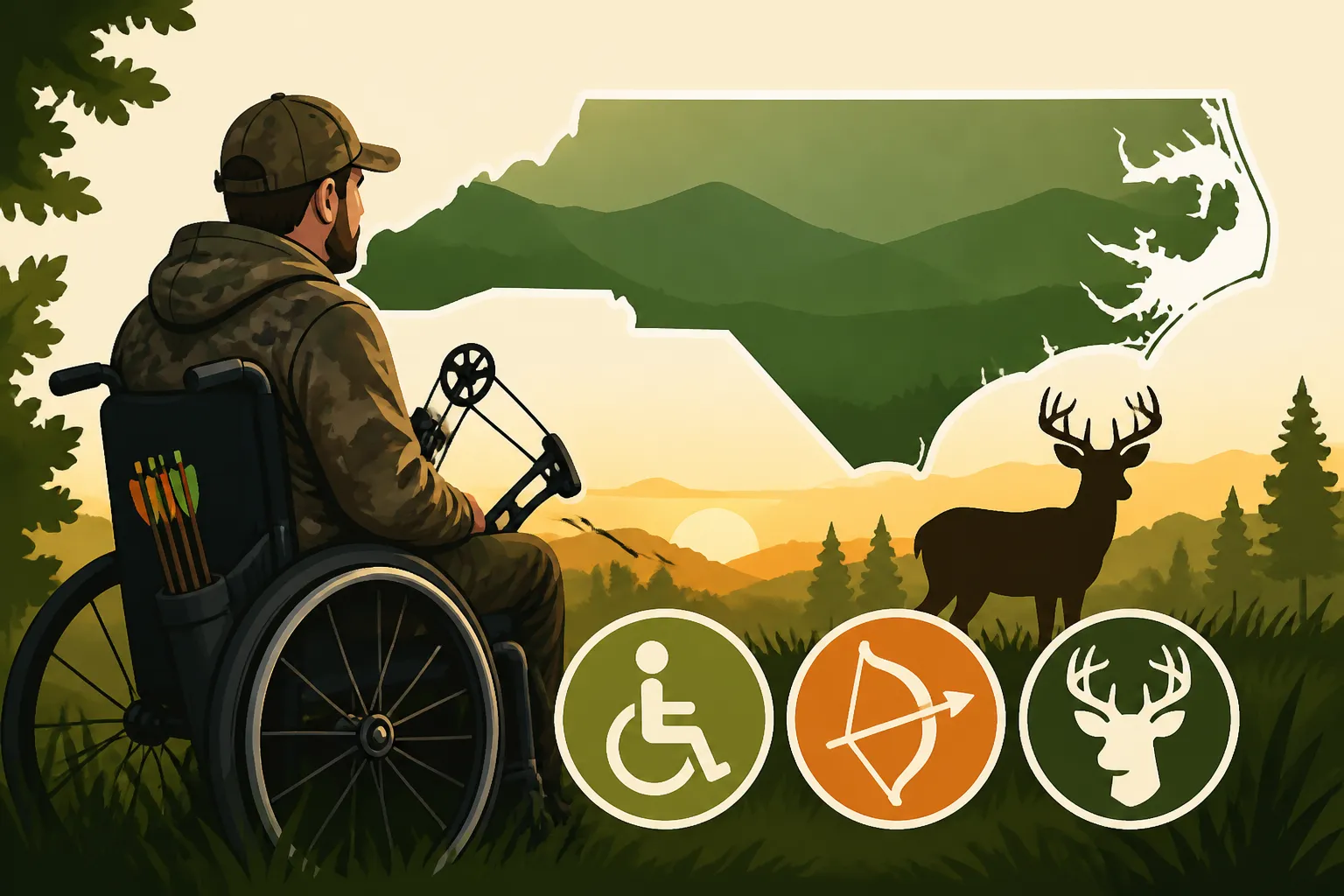
Qualifying for these permits isn't as simple as just having a doctor's note; there are specific criteria laid out by the NCWRC to ensure the permits are allocated appropriately. Generally, eligibility revolves around a permanent physical disability that significantly impairs mobility. This could include conditions that necessitate the use of a wheelchair, crutches, a walker, or other mobility aids. It often covers individuals with severe limitations in the use of one or both legs, or significant loss of function in an arm.
The key here is permanence. Temporary injuries, while certainly debilitating, usually do not qualify. You'll need a licensed physician to officially certify your condition, detailing the nature and extent of your disability. This isn't just a casual signature; it's a formal process designed to validate the need for special accommodations. The certification will affirm that your impairment prevents you from performing the physical tasks associated with traditional hunting methods, such as walking into hunting areas or retrieving game without assistance, thereby justifying the need for the specific privileges these permits afford. It’s essential to gather all required medical documentation to avoid delays in the application process.
Specific Disabled Hunter Permit Options and Privileges
North Carolina offers several distinct permit options tailored to different needs and situations, each granting specific privileges designed to make hunting more accessible. It’s crucial to understand which permit applies to your situation, as the allowances and restrictions vary significantly.
Handicapped Hunter Permits
The Handicapped Hunter Permit is a foundational option for many with permanent mobility impairments. This permit primarily grants the privilege of shooting from a stationary vehicle on private land. This means if you own land or have secured permission from a private landowner, and your disability prevents you from exiting your vehicle to shoot, this permit allows you to legally take game while remaining inside. However, it's vital to remember that this specific privilege typically applies only to private property. The regulations around this permit are designed to accommodate hunters who, due to their condition, cannot safely or practically dismount their vehicle for a shot. Always verify the most current rules, but generally, the vehicle must be completely stationary, not in motion. This permit can be a game-changer for individuals who might otherwise be unable to hunt due to the physical demands of tracking or stalking. It acknowledges that sometimes the most accessible blind is the one you drive right into.
Special Permit for Mobility-Impaired Hunters (Permit for a Vehicle on Game Lands)
This is perhaps one of the most significant accommodations for disabled hunters who wish to utilize North Carolina's extensive public land system. The Special Permit for Mobility-Impaired Hunters specifically authorizes eligible individuals to drive motor vehicles on certain roads or trails on designated Game Lands that are otherwise closed to vehicular traffic. We all know how vast and sometimes remote these areas can be, and for someone with a severe mobility impairment, traversing them on foot is simply not an option. This permit opens up access to areas that would otherwise be completely out of reach.
However, it's not a blanket pass for all Game Lands. Specific Game Lands are designated as accessible under this program, and within those, only certain roads or trails are open. It is absolutely essential to check the current NCWRC regulations and the specific rules for the Game Land you intend to visit. Tools like the NC Wildlife App for scouting can be invaluable here, helping you identify accessible roads and areas. Even better, some advanced mapping platforms like GoHunt offer layers that can highlight these restricted access areas and public/private land boundaries, making your scouting efforts far more efficient. When operating a vehicle under this permit, there might also be requirements for marking your vehicle, such as displaying a fluorescent orange flag, to ensure visibility and safety for other users of the Game Lands. Understanding these nuances is critical for a legal and enjoyable hunt. This permit truly embodies the spirit of public land for all, allowing hunters to access areas that would otherwise be unreachable without significant physical effort.
Mentored Youth Hunting Program for Disabled Minors
While not exclusively a "disabled" permit, the Mentored Youth Hunting Program offers a fantastic pathway for disabled minors to experience hunting in North Carolina. This program allows youth under the age of 16 to hunt without first completing a formal Hunter Education course, provided they are directly supervised by a licensed adult mentor. For a disabled minor, this program can be particularly beneficial, as it removes one barrier to entry—the often physically demanding and time-consuming hunter education course—and ensures they have constant, hands-on guidance.
The mentor must be a licensed hunter, at least 18 years old, and must remain within sight and normal voice communication of the youth. For a disabled minor, this close supervision provides not only safety but also direct assistance with equipment, navigation, and ethical hunting practices. It allows them to learn at their own pace, with individualized support. This initiative, combined with other accommodations, ensures that youth with disabilities aren't left behind, offering them an opportunity to develop a lifelong passion for hunting under a watchful eye. You can find more detailed information on the North Carolina Mentored Youth Hunting Rules to ensure all guidelines are met for a safe and legal hunt.
Navigating the Application Process
Once you understand which permit is right for you, the next step is successfully navigating the application process. It can seem daunting, but breaking it down into manageable steps makes it much smoother.
Where and How to Apply
The North Carolina Wildlife Resources Commission (NCWRC) website is your primary hub for all permit applications. Their official portal will have the most up-to-date forms and instructions. Generally, you’ll find the application forms available for download, which you can then print and complete. While some general hunting licenses can be purchased online instantly, special disability permits often require a more thorough review process.
You'll typically have options to submit your completed application and supporting documents via mail, or in some cases, in person at an NCWRC office. Always double-check the specific submission methods for the permit you're seeking. When filling out the forms, precision is key. Ensure all fields are accurately completed, as errors can lead to delays or rejection. Make copies of everything you send in for your records. Planning ahead is crucial, as the processing time for these specialized permits can take several weeks, especially during peak hunting season preparations.
Required Documentation and Physician Certification
The most critical component of your application will be the official certification from a licensed physician. This isn't just a simple letter; the NCWRC usually has a specific form that your doctor needs to complete, detailing the nature and permanence of your disability. This form will ask for information regarding how your condition impairs your mobility and whether it's a permanent condition that requires the specific accommodations of the permit.
Your physician must be able to attest to the medical facts of your case. Be prepared to provide them with the necessary forms well in advance of your hunting plans. This certification is the foundation upon which your permit application is built, verifying your eligibility for special privileges. Some permits, particularly those related to vehicle access on Game Lands, may require periodic renewal or updated physician certifications to ensure the information remains current. Always inquire about the expiration date of your certification and permit so you can plan for renewal without interruption to your hunting season.
Important Considerations and Regulations for Disabled Hunters
Beyond simply acquiring a permit, there are several other important factors and regulations that disabled hunters in North Carolina should keep in mind to ensure a safe, legal, and enjoyable experience in the field.
Equipment Modifications and Legalities
For many disabled hunters, successful participation often involves adapting their gear to better suit their physical capabilities. North Carolina regulations are generally supportive of necessary equipment modifications, provided they still adhere to core safety and legal hunting standards. For instance, if you require a special shooting rest or an adapted stock on your rifle to maintain stability, these are typically permissible. Similarly, for archery season, if a traditional compound or recurve bow is challenging to draw, a crossbow might be a legal and effective alternative. It's helpful to review the Crossbow Rules During North Carolina Archery Season to understand the specific requirements and seasons where they are permitted.
Always ensure that any modifications do not compromise the safe operation of your equipment or create an unsafe condition for yourself or others. If you're unsure about a specific modification, it's always best to consult with the NCWRC directly to confirm its legality. This proactive approach ensures you're fully compliant and can hunt with peace of mind.
Accessibility on North Carolina Game Lands
While the special vehicle permit significantly enhances access to public lands, it's important to have realistic expectations about the level of accessibility you'll find throughout all North Carolina Game Lands. Many areas, by their very nature, are rugged and remote. However, the NCWRC does make efforts to provide certain accessible features where possible, such as designated parking, accessible hunting blinds on some managed areas, or trails that are better suited for mobility devices.
When planning your hunt, don't just rely on the permit; utilize all available resources to scout your chosen location. The Using the NC Wildlife Map Tool can help you visualize terrain and identify potential access points. For even more detailed topographical information and boundary data, a mapping application like GoHunt can be incredibly useful. You can often overlay layers that show slopes, roads, and even property boundaries, helping you pinpoint areas that might be more manageable for your specific mobility needs. Remember to also check for any specific Game Land rules regarding Treestand Rules on North Carolina Public Land or ground blinds, as these can impact your setup. By combining your permit with thorough scouting and utilizing modern mapping technology, you can greatly improve your chances of finding an accessible and productive hunting spot.
Staying Informed About Rule Changes
Hunting regulations, especially those concerning special permits and accessibility, are not static. They can, and sometimes do, change from year to year based on wildlife management needs, legislative updates, or public feedback. The last thing you want is to be caught off guard by a rule change that impacts your ability to hunt.
Therefore, it is paramount for all disabled hunters to remain vigilant and proactive in staying informed. Regularly check the NCWRC website for annual regulation updates, and consider subscribing to their newsletters or alerts. Many hunting organizations and forums also disseminate important regulatory information. Furthermore, commercial hunting applications like GoHunt often update their regulatory layers as changes occur, providing another valuable resource for staying current. A little effort in keeping abreast of the rules can save you from potential legal issues and ensure your hunting experiences remain positive and lawful. This is especially true if you are hunting in areas with specific designations, such as those related to North Carolina's Chronic Wasting Disease Areas, where rules about carcass movement might be different.
Comparison of Key Disabled Hunter Permits
To help clarify the distinctions between the main permit options, here's a quick overview of their primary features:
| Permit Type | Primary Privilege | Key Restrictions/Notes | Application Requirement |
|---|---|---|---|
| Handicapped Hunter Permit | Shoot from stationary vehicle on private land (certain conditions) | Applies to private property only, vehicle must be stationary | Physician certification of permanent mobility impairment |
| Mobility-Impaired Vehicle Permit | Drive on specific gated roads on designated Game Lands | Specific Game Lands apply, vehicle must be marked (e.g., orange flag) | Physician certification of severe mobility impairment |
| Mentored Youth Hunter Permit | Hunt without hunter education (under mentor supervision) | Youth must be under 16, mentor must be licensed and within close proximity | N/A (requires a licensed adult mentor to supervise) |
This table offers a snapshot, but remember to always consult the official NCWRC regulations for complete and current details.
Disclaimer
Please remember that hunting regulations can change, and it is always your responsibility to consult the most current North Carolina Wildlife Resources Commission (NCWRC) regulations and local ordinances before engaging in any hunting activity. This guide is intended for informational purposes only and should not be considered legal advice.