Waterfowl Gear for Currituck Sound
Venturing out onto the vast, windswept expanse of Currituck Sound for a waterfowl hunt is an experience unlike any other, but it's also incredibly demanding on your gear. The combination of salty water, often brutal cold, unpredictable weather, and the sheer scale of the sound means that inadequate equipment isn't just uncomfortable; it can be downright dangerous. This comprehensive guide will meticulously break down every piece of waterfowl gear you'll need to not only survive, but thrive, during your North Carolina Currituck Sound duck and goose adventures, ensuring you're prepared for whatever Mother Nature throws your way.
Waders and Outerwear for the Sound
The first line of defense against the biting cold and wet conditions of Currituck Sound is your personal attire. You're going to be in and out of water, facing spray, and sitting for long periods in potentially freezing temperatures. This isn't the place to skimp on quality or compromise on warmth and dryness.
Choosing the Right Waders for Cold, Salty Water
When it comes to waders for Currituck, you're primarily looking at neoprene or breathable models, each with its own set of advantages and disadvantages. Neoprene waders are fantastic for warmth. They essentially act like a wetsuit, trapping a layer of water against your body that quickly warms up, providing insulation even when fully submerged. This can be a huge comfort when you're setting out decoys in icy water or trudging through shallow sloughs. The downside is that neoprene doesn't breathe. If you're doing a lot of walking to get to your spot, or if the temperature rises unexpectedly, you can quickly overheat and sweat, which can then turn into a chill once you stop moving.
Breathable waders, on the other hand, are designed to allow perspiration to escape while still keeping external water out. They're typically made from Gore-Tex or similar waterproof-breathable fabrics. The key to staying warm in breathable waders lies entirely in your layering system underneath. This allows for much greater versatility, as you can add or remove layers to adapt to changing conditions or exertion levels. For the often varied conditions on the sound, many experienced hunters prefer breathable waders for their comfort during active periods, simply ensuring they have enough thermal layers for the sitting periods. Just remember, a puncture in any wader can ruin your day, so always be mindful of sharp objects. Waders for Sound-Side Marsh Hunting dives deeper into selecting the perfect pair.
Layering Strategies for Variable Weather
Layering isn't just a suggestion; it's a non-negotiable strategy for waterfowl hunting on Currituck Sound. You'll likely start your day in the dark, with temperatures near freezing, possibly facing a stiff north wind. By midday, the sun might break through, or the wind might die down, making conditions feel much warmer. A good layering system allows you to adapt without having to return to shore. Start with a moisture-wicking base layer against your skin. This is crucial for drawing sweat away from your body, preventing that clammy chill. Avoid cotton at all costs; it absorbs moisture and stays wet.
Next, add an insulating mid-layer. Fleece, wool, or synthetic puff jackets work wonderfully here. You might wear one or two of these depending on the forecast. Finally, your outer layer, often your waterproof jacket and pants (worn over your waders' bib section), needs to be completely windproof and waterproof. Look for features like sealed seams, adjustable cuffs, and a good hood. A good outer shell will protect your insulating layers from getting wet, which would render them useless. Having multiple options for mid-layers allows you to fine-tune your warmth, ensuring you're never too cold or sweating excessively.
Essential Outerwear and Headwear
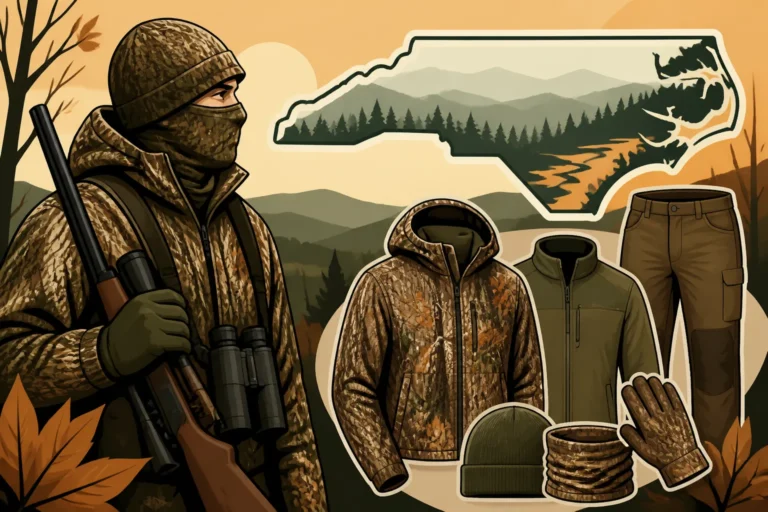
Beyond your waders and base layers, specific outerwear pieces are critical. A truly waterproof and windproof hunting jacket is paramount. This isn't just about comfort; it's about preventing hypothermia in exposed conditions. Look for jackets with good pocket placement for calls, shells, and hand warmers, and a hood that can be cinched down tight to block wind and rain. Many hunters prefer a waterproof shell over a separate insulating layer, allowing for maximum flexibility. Waterproof gloves are also essential. Your hands will get wet, whether it's from handling decoys, retrieving birds, or just the spray from the boat. Neoprene gloves or waterproof insulated gloves will keep your digits functional.
Don't forget your head! A significant amount of body heat is lost through an uncovered head. A warm, windproof beanie or a balaclava is a must-have. On colder days, a hooded jacket over your beanie provides an extra layer of protection. Many folks use a face mask or neck gaiter to protect against biting winds, especially during boat rides across the open sound. Keeping your core warm starts with good layers and ends with protecting your extremities, so treat your hands, feet, and head as priorities.
Waterfowl Shotguns and Ammunition Choices
Your shotgun is your primary tool for bringing down birds, and its performance, combined with the right ammunition, is critical for clean kills on the open waters of Currituck Sound. The specific conditions and regulations necessitate careful consideration of your setup.
Selecting a Reliable Waterfowl Shotgun
For waterfowl hunting on Currituck Sound, reliability is king. You'll be exposed to saltwater, sand, mud, and often very cold temperatures, all of which can be hard on a firearm. Semi-automatic shotguns are a popular choice due to their ability to quickly deliver follow-up shots, which can be crucial when a flock of divers zips through your spread. Brands known for their robust and dependable semi-autos are often favored. Over/under or side-by-side shotguns can also be used, particularly for those who prefer the classic feel and don't need the quick third shot, though they require more precise aiming on incoming birds. Pump-action shotguns are perhaps the most reliable of all, less prone to cycling issues in adverse conditions, but also slower for follow-up shots.
Regardless of the action type, consider a synthetic stock and forend, as wood can swell, warp, and get damaged in wet environments. A durable finish, such as Cerakote or a corrosion-resistant treatment, will help protect your investment from the harsh saltwater environment. Gauge choice often comes down to personal preference and target species, with 12-gauge being the most common and versatile, offering the widest range of ammunition choices. Some hunters might opt for a 20-gauge for lighter carry and recoil, especially for smaller ducks, while others might go with a 10-gauge for larger geese at longer ranges, though 12-gauge is usually sufficient for everything the Sound has to offer.
Choke Selection for Different Scenarios
Choke tubes are essential for tailoring your shotgun's pattern to the specific shooting situation. For waterfowl, you'll typically use a range of chokes, from improved cylinder to full, depending on the range of your shots and the species you're targeting. When birds are working in close, perhaps landing right in your decoys, an improved cylinder or modified choke will give you a wider pattern, making it easier to hit fast-moving targets at short range. This is often the case with puddle ducks like teal and mallards.
For diving ducks that might be flying faster or holding just outside your tighter decoys, or for geese that are often shot at longer distances, a modified or improved-modified choke is frequently a good choice. Some hunters even carry a full choke for very long shots on geese, but remember that tighter chokes can be less forgiving. Experimenting with different chokes and ammunition loads at the range is crucial to understand how your specific shotgun patterns. This ensures you're putting enough pellets on target for a clean, ethical kill without peppering the air with a pattern that's too wide or too tight for the situation.
Understanding Non-Toxic Shot Requirements
North Carolina, like all states, requires the use of non-toxic shot for all waterfowl hunting. This is a federal regulation designed to prevent lead poisoning in waterfowl and other birds that ingest spent lead pellets. The most common non-toxic options are steel, bismuth, and tungsten-based loads. Steel shot is the most affordable and widely available, but it's lighter than lead, meaning it loses energy faster and can have a less dense pattern. To compensate, many hunters go up a shot size or two (e.g., using #2 steel where they might use #4 lead) and choose faster loads.
Bismuth shot is heavier than steel and performs more similarly to lead, offering better energy retention and denser patterns. It's also softer than steel, making it safe for older shotguns not rated for steel. Tungsten-based loads (like Hevi-Shot or similar alloys) are the densest, offering superior performance with excellent knockdown power and tight patterns, but they are also significantly more expensive. Your choice will depend on your budget, your shotgun, and the types of birds you're primarily pursuing. For hunters targeting various species across the sound, having a mix of loads can be beneficial, perhaps steel for close-range ducks and bismuth or tungsten for longer goose shots. Waterfowl Loads for Sound-Side Divers offers more details on this critical choice.
| Shot Material | Density (g/cm³) | Hardness | Cost | Pattern Density | Suitability for Older Guns |
|---|---|---|---|---|---|
| Steel | ~7.8 | Hard | Low | Good (larger size) | No (unless rated) |
| Bismuth | ~9.6 | Medium-Soft | Moderate | Excellent | Yes |
| Tungsten-Iron | ~11.0 | Hard | High | Excellent | No (unless rated) |
| Tungsten-Polymer | ~12.0 | Medium | High | Excellent | Yes |
| Tungsten Super Shot (TSS) | ~18.0 | Very Hard | Very High | Exceptional | No (choke dependent) |
Decoys and Spreads for Currituck Divers
The right decoys, deployed in an effective spread, are crucial for attracting waterfowl on Currituck Sound. Given the open water and often wary birds, understanding decoy types and spread tactics is paramount.
Types of Decoys for Currituck Sound
Currituck Sound is famously known for its diving duck hunting, but puddle ducks are also present, especially in shallower areas. Therefore, you'll likely want a mix of decoy types. For diving ducks like bluebills, redheads, and canvasbacks, large spreads of diver decoys are often most effective. These decoys are typically heavier, have shorter keels, and are designed to ride low in the water, mimicking active diving birds. Their darker profiles with white accents are highly visible against the open water. Many hunters also add a few "coot" decoys or "confidence" decoys, which are non-game birds that suggest a safe feeding area.
Puddle duck decoys (mallards, pintails, wigeon) are lighter, have longer keels, and float higher, mimicking birds dabbling in shallow water. If you're hunting closer to marsh edges or in areas where dabblers are more prevalent, these will be your primary focus. Adding motion decoys, such as spinning wing decoys (known as Mojos) or jerk strings, can significantly enhance the realism of your spread and attract birds from a distance. Just be aware of any regulations regarding the use of motorized decoys, as these can sometimes be restricted.
Effective Decoy Spreads for Divers and Dabblers
The vastness of Currituck Sound means that decoy spreads often need to be large and highly visible. For diving ducks, common spreads include large "J" or "V" shapes, with the open end facing into the prevailing wind. This creates a landing zone for incoming birds directly in front of your blind. Spreads of 50-100+ decoys are not uncommon for divers, especially when targeting wary birds. Some hunters swear by a "pod" system, where smaller, dense groups of decoys are placed at varying distances and angles.
For puddle ducks, especially if hunting near a marsh edge or a smaller pocket of water, a more naturalistic spread mimicking feeding birds can be effective. A loose "U" or "blob" with some open water in the middle, and perhaps a few "feeders" dabbling at the edges, works well. Placement relative to the wind is always critical, as ducks typically land into the wind. Therefore, your landing zone should be directly in front of your blind, downwind of your main spread. Consider wind direction when setting up, and if possible, use decoys that mimic the species currently frequenting the area. For more specific tactics, check out Decoy Spreads for Currituck Sound Divers.
Anchoring and Rigging for Open Water
The open, often windswept conditions of Currituck Sound demand robust rigging for your decoys. Standard string and clip systems might suffice for calm days, but strong currents and waves can easily tangle or drag decoys. Long-line rigging is a popular and efficient method for diver spreads. This involves running a heavy main line (often thick tarred trotline cord) with dropper lines attached at intervals, each leading to a decoy. This allows for quick deployment and retrieval of large numbers of decoys. Heavy weights (often 1-2 lbs each) are attached to the ends of the main lines to keep them in place.
Individual decoy rigging will require heavier weights than you might use in smaller ponds or rivers. Mushroom anchors, flat teardrop weights, or even concrete weights are used to ensure decoys don't drift away in strong winds or currents. The length of your decoy line should be appropriate for the water depth, allowing the decoy to float naturally without dragging the weight. Many hunters use an "anti-tangle" system, such as a large swivel or a short section of heavier line at the decoy end, to prevent lines from fouling. Investing in quality line and weights will save you immense frustration on a cold, dark morning.
Boats and Motors for Navigating the Sound
Hunting Currituck Sound necessitates a reliable boat and motor combination. This is not just a convenience; it's a critical safety component and the primary means of accessing prime hunting locations.
Selecting a Sound-Worthy Waterfowl Boat
When choosing a boat for Currituck Sound, stability, shallow-water capability, and seaworthiness are paramount. Jon boats are very popular due to their flat bottoms, which allow them to operate in extremely shallow water – a huge advantage in many areas of the Sound where depths can change rapidly. Look for wider jon boats (54-60 inches across the bottom) for better stability, especially when standing to shoot or retrieving decoys. Aluminum construction is durable and relatively lightweight, standing up well to bumps and scrapes. Deeper V-hull boats offer a smoother ride in choppy water but can struggle in the shallows.
Many hunters customize their jon boats with various features:
- False Floors: Keep gear dry and provide a level standing surface.
- Dry Storage: Essential for electronics, extra clothing, and calls.
- Spud Poles: Metal or fiberglass poles that can be driven into the muddy bottom to anchor the boat securely in shallow water, without relying on traditional anchors that might drag.
- Grass Rails: For attaching natural vegetation or camouflage netting to blend into the surroundings.
The size of the boat will depend on the number of hunters and the amount of gear you typically carry, but something in the 16-18 foot range is common for multiple hunters and a substantial decoy spread.
Outboard Motors and Shallow Water Considerations
Your outboard motor is your lifeline on the Sound. Reliability is key, so maintaining your motor diligently is non-negotiable. Horsepower requirements will vary with boat size and load, but enough power to get on plane efficiently is important for covering distances and getting to your spot quickly. Many hunters opt for reliable two-stroke or four-stroke outboards from reputable manufacturers.
For the notoriously shallow and often stump-laden waters of Currituck, specific motor types are highly advantageous:
- Outboard Jets: These motors replace the propeller with a jet drive, allowing the boat to operate in very shallow water without fear of prop damage. They are excellent for navigating skinny water but can be less efficient than props in deeper water and require more horsepower for the same thrust.
- Mud Motors (Surface Drive or Longtail): These specialized motors are designed to push boats through extremely shallow water, mud, and even over vegetation. Longtails are traditional and often simpler, while surface drives are more powerful and efficient. They are incredibly robust and can get you into places traditional outboards simply can't reach, but they are generally slower.
Consider your primary hunting areas and the typical water depth when making this crucial decision. Having a backup trolling motor or a push pole can also be invaluable if your main motor encounters an issue or you need to navigate silently into a spot. Marsh Boats and Push Poles provides more insights on specialized watercraft.
Essential Boat Safety and Navigation Gear
Safety on Currituck Sound is paramount, especially when operating in cold water and potentially remote areas. Every boat must be equipped with the legally required safety gear:
- Life Jackets (PFDs): One for every person on board, readily accessible. Wearing one at all times, especially in cold water, is highly recommended.
- Sound-Producing Device: A whistle, horn, or air horn.
- Visual Distress Signals: Flares or a flag for daytime, and a distress light for nighttime.
- Fire Extinguisher: If your boat has an enclosed fuel compartment or other requirements.
- Navigation Lights: Red/green bow lights and an all-around white stern light for pre-dawn or post-dusk travel.
Beyond the legal minimums, consider these additions:
- Anchor and Rope: A heavy anchor with plenty of line for deeper water or strong winds.
- Paddles/Oars: A backup propulsion method if your motor fails.
- Bailing Device: A bucket or bilge pump to remove water.
- First-Aid Kit: Comprehensive enough for minor injuries and severe cuts.
- Tool Kit: Basic tools for minor motor repairs, spare spark plugs, etc.
- Flashlight/Headlamp: With extra batteries, for navigating in the dark.
- Map/GPS: Even if you know the Sound well, conditions change. A reliable GPS or mapping app on your phone (like those enhanced by GoHunt's detailed satellite imagery) can be a lifesaver for navigation in fog or low light. Always carry a physical compass and chart as a backup.
- Communication Device: A fully charged cell phone (in a waterproof case) is standard, but a marine VHF radio is highly recommended for reliable communication across the vastness of the Sound, especially when out of cell range. Using NC Wildlife Without Cell Service is an important read for planning trips to remote areas.
Blinds and Concealment on Open Water
The open nature of Currituck Sound means effective concealment is crucial. Waterfowl have excellent eyesight, and a poorly hidden hunter will quickly send birds packing.
Types of Waterfowl Blinds for the Sound
Choosing the right blind often depends on your hunting style and location.
- Floating Blinds: These are permanent or semi-permanent structures typically built on a floating platform or pontoons. They offer excellent concealment, often resembling a small island or clump of marsh grass, and can be brushed in extensively. They provide comfortable shooting positions and ample space for hunters and gear. However, they are static and require significant effort to set up and move. They are often a feature of private leases or club hunting.
- Layout Blinds: While traditionally used for field hunting, specialized low-profile layout boats can be incredibly effective on open water, particularly for diving ducks. These allow hunters to lie nearly flat, merging with the decoy spread. They offer a very low profile and can be extremely well concealed with natural vegetation. They are mobile but generally limited to one or two hunters and require some effort to set up the blind's camouflage.
- Boat Blinds: These are typically pop-up or frame-style blinds that attach directly to your jon boat. They offer mobility, allowing you to move to where the birds are, and provide decent concealment once brushed in. They can be quickly deployed and packed down, making them versatile for hunters who don't have a permanent spot. They can also provide a bit of windbreak.
- Natural Cover: Sometimes, the best blind is no blind at all, but rather the strategic use of existing natural cover like cattails, reeds, or small clumps of marsh grass. This requires careful scouting to find suitable locations that birds are already using. You'll still need to enhance this natural cover with additional vegetation to ensure full concealment.
Brushing In Your Blind for Maximum Concealment
Regardless of the type of blind you use, "brushing in" is an art form. It's the process of adding natural vegetation to your blind to help it blend seamlessly into the surrounding environment. For Currituck, this typically means using local marsh grasses, cattails, reeds, or cedar branches. The goal is to break up the hard lines and unnatural shapes of your blind, making it disappear into the background.
When brushing, always use materials found in the immediate area to ensure a natural look. Cut fresh vegetation the day before or the morning of your hunt. Over time, cut vegetation will brown and wilt, so it's a good idea to refresh your blind periodically. Pay close attention to the top edges and corners, as these are often the most visible parts of a blind. Also, consider the angles from which the birds will approach. What looks good from your perspective might stick out like a sore thumb from above. A truly well-brushed blind will appear to be a natural part of the landscape, not a foreign object.
Adapting to Changing Conditions and Bird Behavior
Waterfowl on Currituck Sound can be incredibly wary, especially as the season progresses and they've been shot at. Your blind strategy needs to be adaptable. If birds are flaring consistently, it might be an issue with your concealment.
- Re-evaluate your position: Are you silhouetted against the sky? Is your blind casting a shadow?
- Check your brushing: Are there any gaps? Is your face visible? Wearing a face mask or face paint is almost always necessary.
- Minimize movement: Ducks and geese will spot the slightest movement. Remain still, only moving to call or shoot.
- Adjust decoys: If birds aren't working your spread, try adjusting the landing zone or adding/removing motion decoys. Sometimes, less is more.
The weather also plays a huge role. On bright, clear days, concealment needs to be even more meticulous. On overcast or foggy days, birds might be more forgiving, but good hiding is still critical. Pay attention to how the birds react. Are they circling wide? Are they veering off at a certain point? These observations will help you fine-tune your blind and hunting strategy for success. For more on coastal concealment, read Hunting Coastal Plain Pocosin Swamps, which shares similar principles.
Essential Electronics and Safety Gear
Beyond the basic boat safety items, certain electronics and specialized safety gear can significantly enhance your hunting experience and, more importantly, your safety on the vast and often treacherous waters of Currituck Sound.
GPS and Navigation Systems
A reliable GPS unit or a smartphone with a robust mapping application is an absolute necessity. Currituck Sound is enormous, and landmarks can be sparse, especially in fog or darkness. A GPS allows you to mark your blind location, identify channels, navigate safely around shallow areas, and find your way back to the boat ramp or launch point in adverse conditions. Many hunters use marine GPS units that are rugged and waterproof, designed for the harsh environment.
For smartphone users, apps like GoHunt can provide detailed satellite imagery, topographic maps, and even public/private land boundaries, all of which are invaluable for scouting and on-the-water navigation. However, always remember that phone batteries can die, and signal can be spotty. Carry a portable charger or, better yet, have a dedicated, waterproof GPS unit as a primary navigation tool, with your phone as a backup. Knowing your way around the Sound, even with technology, takes practice, so study your maps and learn the area before heading out.
Communication Devices for Remote Areas
Cell phone service on Currituck Sound can be unreliable, especially in more remote sections. Relying solely on your cell phone for communication in an emergency is a risk. A marine VHF radio is a highly recommended piece of equipment. These radios offer reliable communication with other boats, the Coast Guard, and emergency services over long distances, often beyond cell phone range. They are designed for the marine environment and are typically waterproof.
Consider a handheld VHF as a backup to a fixed-mount unit, or as a primary for smaller boats. Make sure you understand how to use it and know the emergency channels. Beyond radios, some hunters carry satellite communication devices that allow for text messaging or SOS calls even when completely out of cell range. These are a significant investment but offer unparalleled peace of mind for those venturing into the most remote parts of the Sound or hunting alone. Always let someone know your float plan – where you're going and when you expect to return – before you leave.
Lighting and Emergency Preparedness
Darkness is a significant part of waterfowl hunting, both pre-dawn and post-dusk. High-quality lighting is essential.
- Headlamps: These are invaluable, keeping your hands free for setting decoys, handling guns, or navigating your boat. Look for waterproof models with red light options (which preserves night vision and is less likely to spook birds).
- Spotlights: A powerful handheld spotlight or a fixed spotlight on your boat is crucial for spotting channel markers, hazards, or identifying your blind in the dark.
- Running Lights: Ensure your boat's navigation lights are in perfect working order.
Beyond lighting, emergency preparedness includes carrying essential survival items:
- Emergency Blankets: Mylar or wool blankets for warmth in a breakdown.
- Duct Tape/Zip Ties: For quick field repairs.
- Knife: A sturdy, sharp knife.
- Waterproof Container with Matches/Lighter: For starting a fire in an extreme emergency, though this is difficult on the sound itself.
- Extra Fuel: A small reserve tank of fuel can get you out of a bind if you miscalculate.
- Shovel/Spade: For digging out if you get stuck in mud.
- Warm, Dry Clothes: A spare set of clothes sealed in a waterproof bag can be a literal lifesaver if you take an unexpected plunge or get soaked.
Cold Weather Accessories and Comfort
Cold is often the biggest battle for Currituck Sound waterfowl hunters. Beyond your core clothing, several accessories are critical for maintaining warmth and comfort during long, cold waits.
Hand and Foot Warmth Solutions
Cold hands and feet can quickly turn a great hunt into a miserable, and even dangerous, experience. For your hands, waterproof gloves are a must, but even the best can get cold after hours. Many hunters layer thin, dexterous gloves under larger, insulated waterproof mittens or "shooter's" mittens with flip-open fingers. Hand warmers, either disposable chemical packets or rechargeable electric units, are highly effective. Place them in your gloves, pockets, or a hand muff.
For your feet, good insulated wader boots are the starting point. But beyond that, layering socks is key. A thin, moisture-wicking synthetic or wool sock next to your skin, followed by a thicker wool sock, works wonders. Again, avoid cotton. Chemical foot warmers are also very effective when placed on top of your toes. Make sure your wader boots aren't too tight with the extra socks, as restricted circulation will make your feet colder. Some hunters even bring a small, insulated mat or seat cushion to sit on, insulating them from the cold boat bench.
Portable Heating and Insulated Gear
While an open flame is generally a no-go in a blind, small, catalytic heaters designed for blinds or tents can provide a surprising amount of warmth. These heaters burn fuel without a flame, producing radiant heat. Always use them in a well-ventilated area to avoid carbon monoxide buildup and ensure they are stable and won't tip over. They can significantly increase comfort during long waits, especially on truly bitter mornings.
Beyond direct heat, insulated gear goes a long way.
- Thermos: A good quality insulated thermos filled with hot coffee, tea, hot chocolate, or even soup is a morale booster and provides internal warmth.
- Insulated Seat Cushions: Sitting directly on a cold boat bench or blind floor will sap your heat. A thick, insulated seat cushion or even a closed-cell foam pad can make a huge difference in comfort and warmth.
- Blind Bags: Your blind bag isn't just for carrying gear; a well-insulated blind bag can help protect your extra layers, food, and electronics from the cold, ensuring they're ready when you need them. Blind Bags and Cold-Weather Gear has more great ideas.
Food, Hydration, and Staying Energetic
Hunting on Currituck Sound is physically demanding, especially when retrieving birds or deploying decoys in adverse conditions. Staying properly fueled and hydrated is crucial for maintaining energy and body temperature.
- High-Energy Snacks: Pack calorie-dense, easy-to-eat snacks that won't freeze solid, like energy bars, nuts, dried fruit, or even sandwiches.
- Warm Drinks: As mentioned, a thermos with a hot beverage is invaluable.
- Water: Even in cold weather, you can become dehydrated. Carry plenty of water. Insulated bottles will prevent it from freezing.
Avoid excessive caffeine or sugary drinks, which can lead to energy crashes. A steady intake of nourishing food and warm liquids will keep your energy levels up, helping you stay focused and comfortable throughout the hunt. Remember, your body needs fuel to generate heat, so don't skimp on the food and drink.
Post-Hunt Gear: Retriever and Meat Care
The hunt doesn't end when the shooting stops. The retrieve and proper handling of your harvested game are just as important, and specialized gear makes these tasks easier and more efficient on Currituck Sound.
Retriever Dog Gear and Care
For many waterfowl hunters, a well-trained retriever is an indispensable partner. On the open water of Currituck, a dog can save you immense time and effort, retrieving downed birds from cold water, dense marsh, or open sound where a boat might struggle to maneuver. Essential gear for your retriever includes:
- Dog Vest: Neoprene vests provide vital insulation for your dog in cold water, helping to prevent hypothermia. They also offer protection from sharp obstacles in the marsh.
- Whistle/E-Collar: For clear and consistent communication with your dog, especially over distance or in windy conditions. Ensure the e-collar is waterproof and fully charged.
- Dog Stand/Platform: Keeps your dog out of the icy water and mud in the blind, conserving their energy and body heat.
- Towels: Plenty of towels to dry your dog after retrieves.
- Fresh Water and Bowl: Keep your dog hydrated.
- First-Aid Kit: Specifically for dogs, with items like wound care, paw protection, and any specific medications your dog might need.
Monitor your dog for signs of hypothermia, exhaustion, or injury. Their safety and well-being are just as important as your own. Dog Vests for Cold Water Retrieves covers this in more detail.
Game Management and Meat Preservation
Once your birds are down, proper handling is crucial for meat quality.
- Game Straps/Carriers: These help you efficiently carry multiple birds from the blind to the boat, and from the boat to your vehicle. Some have hooks or loops for easy attachment.
- Coolers: For longer drives, or if temperatures are mild, a cooler with ice is essential to keep your birds cool and prevent spoilage. Even in cold weather, keeping birds clean and chilled helps preserve flavor.
- Cleaning Supplies: A sharp knife, game shears, and a bucket of water for cleaning birds at the end of the day. Many hunters breast out their ducks and geese, leaving the carcass behind.
Remember, North Carolina has specific regulations regarding how you transport waterfowl, often requiring a wing or head to remain attached for identification purposes until you reach your permanent residence or a processing facility. Always check the current regulations.
Cleanup and Gear Maintenance
The saltwater environment of Currituck Sound is incredibly corrosive. Post-hunt, thorough cleanup and maintenance of your gear are crucial to ensure its longevity.
- Firearm Care: Immediately after each hunt, clean and oil your shotgun, paying special attention to removing all salt residue. Disassemble it, clean the action, barrel, and all metal parts, then apply a good rust preventative.
- Boat Wash: Rinse your boat, motor, and trailer thoroughly with fresh water to remove all salt. Pay attention to the motor's lower unit.
- Decoy Wash: Rinse your decoys to remove salt, mud, and debris. Store them properly to prevent tangles.
- Waders/Outerwear: Hang waders to dry completely inside and out. Clean and dry your outer layers. Store all gear in a clean, dry place, ready for the next adventure.
Neglecting post-hunt cleanup will inevitably lead to rust, corrosion, and premature failure of your expensive gear. A little effort after each hunt goes a long way in protecting your investment and ensuring you're ready for the next outing on the Sound.
Disclaimer
This article is for general informational purposes only and does not constitute professional advice. Laws, prices and regulations vary by location and change over time. Consult a qualified professional for guidance on your specific situation.