North Carolina’s Blaze Orange and Pink Options
It's incredibly frustrating when you're gearing up for a hunt in North Carolina, trying to make sure you're doing everything by the book, only to find yourself swimming in a sea of confusing regulations about blaze orange and now, blaze pink. You want to be safe, you want to be legal, but sometimes it feels like you need a law degree just to figure out what color vest to wear. This guide is here to untangle all that, giving you a clear picture of when, why, and what high-visibility clothing North Carolina requires for hunters.
Understanding North Carolina's Blaze Orange Mandates
For many hunters, especially those new to the sport or those coming from states with different rules, the concept of blaze orange can feel like a moving target. North Carolina has clear requirements, primarily focused on safety during periods of increased hunting pressure and specific weapon seasons. It's not just a suggestion; it's a mandatory safety measure designed to make hunters visible to each other, reducing the risk of accidents.
When Blaze Orange is Required
The primary mandate for blaze orange in North Carolina kicks in during any gun deer season, whether it's the statewide general gun season or the muzzleloader season. This includes public and private lands, regardless of the game you're pursuing. So, if you're out squirrel hunting with a shotgun during the peak of gun deer season, yes, you still need to wear blaze orange. The spirit of the law is that if any gun hunting for deer is occurring, everyone in the woods needs to be highly visible. This also extends to bear hunting during its open seasons when firearms are used, particularly in areas like the Mountain Bear Zones or the Coastal Bear Pocosins.
It's a common point of confusion. You might be focused on small game, thinking "I'm not deer hunting, so I don't need it," but the law is about the presence of deer hunting with firearms. Imagine you're still-hunting a ridge for squirrels and suddenly a deer drive moves through an adjacent property. Your bright orange makes you stick out like a beacon, a good thing when high-powered rifles are in use. Always check the specific dates for North Carolina's Four Gun Deer Zones to be certain.
Minimum Display Requirements
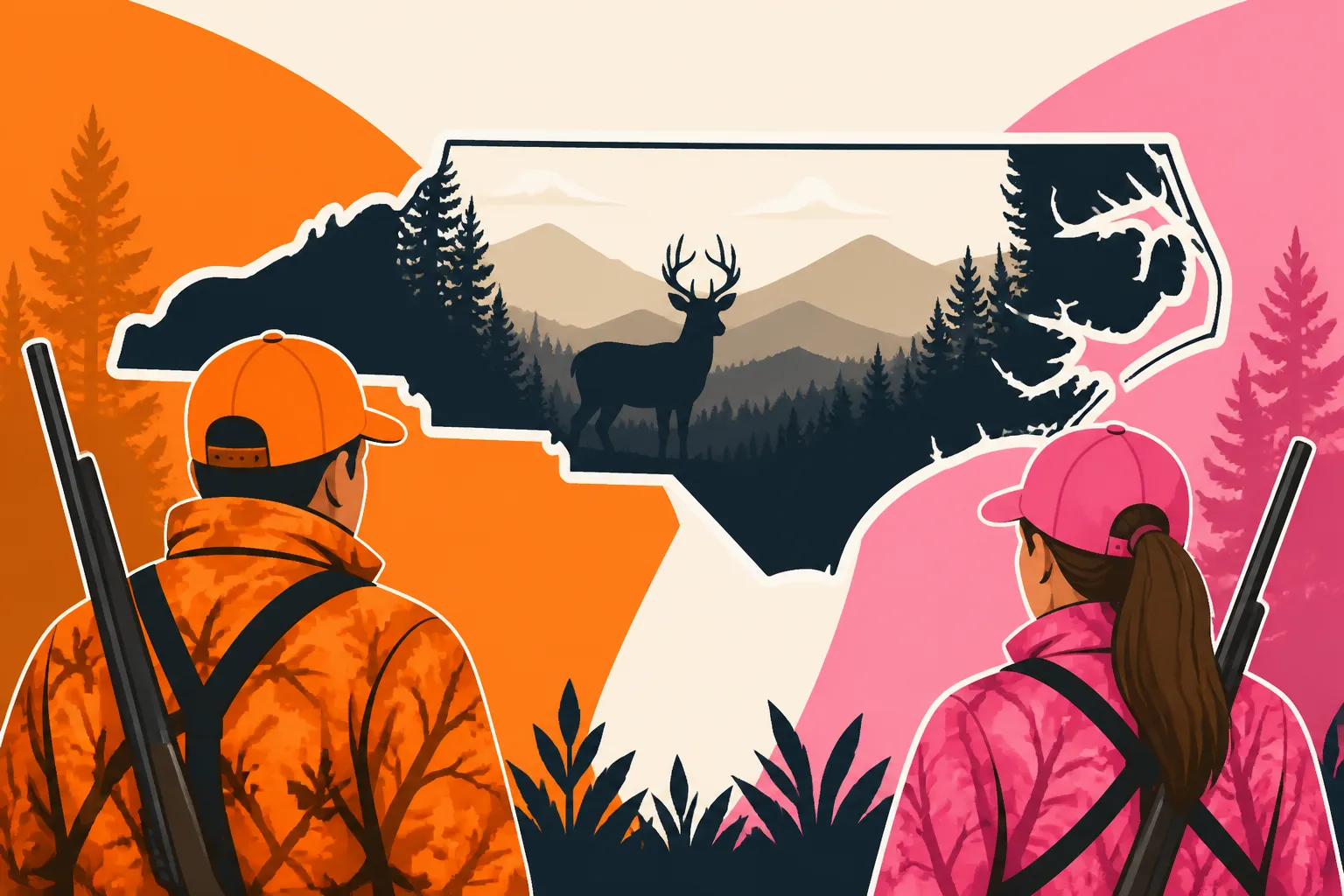
North Carolina is pretty specific about how much blaze orange you need to display. The rule states you must wear a cap or an outer garment visible from all sides, consisting of at least 500 square inches of solid blaze orange or fluorescent pink. That's a decent amount – roughly a vest and a hat will cover it for most adults. The key is "visible from all sides," which means a small patch on your back isn't going to cut it. You need something that wraps around you or is visible whether someone is looking at you from the front, back, or either side.
This requirement aims to prevent situations where a hunter might be partially obscured, leading to a dangerous misidentification. Think about walking through thick brush or sitting in a treestand with dense foliage around you. That 500 square inches, strategically placed, significantly increases your chances of being seen, even if you're not fully exposed. When you're planning your Rifle Setups for North Carolina Deer Hunting, remember to factor in your blaze orange gear as part of your overall kit.
The Rise of Blaze Pink: A New Option for Hunters
For a long time, blaze orange was the only color recognized for safety by most wildlife agencies. However, in recent years, blaze pink has emerged as an equally effective, and in some cases, even more visible alternative. North Carolina is one of the states that has embraced this option, giving hunters more choices.
When Blaze Pink is Legal
North Carolina's regulations now allow for blaze pink to be worn interchangeably with blaze orange. This means that whenever blaze orange is required, blaze pink is also a legal and acceptable alternative. The same rules apply: it must be a cap or an outer garment visible from all sides, consisting of at least 500 square inches of solid fluorescent pink. This change was largely driven by studies suggesting that for many, blaze pink is just as, if not more, visible to the human eye, while still being perceived as a neutral color by deer who see on a different color spectrum.
This is a fantastic development, offering more versatility and personal preference. Some hunters simply prefer the look of blaze pink, or it might be easier to find in certain styles or sizes. It's empowering to have that choice, particularly for new hunters or youth who might find blaze pink more appealing. Remember, the core goal is visibility and safety, and blaze pink achieves that just as effectively as orange.
The Science Behind Blaze Pink
The adoption of blaze pink wasn't just a whim; it's rooted in scientific understanding of human and animal vision. Studies have indicated that fluorescent pink can be highly visible against natural backgrounds, often standing out even more brightly than orange, especially in certain light conditions. For deer, who lack the full spectrum of color vision that humans possess, both blaze orange and blaze pink appear as shades of gray or brown, effectively making them invisible to the deer's eye in terms of color.
This scientific backing is crucial because it reassures hunters that they aren't compromising safety by choosing pink. For humans, the fluorescent quality of both colors makes them 'pop' from the greens, browns, and grays of the forest. So, whether you opt for orange or pink, you're making a responsible choice to enhance your visibility to fellow hunters, which is paramount when considering North Carolina Legal Firearms for Deer Hunting.
Specific Scenarios: When and Where to Wear It
Understanding the blanket rules is one thing, but hunting isn't always cut and dry. There are specific situations and locations in North Carolina where the blaze orange/pink rules might seem ambiguous or where local nuances apply. Let's break down some common scenarios.
Archery Season and Muzzleloader Season
Here's where it gets a little tricky, and often leads to confusion. During the dedicated Bowhunting North Carolina's Statewide Archery Season, blaze orange or pink is generally not required. Bowhunters rely on stealth and camouflage, and adding bright colors would counteract their primary hunting method. However, this changes if you are archery hunting during an overlap period when a gun season for deer (either muzzleloader or general gun) is also open in the same zone. If there's an overlap, even if you're using a bow, you must wear the required blaze orange or pink.
Muzzleloader season, on the other hand, is considered a "gun" season for deer. Therefore, anyone hunting during North Carolina's muzzleloader season, regardless of the game they're pursuing, must meet the blaze orange or pink requirements. This includes the dedicated North Carolina Muzzleloader Tactics phase that often precedes the full general gun season. It's always best to err on the side of caution. If there's any doubt about overlap, especially on public land where other hunters might be present, throw on that vest and hat.
Public Versus Private Land
The blaze orange and pink requirements apply equally to both public and private lands in North Carolina. There isn't a different set of rules for game lands versus a private hunting lease. If you're hunting deer with a firearm, or hunting any other species with a firearm during an open deer gun season, the 500 square inches of visible blaze orange or pink from all sides is mandatory.
While you might feel safer on a private tract you own or lease, where you know everyone present, the law doesn't make that distinction. It's designed for universal application across the state during specific seasons. This is especially important for folks who hunt small private tracts near public lands, or properties bordered by other private landowners. Even if you're just sitting on your own land, others might be hunting adjacent parcels, and your visibility is key to everyone's safety. Understanding Hunting Pressure on North Carolina Public Land might highlight why consistent visibility standards are so important.
Hunting with Youth and Mentored Hunters
When you're out mentoring a new hunter, especially a young one, safety is always the absolute top priority. North Carolina's North Carolina Mentored Youth Hunting Rules emphasize this. If a youth hunter is participating in any gun deer season, or any hunting during which blaze orange/pink is required, they must also adhere to the same visibility standards. This means a cap and outer garment displaying 500 square inches of blaze orange or pink.
Teaching good safety habits from the start is crucial, and wearing appropriate high-visibility gear is a fundamental lesson. It instills the understanding that being seen by other hunters is just as important as seeing your target. For parents or mentors planning a hunt, ensuring the youth's gear meets these requirements well in advance is a must. Don't forget that during the special Hunting the North Carolina Youth Deer Weekend, all hunters on the ground (youth and mentor) will likely need to be in blaze orange or pink if firearms are being used for deer.
Beyond the Law: Why Visibility Matters
While the law dictates minimum requirements, proactive hunters often choose to wear more high-visibility clothing than strictly mandated. This isn't just about avoiding a citation; it's about fostering a culture of safety and responsibility in the woods.
Hunter Safety and Awareness
Blaze orange and pink exist for one fundamental reason: hunter safety. They significantly reduce the chance of a hunter being mistaken for game or being accidentally shot. Accidents, though rare, often stem from a lapse in judgment, poor target identification, or simply not seeing another hunter. By donning these bright colors, you're not only protecting yourself but also clearly communicating to every other hunter in the woods that you are a human being, not a deer or a bear.
Think of it as a universal signal. When you see that flash of orange or pink, your brain immediately registers "person." This allows you to process that information before you even consciously think about aiming your firearm. In the heat of the moment, or in fading light, that instant recognition can be the difference between a safe hunt and a tragedy. It's a testament to how crucial this seemingly simple piece of gear is in preventing accidents.
Respect for Other Hunters
Wearing blaze orange or pink, even when not strictly required by law (for instance, during an archery-only period when other hunters might still be out in camouflage for other species), is a sign of respect. It shows that you value the safety of others in the field as much as your own. In crowded areas, or on North Carolina Public Land Hunting Hours where you might encounter hunters with different objectives, being highly visible can prevent uncomfortable or dangerous encounters.
It's about creating a safe environment for everyone sharing the woods. No one wants to spend their time worrying about where every other hunter is located. By making yourself clearly visible, you contribute to a collective sense of security, allowing everyone to focus on their hunt with greater peace of mind. This mutual respect is a cornerstone of responsible hunting ethics.
Choosing Your High-Visibility Gear
With blaze orange and pink now both viable options, hunters have more choices than ever. But selecting the right gear isn't just about color; it's about comfort, durability, and practicality for North Carolina's diverse hunting conditions.
Vests, Hats, and Jackets
The most common ways to meet the 500 square inch requirement are through vests, hats, and jackets. A simple vest that goes over your regular hunting jacket or shirt, combined with a blaze orange or pink baseball cap, is often enough to meet the minimum. For colder weather, a full blaze orange or pink jacket might be a better option, providing both warmth and visibility. When looking for these items, consider the following:
- Fit: Does it fit comfortably over your other layers? Can you move freely, swing a shotgun, or raise a rifle without restriction?
- Material: Is it quiet? Rustling fabric can spook game. Is it breathable to prevent overheating, especially in North Carolina's milder early seasons, or insulated for colder late-season hunts? Many modern vests and jackets are made from soft, quiet fleece or technical fabrics.
- Durability: Will it stand up to briars, snags, and repeated washing? Hunting gear takes a beating, so investing in something robust pays off.
- Packability: Can it be easily stowed in your pack if you're walking in before legal shooting light and don't want to wear it until conditions require it?
GoHunt, the popular mapping and scouting app, often highlights specific land features or hunting zones where particular clothing might be more beneficial. While they don't sell physical gear, understanding your terrain and hunt type via their platform can help you decide if a lightweight vest or a full-blown jacket is more appropriate.
Practical Considerations for North Carolina Terrain
North Carolina's hunting terrain varies wildly, from the dense Pocosin swamps of the coast to the steep, rocky ridges of the mountains and the rolling farmlands of the Piedmont. Your high-visibility gear should be chosen with these environments in mind.
Consider a coastal hunt, perhaps in the Croatan National Forest, where humidity can be high and temperatures mild even into late season. A lightweight, breathable vest might be preferable to a heavy jacket. Conversely, if you're Cold-Weather Sitting Strategy in the Mountains, a full insulated jacket or thick fleece in blaze orange or pink could be essential for both warmth and visibility. For those long walks through thick briar patches, durable ripstop materials on your vest or jacket will save you from tears and snags. The ability to layer is also critical; a simple blaze orange or pink t-shirt as a base layer, combined with a vest, offers flexibility in changing weather.
| Gear Type | Typical Use | Pros | Cons |
|---|---|---|---|
| Blaze Vest | General gun season, over existing layers | Lightweight, affordable, versatile | Can snag easily, less insulation |
| Blaze Hat/Cap | Essential for head visibility, year-round | Simple, easy to carry, universally required | Minimal square inches, needs other layers |
| Blaze Jacket | Cold weather, dedicated outer layer | Maximum visibility, warmth, durable | Can be bulky, less versatile for layering |
| Blaze Rain Gear | Wet conditions, protects other layers | Waterproof, maintains visibility | Can be noisy, less breathable |
Common Misconceptions and FAQs
Despite the clear rules, certain myths and misunderstandings about blaze orange and pink persist. Clearing these up can help hunters stay safe and legal.
"Archery Season Means No Orange Ever"
This is a big one that can lead to dangerous situations. As mentioned, while dedicated archery seasons typically don't require blaze orange or pink, if archery season overlaps with any open gun season for deer in that zone, the high-visibility rules apply. Always check the annual North Carolina Hunting Regulations for the specific dates and zone information. You can't assume that just because you're carrying a bow, you're exempt. Many hunters forget about special early seasons, or the fact that some game lands may have specific rules that vary from statewide mandates. Using a tool like the Scouting With the NC Wildlife App or GoHunt can help clarify these overlaps by showing season dates specific to your planned hunting area.
"Private Land Means I Don't Need It"
Another persistent myth. North Carolina's regulations concerning blaze orange and pink are statewide and apply equally to private and public lands. There's no exemption for hunting on your own property or a leased tract. The safety principles remain the same: reduce the risk of mistaken identity for all hunters in the field. Even if you're the only hunter you know of on your private land, a neighboring property might have hunters, and projectiles can travel. It's best practice, and the law, to be visible.
"Blaze Pink Isn't as Safe as Orange"
Absolutely false. As discussed, scientific research supports blaze pink as being at least as visible, and often more so in certain conditions, than blaze orange to the human eye. North Carolina's Wildlife Resources Commission has officially recognized it as an acceptable alternative. Choosing pink is a perfectly safe and legal option for hunters who prefer it. It’s simply another tool in the hunter's safety toolbox, promoting maximum visibility without compromising the hunt itself. So whether you're heading out to the Eastern Zones for Hunting the Rut in the Eastern Zones or the Western Zone, feel confident choosing either color.
Disclaimer
This article is for general informational purposes only and does not constitute professional advice. Laws, prices and regulations vary by location and change over time. Consult a qualified professional for guidance on your specific situation.