Shed Hunting on North Carolina Public Land
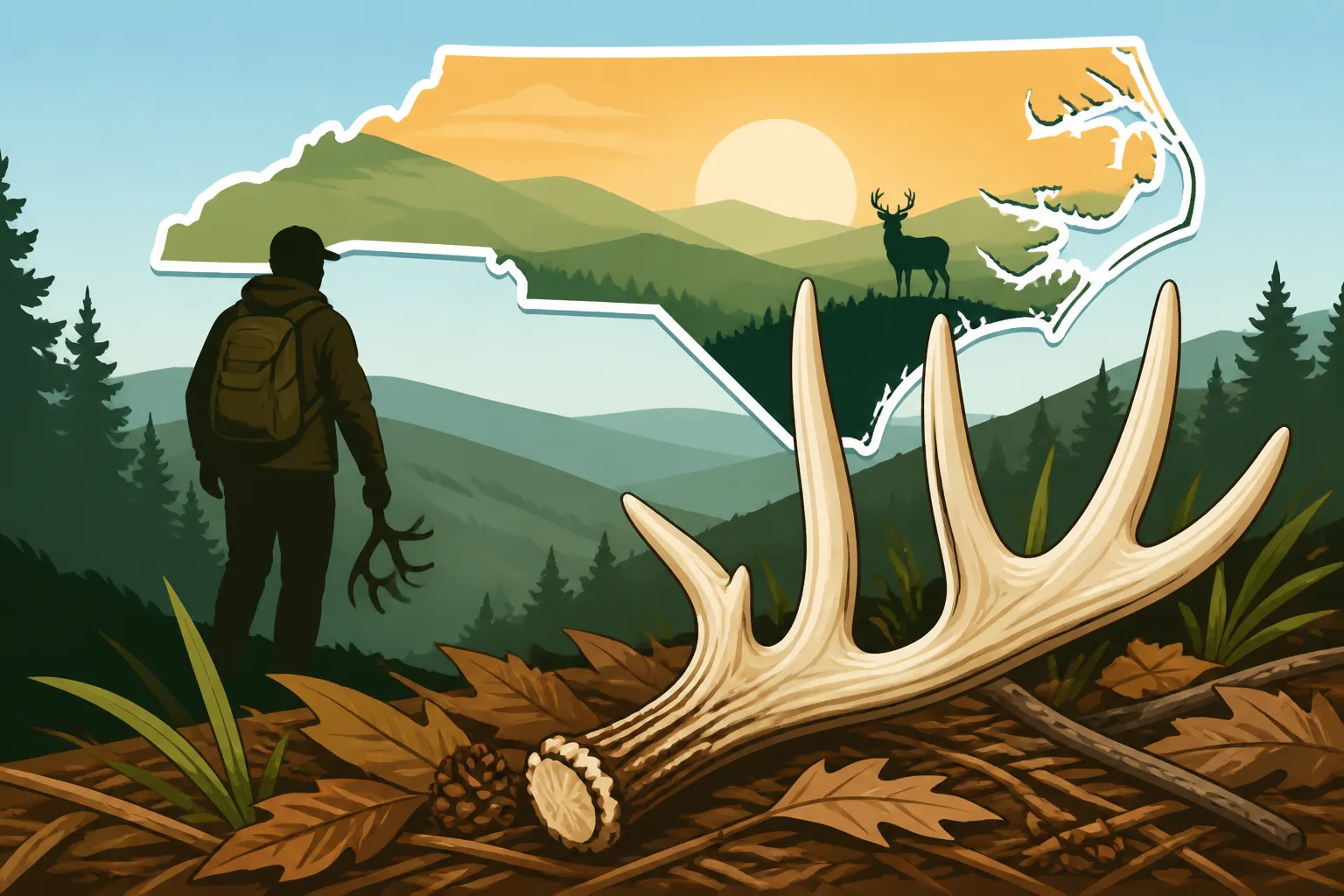
There’s a unique kind of treasure hunt that calls to us once the last rifle shot echoes and the deer seasons close: shed hunting. It’s a chance to extend your time in the woods, reconnect with the rhythm of nature, and maybe, just maybe, walk out with a piece of tangible proof of a buck you might have hunted (or will hunt) next season. But let's be real, finding a dropped antler on North Carolina's vast public lands can feel like searching for a needle in a haystack. It’s tough, it’s frustrating at times, and it often involves covering a lot of ground for little reward. This guide is all about helping you understand the "when," "where," and "how" of shed hunting here in the Tar Heel State, making your efforts on public ground more fruitful and your time in the quiet winter woods more rewarding.
Understanding North Carolina's Shed Drop
Before you lace up your boots and hit the timber, it’s crucial to understand when and why North Carolina bucks start shedding their antlers. This isn't a precise science, and a few key factors play into the timing, which can vary wildly even within the same county. It’s definitely not like flipping a switch where all bucks drop on the same day.
When Bucks Typically Drop Antlers in NC
Generally speaking, North Carolina bucks tend to shed their antlers from late January through early March. However, this is just a broad guideline. Several factors influence when an individual buck will drop its headgear. Genetics play a huge role, with some bloodlines naturally holding antlers longer. Nutrition is another big one; a buck that had access to rich food sources all year and went into the rut in excellent condition might hold his antlers later than a buck that barely survived the breeding season on poor forage. Age also matters; older, mature bucks often drop earlier than younger deer, as their bodies are typically more depleted after the rigors of the rut.
Weather can also have an impact, though perhaps not as dramatically as some believe. A harsh, prolonged cold snap can certainly stress deer and might cause them to drop a bit earlier, as their bodies divert energy from antler retention to basic survival. Conversely, a mild winter might see some bucks holding onto their antlers a little longer. For instance, in the mountains where winters are more severe, you might see earlier drops compared to the milder coastal plains. Keep an eye on your trail cameras if you run them post-season; a buck you’ve been watching suddenly appearing without antlers is your signal that it’s prime time to start looking.
Why Public Land Presents Unique Challenges
Shed hunting on North Carolina public land is an entirely different beast than looking on a well-managed private tract. For starters, the sheer amount of hunting pressure during the deer season pushes many mature bucks into hyper-reclusive patterns. They often become nocturnal and stick to the thickest, nastiest cover available, making them incredibly difficult to locate, let alone find their sheds, once the season ends. This means you’re not just looking for antlers; you’re looking for antlers in places deer felt safest from human intrusion for months.
Access can also be a significant challenge on public lands like the National Forests or Game Lands. While vast, many areas are remote, requiring long hikes deep into the woods, often without the benefit of well-maintained trails. The terrain can be rugged, from the steep slopes of the Pisgah National Forest to the dense, boggy pocosins of the Croatan National Forest. This limits how much ground you can realistically cover in a day. You're also competing with potentially dozens, if not hundreds, of other shed hunters, not to mention hikers, birdwatchers, and other outdoor enthusiasts who are all out there, eyes to the ground. It requires patience, persistence, and a willingness to walk miles for a single find.
Where to Focus Your Search Efforts
Knowing where to look is half the battle, especially on expansive public lands where deer could be anywhere. Bucks, after they've survived the rut and the hunting season, are all about conserving energy and finding readily available food. Thinking like a deer is your best strategy.
Key Terrain Features and Habitat Types
When a buck is ready to drop his antlers, he’ll often gravitate towards areas where he feels secure, has easy access to food, and doesn't have to exert much energy. These are your prime target zones.
Bedding Areas: These are often the first place serious shed hunters check. Think about where deer felt safe during hunting season. This typically means thick, dense thermal cover that provides shelter from winter winds and rain. South-facing slopes in the mountains can be goldmines, as they catch more sunlight and offer warmer bedding. In the Coastal Plain, look for dense pine thickets, impenetrable pocosin swamps, or stands of briars that offer both cover and some browse. These spots might be a pain to walk through, but deer love them precisely for that reason. A buck will spend a significant amount of time bedded down, and when those antlers loosen, a sudden jolt, a quick jump, or even just rolling over can cause one to pop off. Finding sign in big Pisgah timber and checking bedding areas is often a high-percentage play.
Feeding Areas: After the rut, bucks are often depleted and focused on replenishing their body condition. They’ll be seeking out whatever palatable winter food sources are available. This could be remaining mast crops like acorns (if it wasn't a poor acorn year), tender new growth in recent clear-cuts, or natural browse in hardwood bottoms. In some public areas adjacent to private land, deer might sneak into green fields planted for deer, though this is less common on public ground itself unless there are specific food plots managed by the NCWRC. Look for areas with concentrated deer sign—fresh tracks, droppings, and browsed vegetation. If deer are feeding heavily in an area, they're spending a lot of time there, increasing the chances of a shed being dropped.
Travel Corridors: Deer need to move between their bedding and feeding areas, and they prefer the path of least resistance or the path of most concealment. These travel corridors, or "transition zones," are fantastic places to find sheds. Think about natural funnels: narrow strips of woods between clearings, saddlebacks on ridges, creek bottoms that offer easy passage and cover, or the edges of thickets. Logging roads, old paths, and even fence lines can act as superhighways for deer. Pay close attention where deer might have to jump over an obstacle, such as a fallen log or a small ditch, as the impact can easily dislodge a loose antler. These are also great places for using a ground blind on North Carolina public land during the season, making them familiar territory to scout for sheds later.
Water Sources: While less about the physical act of shedding, water sources are integral to a deer's daily life, especially during dry spells or after particularly cold nights. Deer will visit creeks, ponds, and swampy areas regularly. As they move to and from these spots, or even dip their heads for a drink, a loose antler could fall. These areas, particularly creek bottoms, can concentrate deer movement and are often overlooked by other shed hunters who are solely focused on bedding or feeding.
Reading Sign and Historical Data
Shed hunting isn't just about aimlessly wandering; it's about intelligence gathering. The more you know about deer behavior in a specific area, the better your odds.
One of the best ways to improve your shed hunting success is to get out and scout the public land after hunting season closes but before the antlers drop, if possible. This allows you to identify fresh rubs and scrapes from the past rut, indicating areas where bucks were active. While a buck might not shed exactly on a rub line, it tells you he was spending time there. Look for well-worn trails, fresh tracks in mud or soft earth, and areas with concentrated droppings. These are all indicators of current deer activity. The more sign you see, the higher the likelihood that a buck spent enough time there to shed an antler.
Utilizing mapping tools can dramatically improve your efficiency. Modern apps like GoHunt or onX Hunt are invaluable. You can use them to identify bedding areas by looking for dense cover, pinpoint potential feeding areas by examining satellite imagery for old clear-cuts or agricultural fields (even adjacent private land can draw deer off public), and mark travel corridors. With GoHunt, you can even save waypoints for past buck sightings or areas where you found significant sign during the season, creating a historical data layer that guides your post-season search. You can trace back the routes you hunted during the season, recalling where you saw deer move, and then concentrate your search in those precise spots. Reading aerial photos for Piedmont deer can reveal subtle nuances in habitat that a ground view might miss, helping you predict movement patterns.
Strategic Approaches to Shed Hunting Public Land
Once you know when and generally where to look, it’s time to develop a solid strategy. Public lands in North Carolina demand a more thoughtful approach than simply hoping to stumble upon a trophy.
Grid Searching and Systematic Coverage
When you're facing hundreds or thousands of acres of public land, a systematic approach is key to maximizing your chances. The "grid method" is a popular and effective way to ensure thorough coverage. Instead of wandering randomly, pick a section of woods, whether it's a 20-acre block of pines or a 50-acre hardwood ridge, and walk it in parallel lines, keeping your eyes peeled.
Imagine your chosen area and break it down into manageable strips. Walk one strip, then turn around and walk a parallel strip back, overlapping slightly to ensure you don't miss anything. The spacing between your lines depends on the visibility—in thick pine or briar patches, you might only be able to see 10-15 yards to either side, so your strips will be narrower. In more open hardwoods, you might widen that to 20-30 yards. This method ensures you cover every inch of ground. When dealing with rugged terrain, like the side of a mountain, you might need to contour the slopes, walking in a zig-zag pattern or following elevation lines, rather than trying to walk straight up and down. For example, if you're shed hunting a Blue Ridge Escarpment ridgeline, focus on the benches and saddles, and then systematically grid the slopes below, paying attention to wind and thermals on a Blue Ridge slope. This takes discipline, but it prevents you from walking past a shed simply because you weren't looking in the right direction.
Leveraging Technology and Tools
In today's age, technology is an indispensable tool for the serious shed hunter. Gone are the days of paper maps and compasses (though it's always wise to carry them as a backup).
Your smartphone, equipped with a robust mapping app like GoHunt, is your best friend. Before you even step into the woods, use GoHunt to meticulously scout the area from home. Identify those bedding thickets, food sources, and travel corridors. Mark potential hotspots as waypoints. Once you're on the ground, use the app to track your exact path. This not only shows you where you've been (preventing redundant coverage) but also allows you to mark the precise location of any sheds you find. When you find a shed, drop a pin, take a photo, and add notes about the habitat. Over time, this builds a personal database of where deer tend to drop their antlers on that specific piece of public land. You can see how deer move in relation to your entry routes through standing soybeans or how they use a funnel between two pocosins. GoHunt's detailed satellite imagery and property line features are especially useful for ensuring you stay on public ground and understand the lay of the land, even when you're without cell service. Don't forget a portable power bank, as these apps can drain your battery quickly.
Beyond your phone, a good pair of binoculars is highly recommended. Instead of just staring at the ground directly in front of you, periodically stop and scan the terrain ahead, especially areas with contrasting colors or textures like brown leaves against white antler bone. An 8x or 10x binocular can help you spot a shed from a distance, saving you steps. If allowed on your chosen public land, consider setting up a few trail cameras in post-season bedding or feeding areas. They can confirm when bucks have dropped their antlers and even tell you which specific deer are still holding on.
Timing Your Hunts and Weather Considerations
The timing of your shed hunts can be just as crucial as the location. While the general window is late January to early March, refining that timing can greatly increase your success.
The optimal time to hit the woods is a couple of weeks after you believe most bucks in your target area have dropped. This gives the antlers time to actually fall, but hopefully, before too many other hunters have scoured the area. Paying attention to trail camera photos from friends or local hunting forums can give you clues. A good time to go is after a significant cold snap, as stressed deer might drop sooner. Similarly, a fresh layer of snow can make sheds pop against the white background, but be warned, once that snow melts, it can make brown antlers blend even more perfectly with wet leaf litter.
Avoid going out too early when many bucks are still carrying their antlers. Not only will you likely find nothing, but you could also be putting unnecessary pressure on deer that are already stressed from winter conditions and the rut. The goal is to find sheds, not to harass the deer herd. Similarly, consider the impact of recent rainfall. A light rain can sometimes make sheds appear cleaner and stand out, but heavy downpours can push leaves around, burying sheds or making them incredibly difficult to spot. Always check the weather forecast and dress appropriately for a long day in potentially cold, damp conditions.
| Factor | Optimal Shed Hunting Conditions | Less Ideal Conditions |
|---|---|---|
| Deer Drop Timing | 2-3 weeks after most local bucks have dropped | Too early, many bucks still carrying |
| Ground Visibility | After leaf fall, before spring growth | Thick undergrowth, tall grasses |
| Weather | Light snow cover (then melts), cool & dry | Heavy rain, very dense fog, extreme wind |
| Deer Activity | Deer active in bedding/feeding areas (post-rut) | Deer heavily pressured, entirely nocturnal |
| Competition | Weekdays, early morning, less popular areas | Weekends, popular public access points |
Public Land Specifics and Ethical Considerations
Shed hunting, like any outdoor pursuit on public land, comes with its own set of rules and a code of ethics. Being a responsible shed hunter helps preserve the resource and ensures access for everyone.
Rules and Regulations for Shed Hunting in NC
The good news is that in North Carolina, shed hunting is generally permitted on most public lands, including Game Lands managed by the North Carolina Wildlife Resources Commission (NCWRC) and the extensive tracts of the National Forests like Pisgah, Nantahala, and Croatan. Unlike hunting, there isn't typically a specific season or permit required to simply pick up a shed antler you find. This is because sheds are considered natural detritus, much like a fallen branch.
However, it's crucial to always verify the specific rules for the particular Game Land or National Forest you plan to visit. While general shed hunting is allowed, some areas might have specific restrictions. For instance, wildlife refuges may have stricter rules, or certain areas might be temporarily closed for prescribed burns or wildlife management activities. Always check the NCWRC website for specific Game Lands regulations or the U.S. Forest Service website for National Forest rules. While you don't need a hunting license to pick up sheds, if you plan to carry a weapon for personal protection or dispatching a nuisance animal like a coyote, ensure you understand all firearm carry laws and seasons. It’s also vital to avoid disturbing wildlife, especially during late winter when deer are often at their most vulnerable. Respect their space, particularly if you encounter them in bedding areas.
Respecting the Resource and Other Users
Just because you're out looking for sheds doesn't mean you're the only one using the public land. You'll likely encounter hikers, dog walkers, birdwatchers, and perhaps even other shed hunters. Politeness and respect go a long way. A simple nod or "good morning" can foster a positive environment.
Leave no trace of your presence behind. Pack out everything you pack in, and if you see any trash, consider packing that out too. Public lands are a shared resource, and we all have a responsibility to keep them clean. Be mindful of private property boundaries adjacent to public land. While you might be able to retrieve a legally harvested deer from private land with permission, shed antlers found on private land generally belong to the landowner, and crossing a boundary without permission is trespassing. Always know where you are on your GoHunt app or other mapping tool to avoid conflicts.
Finally, shed hunting is about the pursuit, the walk, and the connection with nature, not just the antler itself. It's not about poaching or taking advantage of stressed animals. If you encounter a sick or injured deer, report it to the NCWRC. Enjoy the quiet solitude of the winter woods, the physical challenge, and the thrill of the find, however rare it may be. It’s a wonderful way to extend your hunting season and deepen your understanding of North Carolina's magnificent deer herd.
Disclaimer
Please remember that hunting regulations and public land rules can change. Always consult the most current North Carolina Wildlife Resources Commission (NCWRC) regulations and specific rules for any National Forest or Game Land before heading into the field. This guide is for informational purposes only and does not supersede official regulations.