Bear Bait Barrels and Legal Containers
The world of bear hunting in North Carolina is an incredible experience, but let's be honest, trying to navigate the rules around baiting can feel like you're lost in a thick swamp without a compass. It’s easy to get tangled up in what’s legal, what’s ethical, and what actually works without drawing unwanted attention from wildlife enforcement. This guide is here to untangle that knot, clarifying the official guidelines for bear bait barrels and legal containers so you can hunt confidently and within the bounds of the law.
Understanding North Carolina's Bear Baiting Regulations
Hunting black bears in North Carolina offers unique opportunities, particularly in the vast coastal pocosins and the rugged mountain terrain. However, the use of bait to attract bears is a topic with very specific regulations, and it's absolutely critical for every hunter to understand these nuances. The North Carolina Wildlife Resources Commission (NCWRC) sets these rules not just for fair chase, but also for public safety and the health of the bear population. Getting it wrong can lead to hefty fines and loss of hunting privileges, so this isn't an area where you want to guess.
Historically, baiting rules have evolved, often in response to conservation efforts and changing understandings of bear behavior. What might have been acceptable years ago could be strictly prohibited today. For instance, while certain areas permit baiting, there are strict rules about what constitutes bait, how much can be used, and how it must be contained. It’s a common frustration for hunters who just want to do things right, but find the language a bit murky. This isn't like deer hunting where a simple bag of corn is often understood; bear baiting requires more thought and preparation.
Legal Status of Bear Baiting by Zone
North Carolina is a diverse state, and its bear hunting regulations reflect that geographical and ecological variety. The state is broken down into specific bear management zones, each with its own set of rules regarding seasons, methods, and yes, even baiting. This can be a real headache, especially if you hunt in multiple regions. A setup that's perfectly legal in the Coastal Plain might land you in hot water if you replicate it in the mountains.
For example, many of the eastern counties, particularly those within the extensive coastal bear zones, historically have a more permissive stance on baiting. This is partly due to the dense, often impenetrable cover found in these areas, which makes traditional spot-and-stalk or still-hunting incredibly difficult. Here, baiting can be a practical method to draw bears into more accessible or visible locations. You'll often find hunters using large drums or specially designed feeders.
Conversely, in the Western Zone, particularly within the Pisgah and Nantahala National Forests, baiting is generally much more restricted or outright prohibited on public lands. The terrain is different, the hunting culture often leans more towards traditional methods like still-hunting and Spot-and-Stalk Tactics for Mountain Bears, and the sheer visibility in more open timber can make baiting less of a necessity. Always consult the current regulations for North Carolina's Twenty-Two Bear Management Zones before even thinking about setting up a bait site. It's not enough to know if baiting is allowed, but where and how.
Prohibited Baiting Practices
Beyond the zonal restrictions, there are universal prohibitions that apply statewide regarding bear baiting, regardless of whether a zone permits the practice in general. These are usually in place to prevent unsporting practices, minimize human-bear conflicts, and ensure the health of the wildlife. One of the biggest no-nos, for instance, is the use of certain types of attractants that could be harmful to bears or other wildlife, or those that could create an unnatural dependency on human-supplied food sources.
Think about it: leaving out buckets of rotting food that could spread disease, or placing bait too close to residential areas where it might draw bears into conflict with people, these are things the NCWRC actively seeks to prevent. It's not just about what you put out, but also where you put it and how you manage it. For example, some states have specific setbacks from roads, trails, or property lines for bait sites, and while North Carolina’s rules may vary, the spirit of responsible placement is universal. The idea is to attract bears for hunting, not to habituate them to humans or create nuisance animals. You can use mapping tools, like those available through GoHunt, to identify and mark potential bait sites well within legal parameters and away from sensitive areas.
What Makes a Bear Bait Barrel or Container Legal?
Once you've confirmed that bear baiting is allowed in your specific hunting zone and on your chosen land, the next hurdle is understanding the requirements for the containers themselves. This isn't just a suggestion; it's a critical legal detail that can mean the difference between a successful hunt and a violation. North Carolina's regulations often focus on ensuring that the bait is contained in a way that allows for "fair chase" and minimizes environmental impact. This usually means the bait can't simply be scattered on the ground.
The primary purpose of a legal container is to manage the bait, keeping it in one spot and often requiring bears to work at it, rather than just gorging themselves freely. This helps prolong the bait's effectiveness and adds a layer of challenge, maintaining the spirit of hunting. Improper containers can attract non-target species, create a mess, or even pose hazards to the bears themselves. It’s about being deliberate and responsible with your attractant.
Essential Characteristics of a Legal Bait Container
When it comes to bear bait barrels and containers, the NCWRC often specifies details about size, material, and how the bait is dispensed. While the exact wording might change, the underlying principles remain constant: controlled access and durability.
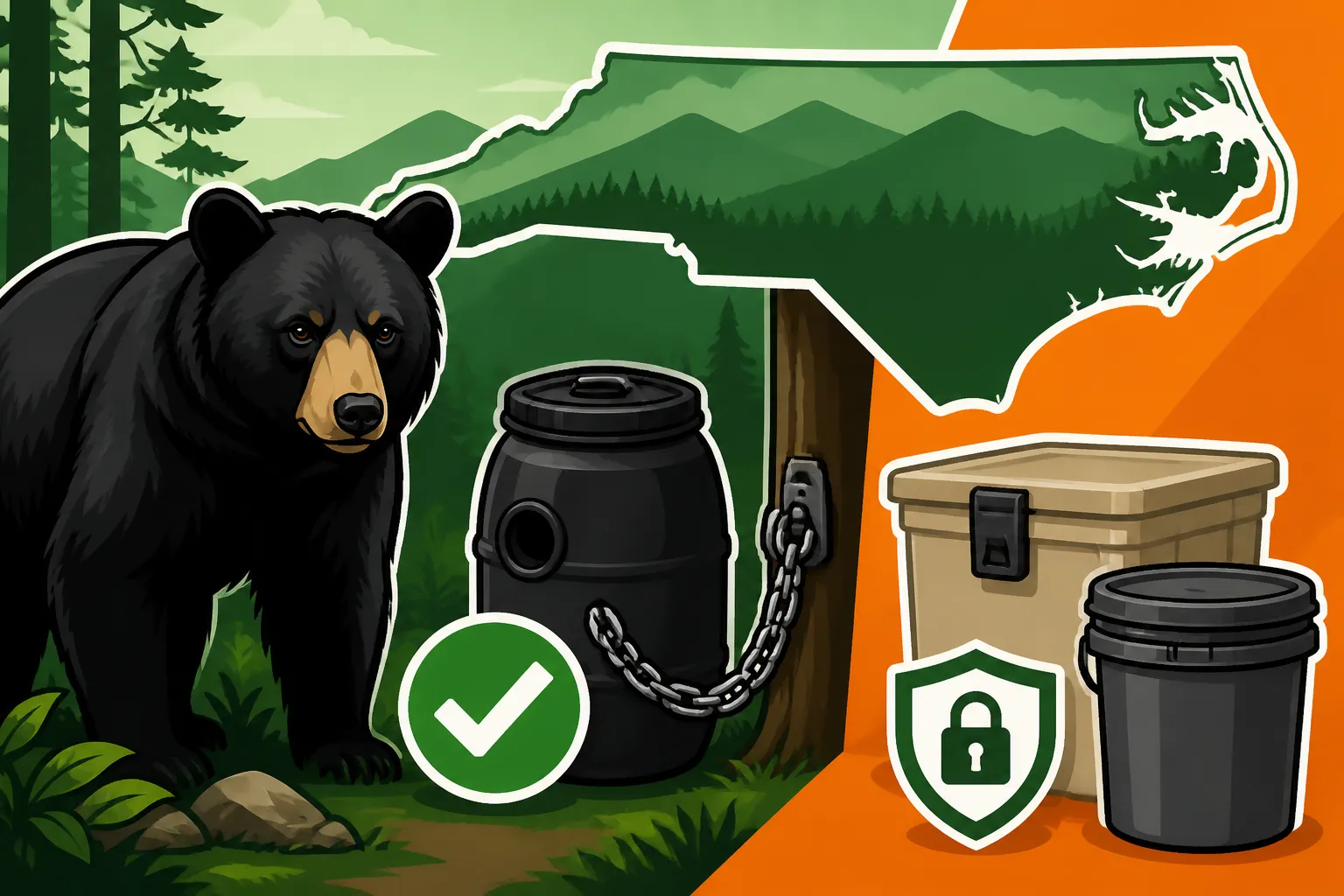
A common requirement is that the container must be sturdy enough to withstand a bear's attempts to access the bait. This usually means a metal drum or a heavy-duty plastic barrel designed for this purpose. Flimsy buckets or simple burlap sacks are generally not considered legal containers because they allow a bear to quickly destroy them and consume the bait without much effort, or worse, spread it across a wider area. The container also needs to be designed so that the bait is slowly dispensed or requires the bear to manipulate it. This isn't a free-for-all buffet; it's more like a puzzle feeder for a bear. Think of it as making the bear "work" for the reward, mimicking natural foraging more closely. You can find specialized feeders that meet these requirements, often with small openings or internal mechanisms that only release a portion of the bait at a time. This slows down consumption and keeps the bears coming back.
The material choice is also important for environmental reasons. You don't want containers that break down into hazardous fragments or leach chemicals into the soil. Food-grade plastic barrels or steel drums are popular choices for their durability and inertness. It's also often required that the container be anchored or secured to prevent bears from simply dragging it off into the woods, which could make tracking an ethical recovery incredibly difficult.
Here's a quick look at common features:
| Feature | Legal Requirement (Typical) | Avoid This |
|---|---|---|
| Material | Heavy-duty plastic (food-grade), steel/metal drum | Flimsy plastic, cardboard, cloth bags |
| Durability | Withstands bear manipulation, chewing, scratching | Easily torn, broken, or punctured |
| Dispensing | Slow-release, limited access, requires effort | Open top, scattered directly on ground |
| Anchoring | Secured to tree or ground, prevents removal | Loose, easily dragged away |
| Capacity | Varies by regulation, usually large drums | Small buckets, easily emptied in one visit |
| Cleanliness | Relatively clean, free of hazardous materials | Contaminated, rusty, chemical residue |
Placement and Maintenance Considerations
Beyond the container itself, how and where you place and maintain your bait station is just as important. The regulations often touch on proximity to roads, trails, water sources, and private property. You can't just drop a bait barrel anywhere. For instance, many regulations specify a minimum distance from public roads or established hiking trails to avoid attracting bears where they might encounter unsuspecting people or create a traffic hazard. Furthermore, placing bait near streams or rivers is often prohibited to prevent contamination of water sources.
Maintenance is also a key part of responsible baiting. This isn't a "set it and forget it" operation. You need to regularly check your bait station, not just to replenish the bait, but also to ensure the container is intact, the area is clean, and no non-target species are being unduly impacted. Neglected bait sites can become sources of disease, attract scavengers, or create an unsightly mess, all of which are detrimental to wildlife and the public's perception of hunting. Hunters who don't properly maintain their sites not only risk legal trouble but also give all hunters a bad name. Remember, you want to draw bears in a controlled, responsible manner, which takes effort. When you're scouting for the best spot, make sure to mark potential locations in a mapping app like GoHunt to ensure you're compliant with setback distances from roads or property lines.
Practical Considerations for Bear Baiting
So, you've got your legal container sorted and you know the regulations for your hunting zone. Great! But theory and practice can be two very different animals, especially when you're deep in the North Carolina woods, battling humidity, insects, and clever bears. There are several practical elements to bear baiting that can make or break your success, from choosing the right bait to ensuring your safety and the ethical treatment of the animal.
Bear hunting, especially over bait, is often a waiting game. You need to set yourself up for success long before the season opens, and continue to manage your site diligently throughout. This involves more than just dumping food in a barrel; it’s a strategic approach to understanding bear movements, their dietary preferences, and their wariness. It's about creating a consistent, attractive offering that encourages repeat visits without causing issues. North Carolina Bear Dog and Bait Rules are one thing, but how you implement them on the ground is another.
Choosing and Deploying Your Bait
The type of bait you choose can have a significant impact on your success. Bears are omnivores with incredibly keen senses of smell, but they do have preferences, and certain foods are simply more effective at luring them in. Sweet, high-calorie foods are often favorites. Doughnuts, pastries, stale bread, dog food, and certain fruits are all popular choices. You want something that has a strong scent to draw them in from a distance, but also something they'll enjoy and keep coming back for. Some hunters even use commercial bear attractants, which are highly concentrated scents designed to bring bears in.
When deploying, think about the bear's natural tendencies. They're opportunistic feeders. A consistent food source that's a little bit of a "challenge" to get will keep them interested. Don't just fill the barrel to the brim and expect it to last for weeks; monitor consumption rates. Consider how you'll transport the bait to your site, especially if it's a remote location. Large quantities of bait can be heavy and messy. If you're hunting in a particularly remote part of the Hunting Coastal Bears in Thick Pocosin Cover or a rugged mountain area, planning your access route for bait replenishment is as important as your stand access. You also need to consider the climate – what bait will hold up in the heat and humidity of early season, versus the colder, wetter conditions of late fall?
Safety and Ethical Considerations at the Bait Site
Your personal safety, and the safety of others who might stumble upon your bait site, is paramount. Bears, even when habituated to bait, are wild animals and can be unpredictable, especially if surprised or if they feel threatened. Always approach your bait site cautiously, making noise as you go to avoid startling a bear that might be feeding. Consider carrying bear spray, especially when checking or replenishing bait.
Beyond your immediate safety, there are broader ethical considerations. Never place bait in an area where it might attract bears into close proximity with residential areas, schools, or frequently used public trails. While you might be hunting in a legal zone, common sense and courtesy dictate avoiding areas where non-hunters might encounter a bear and create a dangerous situation. It reflects poorly on all hunters when baiting leads to conflicts. You'll want to ensure your site is well-hidden and clearly marked with appropriate signage if required by local regulations, especially if on public land. Tools like GoHunt can help you visualize distances from roads and population centers to ensure responsible placement.
Also, be prepared for a quick, ethical shot. Baiting is not an excuse for poor marksmanship. The bear should be dispatched humanely and quickly. This means knowing your effective range, practicing your shots, and understanding bear anatomy for proper shot placement. After the shot, be prepared for Handling a Bear After the Shot and to process the animal responsibly.
Common Mistakes and How to Avoid Them
Even with the best intentions, hunters can sometimes fall into common traps when it comes to bear baiting. These mistakes often stem from a misunderstanding of the regulations, underestimating the intelligence of bears, or simply failing to plan properly. Avoiding these pitfalls can save you time, money, and potential legal trouble, ensuring a more enjoyable and successful hunting experience. It’s about being proactive and thoughtful in your approach, rather than reactive.
Remember, the goal isn't just to put out food, it's to create a reliable, legal, and ethical hunting opportunity. Bears are incredibly smart animals, and they'll quickly learn patterns and identify potential threats. Your setup needs to be consistent and safe for both you and the bears.
Regulatory Violations
The most serious mistakes are, of course, regulatory violations. These can range from using an illegal container to baiting in a prohibited area or during a closed season. Many hunters get caught because they didn't check the specific rules for their particular bear management zone. North Carolina has distinct rules for different areas; what flies in a coastal county might be illegal in a mountain county.
- Failure to check current regulations: Regulations can change annually. Never assume last year's rules are the same. Always consult the most recent NCWRC hunting guide before setting up a bait site. This is where resources like GoHunt can be invaluable, as they often integrate current regulations or link directly to the official sources, making it easier to stay informed.
- Improper container use: As discussed, a simple bucket or a pile of food on the ground is often illegal. Ensure your barrel or feeder meets the specifications for durability and controlled dispensing. This prevents easy gorging and ensures the bait lasts longer, requiring bears to return repeatedly.
- Wrong location: Baiting too close to a road, private property without permission, or within a designated "no-baiting" zone are common and serious infractions. Use mapping tools to ensure your site is compliant with all setback requirements.
- Using prohibited attractants: While not strictly container-related, some substances are illegal to use as bait. Always stick to natural, non-toxic food items. North Carolina Bear Season Dates in the Mountains and North Carolina Bear Season Dates on the Coast can fluctuate, so confirm those before setting out any bait.
Ineffective Baiting Strategies
Beyond legality, many mistakes simply lead to ineffective baiting, meaning you're spending time, effort, and money without seeing the desired results.
- Inconsistency: Bears are creatures of habit. If your bait runs out, or you don't refresh it regularly, they'll move on to a more reliable food source. Establish a consistent resupply schedule and stick to it.
- Lack of scent control: Bears have an incredible sense of smell. While this helps them find your bait, it also helps them smell you. Minimize your human scent when tending the bait site to avoid educating bears and making them wary.
- Poor site selection: Even if legal, a bait site that isn't on a natural travel corridor, or is too exposed, may not be effective. Look for areas with fresh sign, good cover nearby, and clear shooting lanes. Think about where a bear would naturally travel from its bedding area to feeding areas.
- Ignoring non-target species: Sometimes other animals, like raccoons, opossums, or even coyotes, will hit your bait. While some incidental feeding is unavoidable, if non-target animals are depleting your bait faster than the bears can get to it, you might need to adjust your container or bait type.
- Starting too late: It takes time for bears to find a new food source and become accustomed to visiting it regularly. Don't wait until the week before the season to start baiting. Give yourself ample time, ideally several weeks or even a month, to establish a consistent pattern.
- Underestimating bear intelligence: Bears learn quickly. If they associate your bait site with human presence or danger, they will become nocturnal or simply abandon the site. Always approach quietly, leave quickly, and keep your presence minimal. For those Hunting Bears Over Natural Mast in the Mountains, understand that a natural food source might be more appealing, making your bait a secondary attractant during peak mast years.
Disclaimer
This article is for general informational purposes only and does not constitute professional advice. Laws, prices and regulations vary by location and change over time. Consult a qualified professional for guidance on your specific situation.