Dove Stools and Field Gear
There’s nothing quite like the excitement of opening day for dove season in North Carolina. The anticipation, the camaraderie, the fast-paced shooting – it’s a truly special experience. But if you’ve ever found yourself squirming on an uncomfortable bucket, constantly scrambling for shells, or feeling the sting of a thousand no-see-ums, you know that the right gear can make or break your enjoyment. This guide is all about diving deep into the often-overlooked essentials that ensure your time in the dove field is as comfortable and productive as possible, from the perfect stool to smart packing strategies.
The Foundation of Comfort: Choosing Your Dove Stool
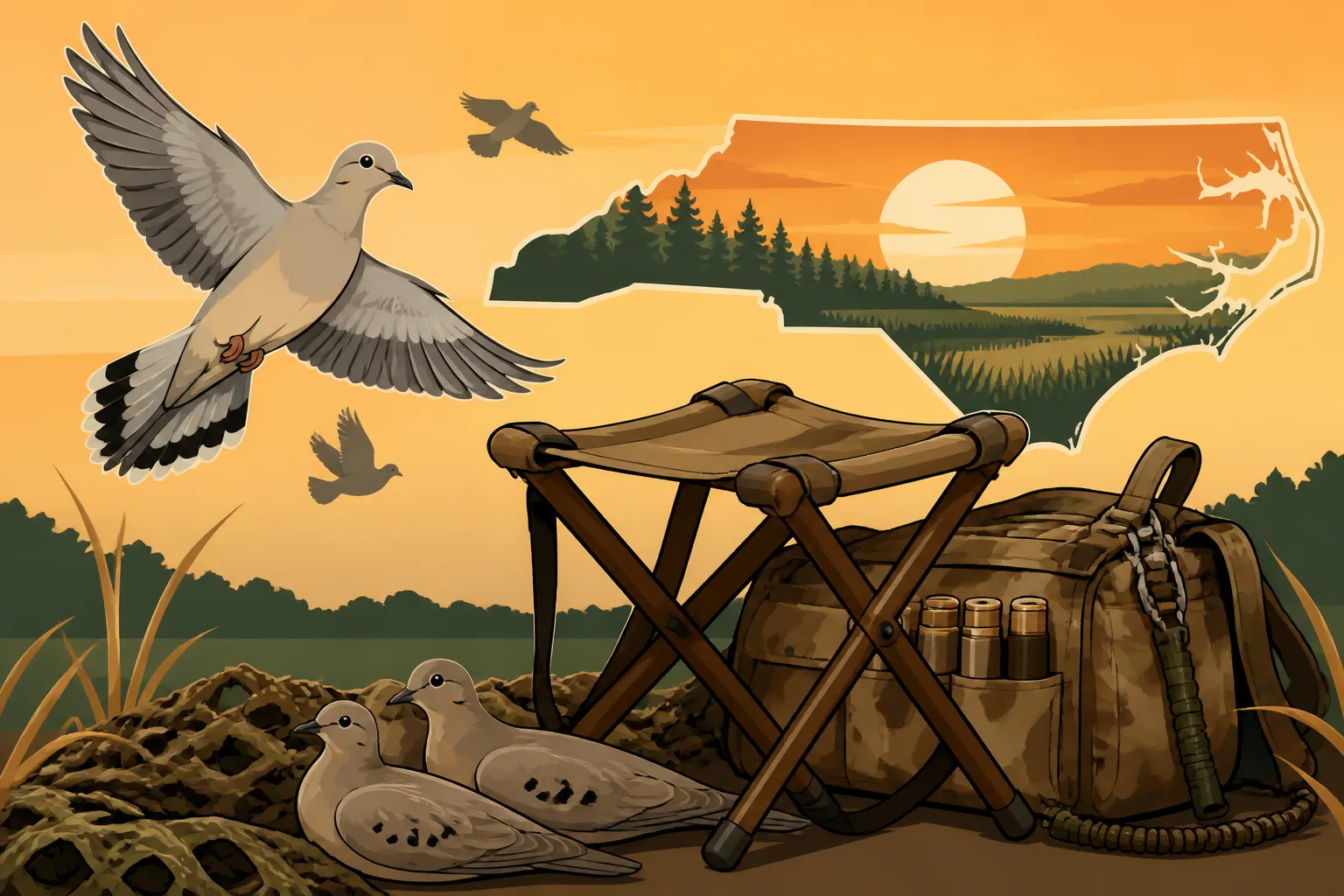
Let's face it, dove hunting involves a lot of sitting. You scout a prime field, set up your decoys, and then settle in, hoping for those birds to start flying. A cheap, flimsy stool or, worse, just sitting on the ground, can turn a fantastic afternoon into a back-aching ordeal. Investing in the right dove stool isn't just about luxury; it's about endurance and maintaining focus when the birds come in hot.
Lightweight Portability Versus Sturdy Comfort
When you're trekking across a large cut cornfield or winding through a soybean stubble field to get to your favorite spot, portability is a huge factor. Lightweight stools, often made of aluminum or similar alloys, are a dream to carry. They usually fold up compactly, can be strapped to a pack, or even carried with one hand. The trade-off, however, can sometimes be stability and long-term comfort. A super-light stool might feel a bit wobbly, especially on uneven ground, and its smaller seat often means less support for hours of sitting.
On the other hand, sturdier, slightly heavier options typically offer a wider, more padded seat and a more robust frame. These are fantastic if your setup doesn't involve a long hike, or if you can drive close to your chosen spot. Think about those fields where you simply pull off the road and walk a hundred yards. In such scenarios, the added comfort of a more substantial stool will far outweigh the slight increase in weight. It really boils down to your hunting style and the specific fields you frequent. Are you a minimalist, run-and-gun type, or do you prefer to find a good spot and settle in for the long haul?
Key Features to Look For in a Dove Stool
Beyond just weight and stability, a few features can elevate a simple stool to an indispensable piece of gear. First, consider the seat itself. A padded seat is almost non-negotiable for hours of sitting. Look for durable, weather-resistant fabric that won't absorb moisture if the morning dew is still lingering or a pop-up shower occurs. A swiveling seat is another game-changer, especially when Working a Dove Field on Opening Day where birds can come from any direction. It allows you to track birds and pivot for a shot without having to awkwardly shift your entire body, minimizing movement and reducing the chance of spooking incoming doves.
Height adjustability is also a big plus. Not every hunter is the same height, and not every shooting scenario is identical. Being able to fine-tune your stool height ensures your knees aren't jammed up to your chest, or your legs aren't dangling uncomfortably, and it allows you to adapt to varying terrain or cover. Some stools even integrate a small backrest or armrests, which might seem like overkill but can provide surprising relief over a long day. Finally, check for integrated storage options – perhaps a small pouch for calls or a water bottle.
Types of Stools for Different Hunting Styles
The market offers a surprising variety of dove stools, each suited for a particular hunter or situation. The most common is the simple folding tripod or quad-pod stool. These are lightweight, affordable, and get the job done for most hunters. They’re excellent for general field hunting, especially if you move spots frequently.
Then there are the bucket seats, often a favorite for their dual purpose. You get a comfortable, swiveling seat on top of a bucket that provides ample storage for shells, calls, snacks, and even a few retrieved birds. The downside is that they can be a bit bulkier and heavier to carry than a simple folding stool. However, for a dedicated setup where you don't need to move much, they offer excellent utility. Finally, some specialized hunting chairs incorporate features like built-in blinds or shooting sticks. These are often heavier and more expensive but offer maximum concealment and stability, perfect for a dedicated hide or if you're dealing with very wary birds. Think about how you typically hunt and what kind of convenience and support you prioritize.
Essential Field Gear Beyond the Seat
Your stool might be the anchor of your dove hunting setup, but it’s just one piece of the puzzle. Being truly prepared for a day in the field means having a host of other essentials that contribute to both your success and your comfort. These are the items that often get overlooked until you desperately need them.
Shell Management and Reloading Essentials
You can never have enough shells when Dove Hunting North Carolina Opening Weekend. Doves are notorious for their acrobatic flight, and even seasoned shooters will burn through a box or two, sometimes more, in a good day. Carrying enough ammunition is paramount, but so is managing your spent hulls. A dedicated shell bag or pouch, often integrated into a dove vest or worn on a belt, is invaluable. This keeps fresh shells readily accessible and provides a convenient place to stash your empties, preventing them from littering the field. Nobody wants to be fumbling around in a pocket for more shells while a flight of birds zips overhead.
For those long days, you might even consider bringing a small, sealable container for spent hulls if your bag doesn't have a separate compartment. This keeps them from mixing with your fresh rounds or falling out. Think about how many boxes of shells you typically go through and pack accordingly. It’s always better to have a few extra boxes in your vehicle or pack than to run out when the birds are really flying. Remember, a quick reload can be the difference between a limit and an empty cooler.
Hydration and Sustenance for Long Days
North Carolina dove season often kicks off in the late summer and early fall, meaning warm temperatures are the norm. Dehydration can sneak up on you, especially when you're focused on the birds and the sun is beating down. A good water bottle or hydration pack is absolutely non-negotiable. Freezing a bottle of water overnight can provide cold refreshment for hours, gradually melting throughout the day. Electrolyte drinks can also be a smart addition to replenish what you lose through sweat.
Beyond water, packing some snacks can keep your energy levels up. Granola bars, nuts, fruit, or even a sandwich can make a huge difference, especially if you plan to hunt through a midday lull or well into the afternoon. A small, insulated bag or cooler can keep your snacks and drinks cool and fresh. Don't underestimate the impact of a growling stomach or a parched throat on your concentration and overall enjoyment of the hunt. Being well-hydrated and fed helps you stay alert for those tricky Pass-Shooting Doves Over a Water Hole.
Sun, Bug, and Weather Protection
North Carolina weather can be notoriously unpredictable, especially during the transitional months of dove season. One minute it’s sunny and hot, the next a pop-up thunderstorm rolls through. Having versatile protection is key. A wide-brimmed hat or a baseball cap offers shade for your face and eyes, reducing glare and protecting you from the sun's harsh rays. Sunscreen is also a must, applied generously to any exposed skin.
And then there are the bugs. Mosquitoes, gnats, and ticks can be relentless in North Carolina fields. Insect repellent, preferably one containing DEET or picaridin, should be a permanent fixture in your dove hunting kit. For added protection, consider wearing lightweight, long-sleeved shirts and pants, even on warm days. Some hunters prefer permethrin-treated clothing for tick control. Finally, a lightweight rain jacket or poncho tucked into your pack can save you from an unexpected downpour. It doesn't have to be heavy-duty; just enough to shed water and keep you from getting soaked.
Carrying It All: Vests, Bags, and Packs
Once you’ve assembled your crucial gear, the next challenge is how to comfortably and efficiently carry it all into the field. Dragging a separate shell box, a cooler, and a backpack can quickly become a logistical nightmare. This is where specialized vests, bags, and packs come into play, designed to make your journey to and from the stand as seamless as possible.
Dove Vests: Hands-Free Convenience
For many seasoned dove hunters, a dedicated dove vest is the ultimate solution for hands-free convenience. These aren't just your standard shooting vests; they're designed with specific dove hunting needs in mind. Look for vests with large, easily accessible shell pockets – sometimes one on each side – that can hold a box or two of shells without making you feel bulky. Even better if these pockets have elastic loops or dividers to keep shells organized and from rattling around.
Beyond shells, a good dove vest will feature a large, rear game bag that’s accessible without having to take the vest off. This is where you’ll stash your harvested birds. Mesh construction for this game bag is ideal as it allows for airflow, helping to cool birds and prevent spoilage on warm days. Additional pockets for water bottles, calls, snacks, and perhaps a small first-aid kit are also common. A comfortable, well-fitting vest distributes weight evenly, making those walks to your setup much more pleasant, and helps you keep everything you need right at your fingertips when the action starts.
Field Bags and Backpacks for Extra Capacity
While a dove vest handles the immediate essentials, a small field bag or backpack can be invaluable for carrying everything else. This is where you’d stow your rain gear, extra water, snacks, a camera, or even a pair of binoculars for Scouting North Carolina Public Land Before Season. The key here is to find something that’s not too large or cumbersome, but offers enough capacity for what you need beyond your immediate shooting supplies.
Look for bags made from durable, quiet materials that won’t snag on brush or loudly announce your presence if you need to adjust something. Weather resistance is a huge plus, as is comfortable shoulder straps if you’re carrying any significant weight. Some hunters prefer a compact backpack that sits on their back, while others like a shoulder bag that can be set down next to their stool. If you use a particular mapping app, like the one offered by GoHunt, you might want a small, secure pocket for your phone to keep it protected but accessible for quick reference.
Game Hauling: From Field to Cooler
Once you’ve had a successful day of Hunting the Second Dove Split in October, the task turns to getting your birds home in good condition. While your vest's game bag is perfect for carrying them in the field, you'll need a better system for transport, especially on warm days. A small, insulated cooler with ice is absolutely essential. As soon as you finish hunting, or even periodically throughout the day if you have a cooler nearby, transfer your harvested doves to the ice. This helps cool them down rapidly, preventing spoilage and ensuring the meat is at its best.
Consider also bringing a few zip-top bags to separate birds if you're hunting with multiple people, or to keep them from getting waterlogged if the ice melts significantly. For those longer hauls back to the truck or camp, a dedicated game strap or bird carrier might come in handy, allowing you to carry a larger number of birds easily without straining your hands. Some hunters even bring a small, foldable cart or sled if they expect to haul a heavy load of gear and birds across a significant distance.
Beyond the Basics: Enhancing Your Dove Hunt
Once you've got your comfort and essentials dialed in, there are a few additional items and strategies that can really take your North Carolina dove hunting experience to the next level. These are the "nice-to-haves" that often become "must-haves" once you experience their benefits.
Decoys and Other Attraction Devices
While doves might seem plentiful, especially during peak migration, they can also be notoriously wary. Decoys can make a significant difference in drawing birds closer and holding their attention, giving you better, closer shots. Simple clip-on dove decoys that attach to fence lines, dead branches, or even your stool are a great starting point. Position them in small groups, mimicking birds feeding or resting.
For an even greater impact, consider a spinning wing decoy, like those that mimic a dove in flight. These can be incredibly effective at grabbing the attention of passing birds from a distance. Set them up about 15-20 yards from your position, perhaps near your stool, to draw birds into a prime shooting zone. Always be mindful of local regulations regarding electronic decoys, but for doves, they are generally accepted and highly effective. Don't forget a small, compact bag to carry your decoys safely without damaging them.
Retrievers and Their Important Gear
If you have a hunting dog, especially a retriever, bringing them along for a dove hunt can be immensely rewarding. They save you countless steps and ensure fewer birds are lost in thick cover. However, bringing a dog also means bringing their gear. A good quality lead and collar are obvious, but also consider a portable water bowl and plenty of fresh water for them. Dogs can overheat quickly in warm dove fields, so keeping them hydrated is crucial.
A dog blind or a mat can give your retriever a comfortable, low-profile place to rest and wait for commands. This keeps them hidden and prevents them from getting restless or interfering with your shot. Don't forget a first-aid kit specifically for your dog, including items for cuts, scrapes, or burrs. And always be aware of local regulations regarding dogs on North Carolina Public Land Hunting Hours or specific game lands you might be visiting. Companies like GoHunt, while primarily focused on scouting, often have articles or tips that touch on integrated hunting strategies, including those involving dogs.
First Aid and Safety Considerations
Safety should always be your top priority in the field. A compact first-aid kit is absolutely essential, not just for you but for anyone hunting with you. This kit should include basics like bandages, antiseptic wipes, pain relievers, mole skin for blisters, and any personal medications. Consider adding allergy medication if you or a hunting partner is prone to insect sting reactions.
Beyond the kit, always know your surroundings. Be aware of other hunters in the field, and always identify your target and what’s beyond it before taking a shot. Familiarize yourself with North Carolina Blaze Orange Requirements, even though they might be less stringent for dove hunting than for deer, wearing some form of high-visibility clothing is always a smart choice, especially on crowded public fields. Carrying a fully charged cell phone (though service can be spotty in some rural NC areas) and letting someone know your hunting plans and expected return time are also crucial safety practices.
| Gear Category | Essential Items | Notes |
|---|---|---|
| Comfort & Seating | Dove Stool (folding, bucket, or chair) | Padded seat, swivel feature, adjustable height recommended |
| Small Cushion (if stool unpadded) | For added comfort on long sits | |
| Ammunition | Shotgun Shells (adequate supply) | At least 3-4 boxes per hunter for an active day |
| Shell Bag/Pouch | Easy access to fresh shells, storage for empties | |
| Hydration & Food | Water Bottle/Hydration Pack | Large capacity, consider freezing water bottles |
| Snacks (non-perishable) | Granola bars, nuts, fruit, sandwich for sustained energy | |
| Small Insulated Cooler | For drinks, food, and initial bird cooling | |
| Protection | Hat (wide-brimmed or cap) | Sun protection, glare reduction |
| Sunscreen | Apply generously to exposed skin | |
| Insect Repellent (DEET/picaridin) | Crucial for mosquitoes, gnats, ticks | |
| Lightweight Rain Gear | Jacket or poncho for unexpected showers | |
| Bird Handling | Game Bag (mesh, integrated or separate) | For carrying harvested birds in the field |
| Game Strap/Bird Carrier | For easier transport of multiple birds from field to vehicle | |
| Safety & Misc. | First-Aid Kit (human & dog if applicable) | Bandages, antiseptic, pain relievers, personal meds |
| Charged Cell Phone | For emergencies (check service areas with apps like GoHunt) | |
| Blaze Orange/Pink Item | Hat or vest for visibility, especially on public land | |
| Knife/Multi-tool | General utility | |
| Headlamp/Flashlight (for evening hunts) | For walking out after dark |
Disclaimer
This article is for general informational purposes only and does not constitute professional advice. Laws, prices and regulations vary by location and change over time. Consult a qualified professional for guidance on your specific situation.