Bear Bait Barrels and Site Gear
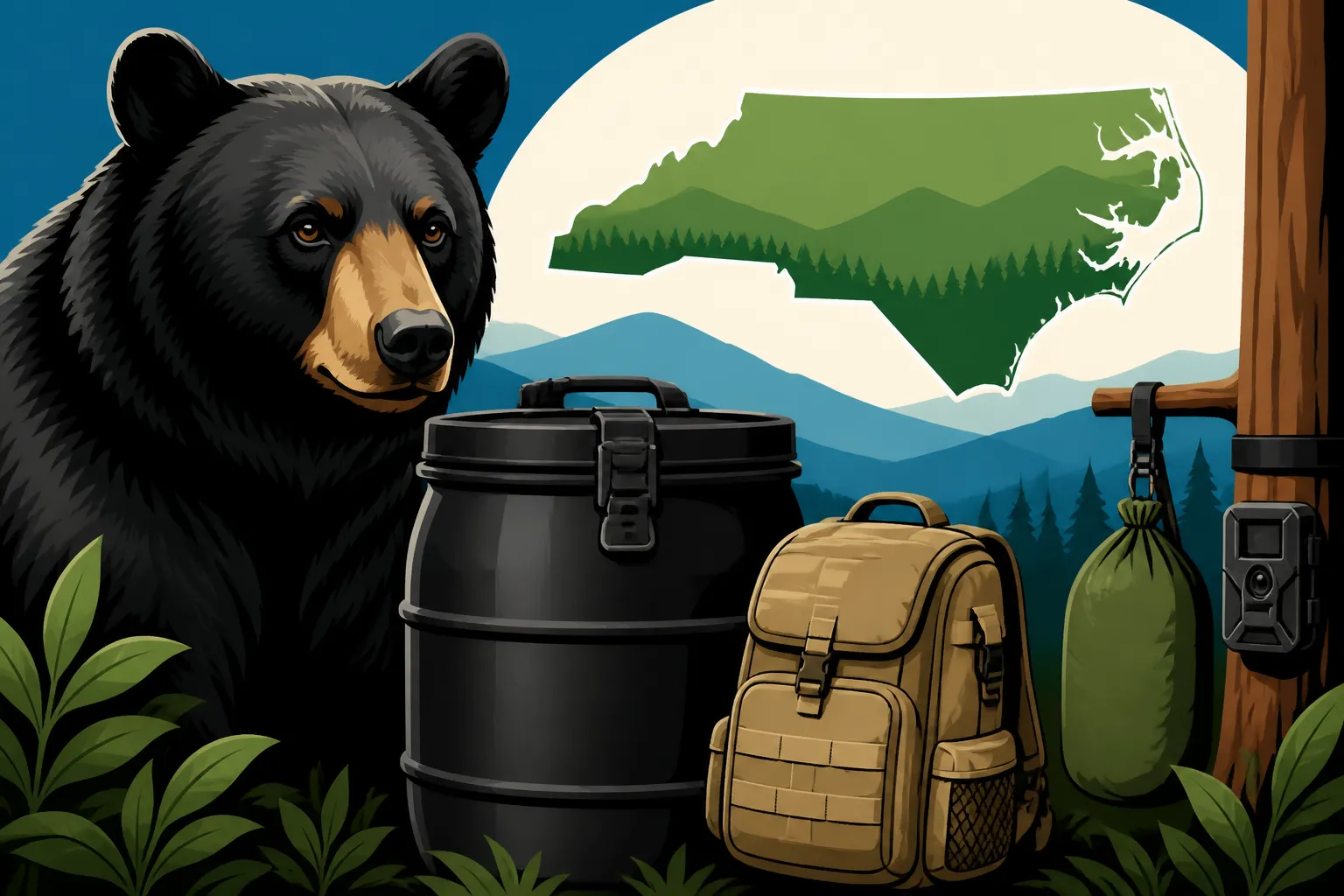
If you've ever dreamt of heading into the North Carolina woods for a chance at a majestic black bear, you know the preparation involved is immense. From understanding seasons to scouting prime habitat, it's a big undertaking. But when it comes to attracting bears to a specific location, particularly in the coastal plain or specific mountain zones where baiting is legal, having the right gear for your bait site is absolutely critical. This guide will walk you through the ins and outs of bear bait barrels and all the essential site gear you'll need to set up an effective and ethical bear bait station in North Carolina.
Navigating North Carolina's Bear Baiting Regulations
Before you even think about buying a barrel or a bag of corn, it's paramount to understand North Carolina's specific rules regarding bear baiting. These regulations are not only complex but also vary significantly depending on where you plan to hunt within the state. A misunderstanding can lead to fines, loss of hunting privileges, or worse.
Where Bear Baiting is Permitted
North Carolina is divided into various bear management zones, and within these zones, specific regulations apply to baiting. Generally, bear baiting is a legal practice in much of the state's eastern coastal plain and in certain designated areas of the mountains. However, it's strictly prohibited in others, particularly within the Pisgah and Nantahala National Forests, for instance. You absolutely cannot just set up a bait site anywhere you please. You need to consult the current North Carolina Wildlife Resources Commission (NCWRC) regulations or use a mapping tool like GoHunt to verify the legality of baiting in your chosen area. Ignoring these rules isn't just a slap on the wrist; it can mean a serious violation, and nobody wants that. It’s also crucial to remember that land ownership matters immensely. Baiting on public lands has its own set of very strict rules and often requires specific permits or is outright forbidden. Always double-check county-specific rules as well, as sometimes local ordinances add another layer of complexity.
Legal Bait Materials and Quantity Restrictions
Even where baiting is allowed, North Carolina has strict rules about what you can use as bait and how much of it. You can't just dump anything edible out there. The general idea is to use natural, non-toxic materials. Common legal baits often include things like corn, sweet potatoes, pastries, and even some commercial bear attractants. However, certain items, especially those considered household waste or items that might draw unwanted scavenger activity, are often prohibited. There are also quantity restrictions. You can't just create an enormous pile of bait. The goal is to provide an attractant, not to feed an entire bear population. These limitations are in place to ensure fair chase principles and to minimize potential negative impacts on bear behavior and other wildlife. For instance, in some areas, the amount of bait might be capped at a certain volume per week or per site. Always verify the current legal bait materials and quantity limits with the NCWRC regulations for the current season. Ignoring these specifics can make your carefully planned hunt illegal, and that's a headache no hunter needs.
Choosing the Right Bear Bait Barrel
Once you've confirmed the legality and specific regulations for your hunting area, the next critical step is selecting the right bear bait barrel. This isn't just any old container; it needs to be robust, secure, and able to withstand the incredible strength and persistence of a North Carolina black bear.
Barrel Material and Durability
When it comes to bear bait barrels, you're primarily looking at two main material types: plastic and metal. Each has its pros and cons, and your choice will likely depend on factors like your budget, how long you need the barrel to last, and how much abuse it's expected to take.
-
Plastic Barrels: These are often the more affordable and lighter option. You'll typically find heavy-duty plastic barrels, often repurposed food-grade drums, that can hold a good amount of bait. Their lighter weight can be a huge advantage if you're packing your barrel into a more remote area, such as a deep ravine in the Foothills or a hard-to-reach spot in the coastal swamps. However, plastic, no matter how heavy-duty, is no match for a determined bear's claws and teeth over time. They can be chewed through, cracked, or punctured, especially if a bear decides to really get at the goods. While some plastic barrels come reinforced or with steel bands, they generally have a shorter lifespan than their metal counterparts. You might find yourself replacing them every few seasons, or even sooner if you have a particularly persistent bear visiting.
-
Metal Barrels: Steel drums, often 55-gallon varieties, are the gold standard for bear baiting durability. These barrels are incredibly tough, virtually impervious to chewing, and can withstand a tremendous amount of battering. A bear can roll it, bat it around, and try to pry it open, but it's much harder for them to actually breach the metal itself. This durability means a higher upfront cost and significantly more weight, which can make transport a real challenge, especially in rugged mountain terrain or through thick Hunting Coastal Plain Pocosin Swamps. If you're setting up a long-term bait site that you want to last for years, or if you know your area has particularly aggressive bears, a metal barrel is almost always the better investment. Just remember, even metal barrels need proper securing to prevent bears from dragging them off.
Size and Capacity Considerations
The size of your bait barrel directly impacts how much bait it can hold and how often you'll need to replenish it. This is a practical consideration that depends on your hunting schedule and how frequently you can access your bait site.
-
Smaller Barrels (e.g., 30-gallon): These are lighter and easier to transport, making them a good choice for hunters who are backpacking into distant locations or those who can only carry so much gear. They're also less conspicuous, which can be a plus if you're concerned about other hunters spotting your site. The downside is that they hold less bait, meaning more frequent trips to refill. If you're only able to check your site once a week, a smaller barrel might be empty long before your next visit, potentially discouraging bears.
-
Larger Barrels (e.g., 55-gallon): These are the most common choice, offering a good balance of capacity and manageability. A 55-gallon drum can hold a substantial amount of bait, allowing for longer intervals between refills, which is ideal if your site is a long drive away or deep in the woods. While heavier, they offer greater stability once anchored. If you're targeting large coastal bears, which are known to grow to impressive sizes in North Carolina, a larger barrel can also withstand more abuse. However, getting a full 55-gallon barrel of bait into some of the tight spots in Treestand Setups in Pisgah National Forest can be a real workout, so plan your access routes carefully.
| Barrel Type | Pros | Cons | Ideal Use Case |
|---|---|---|---|
| Plastic Drum | Lighter, easier to transport, more affordable upfront | Less durable, vulnerable to chewing/cracking, shorter lifespan | Remote areas, short-term sites, budget-conscious hunters |
| Metal Drum | Extremely durable, resistant to chewing/battering, long-lasting | Heavy, difficult to transport, higher upfront cost, can be noisy | Long-term sites, high bear traffic areas, less remote access |
| Gravity Feeder | Dispenses bait slowly, less frequent refills (if large enough) | Can be expensive, mechanical parts can fail, not always bear-proof | Private land, consistent baiting over time, less human disturbance areas |
Essential Site Gear for a Successful Bait Station
A barrel alone won't cut it. To create an effective and legal bear bait site, you'll need a range of other gear to secure your barrel, manage scent, monitor activity, and ensure the safety of both yourself and the wildlife.
Anchoring and Security Systems
Bears are incredibly strong, and they will try to move your barrel. If it's not securely anchored, they'll drag it off, roll it into a creek, or simply make off with your expensive bait.
-
Cables, Chains, and Locking Mechanisms: Heavy-duty steel cables or chains are indispensable. These should be secured around the barrel and then anchored to a sturdy, immovable object like a large tree or a deeply buried post. Don't skimp on thickness; a bear can snap thinner chains. Use quality locking mechanisms, such as padlocks, to secure the lid of your barrel to prevent bears from simply flipping it open and emptying its contents. Remember that you’re not just trying to keep the bear out of the bait, but also to keep the bait at your chosen site. For example, if you're in an area with sparse, smaller trees, you might need to dig a deep hole and bury a T-post in concrete for a truly solid anchor point. GoHunt's mapping features can help you identify areas with good anchor trees if you're scouting new public land.
-
Ground Anchors and T-Posts: In areas where suitable trees are scarce, you might need to get creative. Heavy-duty ground anchors, often screw-in types used for securing small aircraft or mobile homes, can provide a surprising amount of holding power when driven deep into the earth. T-posts, pounded into the ground and perhaps secured with cross-bracing, can also serve as anchor points. The key is to make it as difficult as possible for a bear to dislodge the barrel. Think about the leverage a bear can exert; they'll use their weight and strength to try and move anything that smells like a meal. When you're in sandy soil on the coastal plain, you might need longer anchors than you would in the firmer soils of the Piedmont.
Scent Management and Attractants
Getting bears to find your bait is the first step, and that means managing scent effectively. This isn't just about putting out food; it's about sending a clear message to any passing bear's nose.
-
Commercial Scent Lures: While bait itself has a scent, commercial lures can greatly enhance the appeal of your site, especially in the initial stages. These come in various forms, from liquid sprays and gels to solid scent sticks. They often mimic natural bear foods or glands, designed to pique a bear's curiosity and draw them in from a distance. Apply these high up on trees surrounding your bait site, creating a wider scent cone that can carry further on the wind. Always check that any commercial attractant is legal for use in North Carolina, as some states have restrictions on certain types.
-
Natural Scent Dispersal: Beyond commercial products, think about how natural elements can help. Dripping molasses or spreading an oily, pungent bait (like pastries or grease) can create a long-lasting scent trail. Consider placing bait in a way that some small pieces fall out, leading a trail to the main barrel. Wind direction is critical here; position your site so the prevailing winds carry the scent into areas where bears are likely to travel. A veteran hunter I know in the Mountain Zone always puts a small bag of particularly smelly bait, like aged donuts, high in a tree about 50 yards upwind from his main barrel to act as a "first sniff" attractant.
Trail Cameras and Monitoring Equipment
Trail cameras are no longer a luxury; they're an essential part of effective bear baiting. They allow you to monitor activity without disturbing the site and provide crucial information about the bears in your area.
-
Camera Placement and Security: Position your trail cameras to get a clear view of the bait barrel and the primary approach trails. Aim them slightly downwards to capture a full view of the bear as it approaches and interacts with the bait. Conceal your cameras as best you can to deter theft and keep them out of direct sunlight, which can cause false triggers. Use security boxes or cables to protect them from curious bears and human interference. A bear will investigate anything new in its territory, and a camouflaged plastic box still smells new. Make sure the cameras are high enough that a bear can't easily knock them down or chew on them, but low enough to capture clear images or video of the animal's face and body. Trail Cameras on North Carolina Public Land covers more detailed strategies for camera deployment.
-
Memory Cards and Battery Life: Bears don't keep appointments. They can show up at any time of day or night, and you'll want your camera to be ready. Use high-capacity memory cards and long-lasting batteries. Consider lithium batteries for cold weather performance, especially if you're hunting in the colder months in the Western Zone or North Carolina Bear Season Dates in the Mountains. Some cameras offer external battery pack options, which can extend their operational time significantly. Check your camera settings; you might want shorter video clips or fewer photos per trigger to conserve battery life and memory if you have a lot of non-target animal activity.
Setting Up and Maintaining Your Bear Bait Site
Getting the gear is one thing, but setting up and maintaining your bait site strategically and consistently is where success truly lies. This involves thoughtful placement, diligent replenishment, and minimizing human disturbance.
Strategic Site Placement
Where you place your bait site can make all the difference. You're looking for a spot that is attractive to bears, easily accessible (for you), and offers good hunting opportunities.
-
Location Away from Human Activity: Bears are wary animals. While they might occasionally venture close to human settlements, they prefer quiet, secluded areas. Choose a site well away from hiking trails, roads, and residential areas. The less human presence, the more comfortable bears will feel approaching your bait. Look for remote corners of property, deep woods, or areas with thick cover that provide a sense of security for the bears. Using a mapping app like GoHunt can help you scout potential locations from afar, identifying dense cover, water sources, and potential travel corridors where bears might feel safe.
-
Proximity to Bear Sign and Water Sources: The best bait sites are often those already frequented by bears. Look for recent bear scat, tracks, rub trees, or claw marks. Setting up near a reliable water source (creeks, ponds, swamps) is also a major draw, as bears need water daily. Consider areas where different types of habitat converge—a thick pocosin edge bordering a pine plantation, for example, or a hardwood bottomland near a clear-cut. These "edge" areas are natural travel lanes for many species, including bears. Remember, a bear in North Carolina will spend a lot of time in dense cover, so placing your bait near that security is key.
Consistent Baiting Schedule
Bears are creatures of habit. Once they find your bait, they'll often return if it remains a consistent food source.
-
Frequency of Baiting: Consistency is paramount. Once you start baiting, try to visit your site on a regular schedule, even if it's every few days or once a week. If the barrel goes empty for extended periods, bears will lose interest and seek food elsewhere. The ideal frequency will depend on the local bear population density, the size of your barrel, and the type of bait you're using. If you're in an area with a high bear population, like some parts of the Coastal Bear Zones, you might need to check your site more frequently to keep it stocked.
-
Replenishing Bait and Scent: Don't just dump more bait in; ensure the barrel is functioning correctly, and refresh any external scent attractants. Top off molasses drips, spray new scent lures, or scatter fresh, aromatic bait around the site to renew its appeal. Bears have an incredible sense of smell, and a fresh burst of appealing scent can draw them back in even if they haven't visited in a few days. Remember, the goal is to keep them coming back regularly, creating a predictable pattern of behavior.
Minimizing Human Scent and Disturbance
Bears can detect human scent for a long time, and too much disturbance can make them wary, turning them nocturnal or pushing them out of the area entirely.
-
Approaching and Leaving the Site: Be mindful of your approach and departure. Walk-in and walk-out quietly, and consider using a different path each time if feasible, or at least being aware of the wind direction. Minimize the amount of time you spend at the bait site. Get in, replenish, check cameras, and get out. The less time you spend there, the less human scent you leave behind, and the less likely you are to spook a bear that might be nearby. Many hunters even wear rubber boots and wash their bait clothes in scent-free detergent when tending their sites, treating it almost like a scouting mission for deer.
-
Using Scent Control Products: While bears are less sensitive to human scent than, say, a mature whitetail buck, it still pays to reduce your odor. Wear clean clothes, use scent-eliminating sprays, and store your baiting gear separately from your hunting gear. Gloves are also a good idea when handling bait and equipment to avoid transferring human scent directly onto the barrel or surrounding trees. This becomes even more critical in the later stages of your baiting effort, when you want bears to be comfortable enough to visit during legal hunting hours.
Safety and Ethical Considerations for Bear Baiting
Bear baiting, while a legitimate hunting method in specific North Carolina zones, comes with significant responsibilities. Beyond the legalities, there are crucial safety and ethical considerations that every hunter must uphold.
Personal Safety Around Bait Sites
You're dealing with wild animals, and bears, especially when habituated to a food source, can be unpredictable.
-
Awareness of Your Surroundings: Always approach your bait site with extreme caution. Bears can be in the area, even during the day, especially if they are frequently visiting. Make noise as you approach to alert any animals, and pay attention to fresh tracks or sounds. If you encounter a bear at the site, back away slowly and give it plenty of space. Never try to chase a bear away or corner it. Your safety is always paramount. Carrying bear spray is a prudent choice, particularly in dense cover where an unexpected close encounter is more likely.
-
Hunting from a Secure Stand: When you are ready to hunt over your bait, do so from a secure, elevated stand. A well-placed treestand provides a safe vantage point and keeps you out of the bear's immediate line of sight and scent cone. Make sure your stand is sturdy, securely attached to a healthy tree, and that you are using a full-body harness. This is no different than setting up for deer, but the stakes can feel a little higher with a large bear potentially underneath you. Consider a stand that allows for a quiet entry and exit, minimizing the chance of startling a bear already at the bait. More information on Treestand Setups in Pisgah National Forest can offer guidance, even if you are not in that specific region.
Ethical Hunting Practices
Baiting offers unique advantages, but it also carries a greater responsibility to ensure a clean, ethical harvest.
-
Clear Shot Opportunities: Baiting often presents bears at closer ranges, offering the potential for a precise, ethical shot. However, it's critical to wait for a clear, broadside shot when the bear is calm and still. Never take a hurried or questionable shot. Know your weapon's capabilities and your own limitations. A wounded bear is a dangerous situation and an unethical outcome. Because bears can be so resilient, a well-placed shot is even more vital. Be sure to understand Shot Placement on a North Carolina Black Bear.
-
Respect for the Animal and the Resource: Remember that you are targeting a magnificent animal. Treat the bear and the hunting process with respect. This includes retrieving your animal promptly, minimizing waste, and adhering to all reporting requirements. North Carolina's bear population is a valuable resource, and responsible hunting helps ensure its health and future. Always adhere to North Carolina Bear Checking Requirements and other regulations once you've harvested an animal.
Maintaining Your Site Post-Season and Beyond
The hunting season might end, but your responsibilities to your bait site (and the environment) do not. Proper post-season management is crucial for the health of the local ecosystem and for maintaining a good reputation for hunters.
Removing Bait and Equipment
Once the bear season closes in your specific zone—whether it's the late coastal season or the earlier mountain closure—it's essential to cease baiting activities immediately and clean up your site.
-
Cessation of Baiting: Continuing to bait after the season closes is illegal and unethical. It habituates bears to human-provided food sources outside of the hunting context, which can lead to nuisance bear issues and conflicts with humans. As soon as the season ends, stop putting out bait. This helps bears transition back to natural food sources and reduces their reliance on artificial feeding.
-
Site Cleanup: All barrels, chains, trail cameras, and any other non-natural equipment must be removed from the woods. This includes any remaining bait material that isn't naturally consumed. Leaving trash or equipment behind is littering and harms the environment. It also creates a negative impression of hunters on other public land users and landowners. Take everything out that you brought in, leaving no trace. This also protects your valuable gear from weather damage or theft during the off-season.
Impact on Other Wildlife and Ecosystem
Bear baiting, even when done legally and ethically, can have broader ecological impacts that hunters should be aware of.
-
Non-Target Species Attraction: Your bear bait won't only attract bears. Other animals like deer, raccoons, opossums, and even coyotes will likely visit the site. While often harmless, this can sometimes lead to competition for food, or even potential disease transmission among animals congregating at the site. It's a natural part of the process, but something to acknowledge. Keeping your bait fresh and contained can help minimize some of these ancillary impacts.
-
Minimizing Environmental Footprint: Beyond removing your gear, consider the overall footprint of your site. Avoid creating excessive trails or damaging vegetation unnecessarily. The goal is to leave the woods as natural as possible. By choosing natural bait materials and cleaning up thoroughly, you're doing your part to ensure your hunting activities have minimal long-term impact on North Carolina's beautiful wild spaces. It's all about being a good steward of the land.
| Action Item | Timing | Key Considerations |
|---|---|---|
| Verify Regulations | Pre-season, annually | Zone-specific, public/private land, legal bait types, quantity limits. Check NCWRC. |
| Select Barrel & Gear | Pre-season | Durability (metal/plastic), capacity, anchoring strength, camera placement. |
| Site Placement | Pre-season, during scouting | Secluded, near water, existing bear sign, wind direction for scent dispersal. |
| Initial Baiting | 2-4 weeks before season (check regs) | Introduce scent, establish food source, use trail cameras to monitor activity. |
| Consistent Replenishment | During season, regularly | Prevent barrel from going empty, refresh scent, minimize human disturbance, check cameras. |
| Hunting | During season | Hunt from secure stand, wait for ethical shot, retrieve bear promptly, report harvest. |
| Post-Season Cleanup | Immediately after season close | Remove ALL gear (barrels, chains, cameras), dispose of any remaining bait, leave no trace. |
Bear baiting in North Carolina, when done correctly and responsibly, can be an incredibly effective and rewarding way to pursue the state's healthy black bear population. But it's a process that demands diligence, respect for the law, and a deep understanding of the animals you're pursuing. By choosing the right gear, setting up your site strategically, and committing to ethical practices, you'll not only increase your chances of success but also uphold the highest standards of conservation and sportsmanship in the North Carolina woods.
Disclaimer
This article is for general informational purposes only and does not constitute professional advice. Laws, prices and regulations vary by location and change over time. Consult a qualified professional for guidance on your specific situation.