North Carolina Snapping Turtle Harvest Rules
Navigating the specifics of North Carolina's hunting and fishing regulations can sometimes feel like trying to untangle a stubborn fishing line, especially when it comes to less commonly pursued species. Many folks wonder about harvesting snapping turtles, often finding conflicting information or a complete lack of clarity on the rules. This comprehensive guide aims to cut through the confusion, clearly outlining North Carolina's specific harvest rules for snapping turtles, ensuring you stay legal, safe, and ethical in your pursuit.
Understanding North Carolina's General Regulations on Reptiles and Amphibians
Before diving headfirst into snapping turtle specifics, it’s crucial to grasp the broader regulatory landscape for reptiles and amphibians in North Carolina. Unlike deer or turkey, which have very distinct seasons and bag limits that are widely known, the rules for many other species can be a bit more subtle, yet no less important. It’s easy to assume that if something isn't explicitly protected, it's fair game, but that's a dangerous assumption to make when dealing with wildlife laws.
The Importance of Legal Clarity
Many hunters and outdoor enthusiasts are primarily focused on big game or popular small game species, and the regulations for reptiles and amphibians often fly under the radar. This can lead to honest mistakes or, worse, unintended violations. The North Carolina Wildlife Resources Commission (NCWRC) has a structured approach to regulating all wildlife, including species that aren't typically thought of as "game." This framework ensures the conservation of populations while allowing for responsible harvest where appropriate. It's not just about what you can take, but also understanding why certain rules exist, often related to population health or habitat protection. Ignoring these can lead to steep penalties under North Carolina Wildlife Violation Penalties.
General Rules for Reptiles and Amphibians
In North Carolina, the general rule of thumb for most native reptile and amphibian species is that they are protected, and their collection, possession, or harvest is prohibited unless specifically permitted by regulation. This is a critical distinction from many game species where hunting is generally permitted unless explicitly closed. For example, you can't just go out and collect any snake or salamander you find; many are species of special concern or are outright protected. Snapping turtles, however, fall into a unique category, but even then, it's not a free-for-all. It’s always smart to consult the latest regulations or the NCWRC website if you have any doubt about a species you encounter.
Specific Rules for Snapping Turtle Harvest in North Carolina
When it comes to snapping turtles, North Carolina does permit their harvest, but it comes with a very specific set of regulations regarding seasons, limits, and methods. This isn't a "year-round free-for-all" like it is for Hunting North Carolina's Year-Round Feral Hogs, but a regulated activity that requires attention to detail. These rules are in place to manage the population sustainably, ensuring that these fascinating, ancient reptiles continue to thrive in our waters.
Season and Bag Limits for Snapping Turtles
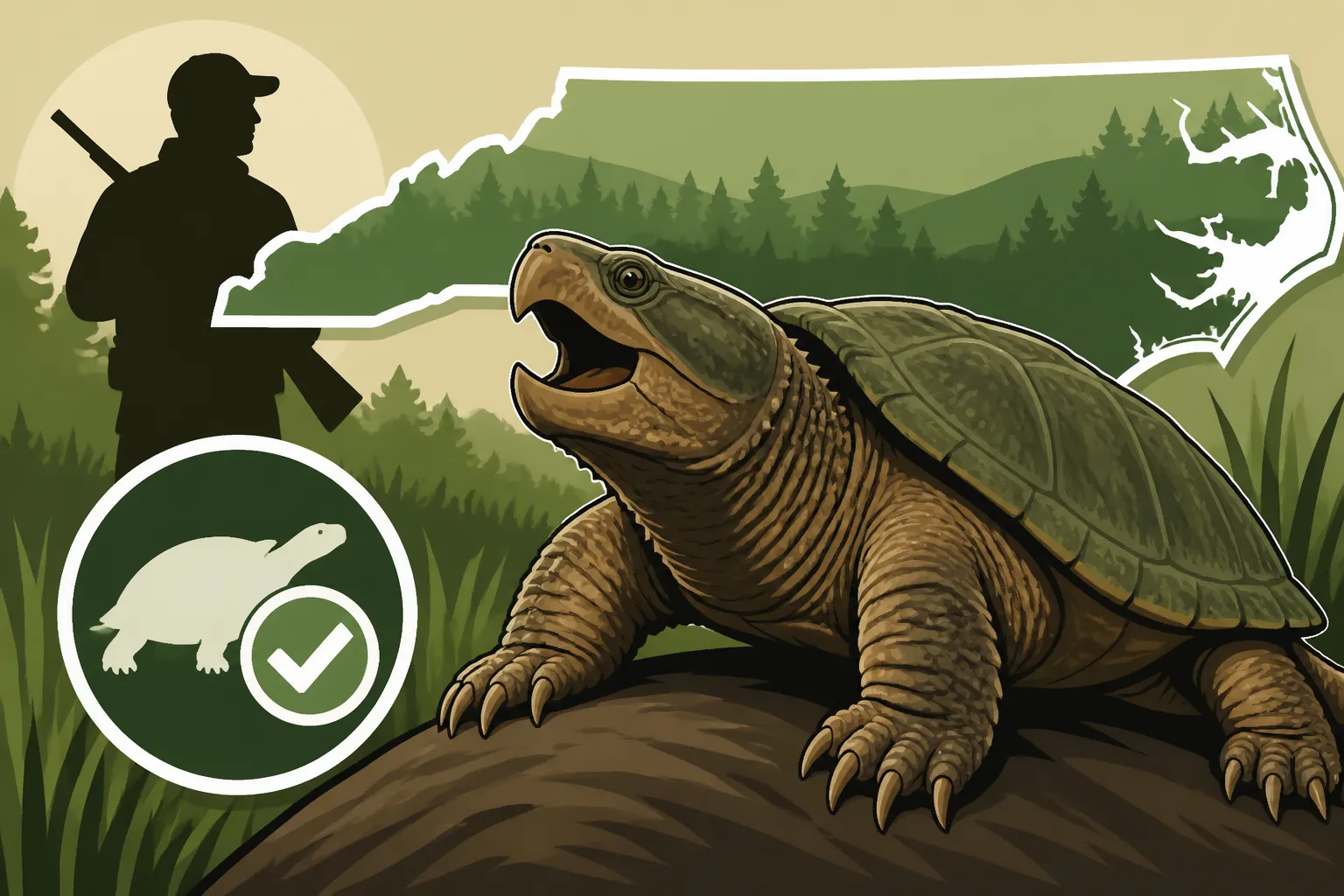
North Carolina’s snapping turtle season runs annually from August 1 to May 31. This gives hunters and trappers a substantial window of opportunity, but it's important to note that June and July are closed. This closure period often coincides with prime nesting and egg-laying times for snapping turtles, providing them a critical respite for reproduction. During the open season, there is a daily bag limit of 25 snapping turtles per person, and a possession limit of 50. These limits apply to common snapping turtles (Chelydra serpentina), which are the most widespread species encountered in the state's diverse aquatic habitats. Always double-check these dates and limits against the current regulations, as they can sometimes be adjusted.
Permitted Methods of Harvest
Harvesting snapping turtles in North Carolina can be done through a variety of methods, each with its own nuances and requirements. These include hook and line, bow and arrow, gigs, spears, and by hand. Additionally, trapping is a very common and effective method for snapping turtles. For any method, it’s essential to have the appropriate North Carolina hunting or fishing license, depending on the tool being used and where you're hunting. If you plan to use traps, for instance, you'll need to understand North Carolina Trapping License Requirements and adhere to specific regulations for trap design and placement.
Here's a quick overview of legal methods:
| Method | Description | Key Considerations |
|---|---|---|
| Hook and Line | Standard fishing techniques, often using cut bait or natural baits. | Requires a valid fishing license. Check local fishing regulations for specific water bodies. |
| Bow and Arrow | Archery equipment used to take turtles, typically from a boat or bank. | Requires a valid hunting license. Ensure broadheads are suitable for game. Practice shot placement for humane harvest. |
| Gigs and Spears | Long poles with barbed points, used for impaling turtles in shallow water or mud. | Requires a valid hunting license. Often done from a boat or by wading. Ethical harvest means knowing where to strike. |
| By Hand | Directly catching turtles in shallow water or on land. This method requires careful handling due to their powerful bite. | Requires a valid hunting license. Extreme caution advised. This is generally for experienced individuals. |
| Trapping | Using specialized turtle traps, typically baited, set in water. | Requires a valid trapping license. Traps must meet specific size and design requirements. Check and empty traps frequently. |
When using any method, especially on public lands, you also need to be aware of general rules regarding access and hours, such as those covered in North Carolina Public Land Hunting Hours. Always prioritize humane dispatch and responsible handling of any harvested animal.
Ethical Harvesting and Important Considerations
Harvesting snapping turtles isn't just about knowing the rules; it's also about applying ethical practices and respecting the environment. These reptiles play a vital role in North Carolina's ecosystems, often acting as scavengers and predators. Responsible harvest ensures both their populations and the health of the waterways they inhabit.
Public vs. Private Land: Access and Regulations
Just like with any hunting or trapping activity, where you plan to harvest snapping turtles significantly impacts the rules you need to follow. On private land, you absolutely must have permission from the landowner. This isn't just a courtesy; it's a legal requirement outlined by North Carolina Trespass and Permission Law. Always get explicit permission before venturing onto private property, even if you think it's abandoned.
On public lands, such as Game Lands or National Forests, you'll need to ensure snapping turtle harvest is permitted and often requires a specific Game Lands License in addition to your general hunting or trapping license. The NCWRC provides excellent resources, including an interactive map tool. Using a tool like Using the NC Wildlife Map Tool or an app like GoHunt can help you identify land ownership boundaries, access points, and specific regulations for different public tracts. This is particularly useful in complex areas like the coastal plain where private and public lands can intermingle. Checking the North Carolina Game Lands regulations is always a good starting point.
Humane Dispatch and Handling
Snapping turtles are incredibly tough animals, and ensuring a humane dispatch is paramount. A quick, decisive method is crucial to minimize suffering. Many experienced harvesters opt for a .22 caliber firearm to the brain for a swift end, or a sharp, heavy blow to the head with an axe or hammer. Always wear thick gloves and exercise extreme caution when handling a live snapping turtle; their bite is powerful and can cause serious injury. Once dispatched, proper handling and cleaning are essential, especially in warmer weather, to preserve the meat. While not deer, some of the principles of Field Dressing a Deer in Cold Weather for meat care still apply – keep it clean and cool.
Understanding Your Target: Common vs. Alligator Snapping Turtles
It's critical to know the difference between the common snapping turtle (Chelydra serpentina) and the alligator snapping turtle (Macrochelys temminckii). While common snapping turtles are legal to harvest under regulation, the alligator snapping turtle is a protected species in North Carolina and cannot be harvested. Alligator snapping turtles are much larger, have a distinctive rough, ridged shell resembling a dinosaur, and a deeply serrated beak. They are primarily found in the western part of the state in specific river drainages. Misidentifying one could lead to serious legal consequences, so if there's any doubt, it's always best to leave the turtle alone. Tools like GoHunt can sometimes show known habitats for specific species, aiding in identification.
Preparing and Using Your Harvest
Once you've ethically harvested a snapping turtle and followed all the regulations, the next step is preparing it for the table. Snapping turtle meat is a delicacy to many, often described as a mix of dark and white meat with a unique flavor. It can be a rewarding culinary experience after a successful outing.
Cleaning and Butchering a Snapping Turtle
Cleaning a snapping turtle is a bit different from cleaning a fish or even processing a deer. The tough shell and unique anatomy require specific techniques. The general approach involves carefully dispatching the turtle, then severing the head and allowing it to bleed out. Many people will then hang the turtle for a period to relax the muscles. The meat is primarily found in the legs, neck, and tail. You'll need a very sharp knife, a sturdy surface, and some patience. Many online tutorials exist, but the key is to be methodical and safe. The meat is often tough and sinewy, benefiting from slow cooking methods.
Culinary Uses for Snapping Turtle Meat
Snapping turtle meat is famously used in soups, stews, and fried dishes. Turtle soup is a classic Southern dish, known for its rich flavor and hearty texture. The different parts of the turtle yield different types of meat; some cuts are white and delicate, while others are darker and more robust. Slow cooking is often the secret to tenderizing the meat, whether you're braising it, simmering it in a stock, or stewing it with vegetables. It's truly a unique wild game experience, offering a taste that's distinctly different from Best-Eating Game in North Carolina like venison or turkey. Don't be shy about experimenting with various recipes once you have your cleaned meat ready to go.
Disclaimer
This article is for general informational purposes only and does not constitute professional advice. Laws, prices and regulations vary by location and change over time. Consult a qualified professional for guidance on your specific situation.