North Carolina Mountain Bear Zone Rules
If you've ever tried to plan a bear hunt in North Carolina's majestic mountains, you know the frustration of sifting through what feels like a mountain of regulations. It’s easy to get lost in the nuances of zones, dates, and methods, leaving you wondering if you'll ever truly understand where and when you can legally pursue one of these incredible animals. This guide is here to untangle that web, offering a clear, comprehensive breakdown of North Carolina's Mountain Bear Zone rules, so you can hunt confidently and ethically.
Deciphering North Carolina's Mountain Bear Zone System
North Carolina boasts a thriving black bear population, so healthy that it's divided into distinct management zones to ensure sustainable hunting opportunities while balancing human-wildlife interactions. The challenge, however, is that these zones come with their own unique sets of rules, and what's legal on the coast might land you in hot water in the high country. It’s not just about knowing the dates; it’s about understanding the why behind the regulations in your specific hunting area.
Understanding the Zone System's Purpose
The North Carolina Wildlife Resources Commission (NCWRC) implements a zone system for bear hunting primarily to manage regional populations effectively. Bears in the Coastal Plain, for instance, live in a vastly different habitat and often have different population dynamics than those residing in the rugged Appalachian Mountains. Coastal bears might have access to extensive pocosins and agricultural crops, leading to different growth rates and dispersal patterns. In contrast, mountain bears rely heavily on mast crops like acorns and berries, and their movements are dictated by elevation, harsh winters, and expansive public land. These ecological distinctions necessitate tailored management strategies, which is why the state is carved into numerous bear management zones, each with its own specific framework.
Identifying Key Mountain Bear Zones and Boundaries
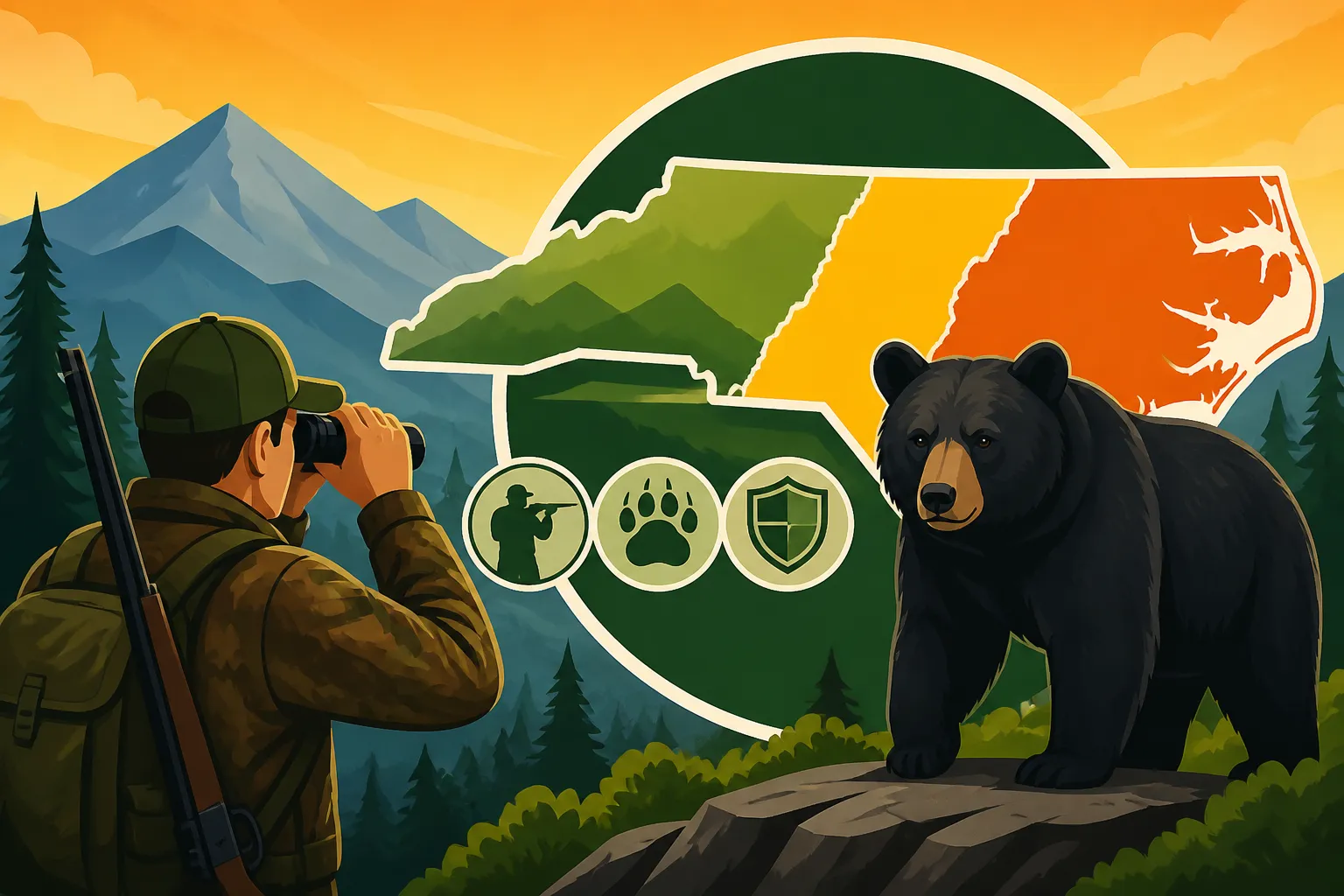
North Carolina's mountain region is home to several distinct bear management zones, each defined by county lines or significant geographical features. When you're planning your trip, it's absolutely critical to know which zone your target hunting area falls into. For instance, the Mountain Bear Zones generally encompass counties like Ashe, Alleghany, Watauga, Avery, Caldwell, Burke, McDowell, Yancey, Madison, Buncombe, Henderson, Haywood, Transylvania, Jackson, Macon, Graham, Swain, and Cherokee, among others. These zones aren't just arbitrary lines on a map; they represent areas with similar bear populations, habitat characteristics, and often, similar hunter access. You might find a zone that covers a large portion of Pisgah National Forest Hunting or Nantahala National Forest Hunting, while others are confined to smaller, privately-owned tracts. Understanding these boundaries is your first step to a legal hunt. Many hunters rely on the official NCWRC website or mapping applications like GoHunt to pinpoint exact boundaries before heading afield.
The Rationale Behind Zone-Specific Rules
The NCWRC doesn't just draw lines and set dates on a whim. The zone-specific rules for bear hunting in the mountains are carefully crafted based on biological data, harvest trends, habitat availability, and social considerations. For example, some mountain zones might have shorter seasons or more restrictive bag limits if population modeling suggests a need for conservative harvesting. Conversely, areas with thriving populations and minimal human-wildlife conflict might see more liberal opportunities. These rules also consider the impact of hunter pressure, especially on popular public lands. The goal is always to maintain a healthy, sustainable bear population, provide ample recreational opportunities for hunters, and minimize conflicts with landowners. It’s a complex balancing act, and the zone system is the tool used to achieve it.
Specifics of Mountain Bear Season Dates and Bag Limits
Once you understand the 'where,' the next crucial piece of the puzzle is the 'when' and 'how many.' Getting these details wrong can easily turn a successful hunt into a costly mistake. North Carolina’s Mountain Bear Zone rules outline precise season dates and bag limits that are unique to the western part of the state, often contrasting sharply with the Coastal Plain regulations.
General Mountain Season Framework
Unlike the longer, often staggered seasons in the eastern part of the state, bear hunting in North Carolina's mountains typically features a more consolidated season. Generally, the season dates for North Carolina Bear Season Dates in the Mountains begin later in the fall, often in mid-October, and run through mid-November, with possible extensions into December in specific zones. This timing often coincides with prime mast production and pre-denning activity, when bears are actively foraging to put on weight for winter. It's a critical window for hunters to capitalize on, but it also means those weeks are often packed with hunters. Be prepared for cooler temperatures, potential snow in higher elevations, and the need for durable gear. Always double-check the current year's regulations on the NCWRC website, as dates can shift slightly from year to year.
Daily and Seasonal Bag Limits for Mountain Bears
For mountain bear hunters, the bag limit is usually quite conservative. Typically, the regulation allows for one bear per hunter per season. This isn't a daily limit you can refill; it's a one-and-done for the entire hunting year. This conservative approach helps manage the population sustainably, ensuring that trophy-quality bears and breeding females are not overharvested. When you consider the effort it takes to harvest a bear in the rugged mountain terrain, most hunters are thrilled with just one. It’s a testament to the challenge and reward of mountain bear hunting. Always remember that once you harvest your bear, your season for that species is over. This strict limit underscores the importance of proper shot placement and ethical hunting practices.
Special Season Considerations and Methodologies
While the primary mountain bear season is typically firearm-focused, there can be specific nuances that cater to different hunting styles. For instance, some zones might have an early archery-only period that precedes the general gun season, offering bowhunters a unique opportunity to pursue bears before rifle season opens. Muzzleloader hunters might also have a dedicated window, though often these overlap with the general firearms season. It's less common to see extensive separate seasons for these methods in the mountains compared to deer hunting, but it's always worth checking. Additionally, if you're interested in using hounds, understanding North Carolina Bear Dog and Bait Rules is paramount. While hound hunting is a popular tradition in many parts of the state for bear, specific regulations govern its use, including requirements for GPS collars, dog training periods, and ensuring your hounds stay within legal boundaries. Baiting, on the other hand, is strictly regulated and often prohibited in certain areas or entirely within the mountain zones, so never assume it's allowed without explicit verification.
Legal Methods of Take and Equipment Regulations
Knowing where and when to hunt is only part of the equation; you also need to understand how you can legally harvest a bear in North Carolina’s mountains. The regulations around methods of take and equipment are designed to ensure ethical hunting practices, promote fair chase, and ensure hunter safety. Disregarding these rules can lead to serious penalties, so pay close attention.
Permitted Firearms and Ammunition
When it comes to firearms for bear hunting in the mountains, North Carolina has clear guidelines. Generally, any centerfire rifle, shotgun (using slugs), or handgun that is legal for deer hunting is also permissible for bear. This means popular calibers like .270, .30-06, .308, and even 6.5 Creedmoor are all suitable choices, assuming you're using appropriate bullet construction designed for large game. While there isn't a strict minimum caliber for bear, ethical hunters recognize the need for sufficient stopping power to ensure a humane kill. Think about it: a wounded bear in dense mountain laurel or steep terrain can be incredibly dangerous and difficult to recover. Many hunters opt for heavier bullet weights within their chosen caliber for better penetration. You can learn more about suitable firearms by checking North Carolina Legal Firearms for Deer Hunting, as many of those rules carry over. Always ensure your firearm is properly sighted in for the range you anticipate shooting at, especially in variable mountain terrain.
Archery and Muzzleloader Specifics
For those who prefer the challenge of traditional or primitive weapons, North Carolina also allows for bowhunting and muzzleloader hunting for bears in the mountain zones, typically concurrent with or just preceding the general firearms season.
- Archery: If you're using a bow or crossbow, there are minimum draw weight requirements to ensure enough kinetic energy for a clean kill. For traditional and compound bows, a minimum draw weight of 35 pounds is typically required. Crossbows also have specific equipment requirements, including a minimum draw weight and a safety mechanism. When selecting broadheads, ensure they are sharp and designed for large game, with a minimum cutting diameter. Fixed-blade broadheads are a popular choice for their reliability and penetration on tough hide and bone.
- Muzzleloaders: For muzzleloader season, smoothbore or rifled muzzleloaders are allowed, but generally, they must be at least .40 caliber. Many hunters choose .50 caliber or larger for bear, utilizing saboted projectiles or heavy lead conicals for maximum impact. Keeping your powder dry in the often damp, cold mountain conditions is paramount, so practice loading and firing your specific setup well before the season.
Rules for Using Hounds and Bait
This is where the differences between mountain and coastal zones often become most pronounced.
- Hound Hunting: Running Hounds Where North Carolina Allows It is a time-honored tradition for bear hunting in many parts of North Carolina, particularly in the mountains. If you plan to use hounds, you'll need to understand the detailed regulations. This includes specific training seasons, limitations on the number of dogs, and rules regarding where dogs can be released or allowed to cross property lines. All dogs must typically wear a collar with identifying information, and GPS collars are highly recommended for tracking in the vast, rugged mountain terrain. Hunters using dogs must possess the appropriate license and bear management stamp.
- Baiting: Here's a critical point: baiting bears is generally prohibited in North Carolina's mountain bear zones. While baiting can be a legal method in certain coastal zones, it is explicitly forbidden in the vast majority, if not all, of the western zones. This restriction is often in place due to the nature of the terrain, different management objectives, and to maintain a "fair chase" ethic in areas where bears are less accustomed to human-provided food sources. Always verify the current regulations for your specific zone, but assume baiting is off-limits in the mountains to avoid a serious violation.
Licensing and Bear Management Stamp Requirements
Before you even think about setting foot in the woods, ensuring you have the correct licenses and stamps is non-negotiable. North Carolina has a multi-tiered licensing system, and bear hunting, especially in the mountains, requires a specific combination of permits. Don't let an oversight here ruin your hunt or lead to fines.
Essential Licenses for Mountain Bear Hunting
To legally hunt bears in North Carolina's mountains, you’ll need a few key pieces of paperwork:
- A North Carolina Hunting License: This is your foundational license. Residents have various options, from annual licenses to lifetime permits. Non-residents also have annual or short-term options.
- North Carolina Big Game Privilege: This privilege is an add-on to your base hunting license and is required for hunting deer, bear, and wild turkey. It's a critical component for any bear hunter.
- North Carolina Bear Management Stamp: This is the specific stamp that grants you the right to harvest a bear. When you purchase this, you'll often receive a tag that must be immediately validated and attached to your bear upon harvest. This stamp is vital for tracking harvest numbers and funding bear conservation efforts. Without it, you cannot legally harvest a bear. You can find more specific information on North Carolina Bear Management Stamp Rules through the NCWRC.
Where to Purchase and How to Stay Compliant
Purchasing your licenses and stamps is straightforward in North Carolina. The easiest way is often through the NC Wildlife Resources Commission's GoOutdoorsNC portal online. This digital platform allows you to buy, manage, and print your licenses from the comfort of your home. You can also purchase them in person at many local sporting goods stores, bait and tackle shops, and designated wildlife service agents across the state. The NCWRC mobile app is another excellent tool for accessing your license information digitally and for reporting harvests (which we'll get to next). Always ensure you carry proof of your licenses and stamps while hunting, whether it's a physical copy, a screenshot on your phone, or accessible through the official app.
Understanding the Bear Management Stamp's Purpose
The North Carolina Bear Management Stamp isn't just another fee; it's a direct investment in the health and future of North Carolina's black bear population. The funds generated from these stamp sales go directly towards bear research, habitat management, population monitoring, and enforcement efforts. When you purchase that stamp, you're contributing to projects that help biologists understand bear movements, reproductive rates, and overall health. This data is critical for making informed management decisions, such as setting season lengths and bag limits, which directly impacts your hunting opportunities in the future. It’s an example of how hunters directly contribute to conservation.
Bear Checking, Reporting, and Carcass Handling
Successfully harvesting a bear in the North Carolina mountains is an incredible accomplishment, but the job isn't done until you've properly checked and reported your animal and handled the carcass appropriately. These steps are crucial for both legal compliance and for contributing valuable data to wildlife management.
Mandatory Checking Procedures
North Carolina has a mandatory harvest reporting system for bears. Immediately upon harvesting a bear, you are required to validate your bear tag (from your Bear Management Stamp) and attach it to the carcass. This is a critical first step. Next, you must report your harvest through the NCWRC's online system or mobile app within a specified timeframe, usually by midnight of the day of harvest. This process ensures that biologists have real-time data on harvest numbers, which helps them monitor populations and adjust management strategies as needed. While physical check stations were once the primary method, the digital system has made reporting much more convenient for hunters, especially those deep in the backcountry. For detailed instructions, consult the North Carolina Bear Checking Requirements.
Transporting Your Bear in Mountain Terrain
Getting a black bear out of the rugged mountain terrain can be a monumental task. These animals are surprisingly heavy, and navigating steep slopes, dense undergrowth, and rocky creek beds with a load is physically demanding. You'll need to consider how you'll field dress the bear to reduce weight and cool the meat quickly, especially if temperatures are mild. Quartering the animal in the field is often the most practical approach for long hauls, allowing you to pack out the meat and hide more easily. Using a sturdy pack frame, game bags, and perhaps a hunting partner or two can make the process manageable. As you transport the bear, ensure your validated tag remains attached to the carcass. While Chronic Wasting Disease (CWD) is primarily a concern for deer, always be aware of any general carcass movement restrictions in CWD Management Areas, even if they don't directly apply to bear. This demonstrates responsible hunting practice.
Biological Data Collection and Conservation
The information you provide when you report your bear harvest is incredibly valuable to the NCWRC. Details such as the date of harvest, county, sex of the bear, and whether it was taken with a firearm, bow, or muzzleloader, all contribute to a comprehensive dataset. Biologists use this information to track population trends, analyze harvest rates, assess reproductive success, and understand the overall health of the bear herd. Sometimes, the NCWRC may even request specific biological samples (e.g., a tooth for aging) to further enhance their research. By diligently following reporting protocols, you're not just fulfilling a legal obligation; you're actively participating in the scientific management and long-term conservation of North Carolina's impressive black bear population. It's a direct way that hunters contribute to the future of the resource they cherish.
Public Land Access and Regulations for Mountain Bear Hunters
North Carolina's mountains offer vast stretches of public land, providing incredible opportunities for bear hunters willing to put in the effort. However, hunting on these lands comes with its own set of rules and considerations, often distinct from private land regulations. Understanding these nuances is critical for a successful and legal hunt.
Popular Mountain Game Lands and National Forests
A significant portion of North Carolina's mountain bear habitat lies within the boundaries of our national forests and state game lands. The Pisgah National Forest and Nantahala National Forest are prime examples, offering hundreds of thousands of acres of rugged, wild country. These expansive public lands provide exceptional opportunities for Hunting the Mountain Bear Zones and Spot-and-Stalk Tactics for Mountain Bears, but they also come with unique regulations. You'll typically need a North Carolina Game Lands License in addition to your regular hunting license and bear stamp. These lands are managed by the U.S. Forest Service in cooperation with the NCWRC, meaning you might encounter specific rules regarding vehicle access, camping, trail cameras, and even how you can put up a tree stand. For example, Treestand Setups in Pisgah National Forest may require specific non-damaging methods. Always check the local district regulations before you head out.
Navigating Public Land Challenges
Hunting public land in the mountains often means facing additional challenges beyond just finding a bear. Hunter pressure can be significant, especially during opening weeks. You might find yourself sharing the woods with other bear hunters, deer hunters, hikers, or even backpackers. This requires extra awareness for safety and courtesy. Access can also be an issue; while many forest roads are open, some may be gated or impassable, requiring extensive hikes to reach remote areas. Using a detailed map, whether paper or digital, is essential. When Scouting North Carolina Public Land Before Season, look for areas away from easy access points. The harder it is to get to, the less pressure it likely receives. Terrain itself is a challenge – steep slopes, thick rhododendron hells, and deep hollows demand physical fitness and careful navigation. Be prepared for varied weather conditions, from crisp autumn days to sudden snowfalls.
Using Mapping Tools for Success
In today's hunting world, mapping applications are indispensable for public land hunters, and they are particularly valuable in the mountains. Apps like GoHunt, onX Hunt, and the NCWRC's own interactive map tool can be game-changers. These platforms allow you to:
- Identify Public vs. Private Land Boundaries: Crucial for staying legal and avoiding trespass.
- Locate Game Land Boundaries: Ensuring you're on designated hunting land.
- Mark Access Points and Trails: Plan your entry and exit routes.
- Scout Terrain Features: Pinpoint elevation changes, creek bottoms, ridge lines, and potential bedding areas or travel corridors.
- Offline Mapping: Many apps allow you to download maps for use when cell service is nonexistent, which is often the case in remote mountain areas.
Before your hunt, spend time virtually scouting with these tools. Identify potential bear sign, feeding areas (like oak stands for Hunting Bears Over Natural Mast in the Mountains), and escape routes. The more prepared you are with your mapping, the more effectively and safely you can navigate North Carolina's expansive mountain public lands.
| Feature | North Carolina Mountain Bear Zone | North Carolina Coastal Bear Zone |
|---|---|---|
| Typical Season Start | Mid-October | Mid-September |
| Season Duration | Shorter, often 4-6 weeks | Longer, often staggered into Jan |
| Bag Limit | One bear per hunter per season | One bear per hunter per season |
| Baiting | Generally Prohibited | Often Permitted (with rules) |
| Hound Hunting | Permitted (with rules) | Permitted (with rules) |
| Primary Habitat | Appalachian Mountains, National Forests, mast crops | Pocosins, swamps, agriculture |
| Common Challenges | Rugged terrain, steep climbs, colder weather | Dense cover, swamps, warmer weather |
Disclaimer
Always consult the official North Carolina Wildlife Resources Commission (NCWRC) regulations for the most current and accurate information before planning any hunting trip. Wildlife laws and seasons can change. This guide is for informational purposes only and does not supersede state regulations.