North Carolina Resident Game Lands License Cost
Navigating the world of hunting licenses can often feel like trying to untangle a knot of fishing line after a long day on the water – confusing, a little frustrating, and you just want to get to the good part: the hunting. Many North Carolina residents wonder about the specific costs involved, especially when they plan to explore the vast opportunities on public lands. This comprehensive guide is here to demystify the North Carolina Resident Game Lands License cost, explaining not only what you'll pay but also why it's a critical component of your hunting toolkit and how it fits into the broader picture of your North Carolina hunting adventures.
Understanding the North Carolina Resident Game Lands License Cost
It's easy to get overwhelmed by the various tags, stamps, and permits required to legally pursue game in North Carolina. But when it comes to hitting the incredible public lands our state has to offer, the Game Lands License is absolutely non-negotiable for most hunters. Let's break down exactly what this particular license will set you back and what incredible access it provides.
The Current Price Tag for Residents
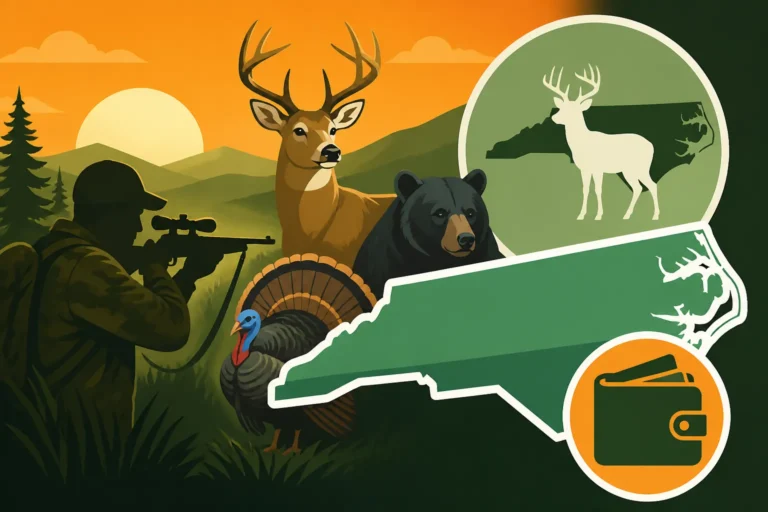
For resident hunters in North Carolina, the Game Lands License is an annual add-on that provides access to the state's designated Game Lands. Currently, as of the most recent information, a North Carolina Resident Game Lands License costs $16.00. This fee is typically valid for one license year, which runs from July 1st to June 30th. Unlike some other licenses that might have multi-year options, the Game Lands License is usually an annual renewal. While it might seem like just another small fee, remember that this modest investment unlocks millions of acres across the state, from the mountains to the coast, providing countless opportunities for all types of hunting. This single fee gives you the green light to legally hunt on these designated public areas, assuming you have all your other required licenses in order, of course.
When considering your overall hunting budget, this $16.00 is a standard line item that most public land hunters will factor in annually. It’s a very reasonable cost for the sheer volume of ground you gain access to. Think of it as your annual membership fee to some of the finest wild places in the Old North State. Compared to leasing private land, or even some of the more expensive specialty tags, it’s a tiny fraction of the cost for immense value. Many hunters will pair this with their North Carolina Resident Hunting License Options to ensure full compliance and access.
What That Cost Truly Covers
So, what exactly are you getting for that $16.00? It's much more than just a piece of paper or a digital entry on your phone. This fee directly supports the maintenance, management, and conservation efforts on North Carolina’s Game Lands. The North Carolina Wildlife Resources Commission (NCWRC) is responsible for these areas, and the funds generated from these licenses go right back into making these lands productive and accessible for hunters. This means everything from wildlife habitat improvements, like prescribed burns and food plot management, to maintaining roads, trails, and parking areas that hunters use to access these remote spots.
Imagine trying to navigate sprawling tracts of land in the mountains or the dense pocosins of the coast without any kind of infrastructure or active wildlife management. The Game Lands License contributes to programs that ensure healthy deer herds, thriving turkey populations, and robust small game opportunities. It helps fund wildlife biologists who conduct crucial research and implement strategies to sustain game populations year after year. Without these dedicated funds, the quality of hunting experiences on public lands would undoubtedly diminish. It also supports law enforcement and public outreach, ensuring that these areas remain safe and enjoyable for everyone. This investment ensures that future generations of hunters will continue to have places to pursue their passion, much like how scouting tools on platforms like GoHunt help today's hunters identify promising areas within these managed game lands.
When and Why a Game Lands License is Essential for North Carolina Hunters
It’s one thing to know the price, but it’s another to truly understand when and why you absolutely need this particular license. The state of North Carolina boasts an impressive network of public hunting grounds, and knowing the rules for accessing them is paramount to a successful and legal hunt.
Identifying "Game Lands"
First, let's clarify what "Game Lands" actually refers to in North Carolina. These are tracts of land, both public and private, that are managed by the NCWRC for public hunting, fishing, and trapping. They can include state-owned lands, federal lands (like portions of the National Forests such as Pisgah, Nantahala, Croatan, and Uwharrie), and even privately-owned lands enrolled in cooperative agreements with the state. The critical distinction is that these areas are specifically designated and managed by the NCWRC for public hunting access. You might be hunting in a Pisgah National Forest Hunting area, which often falls under Game Land regulations, or a coastal swamp managed as a Game Land like Holly Shelter.
It's not just about federal or state ownership; it's about the management designation. While a National Forest might feel like public land, if it's designated as a "Game Land" by the NCWRC, then the Game Lands License is required to hunt there. The best way to identify these areas is to consult the NCWRC's regulations digest or use their interactive Using the NC Wildlife Map Tool online, which clearly outlines all Game Lands boundaries. Knowing these boundaries is crucial, as straying into non-Game Land areas without proper permission can lead to trespassing charges.
Mandatory Use Cases
So, when do you absolutely have to have a Game Lands License? The simple answer is: anytime you are hunting, trapping, or even fishing on designated North Carolina Game Lands. This isn't an optional add-on if you're feeling generous; it's a legal requirement. If you're planning a deer hunt in the Hunting the North Carolina Mountains, specifically within a national forest designated as a Game Land, you'll need it. Similarly, if you're pursuing a gobbler on a Uwharrie National Forest Hunting section in the Piedmont, that Game Lands License needs to be in your possession.
Consider a few scenarios:
- Deer Hunting: You've been scouting a fantastic piece of public land for weeks, found some great sign, and now Scouting North Carolina Public Land Before Season is paying off. If that land is designated as a Game Land, you'll need your license. This applies whether you're still-hunting, sitting in a treestand, or participating in a deer drive where allowed.
- Turkey Hunting: Spring turkey season opens, and you're heading to one of the vast Game Lands in the eastern part of the state. Your Game Lands License is essential.
- Small Game Hunting: Even for squirrels, rabbits, or grouse on designated public lands, this license is a requirement.
Without it, you are hunting illegally on that land, regardless of whether you possess a valid base hunting license. Wildlife enforcement officers routinely check licenses on Game Lands, and a missing Game Lands License can result in fines and other penalties. It’s always best to be prepared and ensure you have all necessary documentation before you step foot in the woods. Platforms like GoHunt can help you cross-reference regulations with specific public land maps to ensure you're covered.
The Role of the Game Lands License in Conservation
Beyond the legal requirement, the Game Lands License plays a vital role in the broader conservation efforts across North Carolina. The funds generated from these licenses are directly earmarked for the management and improvement of wildlife habitats on Game Lands. This translates into tangible benefits for the game you pursue and the ecosystems they inhabit. For instance, controlled burns on coastal Game Lands improve longleaf pine ecosystems, benefiting quail and deer. Timber stand improvements in mountain Game Lands create diverse age classes of forest, providing better forage and cover for bear and deer.
These funds also contribute to public access improvements. Think about well-maintained parking areas, clear signage, and even the maps and online tools that help you locate and navigate these areas. It’s a self-sustaining model where hunters' contributions directly fund the resources that make their hunting experiences possible and enjoyable. This commitment to conservation ensures that the rich hunting traditions of North Carolina continue to thrive, safeguarding not just individual species but the entire biodiversity of these critical landscapes. When you pay that $16, you're not just buying access; you're investing in the future of North Carolina's wild places.
Integrating Your Game Lands License with Your North Carolina Hunting Portfolio
The Game Lands License is rarely the only piece of paper you’ll need. It fits into a larger framework of North Carolina hunting regulations, acting as a specialized key to unlock public land opportunities. Understanding how it interacts with other required licenses is crucial for staying legal and maximizing your hunting season.
The Foundation: Base License and Big Game Privilege
Think of your basic hunting license as the foundation of your North Carolina hunting portfolio. Before you even consider a Game Lands License, you must possess a valid North Carolina Hunting Licenses and What They Cost (which includes the base hunting license). This base license is what permits you to legally hunt most small game in the state.
However, if you're planning to hunt deer, bear, or turkey—which most public land hunters are—you'll also need a North Carolina Big Game Privilege Requirements license. This is another add-on that grants you the legal right to harvest big game species. So, if your goal is to harvest a deer on a Game Land, your minimum requirements will be:
- Resident Hunting License (Base License): Allows general hunting.
- Big Game Privilege License: Allows hunting deer, bear, and turkey.
- Resident Game Lands License: Allows access and hunting on designated Game Lands.
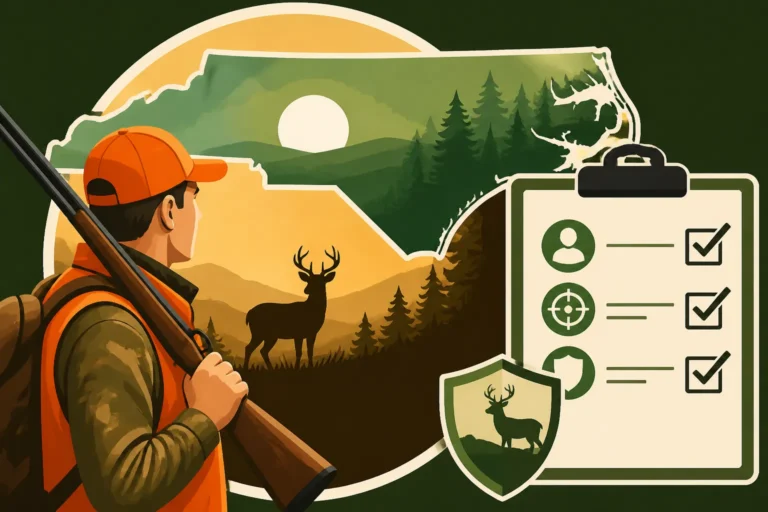
These three licenses often form the core package for a resident hunter targeting big game on public land. It’s important to purchase them in the correct sequence or as a bundle, ensuring all privileges are active. Missing any one of these can put you in violation of state hunting laws.
| License Type | Purpose | Typical Resident Annual Cost (Approx.) | Where It Applies |
|---|---|---|---|
| Resident Hunting License | Base privilege to hunt small game | $20 – $25 | Statewide (public & private land) |
| Big Game Privilege | Required for deer, bear, turkey, wild boar | $15 – $20 | Statewide (public & private land) |
| Resident Game Lands License | Access to designated NC Game Lands | $16.00 | Designated NC Game Lands only |
| Bear Management Stamp | Required to hunt bears | $10 – $25 | Statewide if hunting bear |
| Federal Duck Stamp | Required for waterfowl hunters (age 16+) | $25 (Federal) | Statewide if hunting waterfowl |
| NC Migratory Bird Cert. | Required for migratory bird hunting | $0 – $10 | Statewide if hunting migratory birds |
Note: Costs are approximate and subject to change. Always check the official NCWRC website for the most current pricing.
Special Stamps and Permits
Beyond the base, big game, and game lands licenses, specific hunting activities or species may require additional stamps or permits. For example, if you're one of the many hunters pursuing North Carolina’s robust black bear population, you’ll also need a Bear Management Stamp. Similarly, Waterfowl Hunting Currituck Sound and the Coast requires a Federal Duck Stamp and the North Carolina Migratory Bird Hunting Certification.
These specialized stamps are in addition to your Game Lands License if you plan to hunt those species on public Game Lands. They don't replace it; they complement it. Always consult the current North Carolina Inland Fishing, Hunting, and Trapping Regulations Digest for a complete list of requirements for your specific hunt. Missing a required stamp can be just as problematic as not having your Game Lands License, even if you’re otherwise legal. It's a layer-cake of regulations, and each layer needs to be present for a complete and legal setup. Websites like GoHunt can often provide excellent overviews and links to official regulations, helping you assemble your full list of required permits.
Lifetime License Holders
For those fortunate enough to hold one of North Carolina’s lifetime hunting licenses, the good news is that many of these comprehensive licenses already include the Game Lands privilege. For instance, a Resident Lifetime Sportsman's License typically covers all hunting and fishing privileges, including big game and the Game Lands endorsement. This means if you have a lifetime license, you generally won't need to purchase the annual Game Lands License separately.
However, it's always wise to double-check the specific terms of your lifetime license to confirm what it covers. License types can vary based on when they were purchased, and some older versions might have different inclusions. The NCWRC website or a quick call to their licensing division can clarify any uncertainties. For many, a lifetime license simplifies the annual renewal process, allowing them to focus more on North Carolina Deer Season Structure Explained or Spring Turkey Hunting in North Carolina rather than administrative tasks. It's a significant upfront investment that pays dividends in convenience and comprehensive coverage over many years.
How to Easily Purchase Your North Carolina Resident Game Lands License
The process of acquiring your North Carolina hunting licenses, including the Resident Game Lands License, has become much more streamlined over the years. Gone are the days when it felt like a bureaucratic maze; now, you have several convenient options to get squared away.
Online Through the NC Wildlife Portal
Without a doubt, the most popular and convenient method for purchasing your hunting licenses today is online through the official North Carolina Wildlife Resources Commission (NCWRC) portal. This digital gateway allows you to purchase all required licenses, including your Resident Game Lands License, from the comfort of your home, 24 hours a day, 7 days a week.
Here's a general step-by-step process:
- Visit the Official NCWRC Website: Navigate to the Buying a License on the NC Wildlife Portal section.
- Log In or Create an Account: If you've purchased a license before, you likely have an existing customer account. If you're a new hunter or haven't used the online system, you'll need to create one. This usually involves providing personal information like your date of birth, address, and a unique identifier (like your NC Driver's License number).
- Select Your Licenses: Browse the available license options. You'll typically find individual licenses listed, and often, combination packages that include a base license, big game privilege, and the Game Lands License. Make sure to select the "Resident Game Lands License" specifically.
- Review and Pay: Once you've added all desired licenses to your cart, review your selections carefully to ensure you haven't missed anything. Then proceed to the secure payment portal.
- Print or Save: After successful payment, you'll receive a confirmation and often a printable version of your license. You can print it out, or, increasingly, keep a digital copy on your smartphone. Just make sure it's readily accessible in the field, even if you're in an area without cell service.
The online portal is fantastic for its ease of use and instant gratification. You can get everything you need in minutes, allowing you more time to plan your hunts, whether you're focusing on North Carolina's Gun Deer Season by Zone or a late-season small game outing. Some advanced hunting apps, including those that integrate with services like GoHunt, might even allow you to link your official license information for convenience, though always defer to the official NCWRC documentation.
In-Person and Over the Phone Options
While online purchasing is incredibly convenient, some hunters still prefer the traditional route or need assistance. Fortunately, the NCWRC provides alternative ways to purchase your Resident Game Lands License.
- In-Person at License Agents: North Carolina has a wide network of authorized license agents across the state. These typically include:
- Sporting goods stores
- Bait and tackle shops
- Some Walmarts and other large retailers
- Convenience stores
You can use the NCWRC website to find a list of authorized agents near you. Purchasing in person allows you to ask questions, handle cash if preferred, and walk out with a physical license in hand. It's also a great way to support local businesses that cater to hunters and anglers. The staff at these locations are often knowledgeable about local hunting opportunities and can provide valuable insights, like tips for Hunting Coastal Plain Pocosin Swamps or finding good public access.
- Over the Phone: For those who prefer speaking to a representative, you can also purchase licenses over the phone. The NCWRC typically provides a dedicated toll-free number for license sales. Have your personal information and payment details ready, and a customer service representative can guide you through the process. This can be a good option if you have specific questions about license combinations or need clarification on a particular regulation that the online portal might not fully address.
Regardless of your chosen method, the most important thing is to ensure you have your Game Lands License (and all other required permits) before you head out into the field. Being prepared ensures a stress-free and legal hunting experience, allowing you to fully enjoy the incredible Public Hunting Land in North Carolina.
Disclaimer
Please note that hunting regulations, license requirements, and fees are subject to change. While every effort has been made to provide accurate and up-to-date information in this guide, it is the hunter's sole responsibility to verify all current regulations with the North Carolina Wildlife Resources Commission (NCWRC) before engaging in any hunting activities. Always consult the official NCWRC website or the current North Carolina Inland Fishing, Hunting, and Trapping Regulations Digest for the most precise and legally binding information.