North Carolina Deer Farm Regulations
Navigating the world of deer farming in North Carolina can feel like trying to find your way through a thick pine forest without a compass. For those involved in the captive cervid industry, whether for breeding, exhibition, or educational purposes, understanding the intricate web of state regulations isn't just a suggestion; it's absolutely crucial. This guide aims to shed light on North Carolina's deer farm regulations, helping you understand the rules designed to protect both captive animals and our precious wild deer populations.
The Complex World of Deer Farming in North Carolina
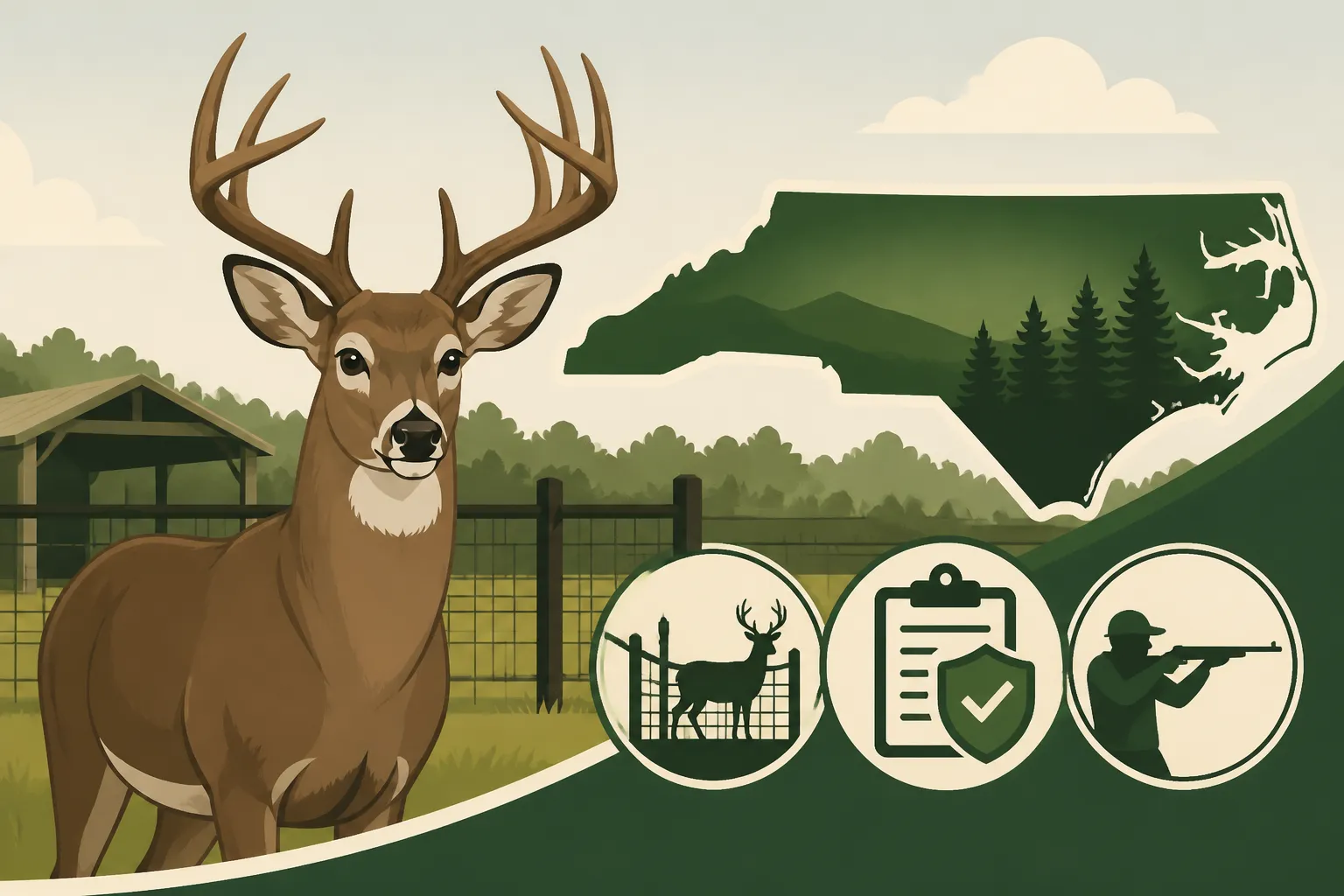
Deer farming, or the raising of captive cervids, is a unique agricultural endeavor that sits at the intersection of livestock management and wildlife conservation. While it offers opportunities for specialized agriculture, it also carries significant responsibilities, primarily concerning animal health, biosecurity, and the potential impact on North Carolina's wild deer herd. The regulations in place aren't there to make life difficult, but to establish a framework that allows this industry to exist while safeguarding the state's natural resources.
Why Regulations Matter for Captive Deer
The primary reason for stringent regulations around captive deer isn't just about animal welfare, though that's certainly a component. It's largely about preventing disease and protecting the genetic integrity of our wild deer. Imagine a scenario where a devastating disease like Chronic Wasting Disease (CWD) breaks out in a captive herd and then spreads to the wild population; the ecological and economic consequences for hunting, wildlife viewing, and even related industries could be catastrophic. Regulations create barriers to entry for diseases, ensuring that operations maintain certain health standards and prevent escapes that could introduce non-native genetics or pathogens into free-ranging deer. It's about maintaining a healthy balance between a commercial interest and a public trust resource.
Key Agencies Overseeing Deer Farms
In North Carolina, the oversight of captive cervid facilities is a shared responsibility, mainly falling under two key state agencies: the North Carolina Wildlife Resources Commission (NCWRC) and the North Carolina Department of Agriculture & Consumer Services (NCDA&CS). The NCWRC, as the steward of the state's wildlife, focuses on aspects related to wildlife conservation, such as preventing escapes and managing the interaction between captive and wild populations. They're the ones you'd typically deal with regarding permits for possessing certain wildlife species. On the other hand, the NCDA&CS, particularly its Veterinary Division, takes the lead on animal health, disease surveillance, and biosecurity protocols. They're concerned with the health of the animals as livestock and preventing the spread of diseases within captive herds and to other agricultural animals. Navigating these two agencies often requires careful attention to detail, as their mandates can sometimes overlap, necessitating coordination from the deer farm owner. For anyone looking to get started, contacting both agencies early in the planning process is a smart move to understand all the requirements from the outset.
Understanding North Carolina's Deer Farm Licensing Requirements
If you're considering operating a deer farm in North Carolina, the first hurdle you'll encounter is the licensing process. It's not a simple one-and-done application; it involves careful planning, adherence to specific facility standards, and a commitment to ongoing compliance. The state wants to ensure that anyone raising captive deer is serious about responsible animal husbandry and understands the public health and wildlife conservation implications. This often means paperwork, inspections, and a continuous dialogue with state officials.
The Application and Approval Process
The journey to obtaining a captive cervid license begins with a comprehensive application, typically submitted through the NCDA&CS. This application will require detailed information about your proposed operation, including the species you intend to keep, the purpose of your facility (e.g., breeding, exhibition), and a thorough description of your property and infrastructure. You’ll need to demonstrate how you plan to meet all the established regulations, from fencing requirements to disease management protocols. Once your application is submitted, it usually triggers a site inspection by both NCDA&CS and NCWRC personnel. They'll assess your facility's suitability, ensuring it meets biosecurity standards and escape prevention measures. This isn't just a quick walkthrough; they'll be checking everything from gate latches to feed storage. There are also associated fees, which can vary depending on the type and scale of your operation. The approval process can take time, so patience and proactive communication with the agencies are key to a smooth experience.
Facility Standards and Enclosures
One of the most critical aspects of North Carolina's deer farm regulations revolves around facility standards, especially fencing and enclosures. The goal is clear: prevent escapes at all costs. This isn't just to keep your valuable animals from wandering off; it's to prevent any potential interaction with wild deer, which could lead to disease transmission or genetic mixing. Typically, regulations call for robust, high-tensile fences that are difficult for deer to jump or push through. The height and construction materials are often specified, along with requirements for double-fencing or secondary barriers in certain areas, particularly around entry and exit points.
For instance, the regulations often mandate fences that are at least 8 to 10 feet high, constructed to prevent both ingress and egress of deer. Specific guidelines might detail mesh size, post spacing, and even how the fence should be buried or reinforced at the base to prevent animals from digging underneath. Beyond physical barriers, biosecurity protocols are essential. This includes measures to prevent wild animals from entering the captive cervid enclosure, proper disposal of waste, and controlling visitor access. It’s about creating a secure, isolated environment. Landowners using tools like GoHunt might find it useful for understanding property boundaries and planning optimal fence lines for new or expanding operations, ensuring they don't encroach on neighboring properties or critical wildlife corridors.
Disease Prevention and Management in Captive Cervids
Disease is perhaps the most significant concern when it comes to deer farming, and North Carolina takes a very proactive stance on prevention and management. The specter of diseases like Chronic Wasting Disease (CWD) looms large, given its devastating impact on wild cervid populations elsewhere. Therefore, captive cervid facilities are subject to rigorous health protocols, designed to monitor animal health, detect diseases early, and prevent their spread. This isn't just a recommendation; it's a mandatory part of responsible deer farming in the state.
Chronic Wasting Disease CWD Surveillance
Chronic Wasting Disease (CWD) is a fatal neurological disease affecting deer, elk, and moose. It's highly contagious and can persist in the environment for years, making its control incredibly challenging once established. North Carolina currently has established CWD Management Areas in specific counties, and the state is intensely focused on preventing its spread, especially between captive and wild deer populations. For deer farmers, CWD surveillance is a non-negotiable requirement. This typically involves mandatory testing of all captive cervids that die or are slaughtered within the facility, regardless of the cause of death. Tissue samples are collected and sent to approved diagnostic laboratories for CWD testing. This active surveillance system is a critical early warning mechanism, designed to detect the disease promptly if it ever enters a captive herd.
If a CWD-positive animal is identified, the implications are severe. The facility would likely be quarantined, movement of animals restricted, and a comprehensive response plan implemented, potentially including depopulation of the affected herd. These measures, while drastic, are considered essential to protect the wider cervid population. Understanding the implications of CWD is vital, and resources like North Carolina's Chronic Wasting Disease Areas provide valuable context for all hunters and landowners, including those managing captive herds.
Other Health Protocols and Veterinary Care
Beyond CWD, captive cervid facilities in North Carolina must adhere to a broader range of health protocols and maintain a robust veterinary care program. This includes working closely with a licensed veterinarian to develop and implement a herd health plan. This plan typically covers routine vaccinations against common deer diseases, parasite control measures, and protocols for managing injuries or illnesses. Regular veterinary inspections are often required to assess the overall health of the herd and the biosecurity measures in place.
Accurate record-keeping is another cornerstone of disease prevention. Deer farmers are usually required to maintain detailed records of all animals, including identification, birth dates, movement history, treatments administered, and causes of death. These records are critical for traceability in the event of a disease outbreak and for demonstrating compliance with state regulations. Furthermore, facilities must have procedures for safe disposal of carcasses and waste, reducing the risk of pathogen transmission. The North Carolina Department of Agriculture & Consumer Services offers guidance and resources to help captive cervid operators meet these stringent health and biosecurity standards.
Movement, Sale, and Transportation Rules for Farmed Deer
The movement of captive deer, whether it's bringing new animals into North Carolina or selling them to another facility, is tightly controlled. These regulations are designed to prevent the introduction of diseases from other states and to ensure that animals being sold or moved within North Carolina meet specific health and identification standards. It’s a complex system, but one that’s absolutely necessary to maintain the integrity of both captive and wild cervid populations.
Restrictions on Importing and Exporting Deer
Importing captive cervids into North Carolina is not a casual affair; it requires strict adherence to state and federal regulations to prevent the spread of diseases. Before any deer can cross state lines into North Carolina, they typically must originate from herds that have been certified free of CWD for a specified number of years, usually five years or more. This CWD-certified herd status is a critical requirement. Additionally, animals often need to undergo specific health tests, such as tests for tuberculosis and brucellosis, and be issued a certificate of veterinary inspection from the state of origin. All animals must be individually identified with official tags.
Similarly, exporting deer from North Carolina to other states requires meeting the receiving state's importation requirements, in addition to North Carolina's own export rules. These often mirror the import requirements, involving CWD certification, health testing, and proper identification. The entire process requires advanced planning and coordination with both the originating and destination state's agricultural and wildlife agencies. Failure to comply can result in animals being denied entry, quarantined, or even euthanized.
Regulations for Selling and Transferring Captive Cervids
Once deer are within North Carolina, their sale or transfer between licensed facilities is still subject to strict regulations. The primary goal is maintaining traceability and preventing the movement of potentially diseased animals. All captive cervids bought, sold, or transferred must be officially identified, usually with ear tags that link them back to their origin and health records. Detailed records of all transactions are mandatory, including the buyer's and seller's information, the identification numbers of the animals involved, and the date of transfer.
These records are vital for tracking animal movements in the event of a disease outbreak. If CWD or another serious disease is detected, these records allow authorities to quickly identify all potentially exposed animals and contain the spread. Moreover, some regulations may require that animals transferred between facilities within the state undergo additional health checks or originate from herds with specific health statuses. Hunters who want to know more about the broader picture of managing the wild deer population and CWD can find valuable insights in resources like North Carolina's Chronic Wasting Disease Areas, which emphasizes the shared responsibility in keeping our deer healthy.
Impact on Wild Deer and Hunter Concerns
The presence of captive deer operations in North Carolina naturally raises questions and sometimes concerns among the wider hunting community and conservationists. Hunters are deeply invested in the health and vitality of the wild deer herd, and any activity that could potentially jeopardize it is viewed with scrutiny. The regulations for deer farms are, in large part, a direct response to these concerns, aiming to create a clear separation and minimize risks to the public trust resource that is North Carolina's wildlife.
Protecting North Carolina's Wild Deer Population
The ultimate goal of North Carolina's deer farm regulations is to protect the state's wild deer population from diseases and unwanted genetic impacts. This isn't just about CWD, although that is the most pressing concern. It's also about preventing the spread of other pathogens, parasites, or even non-native genetic material that could weaken the resilience of wild herds. Escaped captive deer, particularly those that have been bred for specific traits (like unnaturally large antlers), could introduce genetic characteristics that are maladaptive for survival in the wild. This could reduce the fitness of wild deer populations over time, making them less able to cope with natural challenges.
The rigorous fencing requirements, disease surveillance, and movement restrictions are all layers of defense designed to create a buffer zone between captive and wild cervids. For wildlife management agencies like the NCWRC, maintaining healthy wild populations for hunting and ecological balance is paramount, and captive cervid regulations are a crucial tool in that effort. Hunters often rely on tools and platforms like GoHunt to research hunting areas and regulations, underscoring the importance of transparent and accessible information about all aspects of wildlife management, including deer farming.
The Role of Hunters in Monitoring Wild Deer Health
While deer farms have their own set of stringent health protocols, the hunting community plays an invaluable, often unsung, role in monitoring the health of North Carolina's wild deer population. Hunters are often the first to notice unusual behavior or signs of illness in free-ranging deer. Seeing a deer acting disoriented, unusually thin, or displaying neurological symptoms could be an indicator of CWD or another serious ailment. The NCWRC actively encourages hunters to report any sick or unusually behaving deer they encounter in the field.
This vigilance is critical for early detection and helps wildlife biologists track potential disease outbreaks. Hunters are also vital partners in CWD surveillance programs, particularly in CWD Management Areas, where mandatory testing of harvested deer is often implemented. By participating in these efforts, hunters contribute directly to the health of the wild herd they cherish. Understanding the importance of reporting a deer through North Carolina's app, and familiarizing oneself with symptoms of various deer diseases, empowers hunters to be active participants in wildlife health surveillance.
Here's a quick look at some key regulatory areas for North Carolina deer farms:
| Regulatory Area | Key Focus | Primary Oversight Agency | Common Requirements |
|---|---|---|---|
| Licensing & Permits | Ensuring legitimate operation and compliance. | NCDA&CS, NCWRC | Application submission, site inspections, approval by both agencies, payment of fees, renewal process. |
| Facility Standards | Preventing escape and maintaining biosecurity. | NCWRC, NCDA&CS | High-tensile perimeter fencing (e.g., 8-10 ft), double-fencing at entry/exit points, secure gate systems, waste disposal plans, wild animal exclusion. |
| Disease Surveillance | Early detection and prevention of CWD and other diseases. | NCDA&CS | Mandatory CWD testing for all mortalities (including slaughter), regular veterinary inspections, herd health plans, detailed record-keeping for all animals, participation in state health programs. |
| Animal Identification | Traceability of individual animals. | NCDA&CS | Official ear tags for all animals, unique identification numbers, records linking tags to health/origin data. |
| Movement & Transportation | Preventing disease spread and ensuring legal commerce. | NCDA&CS | CWD-certified herd status for imports/exports, pre-movement health testing (TB, brucellosis), certificate of veterinary inspection, official ID for all moved animals, detailed transfer records, quarantine requirements for new animals. |
| Record Keeping | Comprehensive documentation for accountability and disease control. | NCDA&CS | Records of births, deaths, purchases, sales, transfers, veterinary treatments, CWD test results, animal identification, dates of all events. |
Disclaimer
The information provided in this guide is for general informational purposes only and does not constitute legal advice. North Carolina's regulations for captive cervid facilities are complex and subject to change. Anyone involved in deer farming or considering it should consult directly with the North Carolina Wildlife Resources Commission and the North Carolina Department of Agriculture & Consumer Services for the most current and specific requirements applicable to their situation.