North Carolina Cottonmouth Range in Swamp Country
For many of us who love to chase game across North Carolina, especially in the low country, there’s a distinct chill that runs down the spine when someone mentions cottonmouths. You’re out there, focused on a deer trail or a turkey gobble, and the last thing you want is a surprise encounter with one of these venomous snakes. This guide is all about giving you the real scoop on where cottonmouths live in our beautiful state's swamp country, how to recognize their habitat, and what you can do to stay safe and confident while enjoying the great outdoors.
Understanding the North Carolina Cottonmouth: More Than Just a Myth
The cottonmouth, often called a water moccasin, holds a legendary and often feared place in Southern folklore. For good reason, these snakes are venomous, but a lot of the stories circulating about them are exaggerated or simply mistaken. Understanding the truth about them, including their preferred haunts and behaviors, is your first line of defense.
What Exactly is a Cottonmouth?
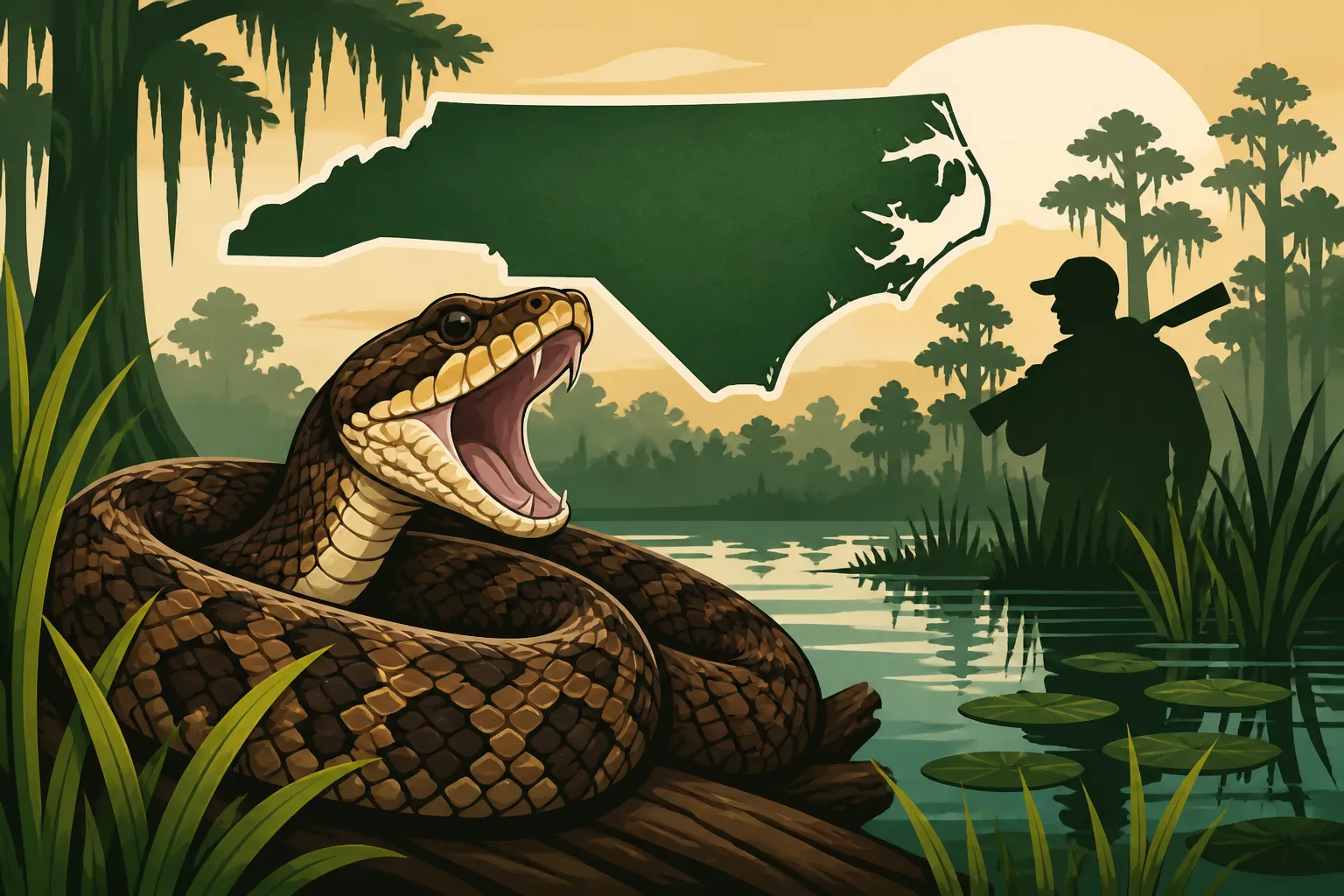
A cottonmouth (scientific name: Agkistrodon piscivorus) is a heavy-bodied, venomous snake native to the southeastern United States. Here in North Carolina, we primarily encounter the eastern cottonmouth subspecies. They get their common name from the stark white lining of their mouth, which they often display as a warning when threatened, gaping wide open. Their head is distinctly triangular and broader than their neck, a classic sign of many pit vipers, and they have vertical, cat-like pupils.
What makes them particularly unnerving for hunters and anglers is their strong association with water. You’ll find them in slow-moving or stagnant bodies of water, which makes them a constant consideration when you’re slogging through a pocosin or creeping along a riverbank. Many harmless water snakes are often mistaken for cottonmouths, leading to unnecessary fear or even harm to non-venomous species. Learning the key identifiers is crucial for both your safety and for respecting wildlife.
General Habitat Preferences of the Cottonmouth
Cottonmouths are true aquatics, meaning they spend a significant portion of their lives in and around water. They aren't going to be found high on a dry mountain ridge or in a wide-open, arid field. Their ideal habitat consists of freshwater environments like swamps, marshes, bogs, sluggish streams, canals, ponds, and the edges of lakes. They especially love areas with abundant vegetation, fallen logs, and thick leaf litter near the water's edge, which offers them both cover for ambushing prey and places to bask in the sun.
They are often found coiling on branches overhanging water, resting on floating debris, or basking on logs and rocks near the shoreline. Their preference for still or slow-moving water is key; you're far less likely to encounter a cottonmouth in the rushing currents of a mountain trout stream than you are in a murky, cypress-lined slough. This habitat specificity means that while they might be a concern in certain areas, they are far from ubiquitous across the entire state.
Pinpointing Cottonmouth Strongholds in North Carolina's Swamp Country
North Carolina’s diverse landscape means cottonmouths aren’t everywhere, but there are definitely areas where they are much more prevalent. If you're heading to certain regions, especially for duck, bear, or deer hunting, you need to be extra vigilant.
The Coastal Plain: Prime Cottonmouth Territory
When we talk about "swamp country" in North Carolina, our minds naturally drift to the vast, watery expanses of the Coastal Plain. This region, characterized by its low elevation, extensive wetlands, and blackwater rivers, is truly prime cottonmouth habitat. Think of the immense pocosins, the cypress-tupelo swamps, and the slow-moving, tannin-stained rivers that crisscross the eastern half of the state.
Areas like the Croatan National Forest, with its dense pocosins and wetland ecosystems, are classic examples. Similarly, game lands such as Holly Shelter Game Land and the massive Alligator River National Wildlife Refuge offer exactly the kind of wet, vegetative cover these snakes thrive in. These low-lying areas often retain water for long periods, providing a consistent environment for cottonmouths to hunt fish, frogs, and small mammals. If you're planning a trip to Hunting Coastal Plain Pocosin Swamps, you can almost guarantee that you're stepping into cottonmouth country and should approach with heightened awareness. When you're using a mapping tool like GoHunt to scout public land, pay close attention to the hydric soil types and water features in these regions.
Inland River Basins and Floodplains
While the Coastal Plain is their stronghold, cottonmouths aren't strictly confined to the immediate coast. Their range extends inland along major river basins and their associated floodplains. Rivers like the Neuse, Tar, Roanoke, and Cape Fear, especially in their lower and middle reaches where the currents slow and the floodplains widen, provide excellent habitat. These areas feature oxbow lakes, backwater sloughs, and seasonally flooded timber that mimic the conditions found closer to the coast.
During periods of heavy rain and flooding, these snakes can temporarily disperse into areas that are typically drier, following the high water. Once the water recedes, they often return to the permanent water bodies, but it’s a good reminder that their presence can be influenced by weather patterns. When scouting for deer in these river bottoms, especially after heavy rains, remember that those depressions and low spots that hold water might also hold a cottonmouth. Reading a Tidal Creek for Deer Movement in these areas means also being mindful of what else might be living along that water’s edge.
Less Common but Possible Sightings in the Piedmont
For hunters in the North Carolina Piedmont, encounters with cottonmouths are far less common than in the Coastal Plain, but they aren't entirely unheard of. As you move westward from the coastal plain into the eastern edge of the Piedmont, particularly where river systems like the Neuse and Cape Fear still have broad floodplains and swampy stretches, you might encounter them. These are typically isolated pockets of suitable habitat, rather than widespread populations.
For instance, some of the larger creeks and river bottoms in counties closer to the fall line, which separates the Piedmont from the Coastal Plain, could potentially harbor cottonmouths. However, as you move further west into the higher, drier, and more undulating terrain of the central and western Piedmont, the habitat becomes progressively unsuitable for these snakes. If you're hunting in the Uwharrie National Forest, for example, your chances of seeing a cottonmouth are extremely slim compared to a coastal game land. It's always wise to be observant, but the level of concern for cottonmouths can generally decrease as you head away from major coastal water systems.
Safety and Preparedness When Hunting in Cottonmouth Country
A healthy respect for cottonmouths is smart, but fear shouldn't keep you out of the woods. With the right knowledge and precautions, you can confidently hunt and explore North Carolina’s wetlands.
Identifying and Avoiding Encounters
The best defense is avoidance. Cottonmouths are generally not aggressive and prefer to retreat or warn you before striking. They rarely chase people, despite the myths. Look for them basking on logs, rocks, or branches overhanging water. They might be coiled up in dense vegetation or even swimming. When swimming, a key identifier is that they often float high on the surface with most of their body visible, unlike non-venomous water snakes that tend to swim with only their heads above water. If you see one, give it a wide berth. Change your path. They often announce their presence with their distinctive white mouth display, or by vibrating their tail against leaves, creating a rattling sound similar to a rattlesnake.
Never attempt to capture, harass, or kill a snake. Not only is it dangerous, but it's often illegal and unnecessary. Most bites occur when people try to handle or harm the snake. A quick observation, a silent retreat, and a wide detour are all that's typically needed to avoid conflict. Using a detailed map from GoHunt or the Scouting With the NC Wildlife App can help you identify areas of dense swamp or slow-moving water where you'll want to exercise extra caution or plan a route around.
Essential Gear and Practices for Swamp Hunters
When you’re venturing into areas known for cottonmouths, a few pieces of gear and changes to your routine can make a world of difference. First and foremost, snake boots or snake gaiters are highly recommended. These provide a physical barrier against bites to your lower legs, which is where many accidental encounters occur. When you’re Rubber Boots for Swamp Walking, consider if they are tall enough and stout enough to offer some protection against a strike.
Carrying a sturdy walking stick or trekking poles can also be invaluable. Use it to probe thick brush, push aside fallen leaves, or test precarious footing before you step. This simple action can alert a hidden snake to your presence, giving it a chance to move away, or reveal its location before you're too close. Always be aware of your surroundings, especially when stepping over logs, reaching into brush piles, or walking near water’s edge. Remember, these snakes are camouflaged to blend in perfectly with their environment. That little bump on a log could be exactly what you don't want to step on.
| Trait | Cottonmouth (Venomous) | Common Non-Venomous Water Snake |
|---|---|---|
| Head Shape | Broad, distinctly triangular, "blocky" | More slender, oval, less distinct neck |
| Pupils | Vertical, cat-like (if visible) | Round |
| Swimming Posture | Body floats high on the surface | Swims with only head above water |
| Heat Pits | Present (small holes between eye & nostril) | Absent |
| Behavior | Often holds head at an upward angle, may display white mouth | Typically flees quickly, rarely aggressive |
| Basking Location | Logs, branches over water, shoreline | Similar, but often more active in fleeing |
| Coloration | Can be dark, olive, brown, black; faint or strong bands; yellow tail tip in young | Highly variable; banded, blotched, or solid |
What to Do in Case of a Bite
Despite all precautions, accidents can happen. If you or a hunting partner is bitten by a cottonmouth, staying calm is critical. Panic will only make the situation worse. The immediate priority is to get medical attention as quickly as possible.
- Stay Calm and Immobilize: Try to keep the bitten limb still and below the level of the heart. Minimize movement to slow the spread of venom.
- Remove Constricting Items: Take off any rings, watches, or tight clothing near the bite area, as swelling will occur.
- Seek Medical Help: Call 911 immediately or get to the nearest hospital. Antivenom is the only effective treatment.
- Do NOT: Do not apply a tourniquet, cut the wound, try to suck out venom, apply ice, or consume alcohol or caffeine. These actions are ineffective and can cause more harm. Focus solely on getting professional medical care. Knowing the general location you are in, especially when hunting North Carolina Game Lands, can help emergency services find you faster.
Dispelling Myths and Understanding Their Role in the Ecosystem
Beyond the fear, it's important to understand cottonmouths for what they are: a vital part of North Carolina’s natural heritage. Dispelling myths not only keeps us safer but also fosters a healthier respect for wildlife.
Cottonmouths vs. Other Water Snakes
This is perhaps the most crucial distinction for hunters. Many non-venomous water snakes, such as common water snakes (Nerodia sipedon), brown water snakes (Nerodia taxispilota), and even queen snakes (Regina septemvittata), are routinely misidentified as cottonmouths. They share similar habitats and can grow quite large, leading to understandable confusion. However, non-venomous water snakes have round pupils, a more slender head that isn't much wider than their neck, and typically escape quickly when approached. They also usually swim with only their head above the water, rather than floating high.
It's common to see a water snake darting away from the bank as you approach. While their bite can be painful (like getting stuck with a fish hook), it is not venomous. Learning to tell the difference is a skill that comes with observation and practice. Take time to study images and descriptions of both types of snakes so you can make an educated assessment in the field. This discernment is important, not just for your peace of mind, but also for the conservation of harmless native species.
Their Place in the North Carolina Ecosystem
Cottonmouths, despite their reputation, play an important ecological role. As apex predators in their aquatic environments, they help regulate populations of fish, amphibians (like frogs and salamanders), and small mammals (such as mice and rats). They are opportunistic hunters, and their presence indicates a healthy wetland ecosystem with a robust food chain. Without predators like the cottonmouth, certain prey populations could explode, leading to imbalances.
They also serve as a food source for other predators, like large raptors or alligators where their ranges overlap. Understanding their ecological function helps us move beyond simple fear to a more complete appreciation of these fascinating creatures. North Carolina's diverse wildlife, from North Carolina's Black Bear Population to its numerous reptile species, forms a complex web, and each part plays a role in the health of the whole. So, while you're navigating the wetlands, scanning for deer or calling turkeys, remember that the cottonmouth is simply another inhabitant, playing its part in the wild drama of North Carolina.
Disclaimer
This article is for general informational purposes only and does not constitute professional advice. Laws, prices and regulations vary by location and change over time. Consult a qualified professional for guidance on your specific situation.