North Carolina Longleaf Pine and Quail Habitat
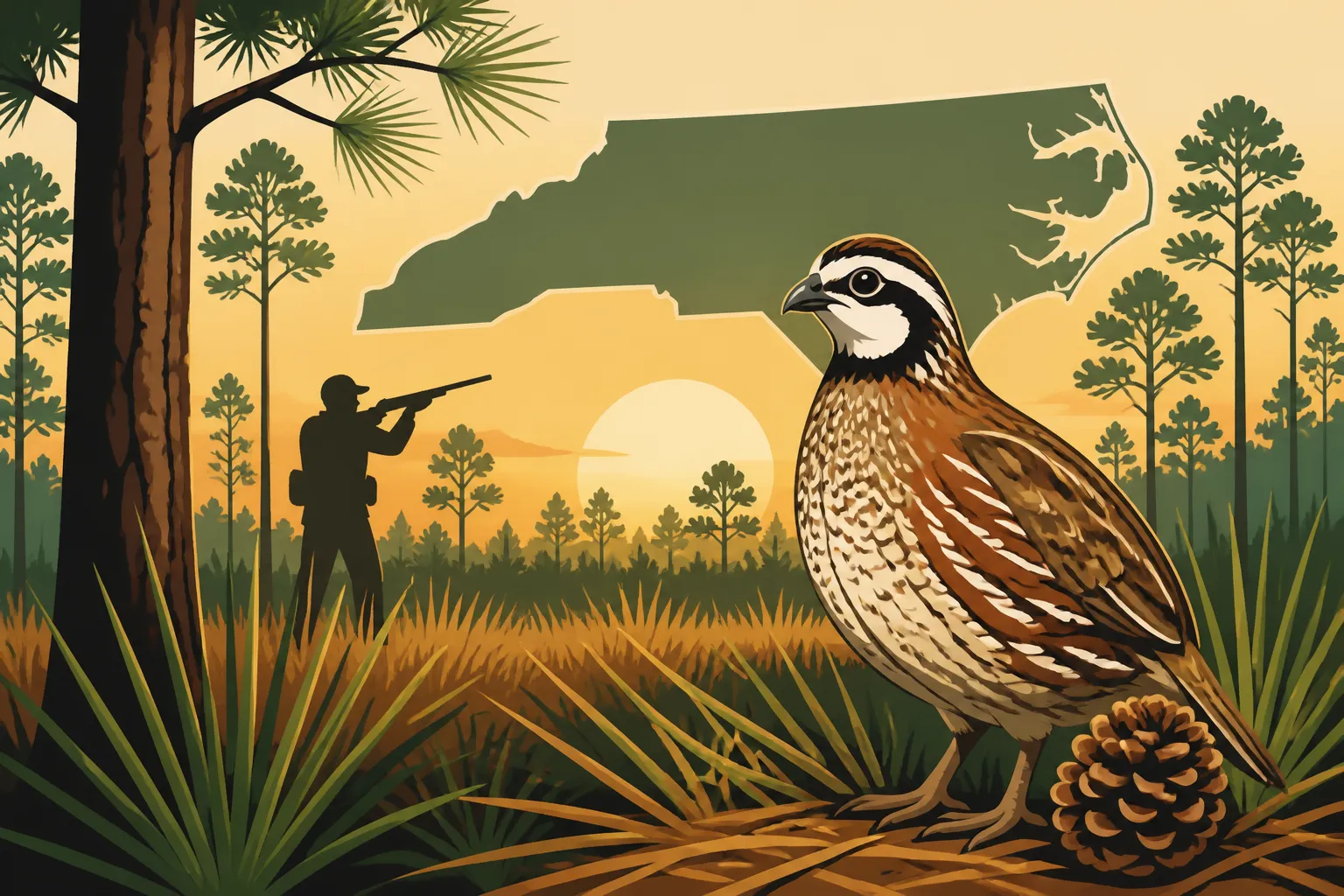
Many North Carolina hunters remember stories from their grandparents about coveys of bobwhite quail exploding from underfoot, a sound that's become far too rare in our modern landscapes. It's a real heartbreak for those of us who yearn for those classic upland hunts, and finding thriving quail populations today often feels like searching for a needle in a haystack. This guide is dedicated to exploring the vital connection between North Carolina's longleaf pine ecosystems and the survival of our beloved bobwhite quail, offering insight into their habitat needs and the ongoing efforts to bring them back.
The Historical Connection Between Longleaf and Quail
For centuries, the longleaf pine ecosystem was the dominant landscape across much of the Southeast, including a significant portion of North Carolina. This wasn't just a collection of trees; it was a vibrant, diverse habitat shaped by natural fire, supporting an incredible array of wildlife, with the bobwhite quail being one of its most iconic residents. The decline of one mirrors the decline of the other, illustrating just how intertwined their fates truly are.
A Landscape Lost: From Abundance to Scarcity
Imagine driving through what's now dense, unbroken pine plantations or agricultural fields, and seeing instead vast, open woodlands dominated by towering longleaf pines. The ground beneath would be a tapestry of native grasses and wildflowers, kept clear and open by frequent, low-intensity fires. This was the historical reality for millions of acres in North Carolina's Coastal Plain and Sandhills regions. Quail thrived in this environment, their numbers booming thanks to abundant food, cover, and nesting sites. The dramatic shift away from this ecosystem, driven by timber practices that favored fast-growing loblolly pines and fire suppression, directly led to the catastrophic drop in quail populations that we've witnessed over the last several decades. Many of us have felt the sting of this loss, remembering a time when quail were a common sight, not a rare treat.
The Bobwhite's Habitat Needs
What exactly made the longleaf ecosystem such a perfect home for bobwhites? It boils down to a few key elements: dense, low-growing cover for nesting and escape from predators, a diverse array of seeds and insects for food, and open ground for moving around easily. Think of a patchwork quilt rather than a uniform blanket. They need areas where they can raise their broods without being exposed to hawks from above or coyotes from the ground. Then, as the chicks grow, they need easily accessible food sources – those native grasses and forbs that flourish in an open understory. Without these specific conditions, quail simply can't thrive, which is why monoculture forests or dense, unburned woods are essentially biological deserts for them. It's a complex set of requirements, not easily replicated, which is why restoring longleaf is so critical. For more on their decline, check out North Carolina's Historic Quail Decline.
Understanding Ideal Longleaf Pine Habitat for Quail
If we're going to bring back the bobwhite, we have to understand what truly constitutes ideal longleaf pine habitat from their perspective. It's more than just having a few longleaf trees; it's about the entire ecological community, particularly what's happening on the forest floor.
The Open Understory: Fire's Essential Role
The defining characteristic of healthy longleaf pine habitat, and what makes it so crucial for quail, is its open, grassy understory. This isn't just naturally occurring; it's a direct result of frequent, prescribed fires. Historically, lightning strikes would ignite low-intensity fires every few years, sweeping through the forest, clearing out dense brush, hardwood saplings, and accumulating leaf litter. This process creates the perfect environment: clear ground for quail to run and forage, while simultaneously stimulating the growth of native grasses and forbs that provide both food and critical nesting cover. Without fire, the understory becomes choked with hardwoods and thick, undesirable vegetation, making it impossible for quail to move, find food, or hide from predators. When you walk through a properly burned longleaf stand, it feels open and airy, almost park-like, which is exactly what quail need.
Native Grasses and Forbs: Food and Cover
Within that fire-maintained understory, specific native grasses and forbs are absolute necessities for bobwhite quail. Think about plants like wiregrass, bluestem, partridge pea, lespedeza, and beggar's-lice. These aren't just pretty weeds; they serve multiple functions. Their clumpy growth provides excellent horizontal cover, giving quail chicks a place to hide from predators while still allowing them to move about. More importantly, these plants produce a continuous supply of seeds and attract the insects that are vital protein sources for growing quail chicks. A diverse mix of these plants ensures a year-round pantry for quail, offering different food sources as the seasons change. If the forest floor is dominated by invasive species or dense, unpalatable vegetation, the quail simply won't have the sustenance they need to survive and reproduce.
Water and Roosting Sites
While not as immediately obvious as food and cover, accessible water sources are also important for quail, especially during dry periods or when raising broods. This might come in the form of dew, insect moisture, or ephemeral puddles, but proximity to more reliable sources like small streams or seepages can be beneficial. Additionally, suitable roosting sites are crucial for nighttime safety. Quail typically roost on the ground in a tight circle, tails inward, to conserve warmth and provide an all-around lookout. This requires dense, low-growing cover that offers concealment without being so thick that they can't easily flush if a predator approaches. Think about a dense clump of switchgrass or a patch of thick briars at the edge of an open area. The right combination of these elements provides a safe haven for quail throughout their daily and nightly routines. You can sometimes pinpoint these areas when scouting, particularly on public lands managed for this type of habitat.
The Challenges and Efforts in Restoring Longleaf and Quail
The road to restoring North Carolina's longleaf pine and quail populations is long and complex, facing hurdles from past land use practices to present-day economic realities. However, dedicated efforts by conservationists, landowners, and state agencies are slowly but surely making a difference.
Past Practices and Their Impact
For many years, the economic drivers of timber production favored planting fast-growing, dense loblolly pine plantations. These "tree farms," while efficient for wood production, are devastating for quail habitat. They quickly shade out the vital understory plants, eliminating food and cover. Furthermore, the historical practice of fire suppression, born from legitimate concerns about wildfires, inadvertently destroyed the very mechanism that maintained healthy longleaf ecosystems. Trying to hunt quail in these dense, dark pine thickets is a frustrating experience for any hunter, a testament to how profoundly these practices altered the landscape. It's the reason why many of us rarely hear the distinct "bob-white!" call anymore.
Conservation Initiatives and Partnerships
Thankfully, there's a growing understanding of the importance of longleaf restoration, leading to significant conservation initiatives across North Carolina. Organizations like the Longleaf Alliance, the National Wild Turkey Federation, and the North Carolina Wildlife Resources Commission (NCWRC) are working tirelessly to educate landowners, provide technical assistance, and secure funding for longleaf planting and prescribed burning. State Game Lands are also key, with the NCWRC actively managing areas like the Sandhills Game Land to bring back this critical habitat. These partnerships are vital because restoration isn't just about planting trees; it's about managing an entire ecosystem, often over decades. Programs exist to help landowners with the costs, making it more feasible for private citizens to undertake this important work. Finding these managed areas can be greatly aided by tools like the GoHunt app, which often layers public land boundaries and habitat types. For insights into managing these areas for quail, consider How Managed Pine Could Restore North Carolina Quail.
The Slow Road to Recovery
Restoring a complex ecosystem like the longleaf pine forest takes time – a lot of time. It's not an overnight fix. Replanting longleaf pines, especially the slower-growing varieties, can take years before they become established. Then, consistent prescribed fire is needed to develop that critical understory. It's a long-term commitment, often spanning generations, which can be a difficult sell in a world focused on immediate returns. For hunters, this means patience is key, but also active participation in supporting these efforts. While we might not see booming quail populations everywhere tomorrow, every acre of longleaf restored is a step in the right direction, offering hope for future generations to experience those thrilling covey flushes once again.
How Hunters Can Support Quail Habitat Restoration
As hunters, we have a vested interest in the health of game species, and that includes the bobwhite quail. Our passion for hunting can be a powerful force for conservation, and there are many ways we can contribute to the restoration of longleaf pine and quail habitat in North Carolina.
Becoming an Advocate for Habitat
One of the most impactful things a hunter can do is become an advocate for habitat conservation, especially for longleaf pine ecosystems. This means educating yourself about the issues and then speaking up. Talk to your fellow hunters, share information on social media (responsibly, of course!), and engage with local and state wildlife agencies. Attend public meetings when habitat management plans are being discussed. Your voice, combined with others, can influence policy and funding decisions that directly impact the future of quail. Many hunters get their start learning about these issues through hunter education programs, which are fundamental to understanding conservation ethics, as outlined in North Carolina Hunter Education Requirements.
Supporting Landowners and Conservation Groups
Many private landowners are interested in restoring longleaf but face significant financial and logistical hurdles. As hunters, we can support these efforts directly and indirectly. Consider joining or donating to conservation organizations like Quail Forever, the National Wild Turkey Federation, or regional land trusts that are actively working on longleaf restoration. These groups often provide technical and financial assistance to landowners. If you hunt on private land, consider discussing habitat improvements with the landowner. Perhaps you can offer to help with small-scale projects like clearing brush or even assisting with prescribed fire efforts (under professional guidance, of course!). These actions directly contribute to creating the kind of environment where quail can thrive.
Practical Steps for Private Land
If you're a landowner, even a small one, there are practical steps you can take to enhance quail habitat. While a full longleaf restoration might be a large undertaking, you can start by identifying areas where you can implement prescribed fire (again, with professional guidance and permits). Thinning existing pine stands to create more open canopy can help sunlight reach the forest floor, encouraging native grasses. Planting native warm-season grasses and forbs, rather than non-native species, can provide immediate food and cover. Even small patches of diverse habitat can serve as vital oases for quail and other small game. Resources like the NCWRC website and organizations mentioned earlier can provide guidance and even cost-share programs to help you get started. Tools like GoHunt can also help you identify suitable areas on your property by analyzing aerial photos for existing cover.
Here’s a look at some key habitat features for bobwhite quail:
| Habitat Feature | Ideal Conditions | Poor Conditions | Impact on Quail |
|---|---|---|---|
| Forest Type | Open Longleaf Pine stands | Dense Loblolly Pine plantations | Food/cover abundance |
| Understory | Diverse native grasses & forbs, sparse brush | Dense thickets, hardwood saplings, invasives | Movement, foraging, nesting |
| Fire Regime | Frequent (2-4 year cycle) prescribed burns | No fire, fire suppression | Understory health, seed production |
| Food Sources | Native seeds, insects, soft mast | Monoculture crops, few native plants | Nutrition, population growth |
| Cover | Clump-forming grasses, briar patches, shrubby edges | Sparse cover or overly dense, impenetrable cover | Protection from predators, weather |
| Brood Rearing | Open ground, insect-rich vegetation | Dense canopy, barren ground | Chick survival, insect availability |
| Escape Cover | Scattered brushy thickets, hedgerows | Wide open fields, uniform forest | Evasion from aerial and ground predators |
Disclaimer
This article is for general informational purposes only and does not constitute professional advice. Laws, prices and regulations vary by location and change over time. Consult a qualified professional for guidance on your specific situation.