North Carolina Elk Reintroduction in the Smokies
For so many of us who cherish North Carolina's wild places, the thought of majestic elk bugling through our ancient mountains has been a dream passed down through generations. While these incredible animals were once native, they vanished long ago, leaving a void in our ecosystem and our imaginations. This guide delves into the remarkable journey of elk reintroduction in the Great Smoky Mountains National Park, exploring their return, the challenges faced, and the cautious hope for their future in the Tar Heel State.
The Historical Return of Elk to North Carolina
It's hard to imagine our Western North Carolina mountains without the resounding bugle of an elk echoing through the valleys, especially when you consider how integral they once were to the region's wildlife. But for over two centuries, that sound was silent. The story of elk in North Carolina is one of loss and, thankfully, a remarkable comeback.
Why Elk Disappeared from the Tar Heel State
The disappearance of elk from North Carolina, much like many other large game species across the continent, wasn't a sudden event but a gradual erosion driven by a combination of factors that accelerated with European settlement. Early settlers, struggling for survival, relied heavily on hunting for food and hides. Elk, being large and relatively easy to spot in some environments, were a prime target. There was little to no regulation, and the concept of sustainable harvest was simply not yet in practice.
Beyond direct hunting pressure, the relentless march of civilization brought widespread habitat destruction. Forests were cleared for farming, timber, and settlement, fragmenting the vast, interconnected woodlands and meadows that elk needed to thrive. As their habitat shrank and human populations grew, elk simply had nowhere left to go. By the mid-1700s, elk populations were already in steep decline, and by the early 1800s, they were considered extirpated—locally extinct—from North Carolina. It's a sad chapter in our state's wildlife history, a stark reminder of the impact human activity can have without careful stewardship.
The Catalytic Role of the Great Smoky Mountains National Park
The dream of bringing elk back to North Carolina began to materialize in earnest thanks to the vision and dedication of the Great Smoky Mountains National Park (GSMNP) and its partners. In 2001, after extensive planning and research, the National Park Service initiated an experimental reintroduction project. They chose the remote and ecologically rich Cataloochee Valley, nestled within the park in Haywood County, as the prime release site. This area offered a mosaic of open fields, dense forests, and ample water, providing ideal habitat.
The initial reintroduction involved bringing 25 elk from the Land Between the Lakes National Recreation Area in Kentucky and from Elk Island National Park in Alberta, Canada. It was a massive undertaking, involving careful capture, transport, and acclimation of the animals to their new home. The first year was critical, as biologists closely monitored the elk for signs of stress, disease, and adaptation to their new environment. There were expected challenges, from animals wandering outside the park boundaries to adjusting to local predators, but the core group quickly established themselves, laying the groundwork for what has become a truly inspiring conservation success story. The sight of these majestic animals grazing peacefully in Cataloochee is a powerful testament to what focused conservation efforts can achieve.
Understanding North Carolina's Elk Population Today
Fast forward from those initial release days, and the North Carolina elk population, while still relatively small compared to their western cousins, has solidified its presence. They are no longer just an experiment but a thriving, if carefully managed, part of the mountain ecosystem.
Where the Elk Roam and Their Current Numbers
Today, the heart of North Carolina's elk population remains centered in and around the Cataloochee Valley of the Great Smoky Mountains National Park, primarily within Haywood County, though they have naturally expanded their range. You can also find them in adjacent areas of Swain County and occasionally venturing onto tribal lands of the Eastern Band of Cherokee Indians. These elk tend to favor open fields and pastures for grazing, particularly at dawn and dusk, but retreat into the dense, old-growth forests and secondary growth for cover, especially during the heat of the day or when seeking security.
The population has seen steady, natural growth since the initial reintroduction. While exact, real-time numbers fluctuate with births and natural mortality, the population has grown considerably from those initial 25 animals. This natural increase is a strong indicator of the success of the reintroduction program and the suitability of the habitat. Biologists continually monitor the herd's health, movements, and reproductive success to ensure their long-term viability. They use methods like remote cameras, radio collars, and direct observation to keep tabs on the expanding herd. For those looking to catch a glimpse, checking online resources or contacting the park for current viewing tips is always a good idea. Scouting With the NC Wildlife App can also be a useful tool for understanding the broader habitat types these animals prefer, even if the app isn't specifically tracking elk.
Challenges and Successes in Elk Management
Managing a reintroduced species, especially one as large and charismatic as the elk, comes with its own unique set of challenges and triumphs. On the success side, the population has grown robustly, demonstrating excellent adaptation to the Appalachian environment. The elk have become a massive draw for tourism, bringing significant economic benefits to the local communities around the park. Witnessing these animals in their natural habitat is an unforgettable experience for visitors from all over the world, cementing their role as a flagship species for Appalachian wildlife conservation.
However, challenges persist. One major concern is maintaining herd health. Like any wildlife population, elk are susceptible to diseases, and careful monitoring is essential to prevent outbreaks that could decimate the herd. The National Park Service works diligently with state agencies to North Carolina Wildlife Disease Monitoring and address any health concerns proactively. Another ongoing challenge involves human-elk interactions. As the population expands, elk occasionally venture onto private property, leading to potential conflicts with landowners, particularly regarding crop damage or property lines. While the park service and local agencies work to mitigate these issues, it's a delicate balance between allowing natural expansion and managing the needs of the human population. Road mortality is also a concern, as elk crossing busy roadways pose a risk to both themselves and motorists. Finding ways to encourage elk to remain in safe zones or to cross at designated, safer points is an ongoing effort.
The Future of Elk in North Carolina: Hunting and Expansion
The presence of wild elk in North Carolina is undeniably exciting, igniting dreams of what could be, especially for the hunting community. However, the path forward for this nascent population is carefully considered, with current priorities firmly set on conservation and long-term establishment.
Why North Carolina Elk Are Not Huntable Yet
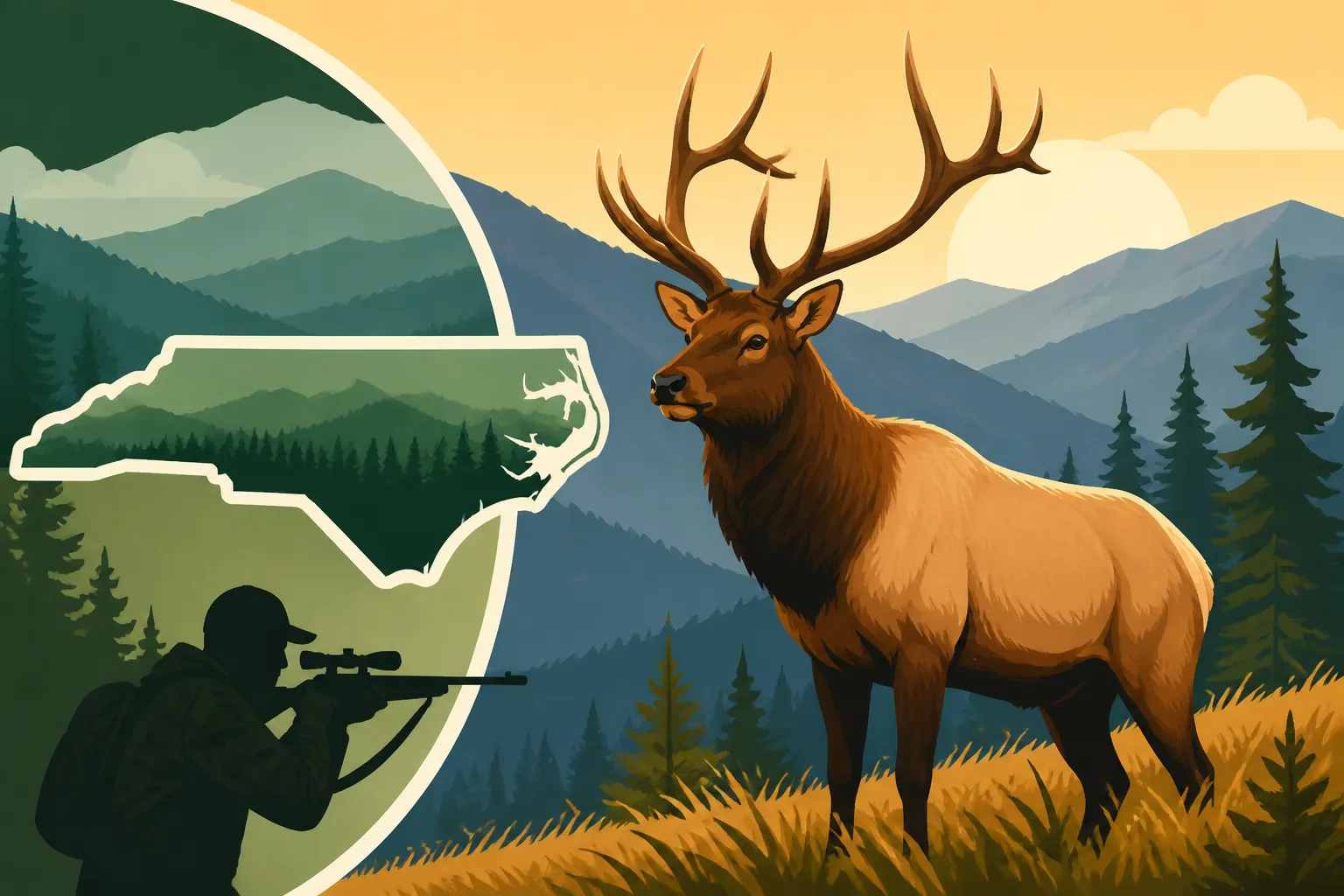
This is often the first question on a hunter's mind when they hear about elk in North Carolina: "Can I hunt them?" The short answer, for now, is no. North Carolina's elk are currently considered a protected, reintroduced species, and there is no legal elk hunting season in the state. The primary goal of the reintroduction program in the Great Smoky Mountains National Park was, and continues to be, the establishment of a self-sustaining, viable wild population. This means giving them every opportunity to grow, expand their range, and become firmly rooted in the ecosystem without additional pressure.
The legal framework reflects this conservation-first approach. The population is still relatively small and concentrated, making it vulnerable to over-harvest if hunting were permitted. Furthermore, a significant portion of the elk range is within the national park, where hunting is generally prohibited. Any discussion about future hunting opportunities would require a robust and significantly larger population, extensive biological studies, public input, and changes in state wildlife regulations. It's a complex process that would need to ensure that any potential harvest would not jeopardize the long-term health and growth of the herd. Until then, these elk remain a species for observation and appreciation, a testament to successful conservation rather than a target for hunters. Organizations involved in wildlife management, like the North Carolina Wildlife Resources Commission and the National Park Service, continue to work together on North Carolina Wildlife Cooperator Agreements to support this recovery.
The Potential for Future Elk Hunting Opportunities
While elk hunting isn't currently an option in North Carolina, it's natural for hunters to ponder what the future might hold. Looking at other states where elk have been successfully reintroduced and eventually managed through hunting, such as Kentucky or Pennsylvania, offers a glimpse into what a possible future could look like here. For North Carolina to consider a hunting season, several critical benchmarks would likely need to be met.
First and foremost, the elk population would need to reach a size and distribution that could sustain a regulated harvest without jeopardizing its long-term health or genetic diversity. This means continued growth and natural expansion beyond the immediate park boundaries, establishing robust herds in surrounding Nantahala National Forest Hunting and Pisgah National Forest Hunting areas where hunting is generally allowed for other species. Second, extensive biological data would need to be collected to determine sustainable harvest quotas, considering factors like population age structure, sex ratios, and reproductive rates. Third, there would need to be significant public support and careful legislative and regulatory changes, potentially including a lottery-based draw system to manage limited permits, much like in other states with successful elk hunting programs.
It's a long road, but the success of the reintroduction so far provides a glimmer of hope. For serious hunters who might be interested in pursuing elk in states where it is currently legal, tools like GoHunt can be invaluable for understanding draw odds, unit breakdowns, and applying for permits. While GoHunt doesn't currently apply to hunting North Carolina elk, it serves as an excellent example of the resources hunters use to navigate the complex world of big game tags in other states, and similar platforms might one day be relevant if North Carolina's elk population ever reaches a huntable status and a permit system is implemented. In the meantime, we can all enjoy the spectacular sight of these magnificent creatures as they continue to reclaim their rightful place in the North Carolina mountains. Observing large game like elk also offers insights into the movements and behaviors of other species, providing valuable knowledge that can even be applied to Hunting the North Carolina Mountains for deer and bear.
| Factor | Historical Elk in North Carolina (Pre-1800s) | Current Elk in North Carolina (Post-2001 Reintroduction) |
|---|---|---|
| Status | Native, widespread | Reintroduced, protected, growing |
| Primary Range | Throughout the state, especially mountains | Great Smoky Mountains National Park (Cataloochee Valley and immediate surroundings in Haywood/Swain Counties) |
| Population Size | Abundant | Growing, but still relatively small |
| Threats | Unregulated hunting, habitat destruction | Disease, human-elk conflict, road mortality, limited range |
| Hunting Status | Hunted for subsistence | Not currently huntable; observation only |
| Conservation Goal | None (extirpated) | Establish a self-sustaining, viable population |
Disclaimer
This article is for general informational purposes only and does not constitute professional advice. Laws, prices and regulations vary by location and change over time. Consult a qualified professional for guidance on your specific situation.