North Carolina Waterfowl Banding Programs
As a North Carolina waterfowl hunter, you've probably seen a banded duck or goose come into your decoys at some point, or perhaps heard tales of friends who have. It's a truly exciting moment, connecting you directly to the incredible journeys these birds undertake. But beyond the thrill of finding that tiny piece of metal on a bird's leg, these bands represent a critical lifeline of information for wildlife biologists, allowing them to understand the complex lives of our feathered friends and make informed decisions that ensure healthy populations and sustainable hunting seasons for generations to come.
The Science Behind Waterfowl Banding in North Carolina
Waterfowl banding isn't just a quaint tradition; it's a sophisticated, long-running scientific endeavor that provides invaluable data. Without the diligent efforts of biologists and the crucial participation of hunters, we'd be largely guessing when it comes to managing these migratory species. The programs help us understand everything from where a particular species nests to how long it lives and how many birds we can realistically harvest each year without impacting the overall health of the population.
Why We Band Ducks and Geese
The primary goal of banding is to gather data that supports sound wildlife management. Think about it: ducks and geese travel thousands of miles across continents. How could we possibly understand their full life cycle, their preferred migration corridors, or even how many are out there without some way to track individuals? Bands provide that unique identifier.
Biologists use this information for several key purposes. Firstly, it helps them determine migration routes and staging areas. When a duck banded in, say, Saskatchewan, is harvested in North Carolina, it confirms a specific flyway connection. Secondly, banding data is vital for estimating population sizes and trends. By knowing how many birds are banded and how many are reported each year, biologists can model population growth or decline. This directly influences decisions about bag limits and season lengths. For example, if survival rates for a particular species like wood ducks are consistently lower than expected based on banding returns, it might prompt a review of habitat management or harvest strategies. Lastly, banding helps assess survival and harvest rates. It tells us what percentage of birds survive from one year to the next and what percentage are taken by hunters. This feedback loop is essential for adaptive management, allowing wildlife agencies to adjust to changing environmental conditions or population dynamics.
The Process: From Capture to Release
The actual process of banding waterfowl is a highly coordinated and specialized operation, typically carried out by experienced biologists and trained technicians. It's not a casual affair; safety for both the birds and the banders is paramount. There are several methods used to capture waterfowl, depending on the species, location, and time of year.
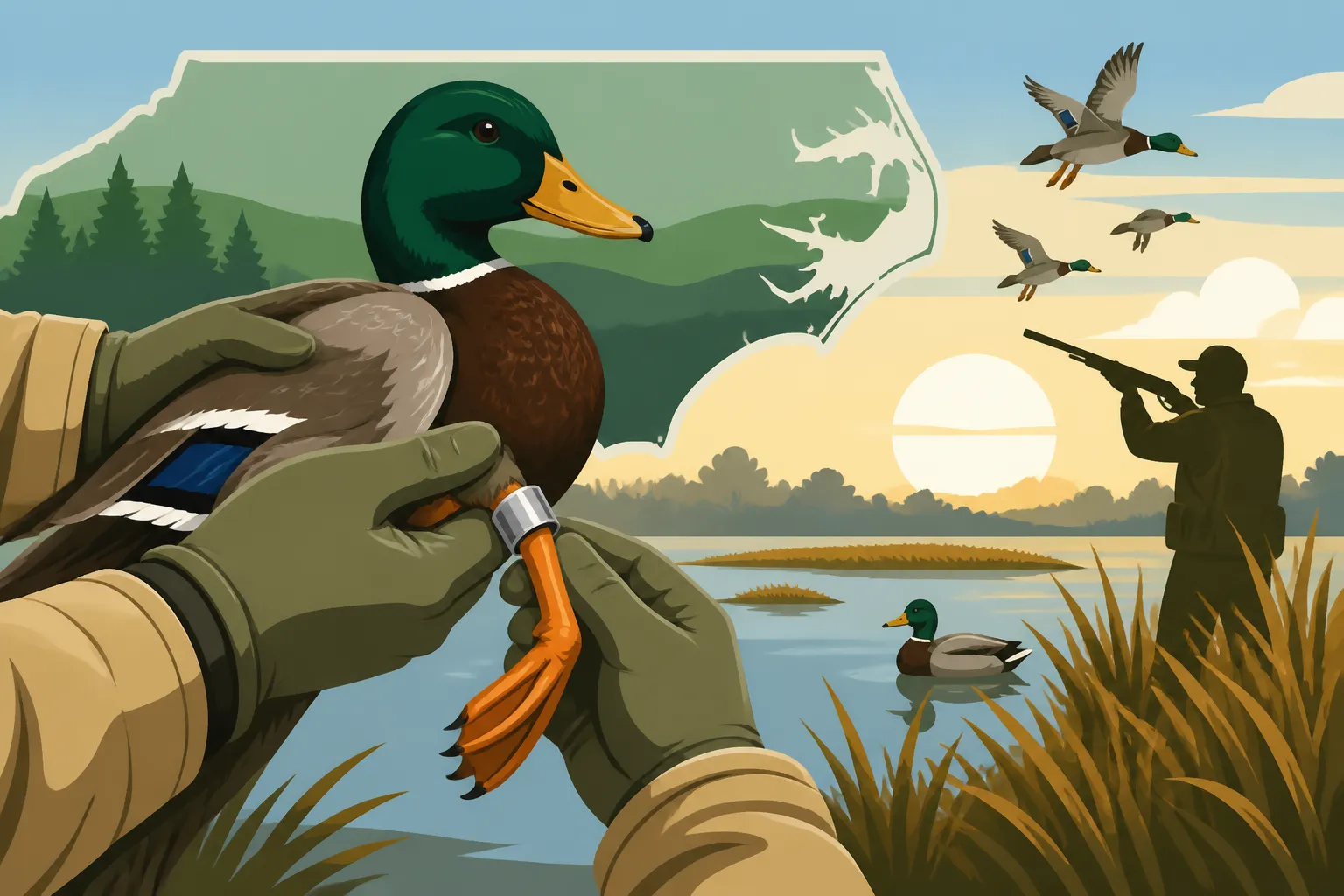
One common technique is the use of rocket nets or cannon nets. These involve setting up large nets over an attractive feeding area, baiting the area with corn or other grains, and then deploying the net over a flock of birds remotely. For ducks, especially during molting season when they are flightless, drive traps or large wire traps might be used. Geese are often rounded up during their flightless period in summer when they're raising goslings. Once birds are captured, they are carefully handled. Each bird undergoes a quick but thorough examination where data is recorded: species, age (juvenile or adult), sex, and sometimes even physical condition. A small, individually numbered metal band is then gently affixed to one leg. These bands are made of lightweight aluminum or stainless steel and are designed not to interfere with the bird's natural movements. For larger birds like geese, sometimes a neck collar with a larger, visible code is also applied, allowing for identification from a distance without recapturing the bird. After all the data is collected and the band is secured, the bird is released, often taking flight immediately, none the worse for wear. This quick processing minimizes stress and ensures the birds can get back to their lives.
What Waterfowl Bands Tell Us About North Carolina Birds
The real magic happens once these banded birds are released back into the wild. Each reported band is like a tiny breadcrumb in a vast forest, helping piece together the incredible story of waterfowl in North Carolina and beyond. It’s a testament to long-term data collection, with banding programs often spanning decades, providing a historical perspective that would otherwise be impossible to obtain.
Unraveling Migration Routes and Staging Areas
North Carolina is a critical wintering ground for a huge variety of waterfowl, sitting right in the heart of the Atlantic Flyway. But where do these birds come from? And what paths do they take to get here? Band returns offer concrete answers. Imagine a mallard you harvest in the Coastal Plain Pocosin Swamps. You report its band, and it turns out that bird was originally banded as a duckling in northern Manitoba, Canada. This isn't just a cool fact; it's a piece of a much larger puzzle, confirming that the vast breeding grounds of the Canadian prairies are directly linked to our state's wetlands. This kind of data helps us understand the interconnectedness of different regions for waterfowl.
Furthermore, bands help identify critical staging areas—places where birds gather to rest and feed during their long journeys. For instance, data from banded Mallards and Divers on Currituck Sound might show that birds often stop in the Chesapeake Bay region before making the final push south to our state. This insight is crucial because it highlights the importance of conserving habitat not just in North Carolina, but along the entire migration corridor. When we see a concentration of band returns from a specific region, it signals that location is vital for the health of our migratory populations, informing broader conservation initiatives across multiple states and even countries. The sheer volume of waterfowl that utilize North Carolina's varied habitats means that understanding these routes is paramount for effective management.
Population Dynamics and Survival Rates
Beyond migration, banding programs are the backbone of understanding waterfowl population health. When a biologist bands a duck or goose, they assign it a unique identifier. Over time, as these banded birds are re-observed or harvested and their bands reported, a clear picture begins to emerge about their survival. For example, if out of 1,000 banded Wood Ducks in North Carolina Swamps, only 300 are reported the following year (either re-captured or harvested), biologists can calculate an estimated survival rate. Fluctuations in these rates over several years can signal important changes in the environment or population structure.
Consider a scenario where a specific population of Canada geese shows a declining survival rate based on band returns. This might prompt researchers to investigate potential issues such as habitat degradation on their breeding grounds, increased predation, or disease outbreaks. Conversely, if survival rates are stable or increasing, it suggests that current management practices and environmental conditions are supporting a healthy population. This data is critical for setting sustainable harvest levels; without it, hunting could inadvertently impact a struggling population. It provides the empirical evidence needed to balance recreational opportunities with conservation responsibilities. Each band return adds another data point to these complex ecological models, ensuring decisions are based on the best available science, not just anecdotal observations.
How North Carolina Hunters Play a Vital Role
You, the North Carolina hunter, are not just a participant in a recreational activity; you're an essential partner in this scientific endeavor. Your role in the waterfowl banding program is perhaps the most crucial link in the entire chain. Without your reports, all the hard work of capturing, banding, and releasing thousands of birds would be largely in vain.
Reporting Your Banded Bird: A Crucial Step
Let's be honest, finding a banded bird is a truly memorable experience. That small piece of metal is a tangible connection to the migratory world. But the real impact of that band comes when you take the time to report it. It might seem like a small act, but reporting a banded bird is one of the most direct and meaningful contributions a hunter can make to wildlife conservation and management.
When you harvest a banded bird, the process of reporting it is straightforward. The most common way is to visit the official federal bird banding website or call the toll-free number inscribed on the band itself. You'll need to provide the band number, the date you harvested the bird, and the exact location (as specific as you can be with county, nearest town, and even GPS coordinates if you have them). In return, you'll typically receive a certificate of appreciation that tells you where and when your bird was banded, along with its species, age, and sex. It's a fantastic keepsake! Think of it this way: every band reported helps complete another segment of a bird's journey, adding valuable information to databases used by biologists. As an informed hunter, perhaps someone who enjoys using platforms like GoHunt to scout and learn about different game species, you understand the value of data. This is a direct way to contribute to that data. By taking those few minutes to report, you're directly enabling the continued study and sustainable management of waterfowl populations, ensuring there are birds to pursue for years to come.
The Long-Term Impact on Hunting Seasons
The data collected from waterfowl banding, fueled by hunter reports, has a direct and tangible impact on the North Carolina Waterfowl Zones and Seasons that we all cherish. It's not an abstract scientific exercise; it's about the number of birds you can put in your bag, the length of the season, and the specific species you can pursue.
For instance, if banding data consistently shows declining survival rates for a particular species wintering in North Carolina, wildlife agencies might propose stricter bag limits or shorter seasons for that species in future years. Conversely, if a population is robust and showing strong survival and recruitment, it might allow for more liberal hunting opportunities. This adaptive management approach is critical. It allows regulators to be responsive to the actual biological health of the populations, rather than relying on guesswork or outdated information. When you consider the vast numbers of species that utilize our state, from Mallards and Divers on Currituck Sound to Wood Ducks in North Carolina Swamps, understanding each one's specific dynamics is paramount. Every time you check a North Carolina Duck and Goose Bag Limits regulation, remember that those numbers are backed by years of banding data. Your participation ensures that these regulations are grounded in science, aiming for a balance that protects the resource while providing quality hunting experiences. It's truly a partnership between hunters and biologists for the future of waterfowl hunting in North Carolina.
Here's a quick look at the kind of data collected and why it matters:
| Data Point Collected | Purpose for Waterfowl Management |
|---|---|
| Band Number | Unique identifier for individual bird; links report to original banding event. |
| Species | Understand species-specific migration patterns, survival, and harvest rates. |
| Age & Sex | Assess reproductive success, age structure, and sex ratios within populations. |
| Banding Location | Pinpoints breeding grounds or key staging areas. |
| Banding Date | Establishes timeline for migration; determines bird's age at harvest/re-capture. |
| Reported Location | Maps migration routes, identifies wintering grounds, and harvest distribution. |
| Reported Date | Measures survival time, migration speed, and timing of harvest. |
Understanding these programs and actively participating by reporting bands helps ensure that North Carolina continues to be a vibrant destination for migratory birds and a rewarding place for hunters. Whether you're hunting Currituck Sound Diving Ducks or working a Layout Blind Hunting Coastal Plain Fields, every band is a story waiting to be told, and you're the one who can help complete it. Don't forget to get your North Carolina Federal Duck Stamp Requirement and North Carolina HIP Certification for Bird Hunters before you head out, as these also contribute to waterfowl conservation efforts across the country.
Disclaimer
This article is for general informational purposes only and does not constitute professional advice. Laws, prices and regulations vary by location and change over time. Consult a qualified professional for guidance on your specific situation.