Where North Carolina Bobcats Are Rebounding
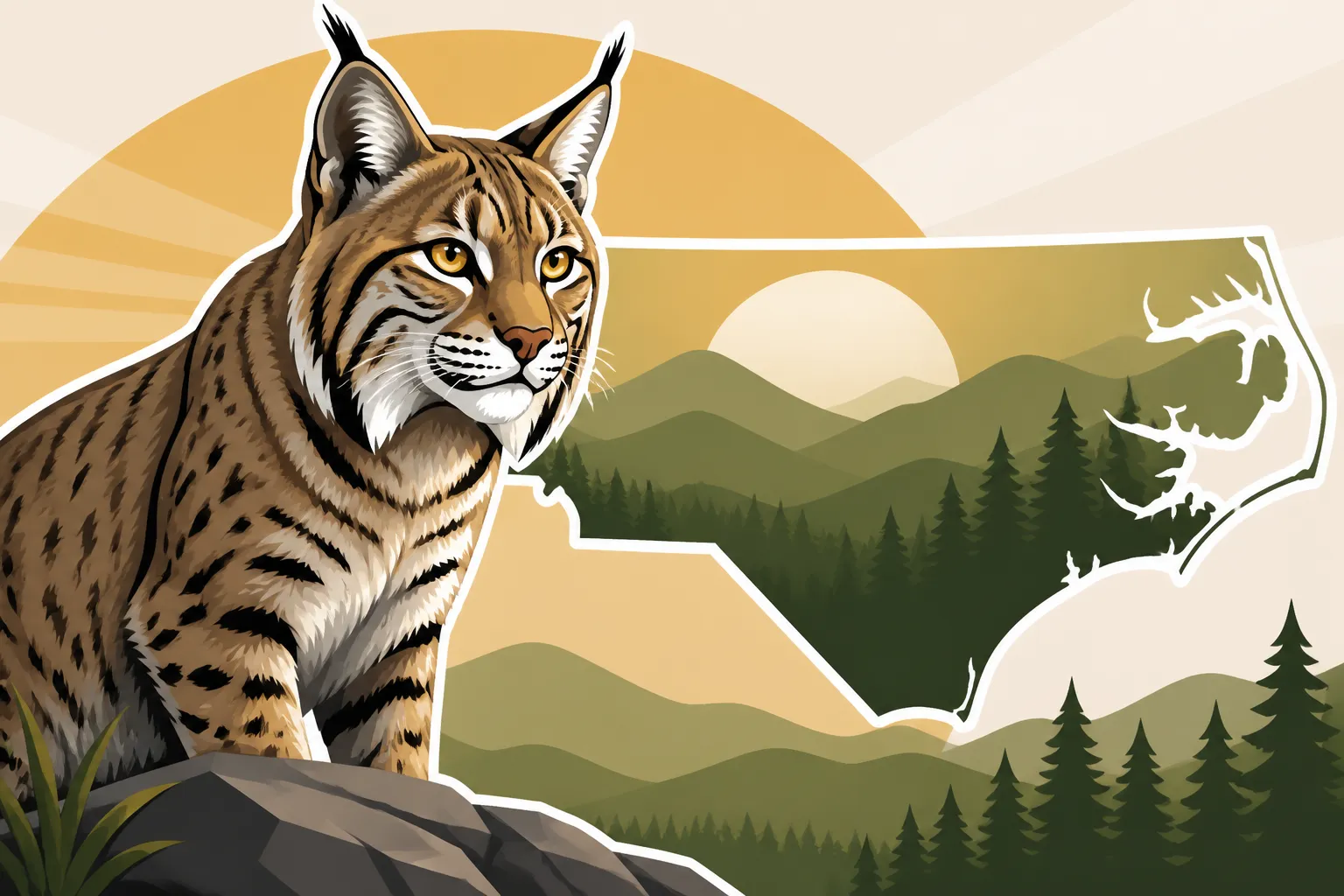
For years, catching a glimpse of a bobcat in North Carolina felt like winning the lottery. Many of us old-timers can remember when these elusive predators were truly a rare sight, their populations having dwindled from historical pressures. But thankfully, those days are fading into memory. Today, North Carolina's bobcat population is undeniably on the rise, and if you know where to look, your chances of seeing one—or at least their sign—are better than they've been in generations. This guide is all about shedding light on where these fascinating felines are making their biggest comeback and what that means for our wild places.
North Carolina's Bobcat Comeback: A Story of Resilience
It’s easy to get caught up in the excitement of a growing deer herd or thriving turkey populations, but the quiet comeback of the North Carolina bobcat is a true testament to the resilience of our state's wildlife. For many hunters and outdoor enthusiasts, spotting a bobcat remains a pinnacle experience, a true indicator of healthy wilderness. Their return isn't just a happy accident; it's a story shaped by changing landscapes, evolving conservation efforts, and the bobcat's own tenacious spirit.
From Historical Scarcity to Growing Numbers
Back in the day, seeing a bobcat was a pretty uncommon occurrence for most folks. They were here, certainly, but in much lower densities, especially in certain parts of the state. Historically, bobcats faced a gauntlet of challenges. Habitat loss due to widespread agricultural expansion and timber practices that didn't always favor diverse ecosystems certainly played a role. On top of that, unregulated hunting and trapping seasons, driven by a perception of them as varmints or competition for other game, further suppressed their numbers. It was a tough time for many native predators across the country, and North Carolina's bobcats were no exception.
Imagine walking through the woods in the 1960s or 70s, hoping to catch a glimpse of anything truly wild. While you might stumble upon a deer or hear a turkey, the chances of seeing a bobcat were slim indeed. They were ghosts of the forest, adapting to survive in fragmented pockets of cover. This scarcity made them almost mythical creatures, and any confirmed sighting was a story told and retold around campfires for years. Hunters would speak of a "lucky" encounter, emphasizing just how rare and special it was. Their very elusiveness became part of their mystique.
Factors Driving the Resurgence: Habitat and Management
So, what changed? A combination of factors has slowly but surely allowed North Carolina's bobcats to bounce back. One of the biggest shifts has been in land use. While development continues, large tracts of timberland are now managed with an eye toward sustainable forestry, often creating diverse successional habitats that bobcats absolutely adore. Think clear-cuts growing back into thick briar patches, creating perfect cover for ambush predators and their prey. Even abandoned farmlands, slowly reverting to forest, offer new territories. These mosaic landscapes provide both the dense cover bobcats need to hide and hunt, and the open edges where their prey, like rabbits and rodents, often thrive.
Furthermore, regulated hunting and trapping seasons, coupled with a growing appreciation for predators in the ecosystem, have been crucial. Modern wildlife management understands that predators are vital for maintaining healthy prey populations and overall ecological balance. Seasons are carefully set, and bag limits are implemented to ensure sustainable populations. This proactive management, along with increased awareness among the public, means fewer bobcats are taken, and those that are, are part of a regulated system. It's a far cry from the days when they were indiscriminately targeted, and it's given them the breathing room they needed to expand their territories and numbers. You can learn more about how other predators are managed in our state by reading Coyotes and Predators in North Carolina.
Key Regions Where Bobcats Thrive Today
If you're looking to find a place where bobcats are doing particularly well, you'll be pleased to know their rebound isn't confined to one small corner of North Carolina. These adaptable cats are showing up in surprising numbers across all three major geographical regions of the state: the mountains, the Piedmont, and even the coastal plain. Each area offers a unique blend of habitat that bobcats have learned to exploit, proving just how versatile and resilient they truly are.
Mountainous Terrain: Western North Carolina's Prime Habitat
When you think of wild, rugged country in North Carolina, the mountains immediately come to mind. And you wouldn't be wrong to associate this region with bobcats. Areas like Pisgah National Forest and Nantahala National Forest offer vast tracts of undeveloped land, dense forests, and plenty of rocky outcrops and steep ravines that make for perfect bobcat hideouts. The diverse elevation creates a wide array of cover types, from mature hardwoods to dense rhododendron thickets, all providing excellent ambush points. These areas are truly strongholds where bobcats have always maintained a presence, but now their numbers are steadily growing.
Hunters in counties like Swain, Haywood, and Jackson often report seeing more bobcat sign than ever before. If you're out scouting for deer in these mountain counties, pay close attention to creek bottoms, logging roads, and the edges of clearings, especially where thick mountain laurel or rhododendron offers dense security cover. I've even seen tracks along the rim of a high elevation bench while Hunting the North Carolina Mountains. The abundance of small game like rabbits, squirrels, and even young deer fawns in these areas provides a consistent food source, allowing bobcat families to thrive. The sheer scale of these public lands means there's less human disturbance, providing the solitude these shy predators crave.
Piedmont's Diverse Landscape: A Surprising Stronghold
Now, this is where the bobcat's comeback truly shines. For many years, the Piedmont, with its mix of urban sprawl, suburbs, farmland, and fragmented woodlots, seemed like less-than-ideal bobcat habitat. But these tenacious cats have adapted incredibly well to this diverse, often overlooked landscape. They're masters of using whatever cover is available, from the edges of agricultural fields to thick brush in suburban greenways. Don't let the seemingly busy nature of the Piedmont fool you; there are plenty of wild pockets where bobcats are not just surviving, but thriving.
Counties surrounding major metropolitan areas, even those you wouldn't typically associate with robust wildlife, are seeing increased bobcat activity. Think of the rolling hills and river bottoms of counties like Chatham, Orange, and even Wake. Here, bobcats utilize the transitional zones between mature timber, agricultural fields, and new growth. A dense fencerow leading to a creek bottom could be a superhighway for a bobcat. I've heard countless stories from farmers and landowners finding tracks near their barns or seeing a bobcat slip into a cornfield. The mixture of abundant rodents, rabbits, and the occasional opportunity for a bird or even a young feral hog makes the Piedmont a surprisingly productive hunting ground for them. When Hunting the North Carolina Piedmont, always keep an eye out for fresh sign.
Coastal Plain's Wetlands and Thick Cover
The vast, often swampy, and densely vegetated Coastal Plain might seem like a natural fit for bobcats, and it absolutely is. This region, characterized by its pocosin swamps, pine savannas, and extensive wetlands, provides incredible cover and a year-round food supply. The sheer impenetrability of some of these areas offers ultimate sanctuary for bobcats, allowing them to remain largely unseen even when their populations are robust. This is wild country, and bobcats fit right in.
Areas like the Green Swamp, Holly Shelter Game Land, and the extensive river bottoms of eastern North Carolina are brimming with bobcats. Counties such as Brunswick, Pender, and Columbus offer dense cover where these cats can flourish. Imagine navigating a thick bay swamp, hearing the rustle of leaves, and knowing a bobcat could be watching you from just a few yards away. The abundance of water means plenty of small prey like raccoons, muskrats, and waterfowl, supplementing their diet of rabbits and rodents. The unique habitat means they can often operate with less direct human interaction, even when their numbers are significant. If you're exploring Hunting the Coastal Plain and Sandhills, you're very likely in prime bobcat territory.
Here's a quick look at why each region supports bobcats so well:
| Region | Primary Habitat Types | Key Food Sources (Prey) | Key Cover Types |
|---|---|---|---|
| Mountains | Mature hardwoods, coniferous forests, rocky outcrops | Deer fawns, rabbits, squirrels, grouse, rodents | Rhododendron thickets, mountain laurel, rock dens |
| Piedmont | Mixed forests, farmlands, urban fringe, river bottoms | Rabbits, rodents, squirrels, birds, young feral hogs | Fencerows, creek banks, dense undergrowth |
| Coastal Plain | Pocosin swamps, pine savannas, wetlands, river bottoms | Rabbits, rodents, raccoons, muskrats, waterfowl, snakes | Bay swamps, dense briars, cypress/tupelo stands |
Identifying Bobcat Presence in Your Hunting Area
So, you're out in the woods, maybe scouting for deer or turkeys, and you want to know if there are bobcats around. It's not always about seeing the animal itself; often, it's about learning to read the subtle clues they leave behind. Bobcats are incredibly stealthy, masters of camouflage, and primarily nocturnal or crepuscular, meaning they're most active at dawn and dusk. But with a keen eye and a bit of knowledge, you can absolutely increase your chances of confirming their presence.
Reading the Landscape: Tracks, Scat, and Scratch Marks
The most common and reliable way to identify bobcat activity is through their tracks. Unlike dog tracks, bobcat tracks typically show no claw marks, as their claws are retractable. Their prints are often rounder and more compact than a canine's, with four distinct toe pads and a clear, three-lobed heel pad. Look for them along muddy creek banks, dusty logging roads, or fresh snow if you're lucky enough to have it. They often follow game trails or the edges of dense cover, looking for an easy path or an ambush opportunity. Pay particular attention to crossings where a small game trail might intersect a larger one, or where a wooded area meets a field edge.
Beyond tracks, bobcats leave other signs. Scat, or droppings, can sometimes be found. It's usually segmented, often containing hair, bone fragments, or feathers from their prey. They often try to bury their scat, much like a domestic cat, but sometimes it's left exposed, especially on prominent objects like logs or rocks, which they use to mark territory. Scratch marks on trees, particularly cedars or softwoods, can also be an indicator. These aren't just from sharpening claws; they're also a form of communication, a visual marker for other bobcats in the area. Take your time when Scouting North Carolina Public Land Before Season to really observe these subtle clues.
Understanding Their Prey and Hunting Patterns
To find a bobcat, you essentially need to find what they eat. Bobcats are primarily carnivores, and their diet consists mostly of small to medium-sized mammals and birds. Think rabbits, squirrels, mice, voles, and various ground-nesting birds. They're also opportunistic, and a young deer fawn or turkey poult can certainly end up on their menu. Understanding the density and movement of these prey animals in your hunting area is key. If you're seeing a lot of rabbit sign, for instance, there's a good chance a bobcat isn't far behind.
Bobcats are ambush predators. They'll stalk their prey silently, using dense cover to their advantage, before launching a quick, powerful attack. This means they'll often frequent areas where prey animals are concentrated, but where there's also plenty of thicket or tall grass for concealment. Consider areas with dense briar patches, brush piles, or tangled creek bottoms. They also utilize elevated positions to survey their surroundings, so don't rule out rocky outcroppings or fallen timber. By observing the movements and preferred habitats of small game like rabbits and squirrels, covered in North Carolina Small Game and Furbearers, you’re essentially scouting for bobcats at the same time.
Utilizing Modern Scouting Tools for Bobcat Detection
In this day and age, we have some fantastic tools at our disposal that can greatly aid in detecting elusive animals like bobcats. Trail cameras are arguably your best friend here. Set them up along game trails, near known water sources, or at the edges of thick cover where you've seen tracks. You might be surprised at what walks by in the dead of night or during the low light of dawn and dusk. I've gotten countless bobcat pictures over the years that I never would have known were there without a camera. They provide undeniable proof and give you insights into their travel routes and activity times.
Mapping applications can also be invaluable. Tools like GoHunt allow you to scrutinize aerial imagery, identifying those crucial habitat transitions, dense thickets, and pinch points that bobcats favor. You can mark potential bedding areas, travel corridors, and even specific trees where you might place a camera or look for scratch marks. Being able to virtually scout an area before you ever step foot in it gives you a massive advantage. You can study terrain features, pinpoint isolated patches of cover, and even understand how close a good bobcat area might be to human activity. When you combine this digital scouting with boots-on-the-ground observation of physical sign, you’re creating a comprehensive picture of bobcat activity that was impossible to achieve just a few decades ago. Don't forget to leverage the Using the NC Wildlife Map Tool for public land specifics.
Coexisting with a Growing Bobcat Population
The fact that North Carolina's bobcat population is rebounding is fantastic news for the overall health of our ecosystems. These apex predators play a crucial role in maintaining balance, helping to control prey numbers, and even keeping other mesopredators like coyotes in check. However, with any increase in a predator population, it’s natural for hunters and landowners to wonder about the implications for other game species and how we can best coexist with these wild cats.
Impact on Local Game Populations
One of the most common questions I hear when folks learn about increasing bobcat numbers is, "What about the deer?" It's a fair concern. While bobcats are opportunistic, their primary diet focuses on smaller animals. They will, however, prey on young deer fawns, especially during the spring birthing season. This isn't necessarily a bad thing; it's a natural part of population control and often targets weaker or less vigilant fawns, contributing to a healthier overall deer herd. Remember, a robust deer population can handle some predation, and it helps prevent overpopulation, which can lead to disease and habitat degradation. For a deeper dive into deer management, check out North Carolina Deer Season Structure Explained.
Beyond deer, bobcats exert a significant impact on small game like rabbits and squirrels, as well as rodents. This natural predation helps keep these populations in check, preventing them from overwhelming local food sources. For turkey hunters, bobcats can occasionally take a poult or even a nesting hen, but again, this is generally a small part of their overall diet and part of the natural cycle. The overall health benefits of a balanced ecosystem, including a healthy predator-prey dynamic, far outweigh the occasional loss of a game animal. A diversified ecosystem is a resilient one, and bobcats contribute significantly to that diversity. North Carolina Coyote Range and Density provides an interesting comparison for predator impact.
Responsible Observation and Management
As bobcat numbers continue to grow, our role as stewards of the land becomes even more important. For hunters and outdoor enthusiasts, the best approach is one of respectful observation. If you are lucky enough to spot a bobcat, enjoy the moment. They are magnificent creatures, and seeing one is a special experience. Keep your distance, avoid disturbing them, and appreciate their presence as a sign of a healthy environment. Responsible hunting and trapping, where allowed, also play a part in managing populations, but always adhere strictly to state regulations and season dates.
For landowners, understanding that bobcats are generally shy and pose little threat to humans or pets (unless they are very small) is key. Keeping pets secure, especially at night, is always a good practice in rural or semi-rural areas, as it protects them from a variety of wildlife, not just bobcats. If you encounter a bobcat, simply give it space. They are generally more afraid of you than you are of them. Continued monitoring of their populations, often through methods like trail cameras and scat analysis, helps wildlife agencies understand their health and distribution. Organizations like GoHunt contribute to our collective understanding of wildlife movements and habitat usage, allowing for better-informed conservation decisions. It’s all part of ensuring a future where these beautiful wild cats continue to thrive across North Carolina. Knowing about North Carolina Wildlife Disease Monitoring can also help you understand how biologists track the health of these and other species.
Disclaimer
This article is for general informational purposes only and does not constitute professional advice. Laws, prices and regulations vary by location and change over time. Consult a qualified professional for guidance on your specific situation.